



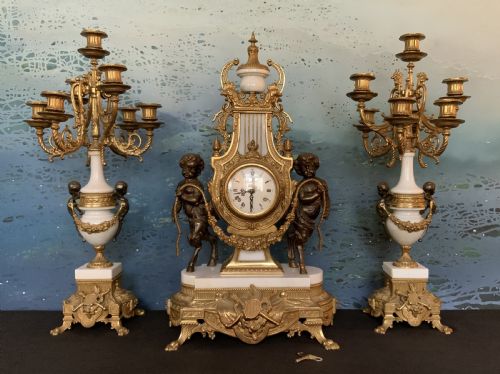
Antique Italian Cherubs
Antique italian cherubs appear in bronze, carved wood and majolica, bringing classical drama and decorative warmth to an interior.
Antique Italian Cherubs
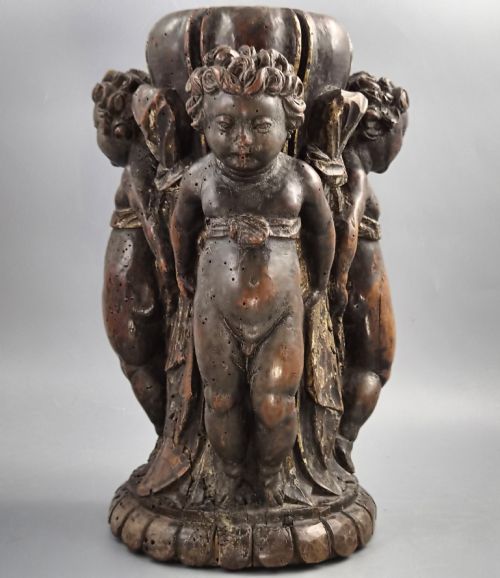
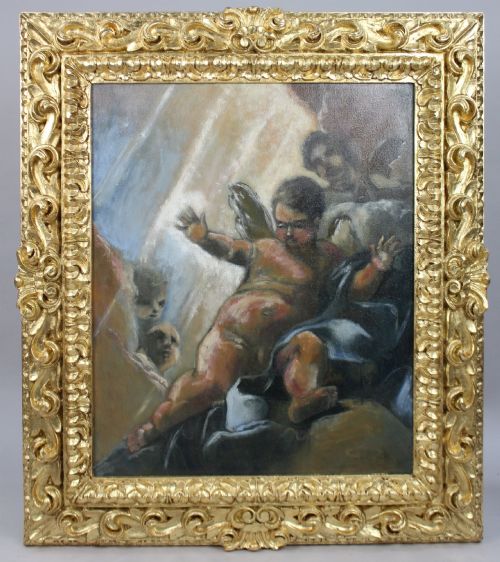
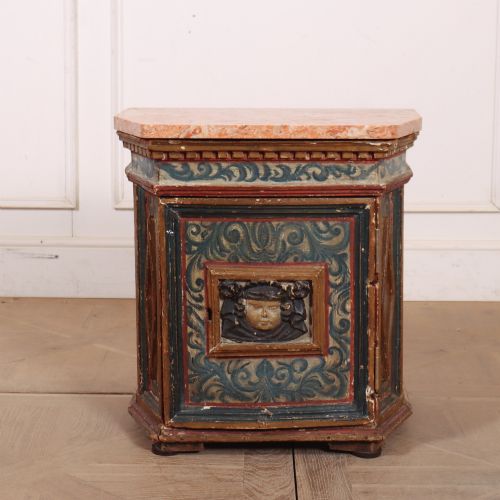
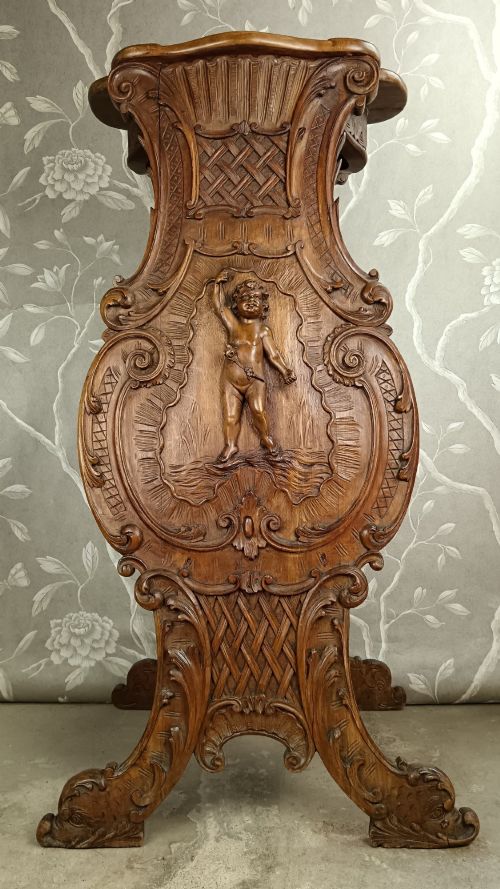
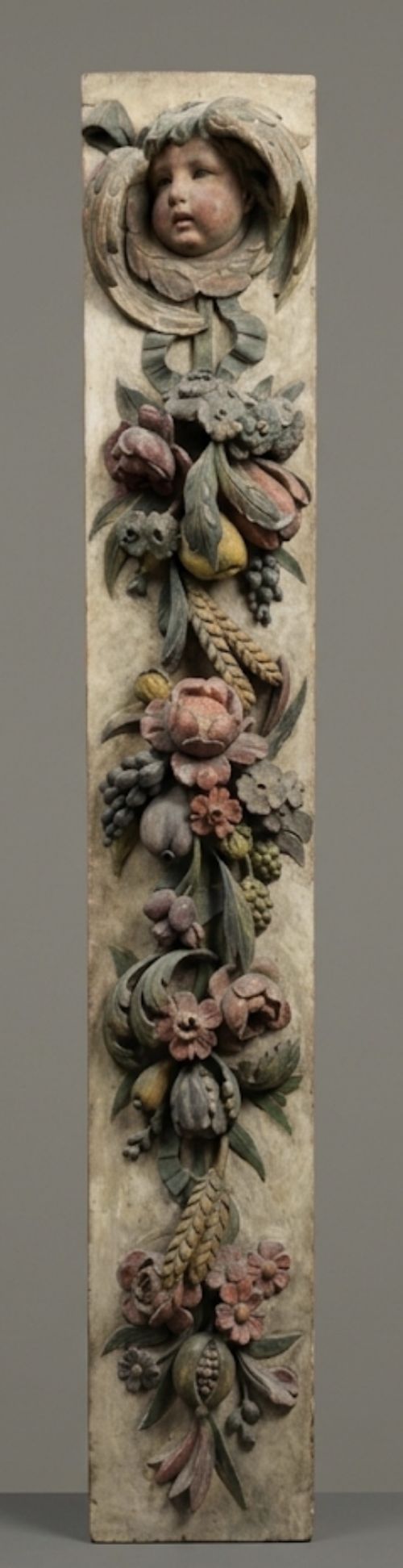
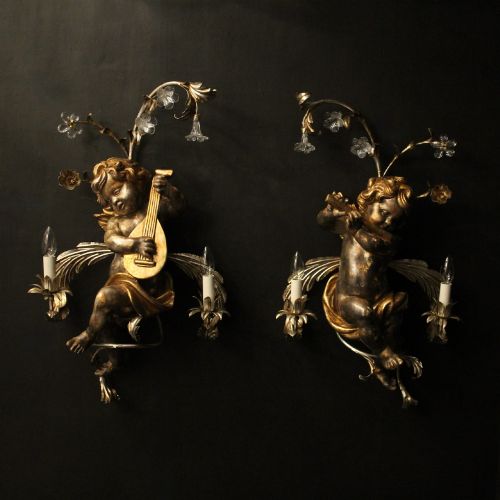
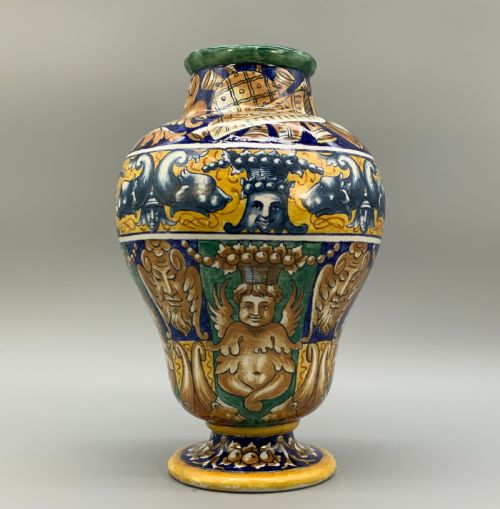
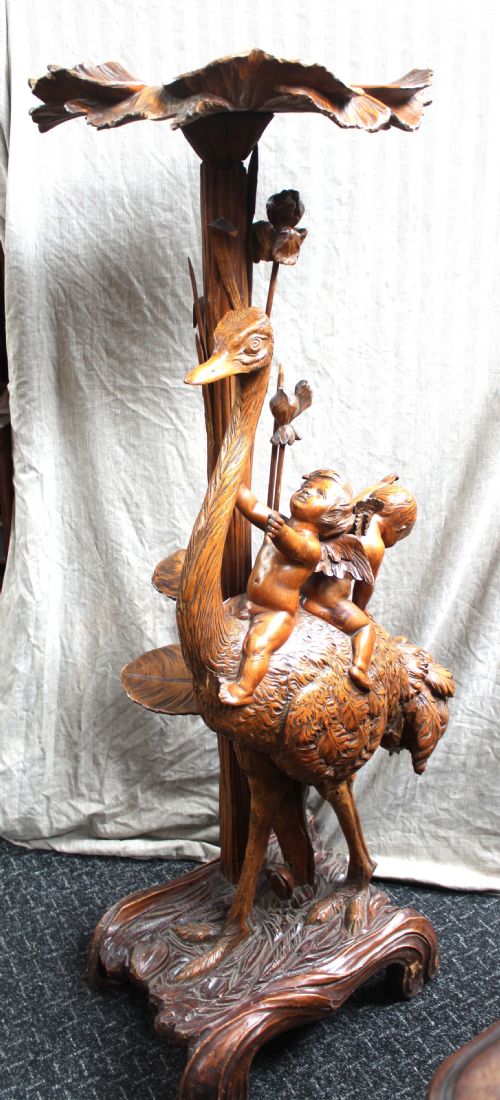
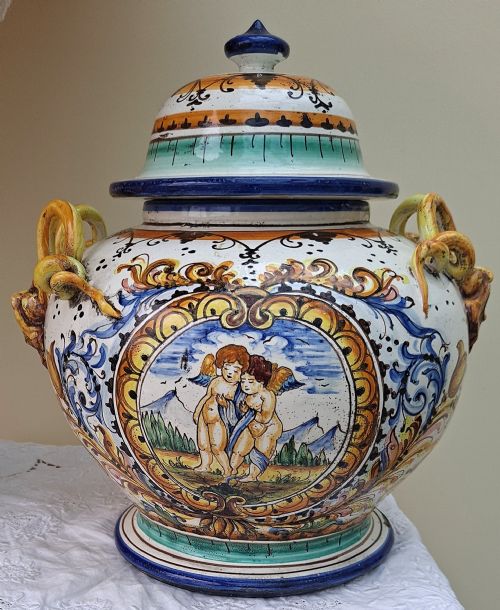
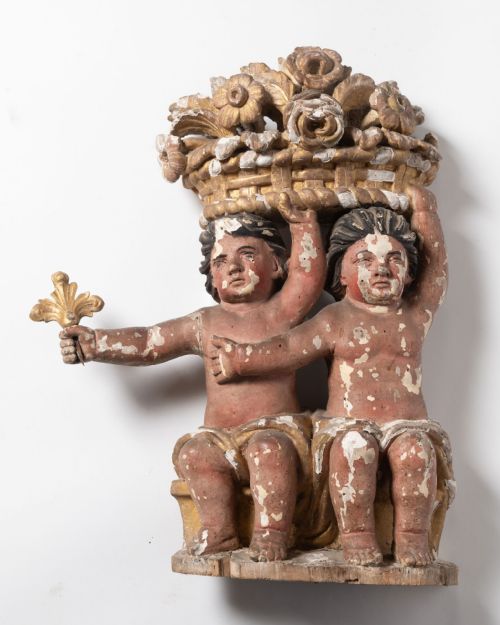
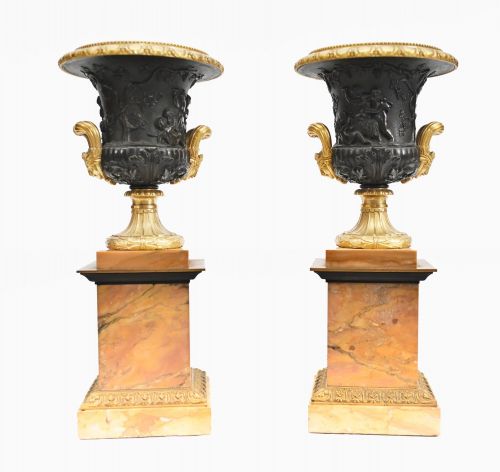
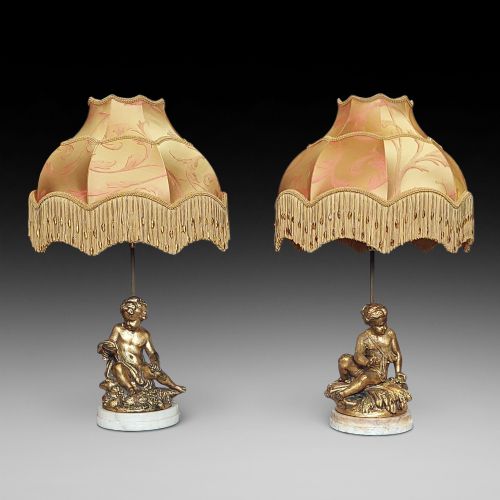
When you search for antique italian cherubs, you encounter sculptural figures, architectural wall brackets, and painted panels originating from various centuries across Italy. The examples most frequently met on this page include nineteenth-century bronze desk ornaments, carved walnut figures, and majolica apothecary vessels.
The objects span multiple stylistic movements such as the Baroque, Renaissance Revival, and Neoclassical traditions. Workshops produced these pieces to serve devotional, utilitarian, or purely decorative functions within domestic and ecclesiastic settings.
Makers utilised traditional regional methods to shape wood, cast bronze, and throw ceramic vessels. Buyers often select these items to introduce classical mythology and religious iconography into period rooms.
How they were made
Carved wooden pieces rely on dense timbers like walnut and lime wood, shaped with chisels and finished with gesso, gold leaf, or polychrome paint. Bronze objects employ lost-wax casting techniques, often mounted upon shaped marble plinths.
Ceramic forms such as majolica albarello jars utilise tin-glazed earthenware bodies decorated with hand-painted polychrome pigments. Giltwood mirrors and wall brackets combine carved wooden frameworks with applied chalk-based gesso layers to receive metallic leaf.
The listings show diverse material usage, spanning carved wood, bronze, marble, and polychrome majolica earthenware across multiple centuries.
What varies in quality
Ceramic quality rests upon the registration of the tin glaze and the control shown in the polychrome brushwork on drug jars and vases. In painted works, the fluidity of the pigment application and the depth of the giltwood framing establish the tier of execution.
Antonio Canova·Domenico Zampieri·Rosso Fiorentino·Orsola Maddalena Caccia
The Antique Italian Cherubs Glossary
- Putto
- A plump, naked male child figure frequently found in classical and Renaissance art. These figures often appear with wings in religious and decorative contexts.
- Albarello
- A type of majolica earthenware jar used in pharmacies to hold dry drugs, ointments, or syrups. Their distinctive waisted cylindrical shape originated in the Near East before adoption in Italian potteries.
- Giltwood
- Wood that has been coated with a thin layer of gold leaf or gold dust over a prepared ground. This technique creates a luminous metallic surface on frames, mirrors, and wall brackets.
- Majolica
- Italian tin-glazed earthenware decorated with colourful metal oxides fired over an opaque white glaze. The tradition flourished during the Renaissance and continued through subsequent centuries.
- Torchiere
- A tall stand or ornamental candlestick designed to hold a light source high above the floor. Italian examples often incorporate carved putti or classical figures into the supporting shaft.
Antique Italian Cherubs: Frequently Asked Questions
What are antique italian cherubs made of?
These decorative and functional objects utilise a range of traditional materials. The evidence records carved wood, giltwood, gesso, gold leaf, cast bronze, marble, and earthenware ceramics.
Makers selected these substances depending on the intended object type, whether a sculptural bronze desk figure, a tin-glazed pharmacy jar, or a gilded wall mirror.
How do I date an antique italian cherub?
Dating relies on stylistic markers associated with periods such as the seventeenth, eighteenth, and nineteenth centuries. Details like Baroque asymmetry, Neoclassical restraint, or nineteenth-century revivalism provide key chronological clues.
Material composition and manufacturing techniques also assist in placing an item within a specific historical era.
Where were antique italian cherubs used?
Historically, these figures and vessels served multiple purposes within Italian interiors. Apothecary jars functioned in pharmacies, while carved panels and devotional plaques belonged to domestic shrines or churches.
Other items, such as torchiere bases, wall brackets, and candelabra garnitures, illuminated and decorated grand rooms during the Baroque and later revival periods.
What is the difference between a cherub and a putto?
Art historical terminology often distinguishes between religious cherubim and secular putti, though marketplace descriptions frequently group them together under antique italian cherubs. Putti derive from classical mythology and represent winged child figures associated with Bacchus or love.
Cherubs possess specific biblical associations within sacred art, yet both share the characteristic infant form seen across wood carvings and bronze sculptures.