



Polychrome Putti Figures
Polychrome putti figures are sculpted representations of winged infants rendered in vibrant colour, bringing classical drama and lively character to any interior.
Polychrome Putti Figures
Polychrome putti figures capture winged infant motifs in sculpted forms across several periods. These pieces appear primarily as freestanding porcelain figurines, carved wood sculptures, and decorative objects.
The selection ranges from eighteenth-century soft-paste porcelain to nineteenth-century interpretations. Buyers encounter Rococo revival styles alongside Italian baroque influences and German porcelain traditions.
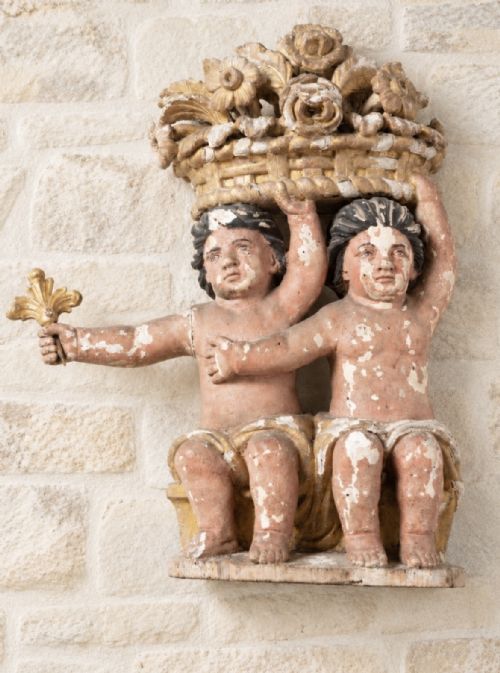
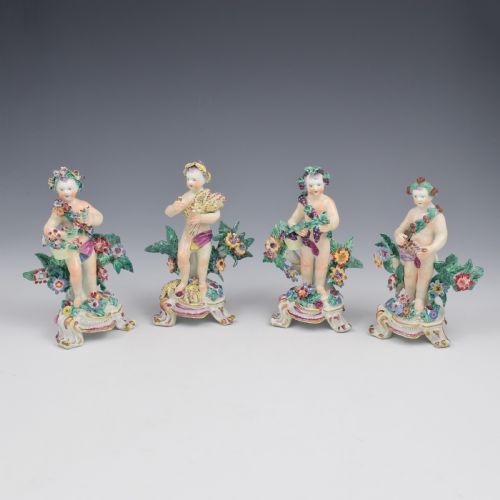
Forms include allegorical representations of the seasons, centrepiece vases, sweetmeat dishes, and wall sculptures. Many originate from British, German, and Italian workshops.
How they were made
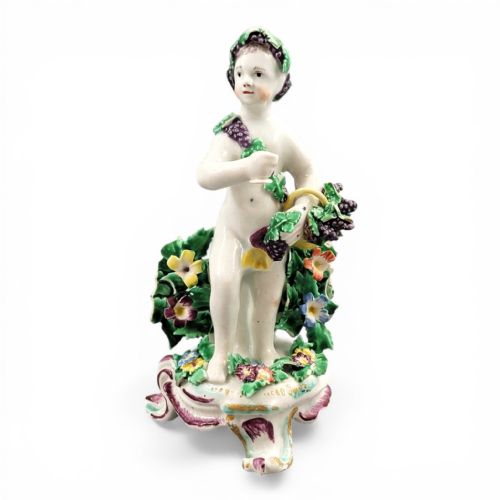
Makers shaped soft-paste and hard-paste porcelain using moulds before applying detailed enamel painting. Firing set the glaze and fixed the polychrome pigments onto the ceramic surface.
Carved wood examples relied on timber foundations coated in gesso. Artisans applied gold leaf and polychrome paint to build up the coloured surface and garments.
Silvering and hand-painting techniques provided the surface decoration on wooden cherubic figures. Skilled hands finished each piece to achieve distinct facial expressions and drapery folds.
Polychrome Putti Figures Retail Price Guide 2026
Typical asking prices for polychrome putti figures among the pieces listed under this phrase on Sellingantiques today, from the lower quarter to the upper quarter. They describe what is for sale here now, not the wider market.
One set depicts the four seasons as standing putti, proving that even winter can be represented by a chubby winged infant.
What varies in quality
Artistic execution dictates the distinction between standard and exceptional pieces. The delicacy of the carving or the precision of the porcelain modelling determines the visual impact.
The preservation of original polychrome paint, enamel, and gold leaf influences the integrity of the object. Subtle brushwork and careful application of colour separate finer examples from simpler commercial production.
Bow Porcelain·Edme Samson·Volkstedt·Meissen
The Polychrome Putti Figures Glossary
- Putto
- A representation of a plump, naked infant, often winged, derived from classical art. These figures appear frequently in Renaissance and later decorative arts.
- Polychrome
- Decorated in several colours. This term describes surfaces painted or glazed with multiple hues.
- Soft-Paste Porcelain
- An artificial porcelain made from a mixture of white clay and glass frit. It was widely used by eighteenth-century European factories before hard-paste porcelain became dominant.
- Gesso
- A plaster mixture used as a base for paint or gold leaf on carved wood. It creates a smooth surface for detailed decoration.
- Sweetmeat Dish
- A small decorative vessel designed for serving confectionery or dried fruits. These often incorporated figures within their design.
Polychrome Putti Figures: Frequently Asked Questions
What are polychrome putti figures?
Polychrome putti figures are sculptural representations of winged infants finished in coloured paints, enamels, or glazes. They encompass porcelain figurines, carved wood sculptures, and decorative ceramic objects.
These pieces draw on classical motifs and emerged in various forms across the eighteenth and nineteenth centuries in Britain and continental Europe.
How were these figures used historically?
Historically, these figures served as decorative accents in domestic interiors, formal dining settings, and religious spaces. Porcelain versions often functioned as centrepieces or sweetmeat dishes.
Carved wood and ceramic examples were integrated into wall displays, altar ornaments, and architectural furnishings to add classical movement and colour.
How do I identify porcelain from carved wood?
Porcelain figures exhibit a glazed ceramic body with smooth enamel finishes and are often hollow or cast from moulds. Carved wood pieces display natural grain beneath gesso, paint, or gold leaf layers.
Wooden sculptures show tool marks under magnification, whereas porcelain demonstrates the vitrified fracture and kiln marks typical of fired ceramics.
How do I care for polychrome surfaces?
Preserving these surfaces requires dusting with a soft, dry brush and avoiding liquid cleaners or abrasive cloths. Moisture can damage exposed gesso and flake delicate paint layers.
Keep the objects away from direct sunlight and stable environmental conditions to prevent the wood or ceramic from expanding and contracting.