



Ecclesiastical Cherub Sculpture
An ecclesiastical cherub sculpture brings devotional intensity into a room, capturing sacred theatre through carved wood and gilded surfaces.
Ecclesiastical Cherub Sculpture
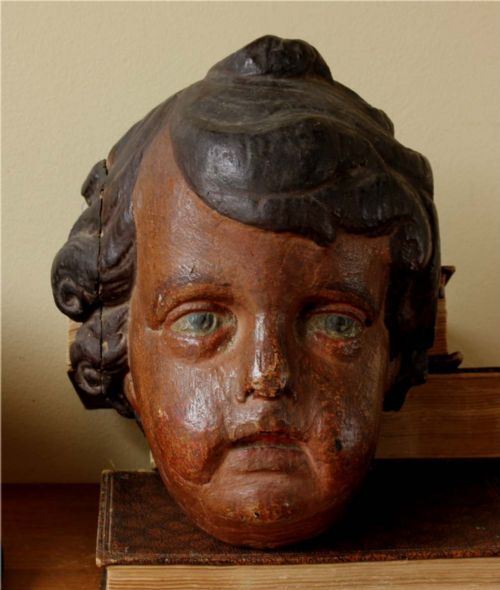
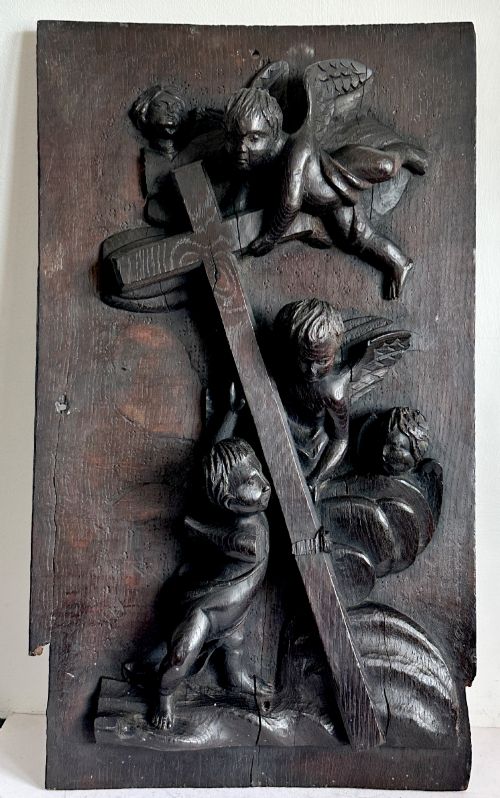
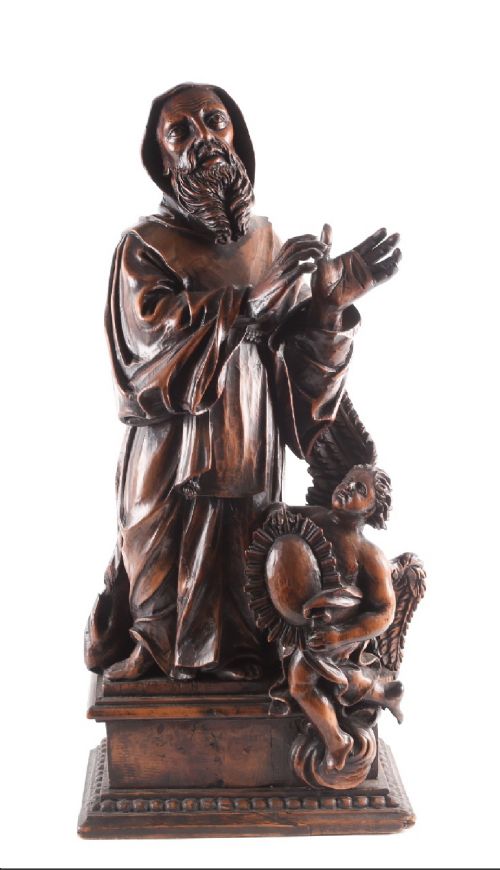
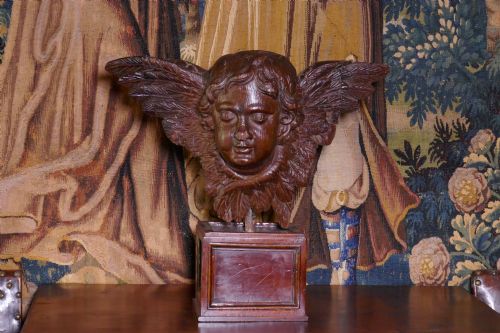
An ecclesiastical cherub sculpture spans several centuries of religious craftsmanship, originating mostly in the seventeenth, eighteenth, and nineteenth periods. These pieces take the form of wall reliefs, panels, and full figures depicting putti, angels, and cherubic heads connected to church settings.
The objects frequently reflect Baroque and Gothic influences, including French and Italian regional interpretations. Buyers encounter items ranging from single carved heads to pairs of kneeling angels and figures positioned near saints.
Oak and general carved wood form the primary foundation for these works, often enhanced by historic surface treatments. The aesthetic vocabulary leans heavily towards Baroque drama and Ecclesiastical Gothic solemnity.
Materials and Making
Makers shaped these sculptures primarily from solid oak and other timber, employing hand-carving techniques to achieve deep relief and expressive facial contours. The wood provided a stable base for subsequent decorative layers.
Surfaces were frequently finished with gesso before receiving applications of gold leaf, silver leaf, or polychrome paint. These pigments and metallic foils added theatrical illumination to figures intended for dim sacred spaces.
Several angels are recorded kneeling on clouds, proving that even celestial beings need a soft spot to land.
Evaluating Quality
The sophistication of the carving separates standard workshop production from superior sculptural work, particularly in the rendering of wings, hair, and facial expressions. Master carvers achieved a naturalistic softness in wood that lesser hands missed.
The preservation of original surface treatments, whether polychrome pigment or metallic leaf, strongly influences the character of each piece. Retaining historic layers provides a more authentic visual register than later overpainting.
The Ecclesiastical Cherub Sculpture Glossary
- Polychrome
- Painted in several colours. This term describes historic wood sculptures retaining their original tinted pigments.
- Gesso
- A plaster mix applied as a surface preparation. It creates a smooth base for subsequent gilding or painting.
- Putto
- A plump naked child figure. These appear frequently in religious and secular art derived from classical motifs.
- Baroque
- An artistic style marked by ornate detail and dramatic movement. Pieces from this period emphasise dynamic gestures and rich surface decoration.
- Relief
- Sculpture projecting from a flat background. Many cherub carvings were originally designed as wall mounts or architectural elements.
Ecclesiastical Cherub Sculpture: Frequently Asked Questions
How do I clean an antique wooden cherub?
Maintenance requires only gentle dusting with a soft, dry brush to protect fragile gesso and historic leaf layers.
Water and modern cleaning solutions must be avoided entirely to prevent damage to aged polychrome paint and bare wood.
What is the difference between a cherub and an angel?
Cherubs traditionally represent a specific order of celestial beings often depicted as winged infants' heads in religious art.
Angels usually appear as full-figured celestial messengers, though the terms often overlap in historic descriptions of wooden sculptures.
How do I identify seventeenth-century carvings?
Seventeenth-century pieces in this category typically feature dense oak construction, deep hand-chiselled relief, and characteristic Baroque styling.
Examining the tool marks and the natural ageing of the timber helps confirm the period.