



Italian Baroque Cherubs
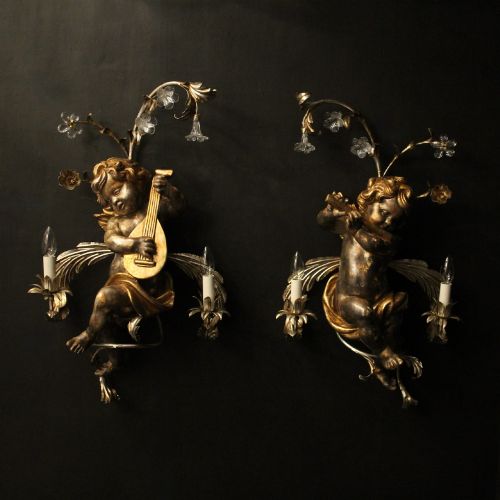
Italian baroque cherubs bring dynamic movement and carved theatricality to interiors, spanning wall brackets, paintings, and console tables.
Italian Baroque Cherubs
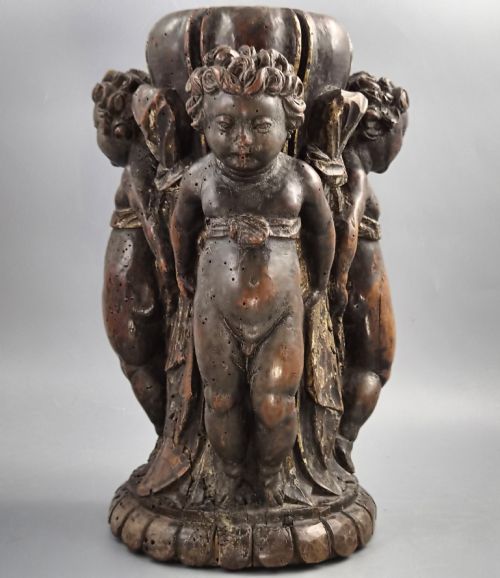
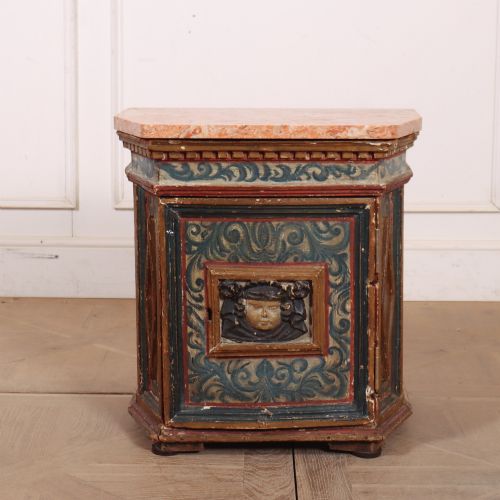
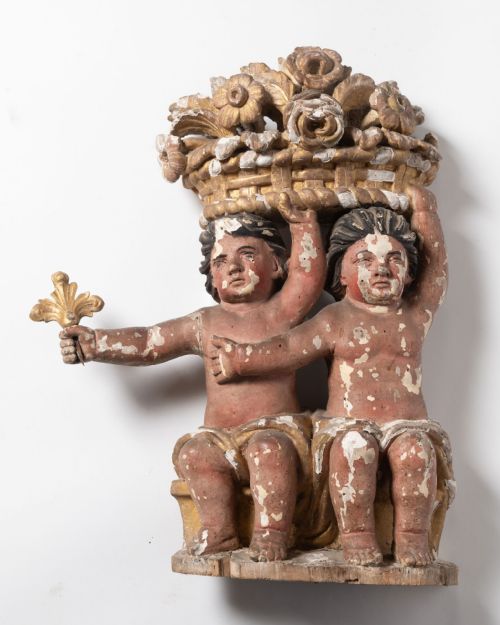
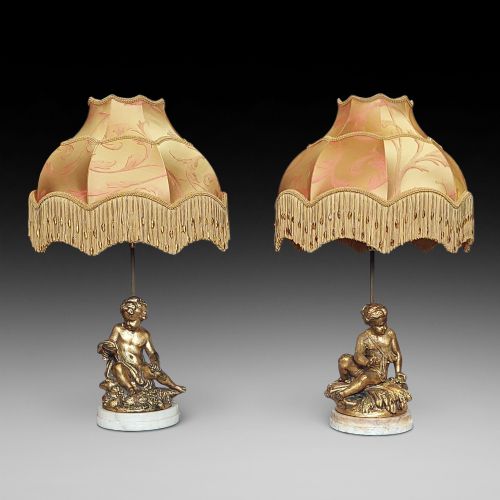
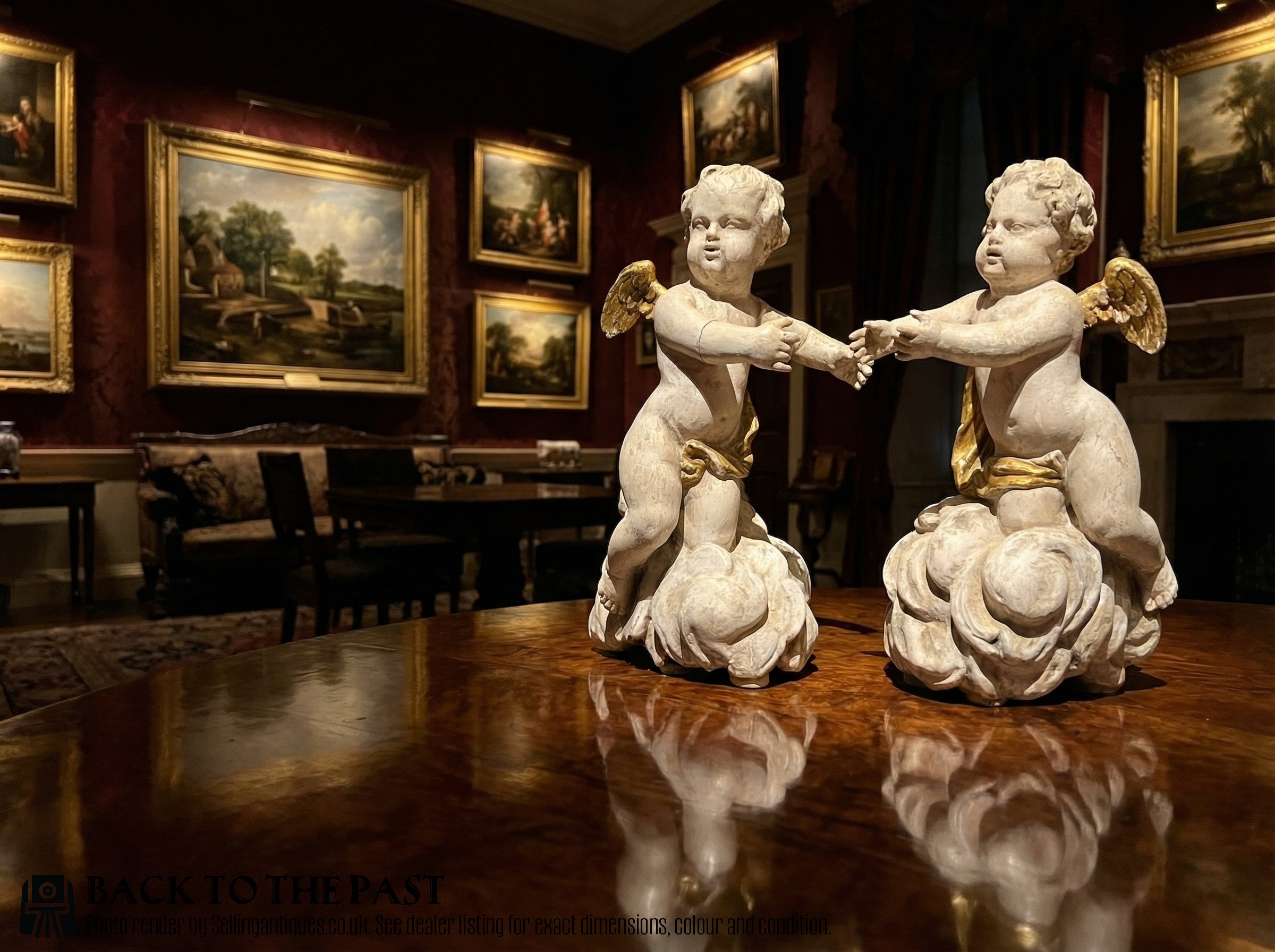
Italian baroque cherubs encompass carved wood sculptures, oil paintings, and giltwood wall brackets originating primarily from the seventeenth and eighteenth centuries, alongside later revival pieces. Buyers seeking these figures encounter winged putti rendered in dynamic poses, often integrated into architectural elements like torchiere bases and console tables.
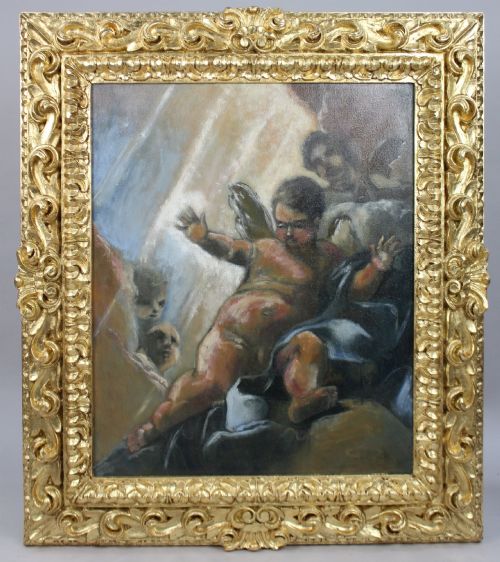
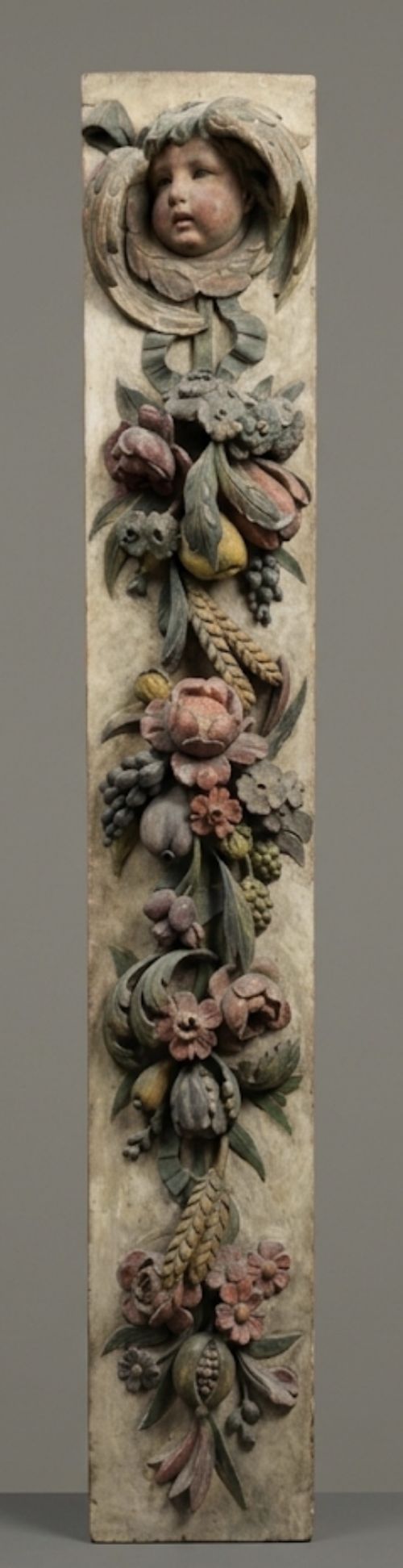
The selection on this page ranges from authentic seventeenth-century walnut carvings and polychrome panels to nineteenth-century revival statues and twentieth-century giltwood wall lights. Architectural supports and devotional oil paintings featuring winged figures form the core of the available forms.
Materials and technique
Canvas paintings employ oil pigments applied by hand, frequently set within carved giltwood frames that echo the sculptural ornamentation of the matching figures. Giltwood and silvered surfaces receive thin metal leaf layers over preparatory grounds to catch ambient light.
The documented object types include wall brackets, console tables, torchiere bases, and oil paintings depicting cherubic figures.
Gradations of quality
Depth of carving and anatomical definition separate standard decorative items from superior sculptural works, with finer pieces displaying expressive musculature and nuanced facial modelling rather than rigid symmetry. The crispness of the gesso preparation beneath the gold leaf dictates how sharply light defines the carved details.
Original polychrome and gilt surfaces retain a depth of patina that distinguishes period execution from later repaint or heavy restoration. The integration of the cherubic figures into functional objects, such as wall brackets or torchiere bases, reveals the maker's structural harmony.
Angiolo Barbetti Firenze·Orsola Maddalena Caccia
The Italian Baroque Cherubs Glossary
- Putto
- A representation of a human infant, usually winged, common in classical and baroque art. These figures appear frequently as attendants in religious and secular compositions.
- Giltwood
- Timber treated with gold leaf or powder over a gesso ground. This finish provides a reflective surface that enhances baroque ornamentation.
- Polychrome
- Painted in several colours. This surface treatment brings lifelike hues to carved wooden panels and sculptural figures.
- Torchiere
- A tall stand or ornamental candlestick base. In this context, they often incorporate carved wooden putti supporting lighting fixtures.
Italian Baroque Cherubs: Frequently Asked Questions
What distinguishes genuine period carvings?
Genuine period pieces display tool marks appropriate to manual working methods and natural timber ageing beneath the gesso and paint layers. Hand applied gold leaf and traditional preparation grounds show subtle variations across the surface.
Later revival items often present more uniform patination and machine processed backing timber. Examining the interface between the carved figure and its mount reveals construction practices of the era.
How were these wooden figures used?
Carved cherubs and putti served primarily as decorative architectural supports, adorning console tables, wall brackets, and mirror frames. Many functioned as religious art within church interiors or domestic chapels.
Others formed parts of lighting apparatuses, including wall lights and torchiere bases designed to illuminate grand spaces. Their theatrical poses were intended to draw the eye upward along walls and altars.
How should I care for giltwood surfaces?
Giltwood requires protection from direct sunlight and high humidity to prevent the underlying gesso and gold leaf from cracking or lifting. Dusting should occur gently with a soft, dry brush without applying moisture or cleaning agents.
Avoid placing these items near active heat sources that dry out the ancient timber beneath the metallic leaf. Stable environmental conditions preserve the original gilding and polychrome layers.
Are these pieces purely decorative?
While many items function as wall brackets, mirrors, and lighting fixtures, they carry significant art historical context rooted in seventeenth and eighteenth century Italian workshops. Paintings and panels depict religious narratives and devotional subjects alongside architectural ornament.
Collectors appreciate both their sculptural presence and their role within historical interior design traditions. Their varied forms reflect changing tastes across the baroque and revival periods.