



Rococo Wood Carvings
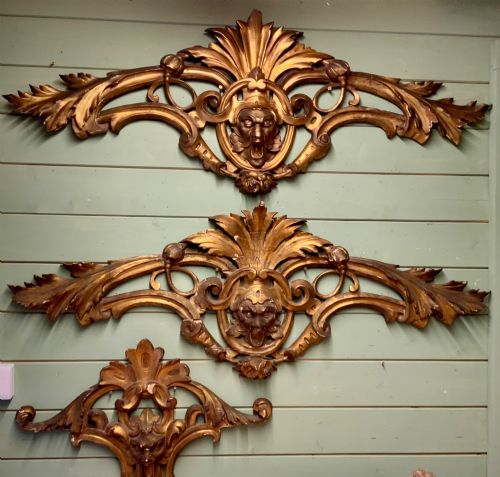
These rococo wood carvings combine fluid asymmetrical curves and organic motifs, bringing exceptional decorative depth to period interiors.
Rococo Wood Carvings
Rococo wood carvings capture the ornate aesthetic of the eighteenth century, encompassing architectural fragments, wall mirrors, and sculptural figures. Buyers exploring this phrase will frequently encounter eighteenth and nineteenth century items shaped by baroque and neoclassical influences.
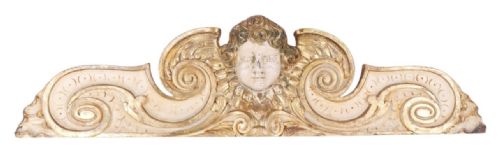
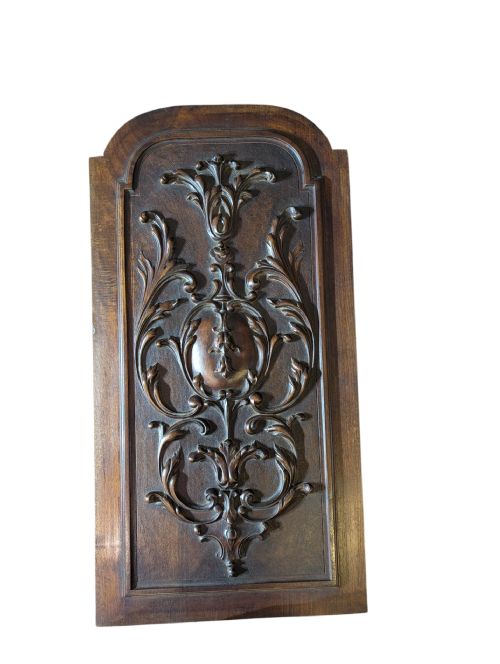
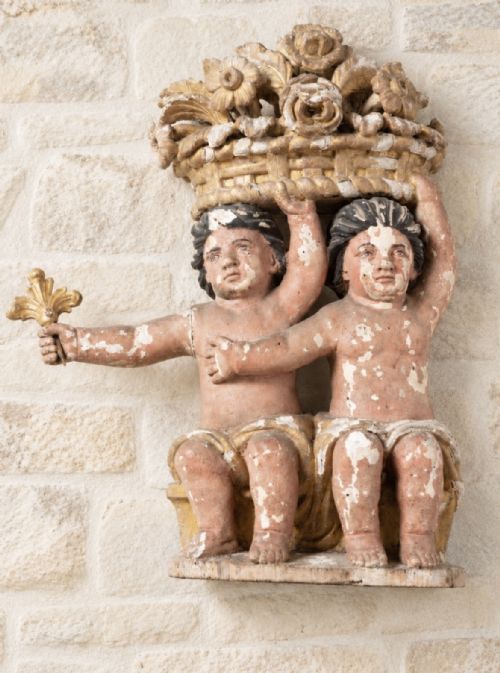
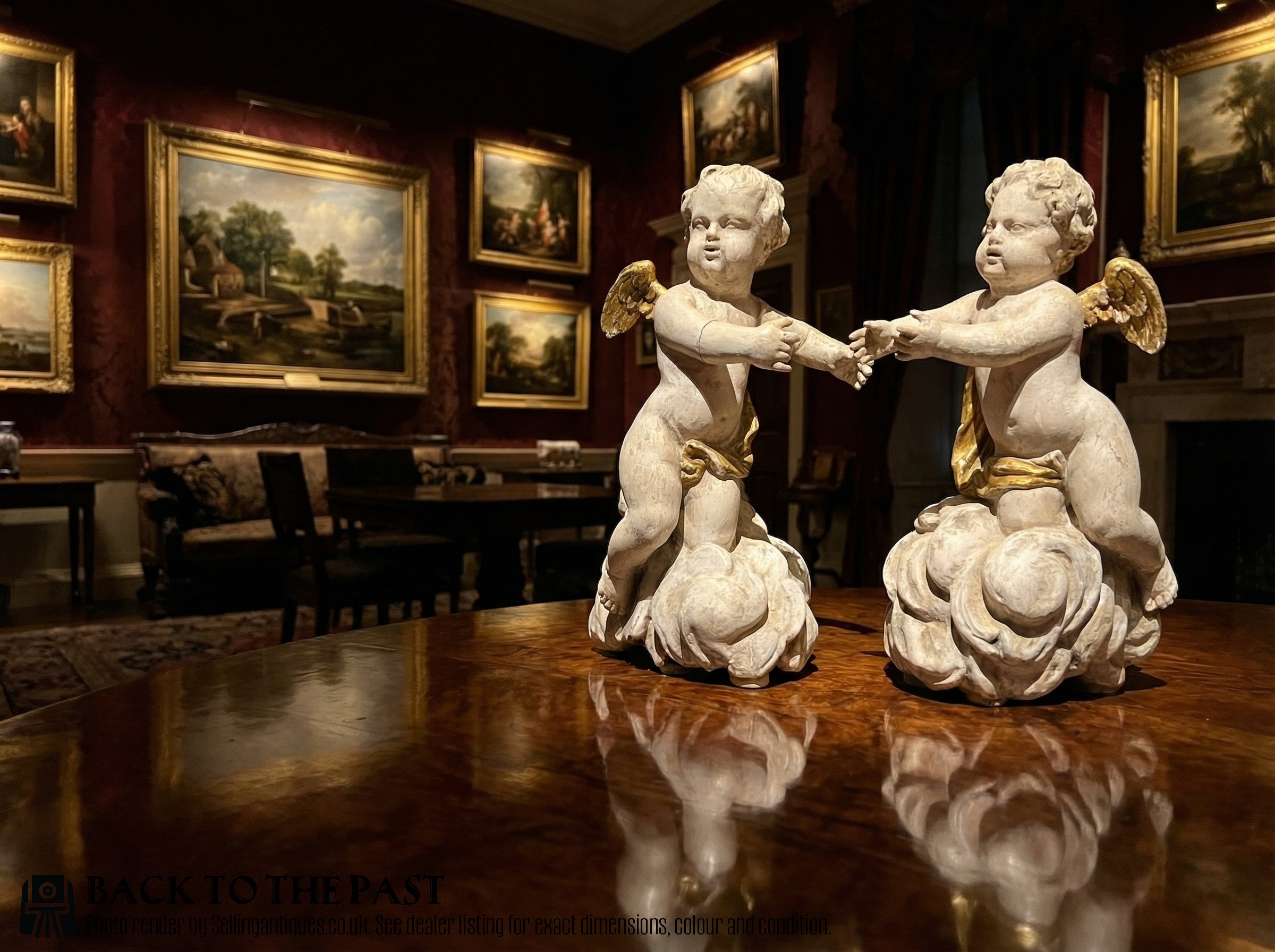
The selection ranges from architectural salvage and carved panels to pairs of putti on clouds, cherub heads, and giltwood appliqués. Limewood and walnut form the primary wooden substrates, often enhanced by gesso, gold leaf, and polychrome paint.
Many surviving examples reflect the distinct stylistic vocabulary of French rococo and Thomas Chippendale designs. These pieces serve primarily as decorative carvings and wall sculptures for period room schemes.
How they were made
The creation of these decorative works relies on skilled hand carving in woods such as limewood and walnut, which allow for deep undercut relief and intricate botanical or figural detail. Artisans shape sculptural elements like cherubs and putti before applying surface treatments.
Surfaces receive layers of gesso to smooth the wood grain and prepare the ground for subsequent gilding with gold leaf. Alternatively, some pieces display polychrome paint to accentuate figurative details.
Rococo Wood Carvings Retail Price Guide 2026
Typical asking prices for rococo wood carvings among the pieces listed under this phrase on Sellingantiques today, from the lower quarter to the upper quarter. They describe what is for sale here now, not the wider market.
Cloud-borne putti frequently peer down from eighteenth-century ceilings and walls, bringing a perpetually startled heavenly presence to domestic spaces.
What varies in quality
The distinction between tiers of work rests on the depth and fluidity of the hand carving itself, particularly in complex figural subjects like cherubs and noble busts. Superior examples display anatomical precision and crisp relief that capture organic movement without stiffness.
The application of surface finishes further separates standard examples from exceptional ones, notably the brilliance and preservation of gold leaf over gesso grounds. Finer items maintain their original polychrome paint or gilding with minimal disruption to the underlying wood.
The Rococo Wood Carvings Glossary
- Giltwood
- Wood that has been coated with gold leaf. This surface treatment was widely applied to mirrors and decorative wall ornaments during the eighteenth century.
- Gesso
- A plaster mixture applied to wood as a base for gilding or painting. It provides a smooth foundation for intricate carved details.
- Polychrome
- Painted in several colours. This finish frequently appears on figural carvings such as putti and sculptural panels.
- Chippendale
- A style of eighteenth-century English furniture and ornamentation characterised by ornate carving and rococo influences. It is represented here by finely worked limewood pieces.
Rococo Wood Carvings: Frequently Asked Questions
How were these carvings used originally?
These pieces functioned primarily as architectural embellishments, mounted over doors, along walls, or integrated into elaborate picture frames and mirrors within wealthy residences.
Smaller figural works and panels served as standalone decorative items or applied ornaments that enhanced domestic interior architecture.
What woods were used for rococo carvings?
Limewood and walnut appear frequently in these works, chosen by carvers for their fine grain and suitability for intricate, deep relief carving.
Other items utilise general wood bases that support gesso and gold leaf applications.
How do I identify eighteenth century pieces?
Eighteenth-century examples often display the characteristic asymmetry, C-scrolls, and naturalistic figuration associated with the height of the movement.
Material indicators such as traditional gesso grounds and genuine gold leaf also help distinguish period work from later nineteenth-century interpretations.
How do I care for giltwood carvings?
These surfaces require a stable indoor environment away from direct sunlight and moisture to prevent the gesso and gold leaf from flaking.
Dusting should be performed gently with a soft brush, avoiding any liquid cleaners or abrasive cloths.