
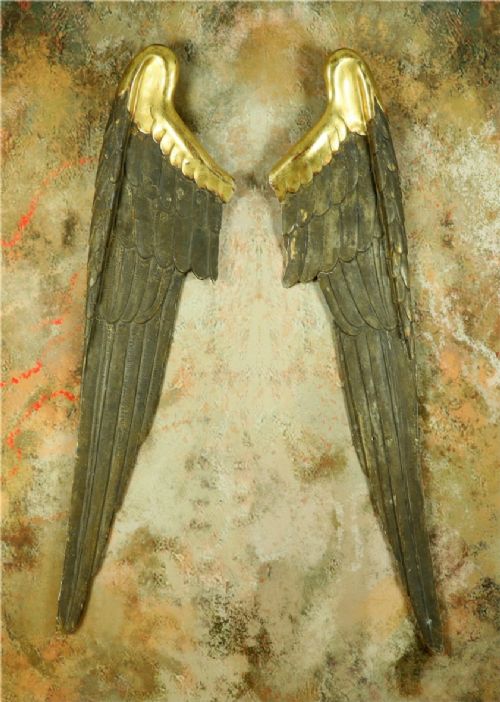
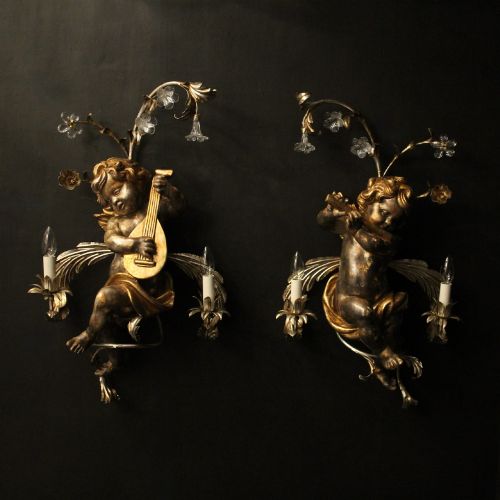
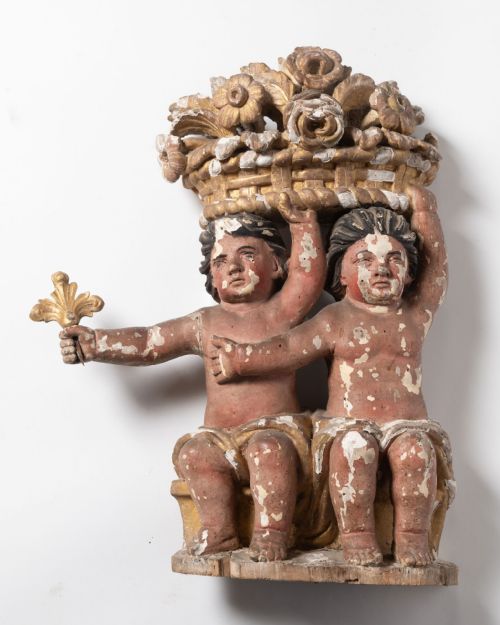


Gilded Wood Angels
Gilded wood angels bring celestial drama to a room, carved from timber and coated in luminous gold leaf.
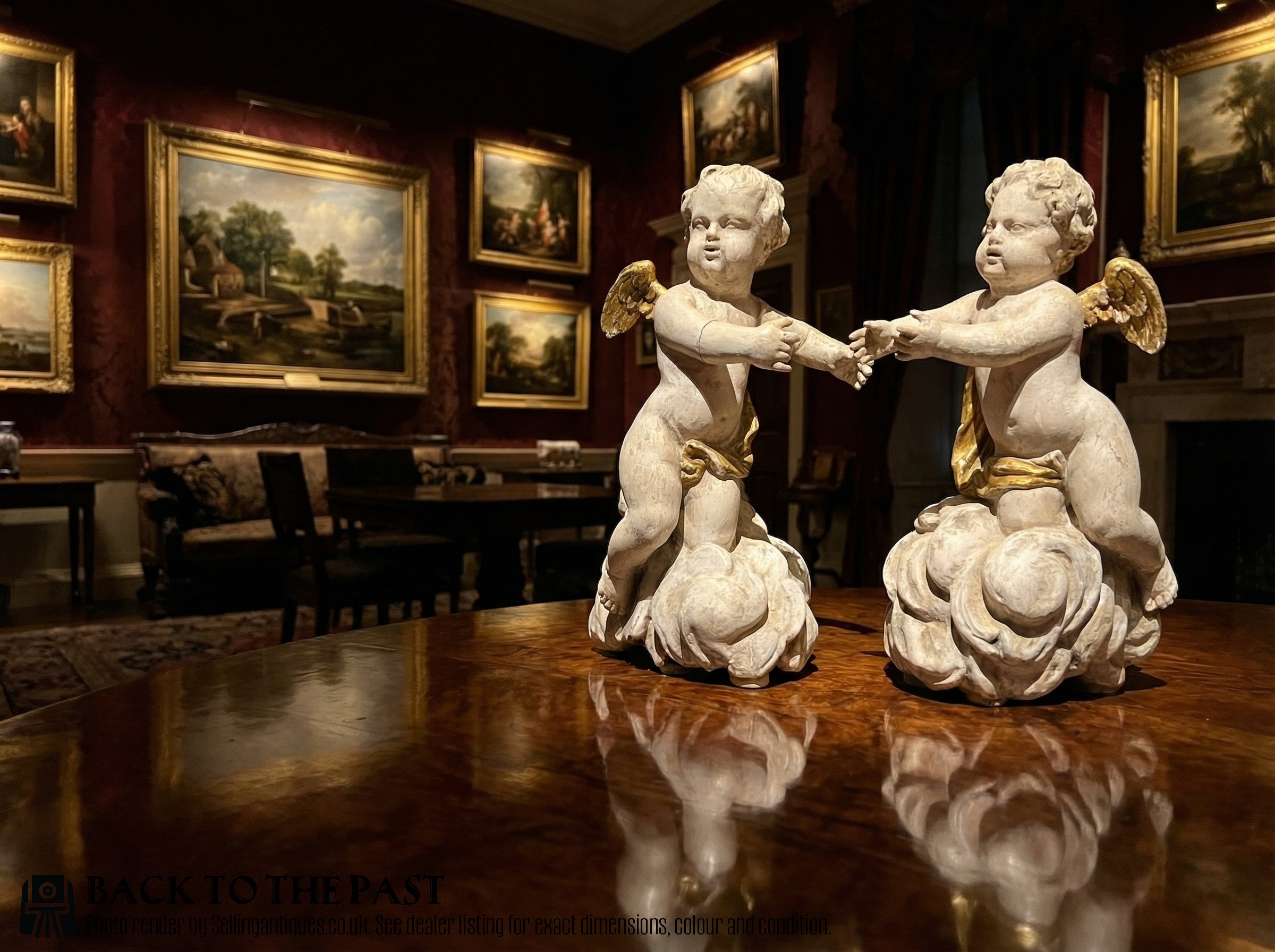
Gilded Wood Angels
Gilded wood angels encompass carved figures, wall panels, and twin arm wall lights produced across the seventeenth, eighteenth, and nineteenth centuries. Buyers searching for gilded wood angels encounter winged cherubs, putti on clouds, and architectural fragments originating primarily from Italian and French workshops.
The objects take many functional forms, including altar figures, wall sculptures, and decorative brackets. Pieces range from full devotional sculptures to isolated cherub heads and architectural panels finished in gold gilt or polychrome paint.
Materials and construction methods
Artisans carved these figures directly from solid timber before applying a layer of gesso to prepare the surface for gilding. Sheets of gold leaf were then laid over the prepared wood to create a brilliant metallic sheen.
Listings feature items from the seventeenth, eighteenth, and nineteenth centuries, utilising carved wood, gesso, gold leaf, and polychrome paint.
Assessing craftsmanship and finish
The integrity of the original gesso and gold leaf surface determines the visual impact of an object. Patina accumulated across centuries enhances the texture of the carved wood underneath, whereas heavy modern interventions obscure the hand of the maker.
The Gilded Wood Angels Glossary
- Giltwood
- Timber coated with gold leaf or gold powder applied over a prepared ground. This finish provides the characteristic metallic brilliance seen on antique church furnishings and wall decor.
- Gesso
- A plaster mixture applied to carved wood to create a smooth surface for gilding or painting. It holds crisp detail and provides the bright white foundation beneath gold leaf.
- Putto
- A plump, naked male child figure frequently depicted in Renaissance and Baroque art. In religious carvings, these figures represent cherubs or angels.
- Polychrome
- Decorated in multiple colours. This technique is often combined with gilding on wooden sculptures to render garments and flesh tones realistically.
Gilded Wood Angels: Frequently Asked Questions
How were gilded wood angels used originally?
These carvings served primarily as devotional items within churches and domestic chapels, often flanking altars or integrated into larger architectural woodwork. Many functioned as religious sculptures or wall lights to illuminate sacred spaces.
Over time, secular interiors also adopted them as decorative wall panels and brackets. Their presence added theatrical flair and spiritual grandeur to private residences.
What periods do these carvings come from?
The available pieces span several centuries, with examples originating from the seventeenth, eighteenth, and nineteenth centuries. Seventeenth-century works often reflect dramatic Italian Baroque styles.
Later pieces from the nineteenth century frequently revive earlier Baroque and Gothic aesthetics. Dates range from specific years like seventeen hundred up to nineteen hundred and thirty for later revival lighting pieces.
How do I hang a heavy wooden wall sculpture?
Wall sculptures and panels require secure mounting into solid wall studs or appropriate masonry fixings to support the weight of the timber and gesso. Professional assessment of the hanging hardware on the reverse of the panel is essential.
Consider the projection of pieces like twin arm wall lights or brackets when choosing a location. Placing them at eye level or above furniture protects them from accidental bumps in busy walkways.