


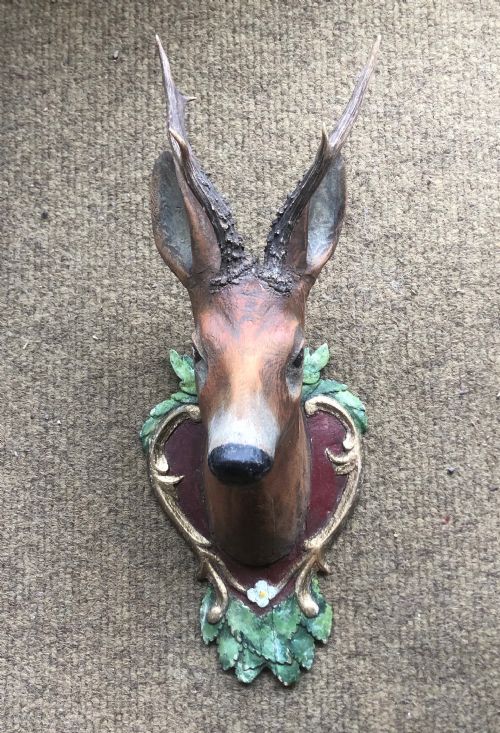
Mounted Wooden Head Sculpture
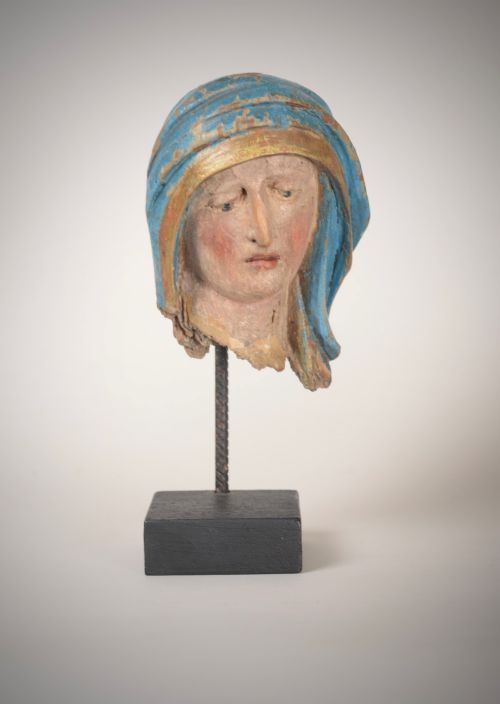
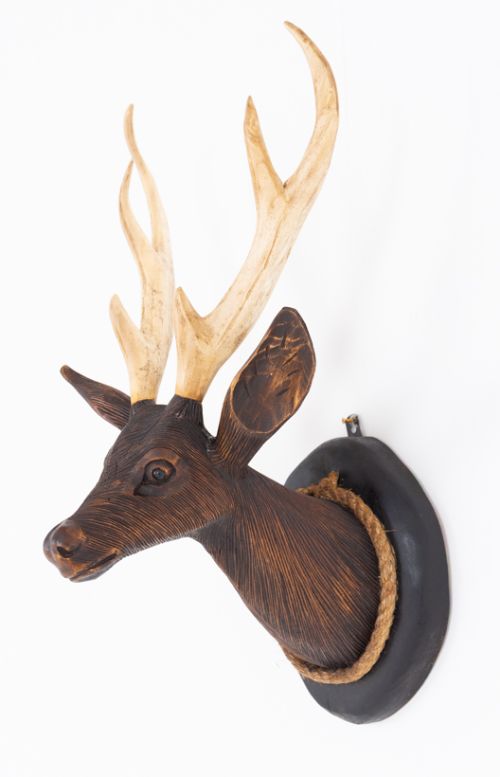
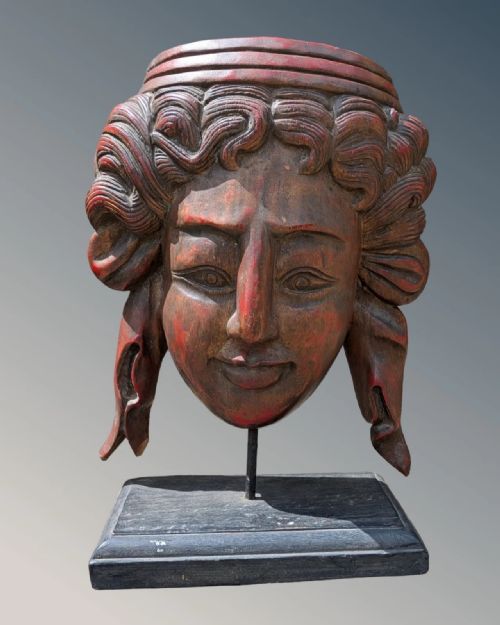
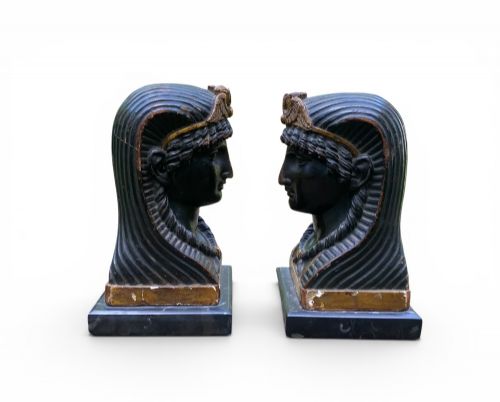
These mounted wooden head sculpture examples bring carved walnut, polychrome finish, and gilded detail straight to the wall.
Mounted Wooden Head Sculpture
A mounted wooden head sculpture takes the form of carved animal masks, human fragments, cherubs, and architectural salvage designed for display on a wall. When you search for a mounted wooden head sculpture, you encounter diverse regional traditions ranging from Black Forest animal carvings to Italian religious fragments and Scandinavian folk art. The selection spans the seventeenth, eighteenth, and nineteenth centuries, offering both naturalistic walnut beasts and painted wooden masks.
Most pieces on this page lean towards decorative animal forms, including stags, lions, and deer with antlers, alongside architectural elements like sphinxes and cherub heads. These items function primarily as wall sculptures, bringing historical craft and texture directly into interior spaces without occupying floor area. They originate from workshops across Britain, continental Europe, and South East Asia, reflecting varied local aesthetic priorities.
Materials and construction methods
Carvers shaped these sculptures predominantly from solid woods such as walnut, utilising manual chisels and gouges to establish musculature, facial expressions, and anatomical contours. The reliance on timber meant makers had to select blanks with suitable grain patterns to withstand intricate undercutting, particularly on manes, antlers, and feathered details.
Listings feature items from the seventeenth, eighteenth, and nineteenth centuries, utilising carved wood, paint, gesso, metal, walnut, and gold leaf.
Distinctions in craftsmanship and preservation
The degree of anatomical precision and sculptural fluency distinguishes superior carving from simpler regional output. Master carvers achieved convincing tension in animal sinews and facial expressions, whereas lesser examples rely on stiff symmetry and generalized forms.
The survival of original surface finishes, such as early polychrome paint, gesso, and gilding, determines the integrity of a piece. Retaining these historic layers without excessive modern repainting preserves the authentic character and visual weight of the sculpture.
The Mounted Wooden Head Sculpture Glossary
- Gesso
- A plaster mix applied to wood as a smooth base for gilding or painting. It creates a crisp surface that holds fine decorative detail.
- Giltwood
- Timber decorated with thin sheets of gold leaf over a prepared ground. This finish catches candlelight and adds rich texture to architectural ornaments.
- Architectural salvage
- Elements rescued from dismantled buildings for decorative reuse. These fragments often find new life as wall-mounted displays.
- Black Forest style
- Carved wooden items originating from the wooded mountain region of central Europe, famous for realistic animal depictions. Stags, bears, and lions dominate this decorative tradition.
Mounted Wooden Head Sculpture: Frequently Asked Questions
How do I hang a heavy wooden head?
These sculptures require sturdy wall anchors or direct fixing into timber studs due to the weight of dense hardwoods like walnut. Many pieces incorporate original iron brackets or rear mounting plates designed for secure installation.
Professional hanging ensures the sculpture remains flush against the wall without straining historical wood joints or old fixing points.
Are these sculptures meant for outdoor display?
Historical wooden sculptures are strictly intended for interior environments where humidity and temperature remain stable. Exposure to dampness or direct sunlight causes historic timber to split, warp, and active paint layers to flake.
Keeping them away from radiators and moisture preserves the original gesso, paint, and walnut body for future decades.
How do I clean an antique wooden sculpture?
Dusting with a dry, soft bristle brush or a clean microfiber cloth prevents dirt accumulation without introducing moisture. Avoid chemical cleaning agents, water, or furniture polishes that damage aged gesso and nineteenth-century polychrome surfaces.
Gentle maintenance protects the delicate patination and prevents unintended stripping of original pigment or gold leaf.
What defines Black Forest carvings?
Black Forest carvings are characterised by highly naturalistic depictions of animals, particularly stags, bears, and dogs, rendered in deep relief or full round. The style emerged from nineteenth-century Swiss and German workshops specialising in rustic timber furnishings.
These pieces emphasise lifelike textures, glass eyes, and intricate antler assemblies that celebrate alpine wildlife and forestry.