




Antique Italian Pottery
Antique italian pottery brings centuries of painted tin-glazed earthenware and terracotta into the home, offering striking colour and historic forms.
Antique Italian Pottery
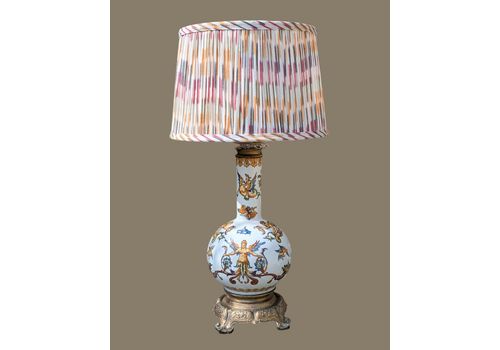
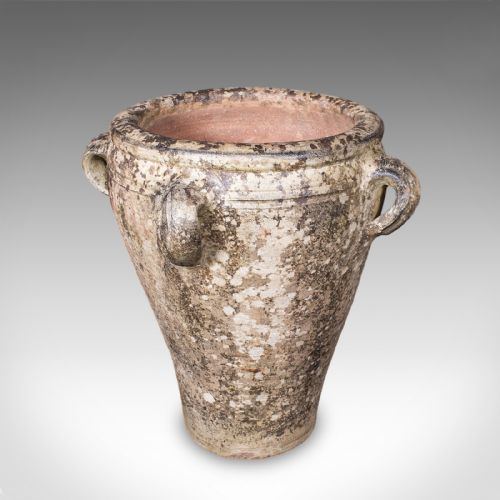
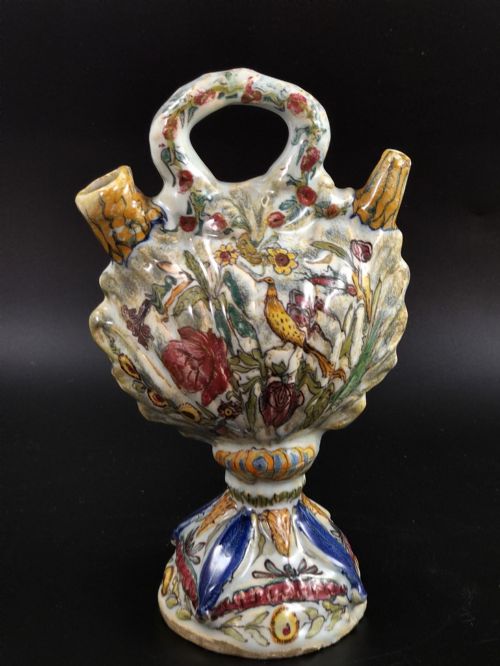
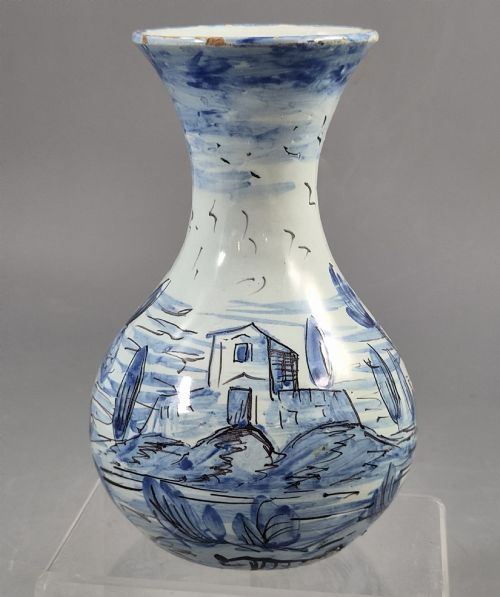
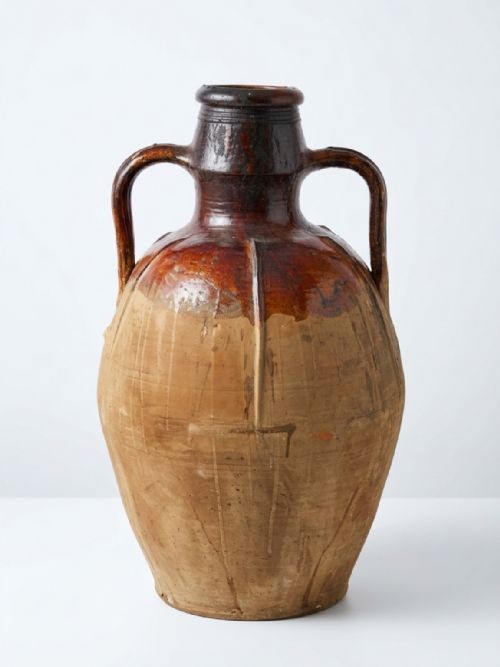
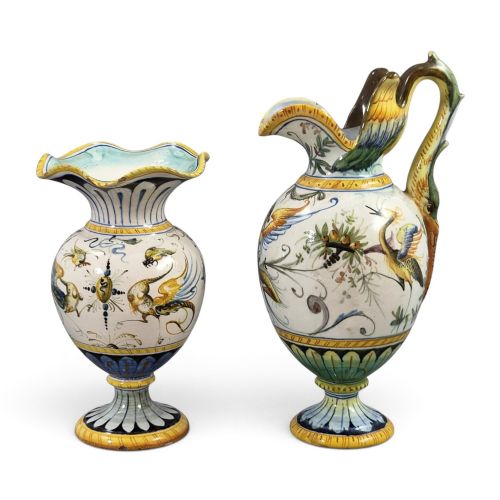
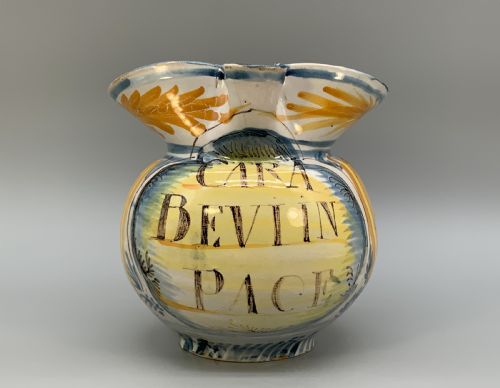
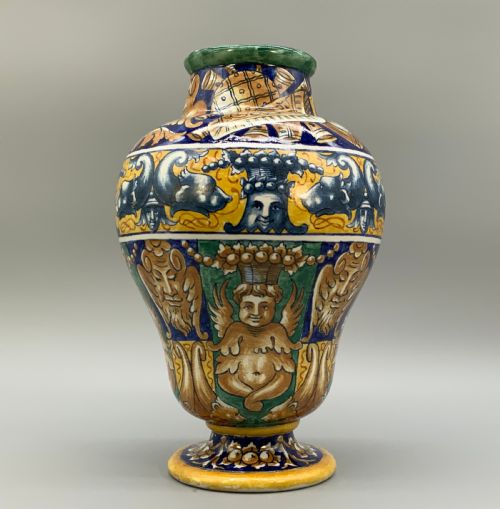
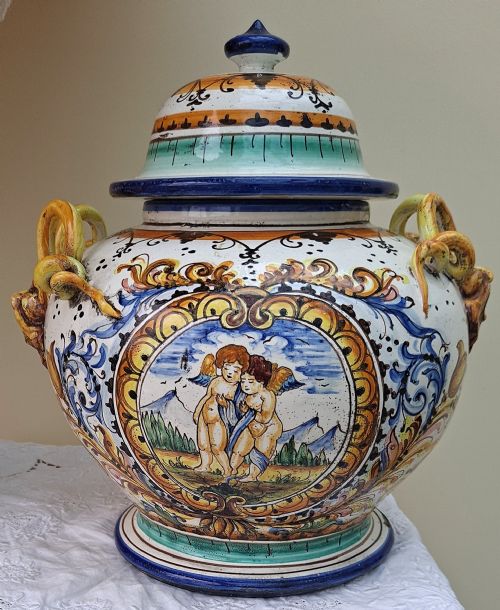
When you search for antique italian pottery, you encounter a varied selection of vessels, chargers, and figures spanning several centuries. The domestic and display objects range from pharmaceutical albarelli and pilgrim flasks to large decorative chargers and garden jars.
The material record includes pieces shaped from terracotta and finished with tin glaze, alongside later ceramic developments. Styles draw heavily upon historic revivals, notably the Renaissance and Baroque periods, as well as distinct regional traditions.
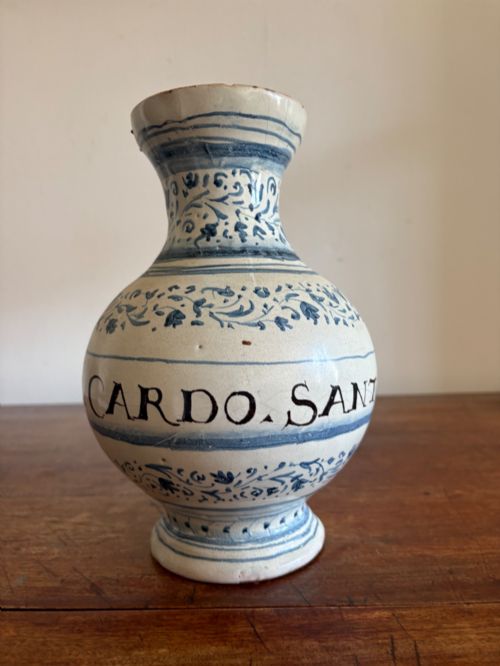
Pharmacy jars and apothecary vessels appear frequently alongside grand display pieces like centrepiece bowls and wall art. These forms reflect both practical medicinal uses and the decorative ambitions of Italian workshops.
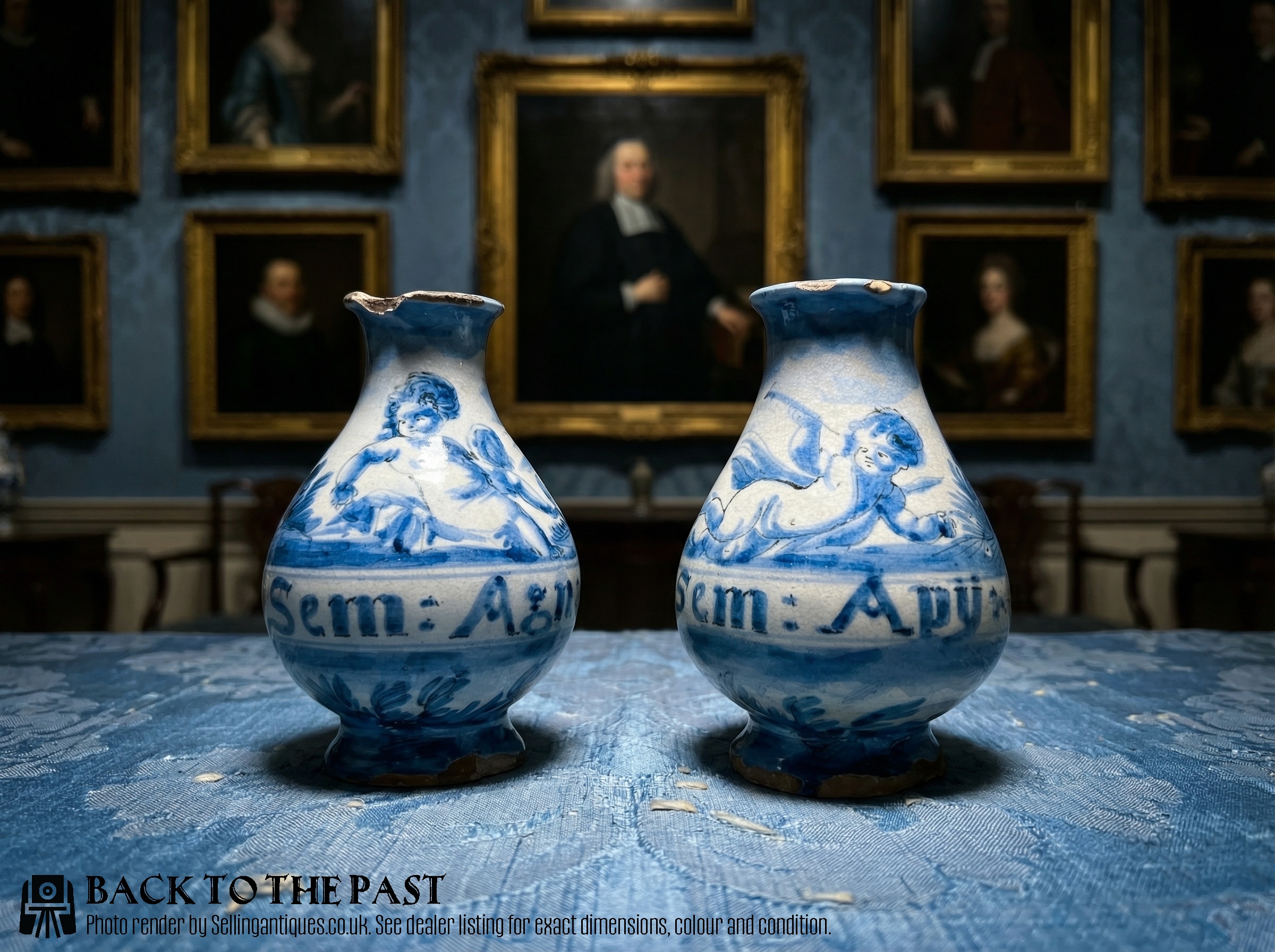
How they were made
Makers shaped local clays into earthenware and terracotta bodies before applying an opaque tin glaze to create a white canvas for painting. Pigments were brushed directly onto the unfired or raw glaze, absorbing into the surface during the kiln firing.
Polychrome palettes utilised minerals such as manganese and yellow alongside traditional blue and white painting. This pigment application required a steady hand, as the porous glaze absorbed colour instantly without room for correction.
Antique Italian Pottery Retail Price Guide 2026
Typical asking prices for italian pottery among the pieces listed under this phrase on Sellingantiques today, from the lower quarter to the upper quarter. They describe what is for sale here now, not the wider market.
A pottery fish group by Guido Cacciapuoti swims across the wooden base, proving Italian artisans loved whimsical marine life just as much as grand vases.
What varies in quality
The distinction between standard production and superior work rests upon the precision of the hand-painted decoration and the harmony of the glaze. Master painters achieved fluid, confident brushwork that gave narrative scenes and floral motifs genuine vitality.
Form and proportion also define the better pieces, where thrown vessels maintain balanced contours and crisp architectural details. Firing success further separates the items, with cleaner surfaces and stable glazes marking out the more accomplished kiln output.
Cantagalli·Gallilleo Chini·Guido Cacciapuoti
The Antique Italian Pottery Glossary
- Albarello
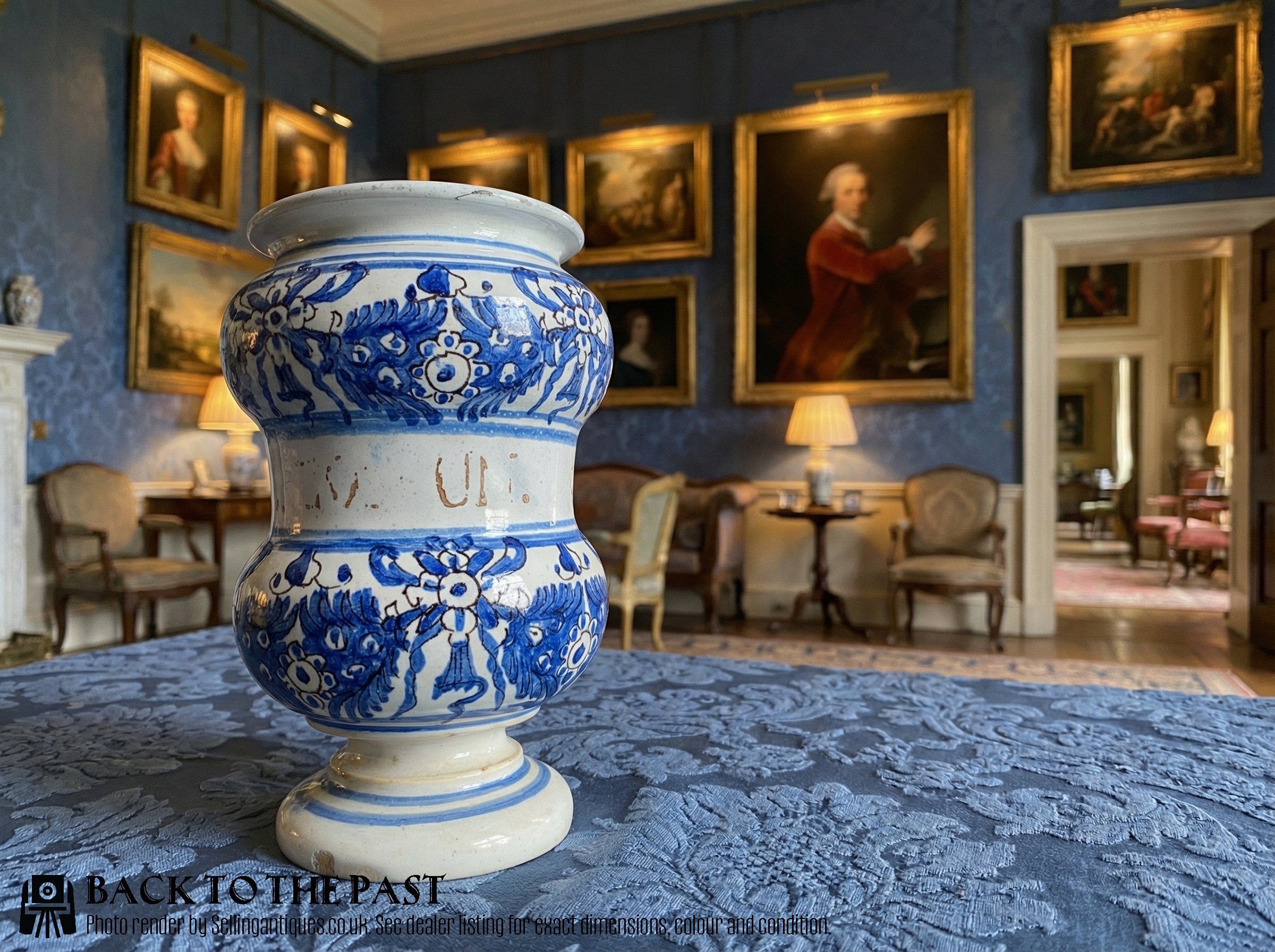
- A cylindrical earthenware jar used by apothecaries to store drugs and ointments. These vessels often feature waisted centres for a secure grip.
- Majolica
- Tin-glazed earthenware decorated with opaque metallic oxide colours on a white ground. The technique flourished across Italy during the Renaissance and later revivals.
- Pilgrim flask
- A flat-sided vessel with handles for suspension cord, historically carried on journeys. Decorative examples were made for display rather than travel.
- Charger
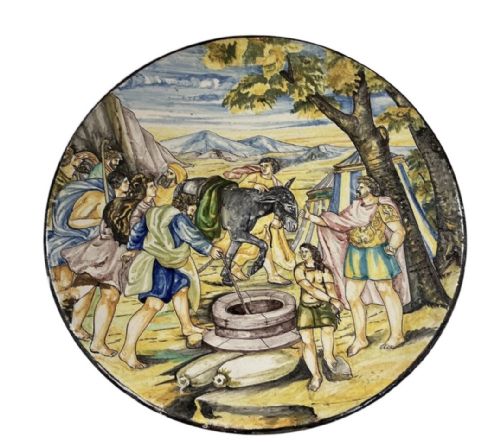
- A large ornamental plate designed for wall hanging or ceremonial display rather than dining. These pieces typically showcase complex painted narratives or heraldic motifs.
- Ewer
- A large jug with a wide spout and sculpted handle for pouring water. Italian examples often combine sculptural forms with intricate polychrome painting.
Antique Italian Pottery: Frequently Asked Questions
What is an albarello used for?
An albarello served as a cylindrical drug jar in historic pharmacies and apothecary shops. Apothecaries stored dried herbs, ointments, and liquid medicines inside these ceramic containers.
The distinctive waisted shape allowed pharmacists to grip the jars easily when stacked on crowded apothecary shelves. Many examples feature painted labels indicating their original pharmaceutical contents.
How do you display a charger?
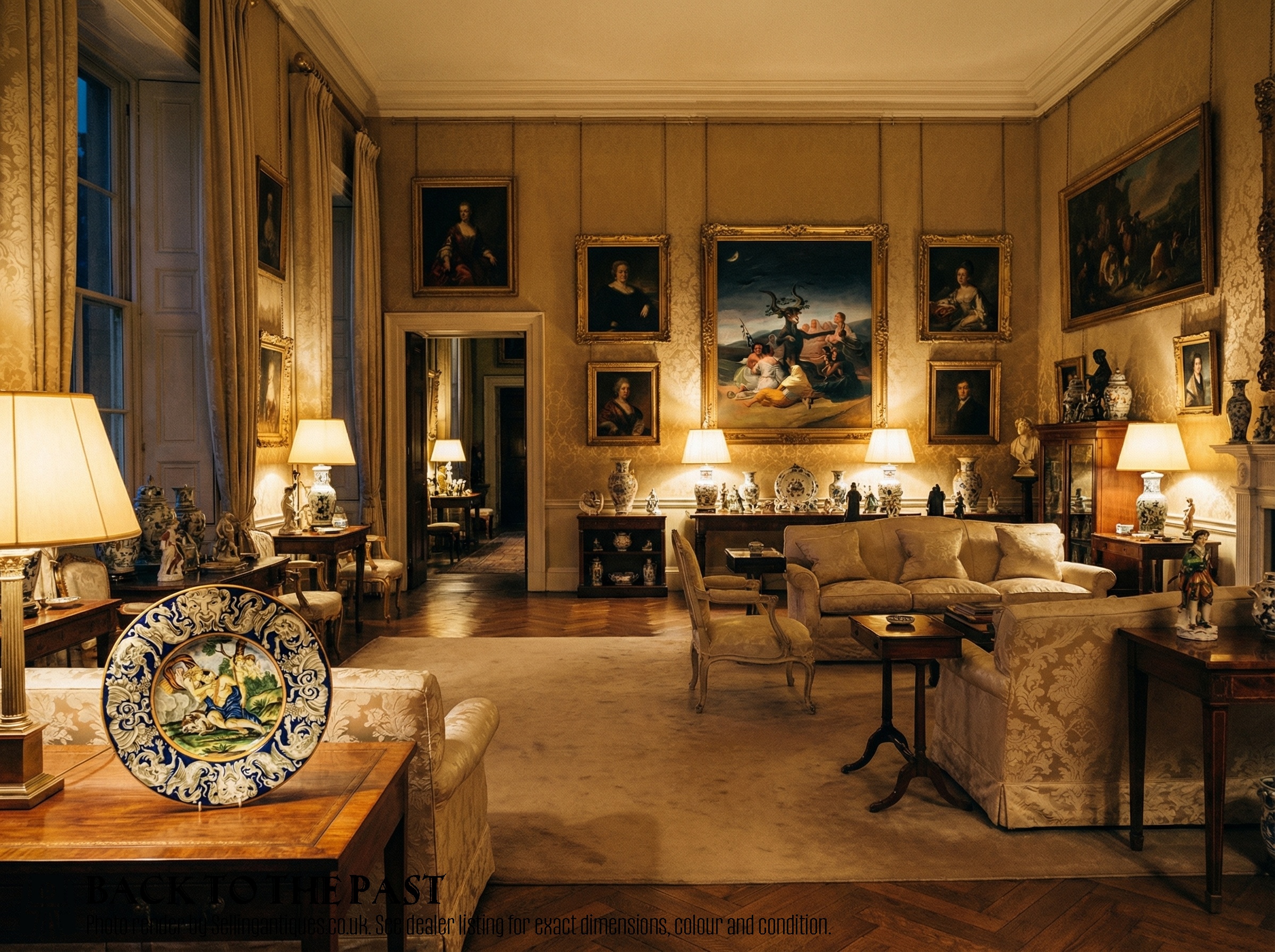
Chargers are large decorative plates designed primarily for visual display rather than table service. Historically, owners mounted these broad pieces on walls or set them on sideboard stands to showcase the painted surface.
When living with these items, ensure they are secured with appropriate wall brackets or stable plate stands. Position them away from direct sunlight to preserve the historic tin glaze and pigments.
What is majolica pottery?
Majolica is a form of earthenware covered with an opaque tin-lead glaze that fires to a brilliant white. Artisans painted detailed designs directly onto this absorbent surface using metallic oxide pigments before a final firing.
The technique originated in the medieval period and experienced major revivals during the nineteenth century. These later revival pieces often emulated the classic Renaissance styles and bright palettes of earlier workshops.
How can you tell the period?
Dating these ceramics relies on examining the clay body, the characteristics of the tin glaze, and the painting style. Earlier pieces from the seventeenth and eighteenth centuries show distinct raw clay bodies and traditional regional palettes.
Nineteenth-century revival pieces often display brighter, more uniform glazes and manufacturing marks associated with documented potteries. Comparing the decorative motifs to known historic periods helps clarify the exact era of production.