

Antique Italian Bronzes
Antique italian bronzes capture the classical inheritance of the peninsula, offering collectors miniature architectural ruins, mythological figures, and lighting designed for desks and salons.
Antique Italian Bronzes
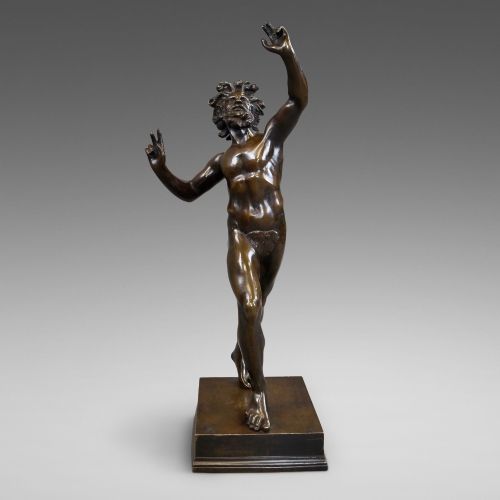
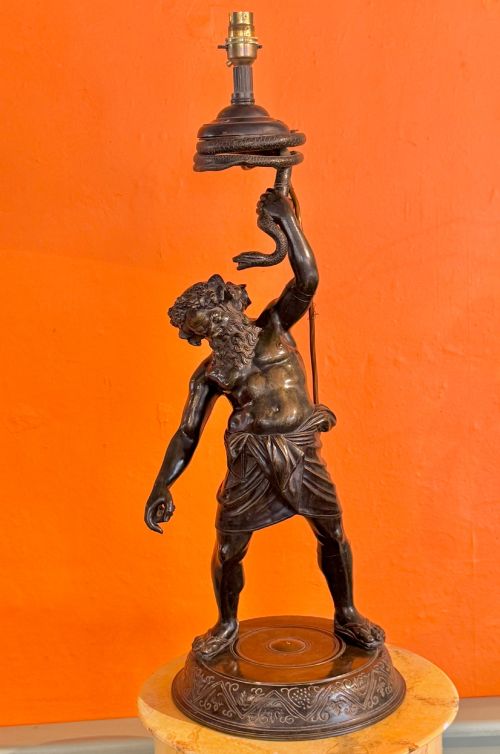
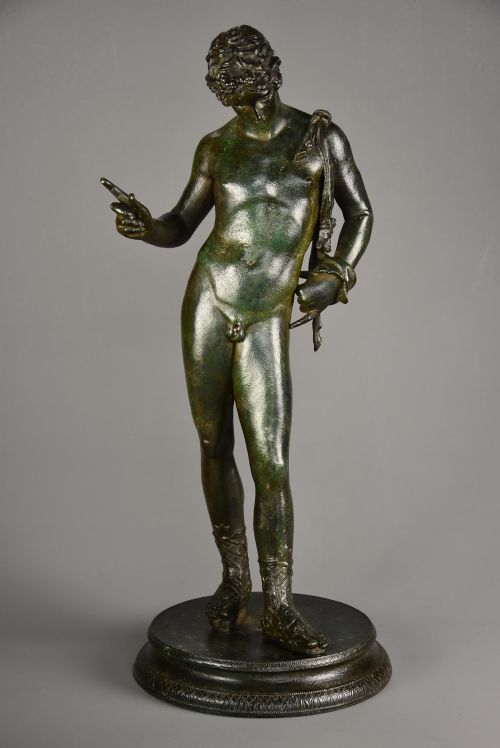
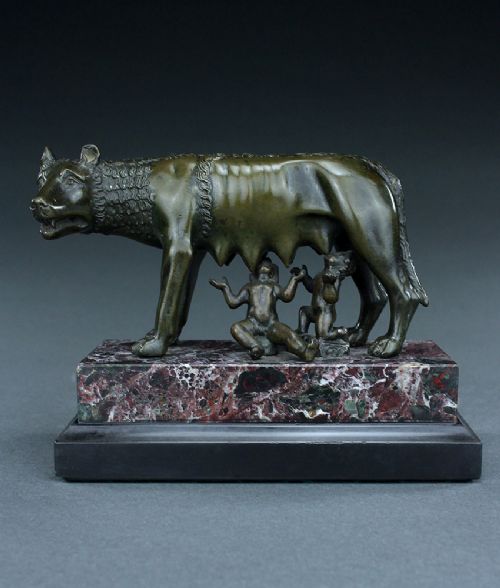
When you search for antique italian bronzes, you encounter a distinct category dominated by nineteenth-century Grand Tour souvenirs and domestic decorative objects. These pieces range from small-scale reductions of famous classical sculptures to functional items such as oil lamps, candlesticks, and wall sconces.
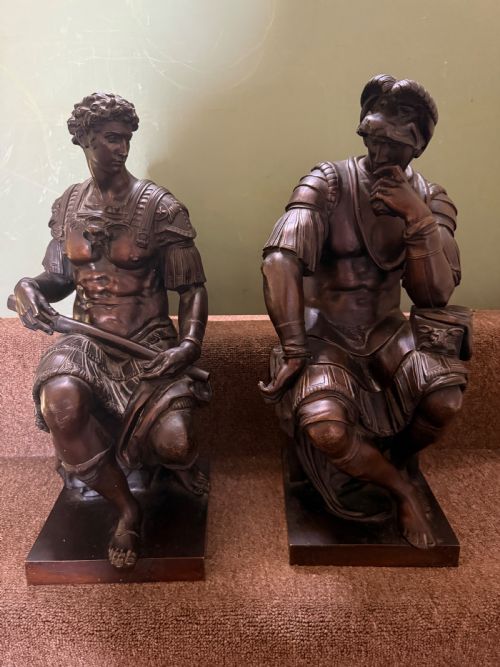
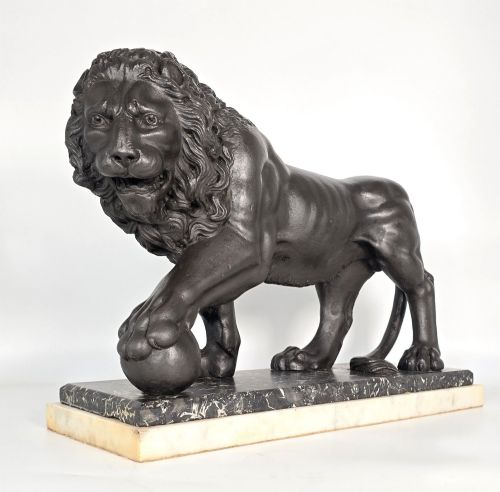
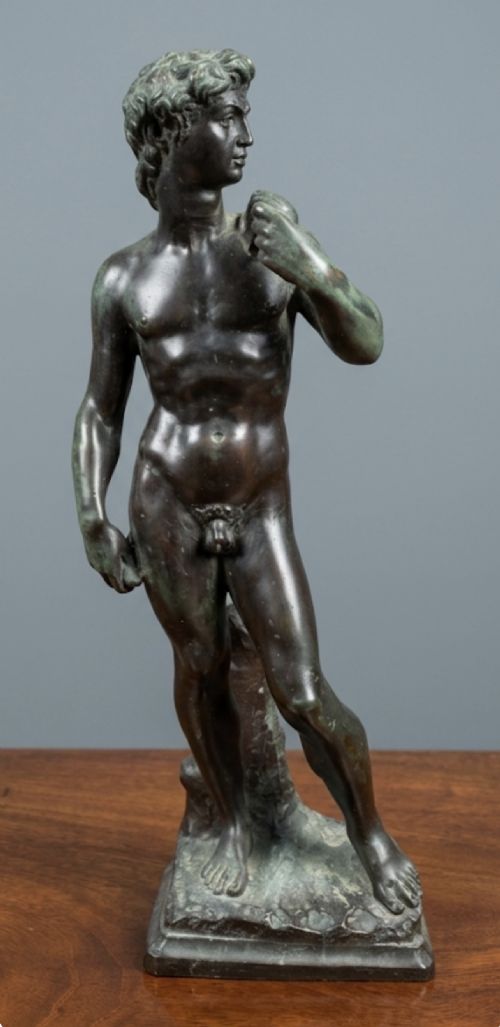
The nineteenth-century revival styles heavily influence the selection, bringing classical antiquity, Renaissance models, and Neoclassical taste into domestic interiors. Figures after Michelangelo and Giambologna sit alongside architectural models of Roman temples and architectural ruins.
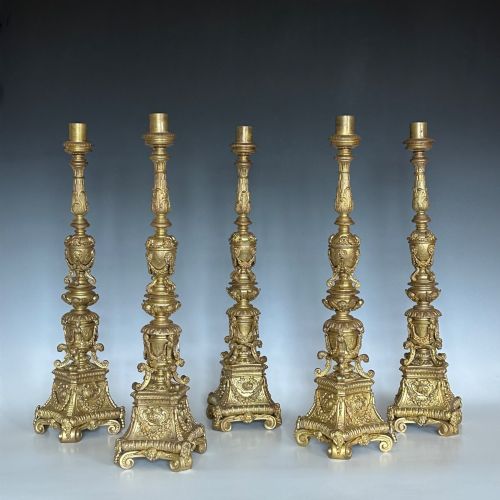
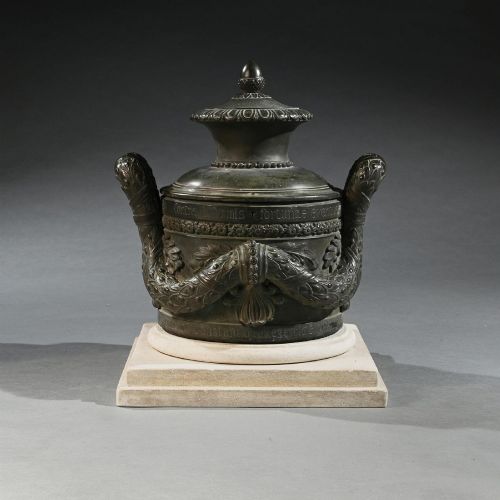
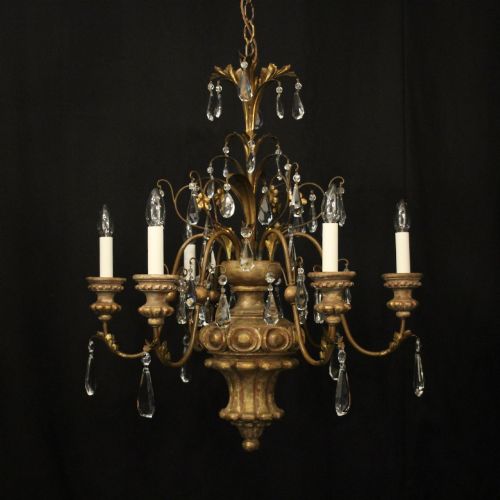
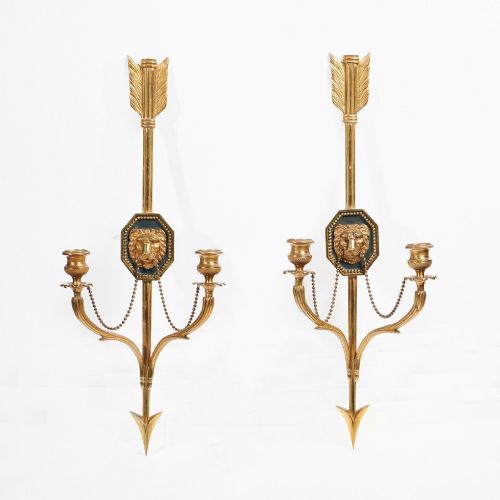
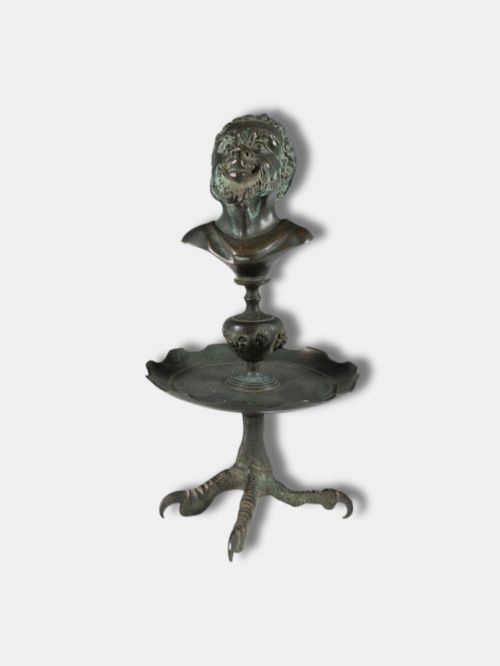
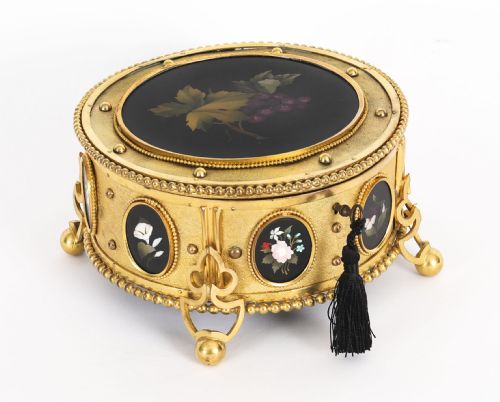
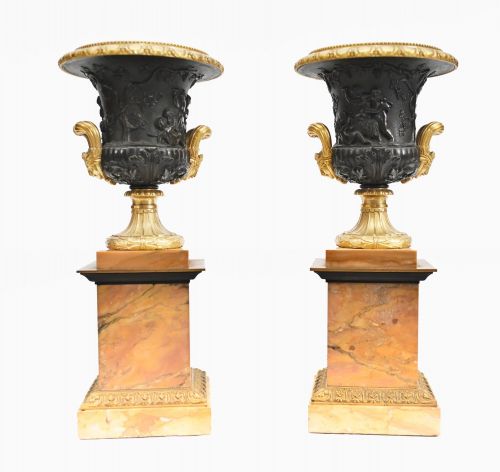
Beyond standalone sculptures, the listings include utilitarian items cast in bronze, brass, and ormolu. Garniture sets, jewellery caskets inset with pietra dura, and decorative urns demonstrate the transition of bronze casting from monumental public art to tabletop ornamentation.
Materials and casting methods
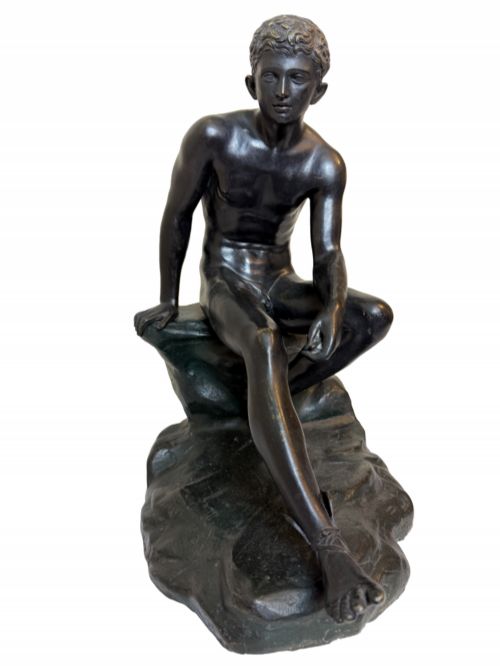
The physical construction of these objects relies heavily on traditional casting techniques applied to copper alloys, resulting in solid or hollow bronzes with varied treatments. Artisans applied chemical patination, ranging from dark green to polished dark brown, to simulate age or highlight the musculature of figural subjects.
Ormolu and gilt bronze feature prominently in decorative lighting and garnitures, utilising mercury gilding or modern electroplating to achieve a bright, reflective golden surface. Combinations with contrasting materials such as white marble plinths, onyx, and olive wood provide stable bases for top-heavy figures and architectural models.
Collectors can acquire miniature bronze models of ancient temple ruins designed to fit comfortably on a Victorian library desk.
Judging the execution
The quality of the mountings and the integration of secondary materials also differentiate the works. Master founders ensured that marble plinths, ormolu mounts, and patinated surfaces formed a cohesive whole without visible seams or awkward proportions.
G Amodio Naples·Luigi Secchi·Giuseppe Moretti
The Antique Italian Bronzes Glossary
- Grand tour
- A nineteenth-century tradition where wealthy travellers collected souvenirs of classical art and architecture in Italy. These miniature bronzes served as portable reminders of educational journeys across Rome, Naples, and Florence.
- Patination
- The chemical or natural coloration applied to the surface of the bronze. Artisans controlled the tones to evoke ancient burial or to enhance the sculptural contours.
- Ormolu
- Finely ground high-carat gold applied to a bronze base metal. This technique creates a rich golden finish frequently found on nineteenth-century French Empire and Italian revival lighting.
- Campana
- A classical bell-shaped form adopted for decorative urns and vases. Originating in antiquity, this profile reappeared frequently in Neoclassical revival metalwork.
- Pietra dura
- An artistic technique using cut and fitted inlaid semi-precious stones to create pictorial designs. Italian craftsmen often incorporated these stone panels into bronze jewellery caskets and cabinet pieces.
Antique Italian Bronzes: Frequently Asked Questions
What are Grand Tour bronzes?
Grand Tour bronzes are miniature sculptures and architectural models produced in Italy during the eighteenth and nineteenth centuries. Travellers purchased them as educational mementos of classical antiquity.
These pieces typically replicate famous statues found in Italian museums or archaeological sites such as Pompeii and Rome.
How do I care for antique bronze?
Antique bronze requires minimal intervention to preserve its original patination and historical surface. Dusting with a soft, dry cloth prevents the accumulation of particulate matter.
Avoid using commercial metal polishes or liquid cleaners, as these abrasive substances strip away the historic chemical patinas that define the piece.
What is the difference between bronze and ormolu?
Bronze is an alloy primarily composed of copper and tin, used to cast figures, urns, and structural components. Ormolu refers specifically to gilded bronze where a gold layer coats the base metal.
While solid bronze relies on patination for its colour, ormolu provides a bright golden decorative surface.
How were these bronzes mounted?
Many nineteenth-century souvenir bronzes are mounted on bases made of white marble, slate, or exotic hardwoods. These plinths provided stability for tall, narrow figures and architectural models.
The quality of the mounting often reflects the standard of the workshop that produced the casting.