
Antique Inlay Side Table
An antique inlay side table brings centuries of cabinet-making skill into a room, offering a functional surface decorated with contrasting woods.
Antique Inlay Side Table
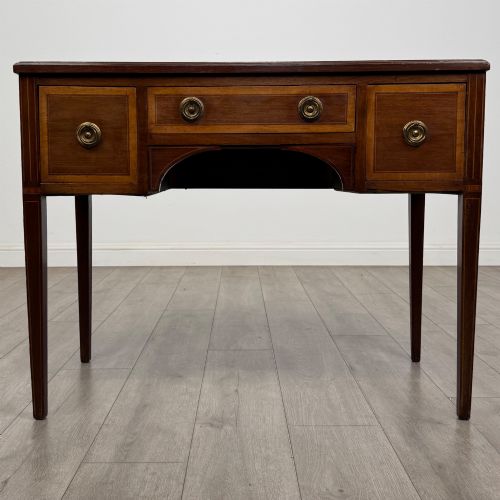
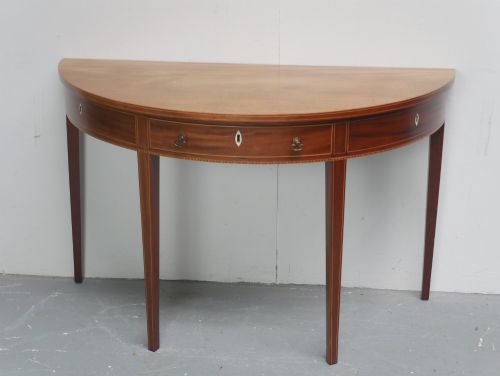
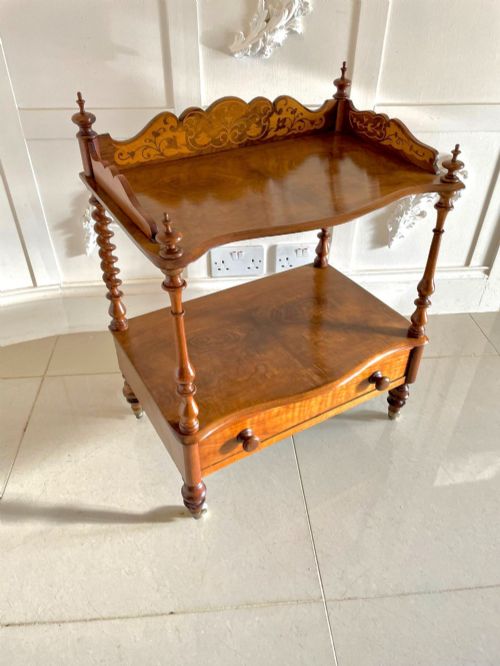
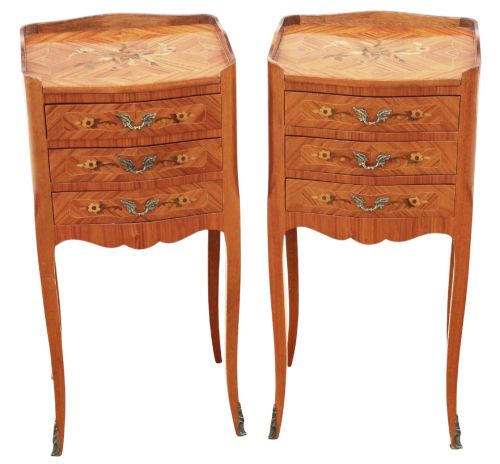
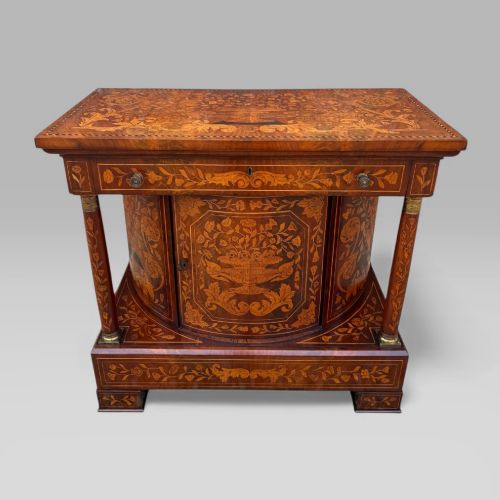
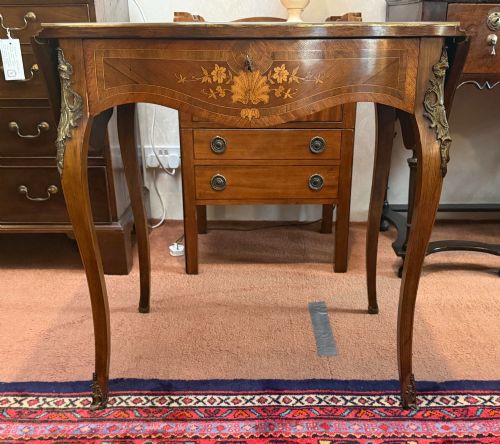
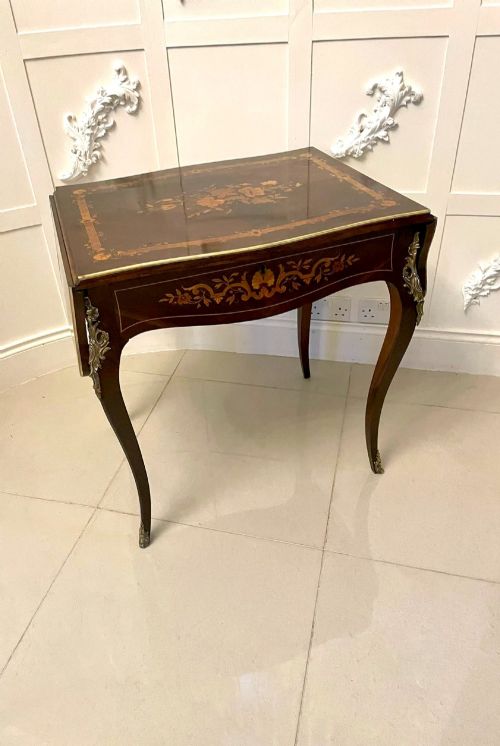
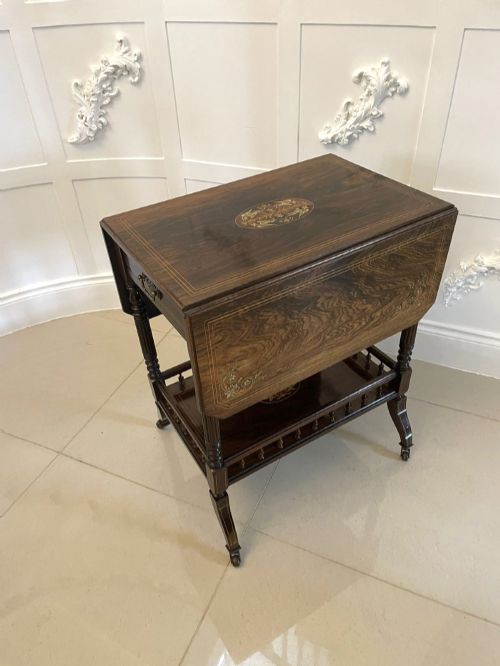
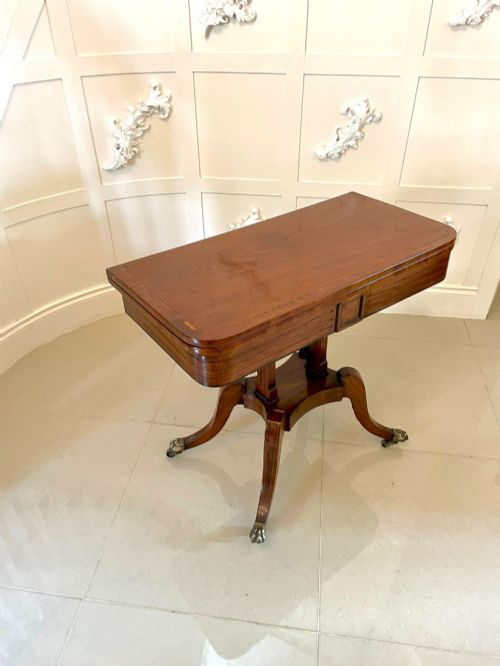
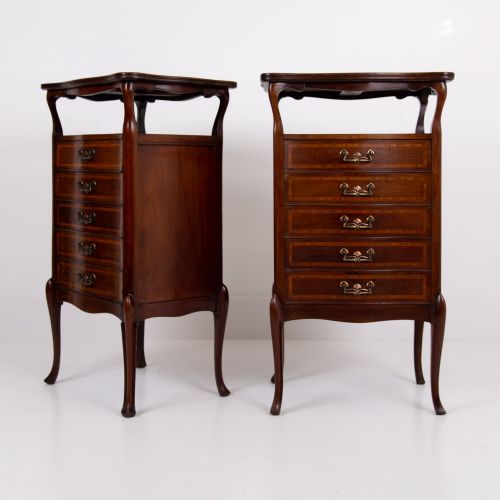
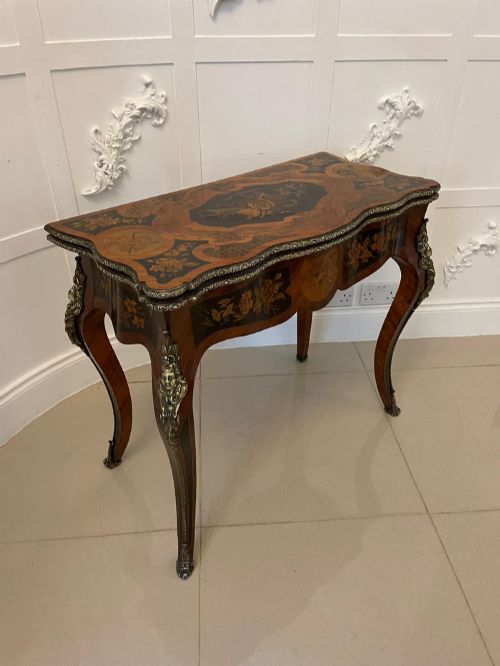
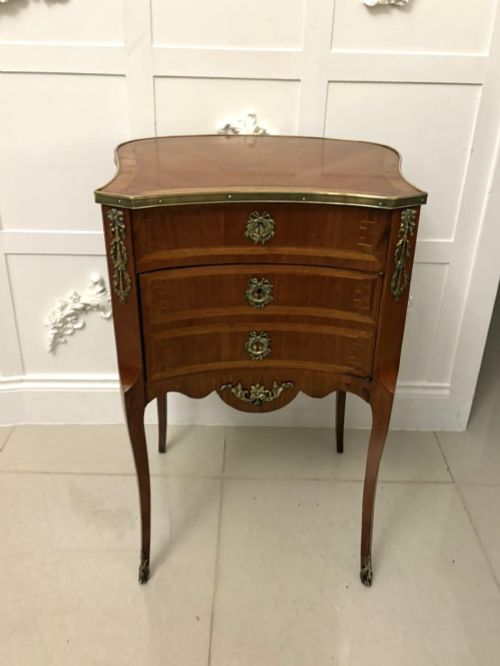
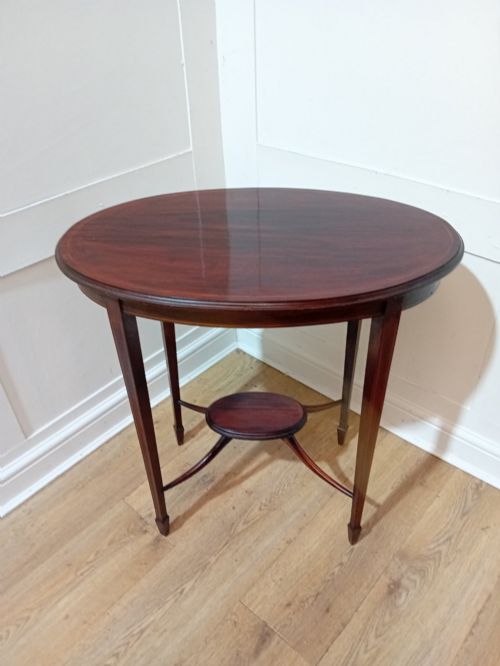
An antique inlay side table spans several periods, most commonly appearing from the Georgian, Regency, Victorian, and Edwardian eras. These surfaces take forms such as lamp tables, occasional tables, card tables, and console tables designed for domestic use. The primary structure often sits on slender legs, supporting a decorated top that demonstrates various historical revivals.
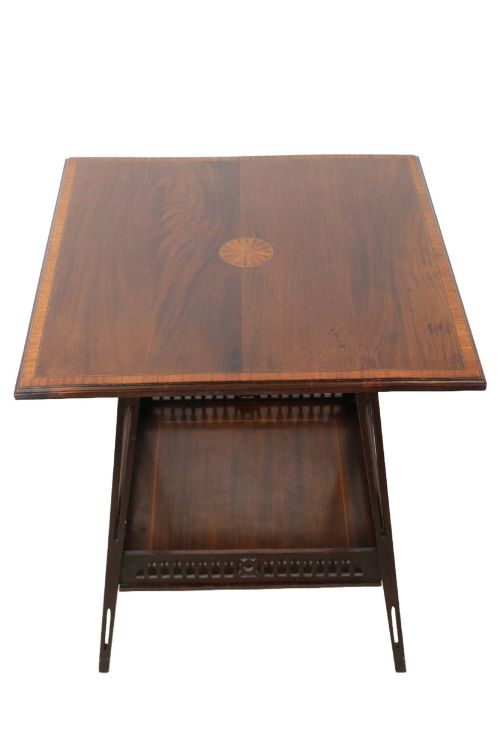
Edwardian and Victorian examples in mahogany, rosewood, and walnut dominate the available selection. Makers frequently combined contrasting timbers like satinwood, boxwood, and kingwood to create geometric or floral patterns on the surface. These pieces served various parlour and drawing-room functions, from holding lamps to displaying decorative objects.
Materials and construction
Cabinet-makers built the carcase using structural hardwoods like mahogany, walnut, and oak, then applied thin veneers of burr walnut, satinwood, or rosewood to the top and sides. The decorative surface relies on precision cutting, where contrasting slips of boxwood, brass, or lighter timbers fit flush into channels carved into the primary wood.
French polish finishes protect the timber and accentuate the grain depth, while brass mounts and ormolu details appear on specific revival styles. Joinery methods reflect traditional hand-cut techniques appropriate to each period, ensuring structural stability beneath the decorative veneer.
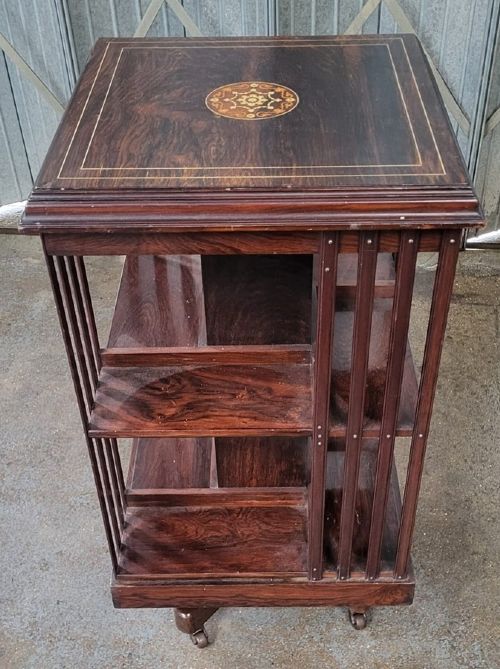
Some tables include hidden writing surfaces and revolving compartments, designed for secret notes and midnight reading.
Distinctions in craftsmanship
The precision of the wood inlay separates standard production from exceptional work, visible in the tightness of the joints between contrasting timbers. Sharply defined botanical or geometric motifs indicate skilled hand-cutting rather than mechanical production.
The choice of primary timber and secondary veneers dictates the overall character, with burr walnut and figured mahogany representing higher tiers of selection. Integrated secondary details, such as finely cast ormolu mounts and well-figured drawer linings, indicate superior workshop origins.
JAS Shoolbred·Trevor Page & Co·Heals
The Antique Inlay Side Table Glossary
- Inlay
- A technique where pieces of contrasting material are fitted into a recess flush with the surface of the base wood. This method creates decorative patterns across table tops and cabinet fronts.
- Marquetry
- Elaborate veneer work arranged to form pictorial or scrollwork designs. Artisans assemble various coloured woods onto a paper backing before applying the entire sheet to the carcase.
- Ormolu
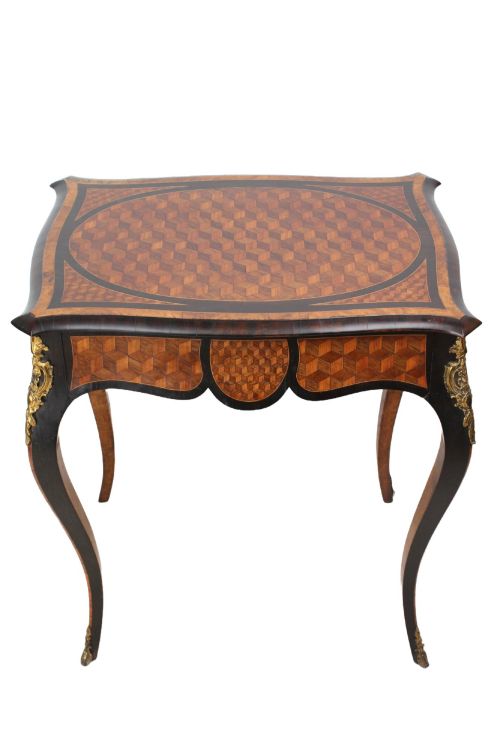
- Gilded bronze used for decorative mounts and accents on furniture. It gained widespread popularity in French-inspired revival pieces during the nineteenth century.
- Satinwood
- A durable, yellowish timber prized for its lustrous sheen and smooth texture. Cabinet-makers used it extensively for contrasting banding and full veneering.
- Parquetry
- Geometric mosaic woodwork arranged in repeating patterns such as cubes or chequers. It differs from marquetry through its strict adherence to symmetrical grid layouts.
Antique Inlay Side Table: Frequently Asked Questions
How do I clean an antique inlay side table?
Dust the surface regularly with a soft, dry cloth to prevent dirt accumulation in the grain and veneer joints.
Avoid liquid cleaners, silicone sprays, and wax build-up, consulting a professional restorer if the polish requires attention.
Can I use an antique inlay side table daily?
These tables function well for everyday domestic use, provided they are kept away from direct heat sources and strong sunlight.
Use coasters under glasses and felt pads under objects to protect the delicate veneer and polished finish from scratching.
How do I distinguish Edwardian pieces from Victorian ones?
Edwardian examples tend to feature lighter mahogany frames with simpler, delicate inlay patterns influenced by Sheraton revivals.
Victorian tables frequently utilise darker rosewood or burr walnut timbers with heavier proportions and more elaborate marquetry or ormolu mounts.
What is the difference between inlay and marquetry?
In inlay involves setting pieces into carved recesses within the solid wood base of the table top.
Marquetry applies an entire assembled sheet of veneer composed of various woods across the entire surface to form a picture or pattern.