







Colonial Timber Side Table
These colonial timber side table examples are sturdy hardwood and specimen pieces crafted across global trade routes during the eighteenth, nineteenth, and early twentieth centuries.
Colonial Timber Side Table
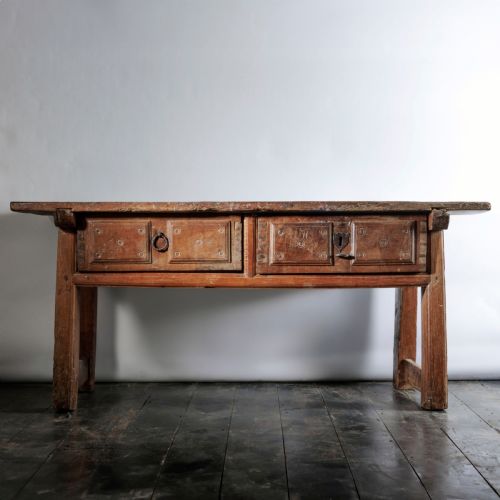
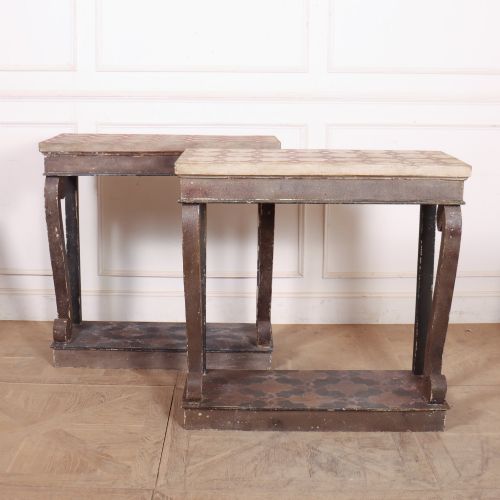
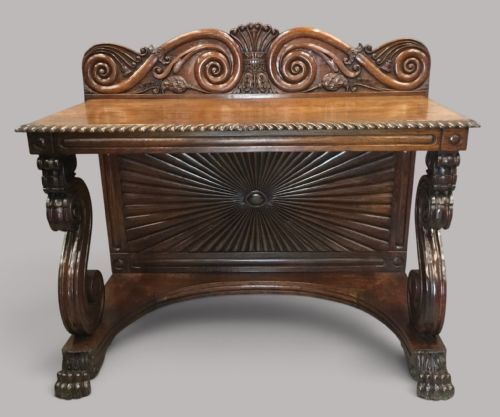
A colonial timber side table encompasses side tables, occasional tables, console tables, and dressing tables originating from various international territories. Buyers encountering this category will frequently discover Anglo-Indian, Spanish Colonial, and nineteenth-century New Zealand designs.
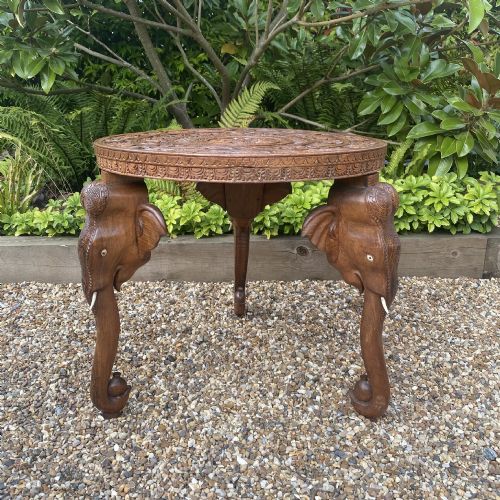
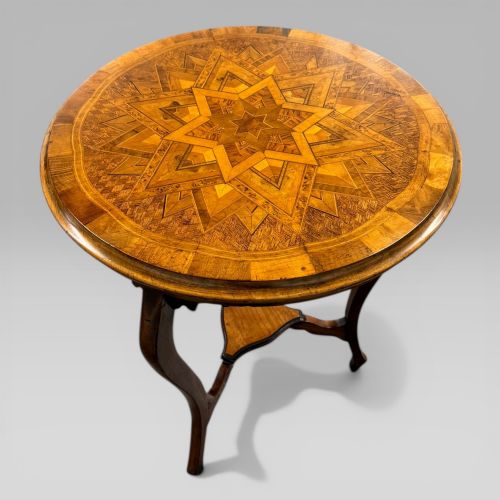
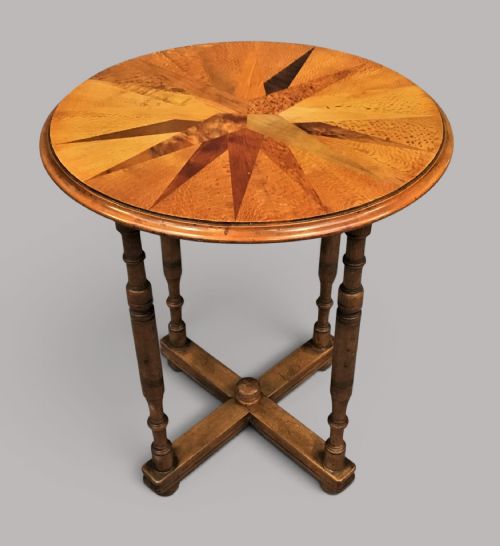
The regional variations range from carved hardwood elephant motifs to intricate specimen wood marquetry. Forms extend from compact occasional pieces to larger console and pier tables designed for hallway or parlour use.
Materials and construction methods
Construction relies heavily upon dense tropical and native timbers including teak, rosewood, padauk, walnut, kauri wood, and general native hardwoods. Workshops utilised these resilient materials to support deep relief carving and complex multi-wood geometric patterns.
Detailing frequently incorporates bone inlay alongside brass mounts and fastenings. Artisans combined traditional European furniture skeletons with regional carving techniques and indigenous timber varieties.
Colonial Timber Side Table Retail Price Guide 2026
Typical asking prices for colonial timber side table among the pieces listed under this phrase on Sellingantiques today, from the lower quarter to the upper quarter. They describe what is for sale here now, not the wider market.
Several tables feature carved elephant heads peering outward, ensuring your living room furniture maintains an attentive wildlife observer.
Assessing quality in construction and design
Quality separates pieces through the precision of the joinery and the depth of the carved ornamentation. Finer examples display meticulous control over figural elements like carved elephant heads and balanced proportions across complex tiered structures.
The execution of specimen marquetry determines the distinction at the upper end of the range. Tighter joints, crisper surface carving, and superior selection of contrasting native timbers elevate certain regional works above standard utilitarian items.
Anton Seuffert·William Norrie
The Colonial Timber Side Table Glossary
- Marquetry
- Decorative veneer work arranged in geometric patterns or pictorial scenes. It utilises contrasting tones of timber, bone, and shell to create detailed surface designs.
- Padauk
- A dense tropical hardwood prized for its deep reddish-brown colour and durability. It accepts intricate hand-carving exceptionally well.
- Specimen wood
- Furniture constructed using numerous distinct local timber varieties. These pieces showcase natural variations in grain and colour.
- Lowboy
- A small seventeenth or eighteenth-century dressing table or side table featuring a low set of drawers. It typically stands on slender cabriole or straight legs.
Colonial Timber Side Table: Frequently Asked Questions
What defines a colonial side table?
These tables are practical furniture items produced in British, Spanish, and European colonial territories during the eighteenth and nineteenth centuries. They combine European furniture forms with local native timbers and regional decorative motifs.
They serve as functional surfaces for display and storage while reflecting the cross-cultural exchange of the period through distinct carving styles and material combinations.
How do I identify New Zealand specimen tables?
New Zealand specimen pieces feature intricate geometric marquetry constructed from a wide variety of native timbers. Makers arranged these indigenous woods to highlight contrasting natural grains and colours.
These tables often bear stylistic similarities to the works of prominent nineteenth-century craftsmen such as Anton Seuffert and William Norrie.
Where were Anglo-Indian tables used?
Anglo-Indian tables were utilised in colonial residences, administrative offices, and townhouses throughout the nineteenth century. They provided functional surface space while displaying elaborate regional craftsmanship.
The inclusion of specific motifs like elephant heads indicates pieces tailored for British expatriates or export markets during the height of the British Empire.
How should I care for antique hardwood tables?
Antique hardwoods require stable indoor environments protected from direct sunlight and rapid humidity fluctuations. Regular dusting with a dry, soft cloth preserves the original polish and dry timber surfaces.
Avoid commercial silicone polishes and excessive moisture, which can damage historic finishes and lift delicate bone or veneer inlays over time.