

Antique Indigo Rug
An antique indigo rug brings deep botanical blue grounds and tribal geometry from Persian, Caucasian and Turkmen workshops into domestic rooms.
Antique Indigo Rug
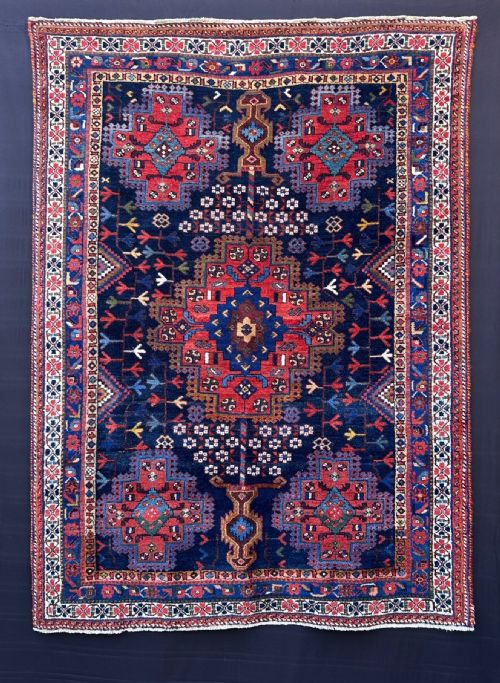
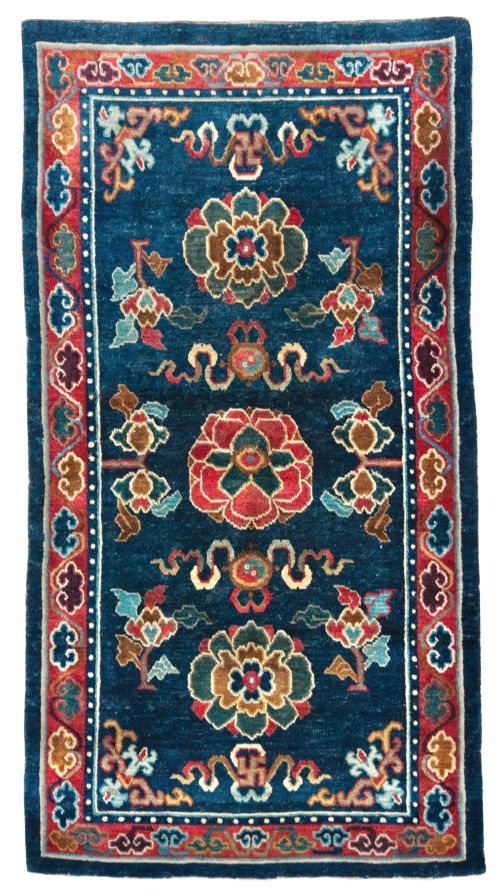
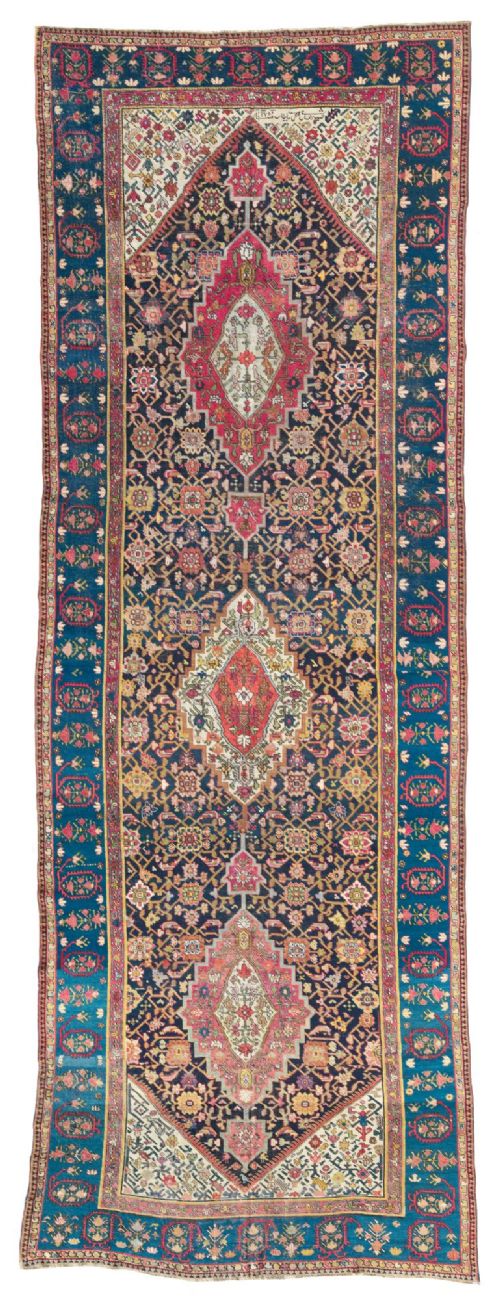
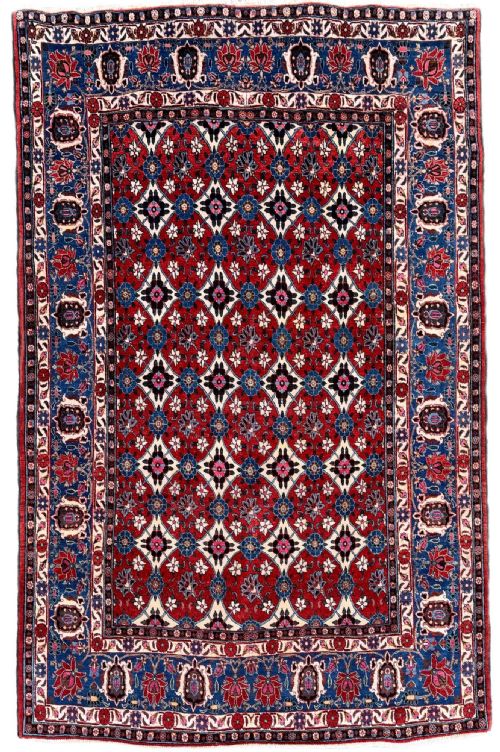
An antique indigo rug displays field colours derived from natural plant dyes, anchoring traditional regional weaving traditions across Persia, the Caucasus and Central Asia. These floor coverings and utility textiles range from small area formats and runners to substantial carpets woven by nomadic confederacies and settled village communities.
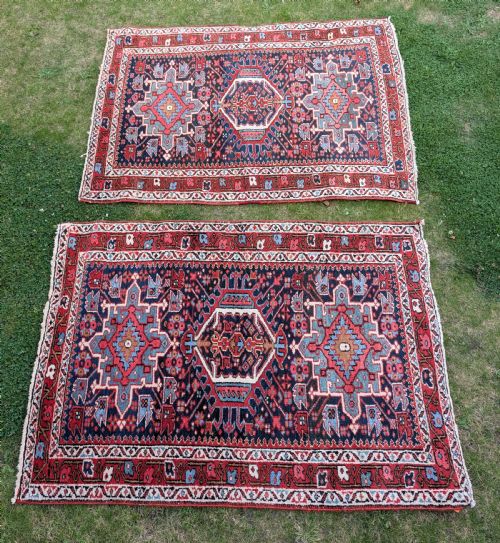
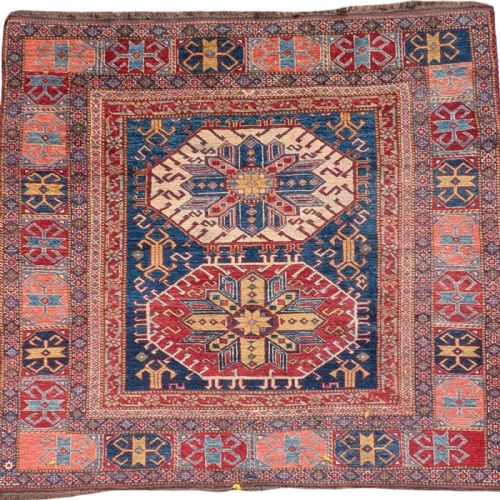
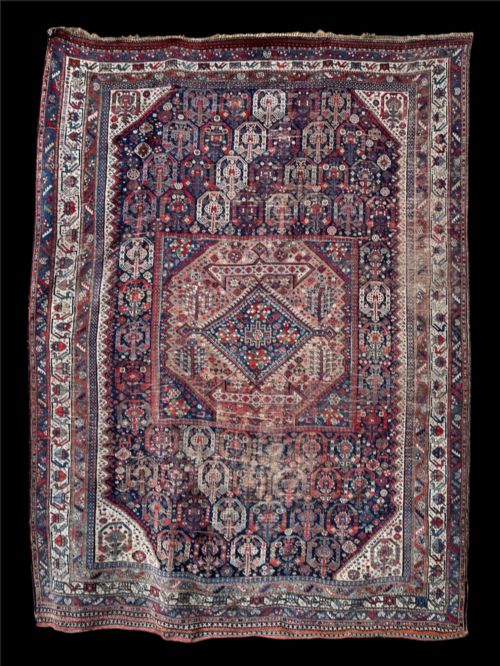
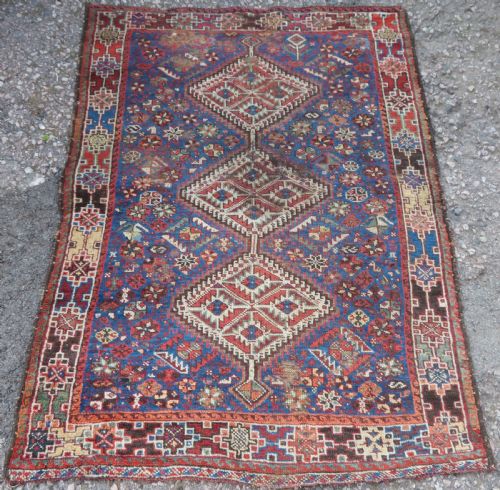
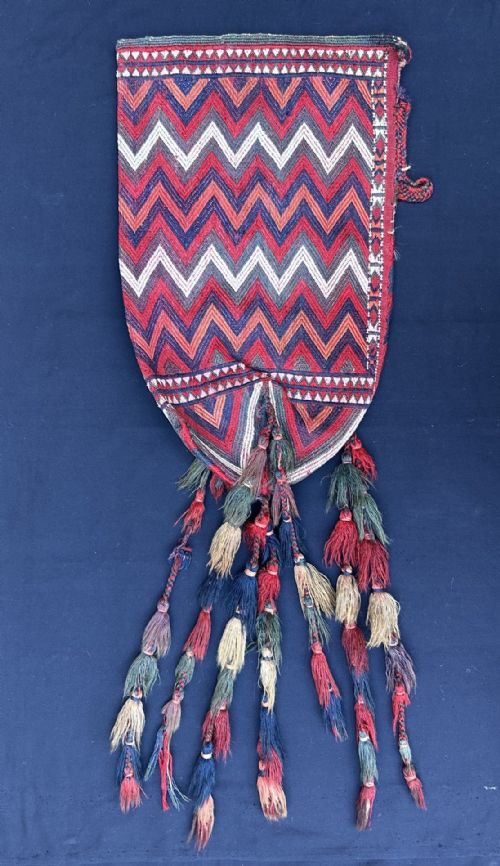
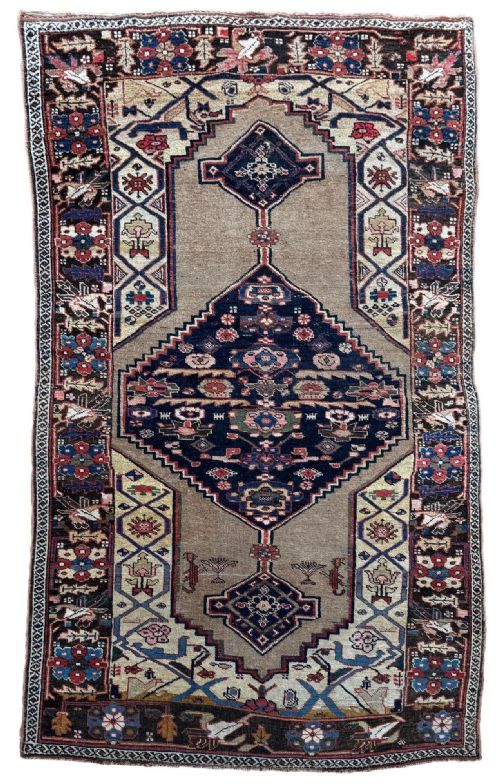
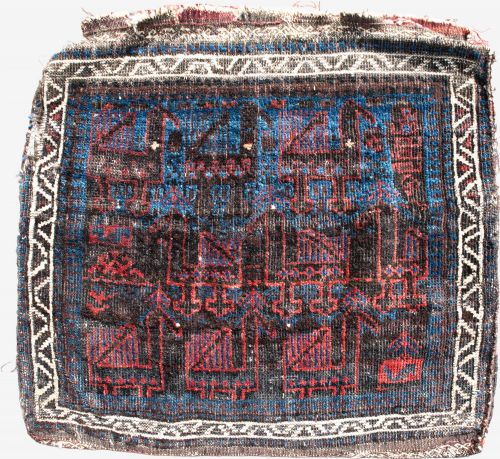
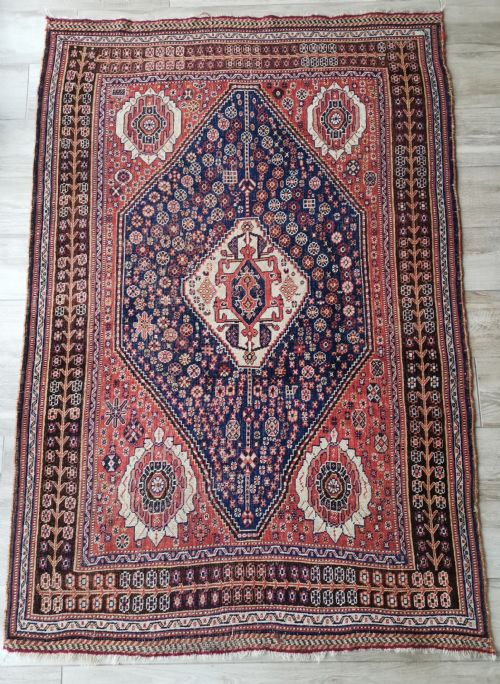
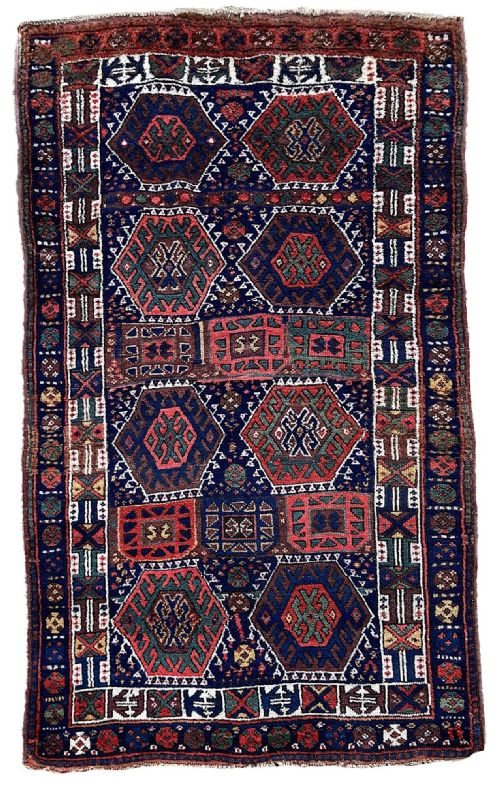
The versions most frequently met on this page include Persian tribal pieces from Afshar, Khamseh and Kurdish makers alongside Caucasian Kazak and Karabagh runners and carpets. Village formats such as Karaja and Bidjar sit beside utilitarian storage bags and pillow faces produced by Baluch and Yomut groups.
Production spans the nineteenth century and the early decades of the twentieth century, reflecting varied regional motifs including Lezghi stars, boteh repeats and structured geometric medallions. Each textile serves as a record of indigenous dyeing knowledge and specific tribal knotting techniques.
Materials and construction
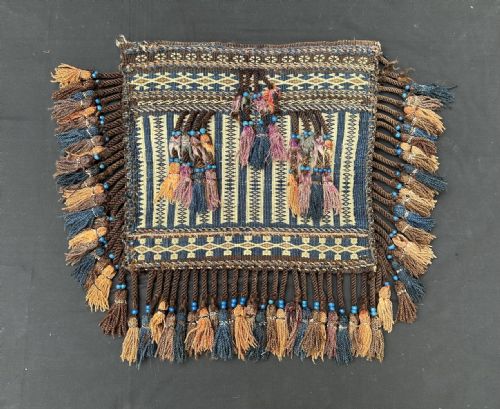
Construction relies upon hand-spun wool and cotton foundations, paired with natural dyes extracted from botanical sources to achieve lasting depth of colour in the indigo grounds. Artisans knot the wool pile securely onto the warp and weft threads, incorporating glass beads on specific nomadic bag faces and textile art.
Weaving techniques vary between symmetric and asymmetric knots executed on upright or horizontal looms, complemented by flat-weave kilim ends and selvedge finishes. The integration of hand-spun materials results in tactile surface variation across tribal rugs, runners and carpet formats.
Materials documented across the listings include hand-spun wool, cotton, natural dyes and glass beads.
Variations in quality
Quality rests upon the saturation and consistency of the natural indigo dye within the pile, alongside the precision of the tribal geometry and regional drawing. Tightly beaten foundations and secure knot density separate resilient main carpets from lighter utility mats.
The integrity of the original wool, the preservation of complete borders and the clarity of secondary motifs distinguish exemplary village and nomadic pieces. Surviving structural elements, such as intact flat-weave ends and undisturbed pile heights, determine the grade of a textile.
The Antique Indigo Rug Glossary
- Indigo
- A natural blue dye extracted from plants of the Indigofera genus, yielding deep tone variations across wool piles. It forms the characteristic background colour of these tribal rugs.
- Kelleh
- A large rectangular carpet format, longer than it is wide, traditionally produced in Persian village workshops. These substantial pieces anchor major room schemes.
- Torba
- A small Turkmen storage bag face woven with geometric gul motifs, intended for tent decoration. They display intricate nomadic knotting.
- Boteh
- A teardrop or almond-shaped motif enclosing floral or abstract patterns, frequently repeated across indigo fields. This ancient symbol appears across Persian and Caucasian weaving.
- Kilim
- A flat-woven textile produced without a pile by tightly interweaving warp and weft threads. These serve as structural borders or standalone floor coverings.
Antique Indigo Rug: Frequently Asked Questions
How do I clean an antique rug?
Gentle surface brushing and professional specialist dusting remove dry grit without disturbing the hand-spun wool pile or botanical dyes. Immersion washing requires expert intervention to protect the structural integrity of natural foundations.
Water exposure must be strictly controlled to prevent dye bleed across contrasting field colours. Regular rotation distributes foot traffic evenly across the textile surface.
Where were these rugs made?
Origin locations span village workshops and nomadic tribal territories across Persia, the Caucasus, Anatolia and Central Asia. Specific groups such as the Baluch, Yomut and Khamseh produced distinct regional styles.
Towns including Bidjar, Karaja and Joshagan developed characteristic structural methods and palette choices. Each weaving centre utilised local materials and traditional dyeing recipes passed through generations.
Are these rugs suitable for hallways?
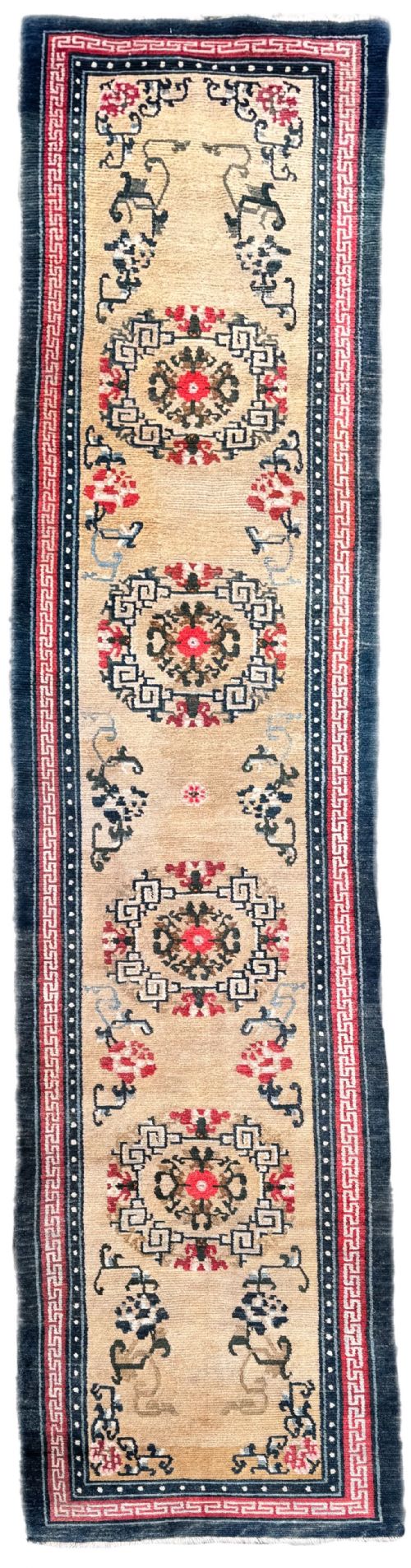
Long runner formats and narrow carpet dimensions suit high-traffic corridors when paired with a breathable underlay. The robust nature of hand-spun wool pile resists daily wear in domestic passages.
Flat-weave kilims and smaller tribal rugs can also function in hallways if secured against slippage. Regular turning prevents uneven foot wear along the primary path.
How are indigo dyes identified?
Natural indigo displays subtle tonal variations down individual wool strands, caused by uneven dye absorption during botanical vat immersion. Under magnification, the dye sits on the outer fibres rather than penetrating synthetic cores uniformly.
Age patination softens the blue ground into rich, variable hues that chemical dyes cannot replicate. Examination of the knot roots reveals the depth of the original plant-based dyeing process.