




Traditional Chinese Rug
These traditional chinese rug examples bring centuries of woven artistry into a room, offering rich textures and historic motifs.
Traditional Chinese Rug
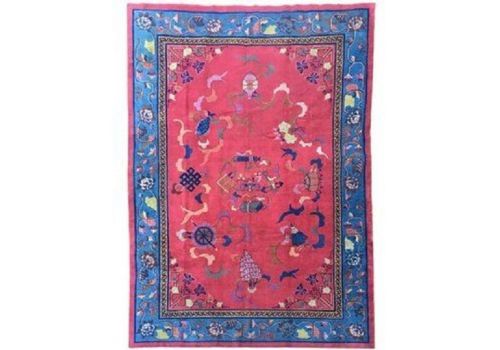
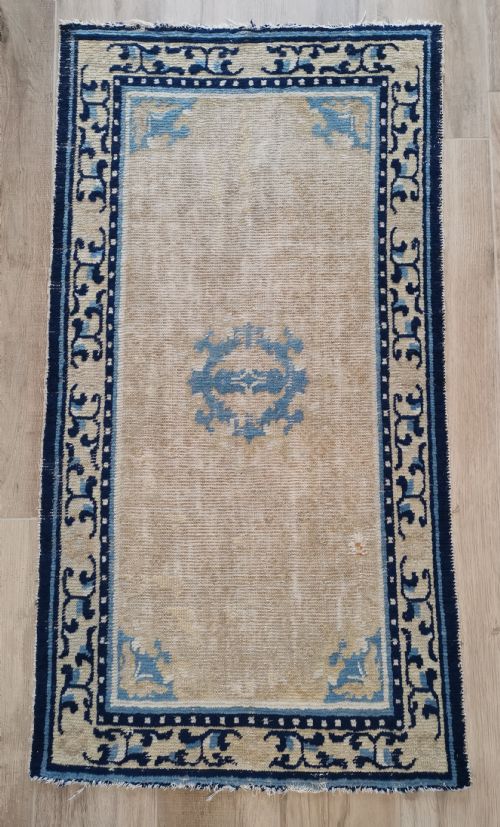
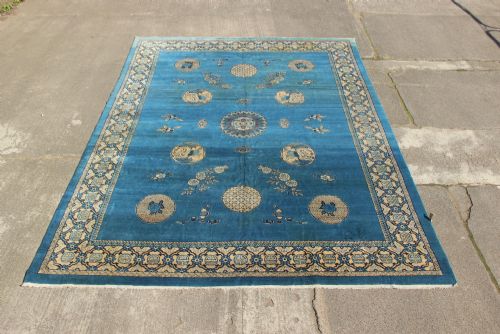
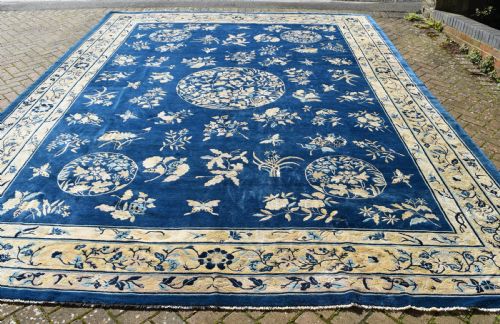
When you search for traditional chinese rug, you are looking at floor coverings that span periods from the mid-nineteenth century through the early twentieth century. The selection includes large roomsize carpets alongside smaller area rugs and seating mats.
You are most likely to meet pieces from the nineteen-twenties and nineteen-hundreds on this page, reflecting styles such as Chinese Qing Dynasty and Chinese Art Deco. Regional types like Ningxia and Peking form the core of what is available.
How they were made
These floor coverings utilise natural materials including wool, cotton and silk, which provide both durability and varied surface textures. The combination of these fibres allows for the intricate pile work characteristic of the weaving traditions.
Weavers employed traditional construction methods tied to regional workshops in areas such as Ningxia and Peking. The structural foundation relies on sturdy cotton warps and wefts to support the heavy pile.
The site listings feature traditional chinese rug examples spanning four distinct decades between eighteen-fifty and nineteen-thirty.
What varies in quality
The choice of fibre creates a clear distinction across the range, with silk examples offering a finer, more lustrous surface compared to standard wool construction. Material selection dictates both the visual weight and the tactile feel of the textile.
Scale and design complexity also separate the standard examples from larger roomsize carpets. Pieces attributed to specific regional centres like Peking or Ningxia demonstrate varied levels of compositional detail and knot density.
The Traditional Chinese Rug Glossary
- Ningxia
- A region in north-central China known for producing distinct antique rugs and mats. These pieces often feature traditional motifs and subdued palettes.
- Peking
- A major centre for carpet production in northern China, particularly active around nineteen hundred. Peking carpets typically display balanced roomsize dimensions.
- Pao Tao
- A recognised style of carpet originating from Inner Mongolia and northern China. They are valued for their distinctive regional weaving characteristics.
- Art Deco
- A design style from the early twentieth century that influenced Chinese carpet production. It introduced geometric abstraction alongside traditional iconography.
- Pile
- The cut or looped surface yarn of a carpet that forms the actual body of the rug. It provides comfort underfoot and protects the structural foundation.
Traditional Chinese Rug: Frequently Asked Questions
How were these carpets used?
These pieces served as floor coverings and seating mats within traditional interiors. They provided insulation and added decorative elements to formal rooms.
Larger formats anchored main living spaces, whilst smaller mats functioned as seat covers or focal points in intimate areas.
How do I live with an antique carpet?
Living with these textiles involves placing them in areas with moderate foot traffic to preserve the pile. Using an appropriate underlay helps prevent slipping and reduces wear.
Keeping them away from direct sunlight protects the natural dyes in the wool and silk fibres from fading over time.
How do I tell periods apart?
Periods are identified by examining the stylistic elements, such as the transition from traditional Qing Dynasty motifs to Chinese Art Deco designs. Material choices and structural characteristics also offer clues to the era.
Dates range from mid-nineteenth century pieces up to creations from the nineteen-thirties.