

Antique Asian Carpet
When choosing an antique asian carpet, collectors seek tribal weaves and nomadic floor coverings shaped by Central Asian traditions.
Antique Asian Carpet
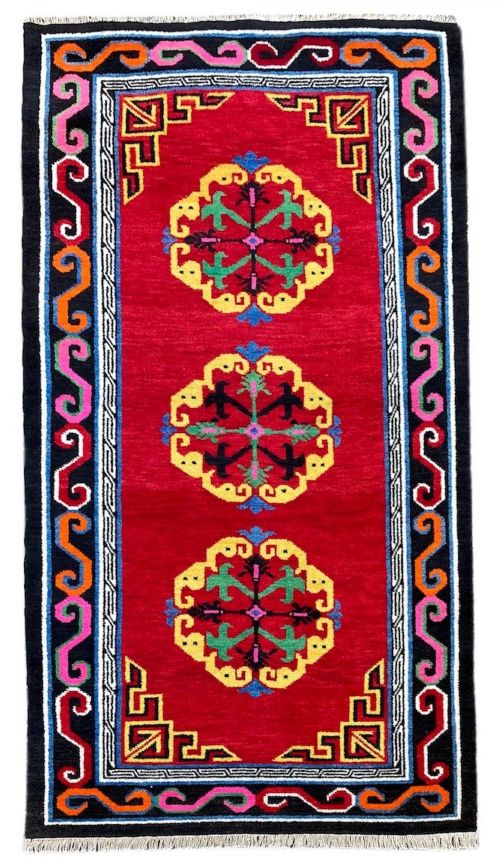
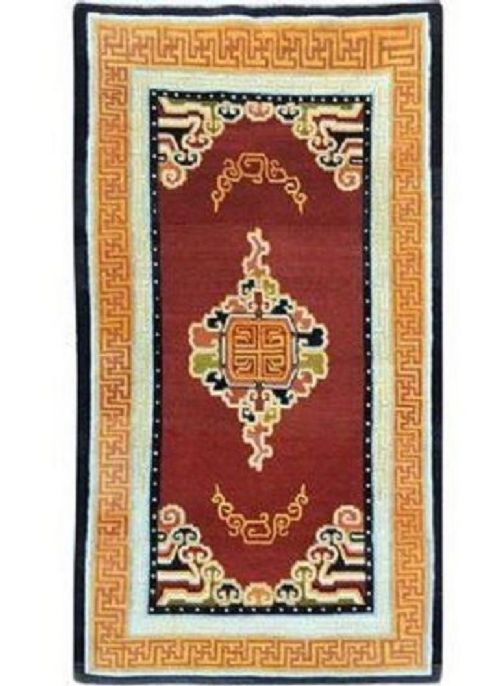
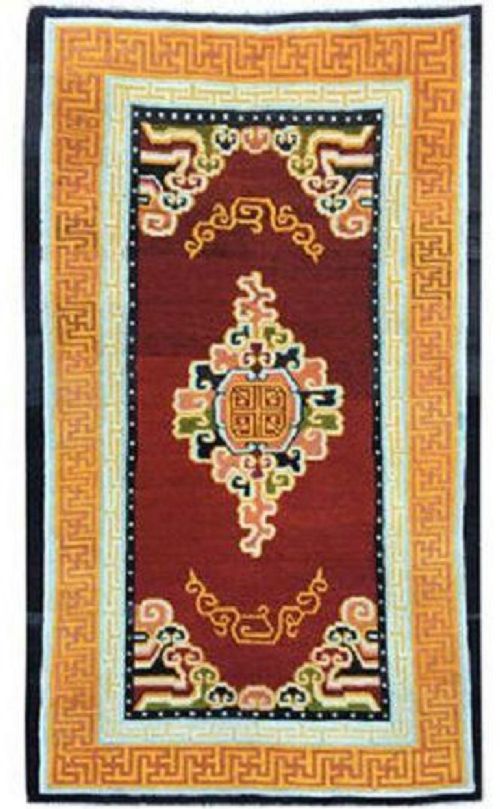
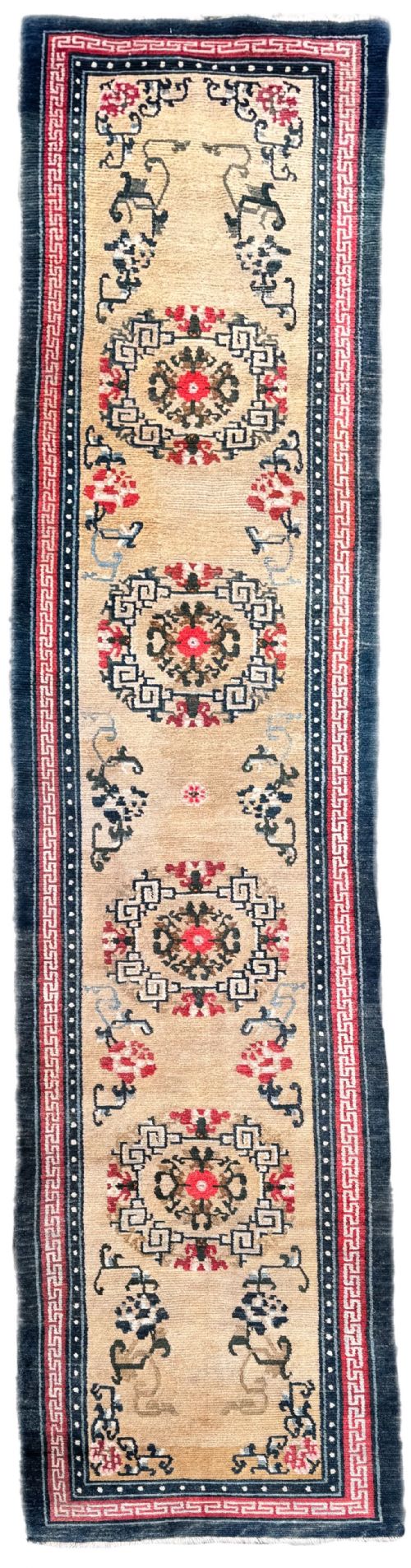
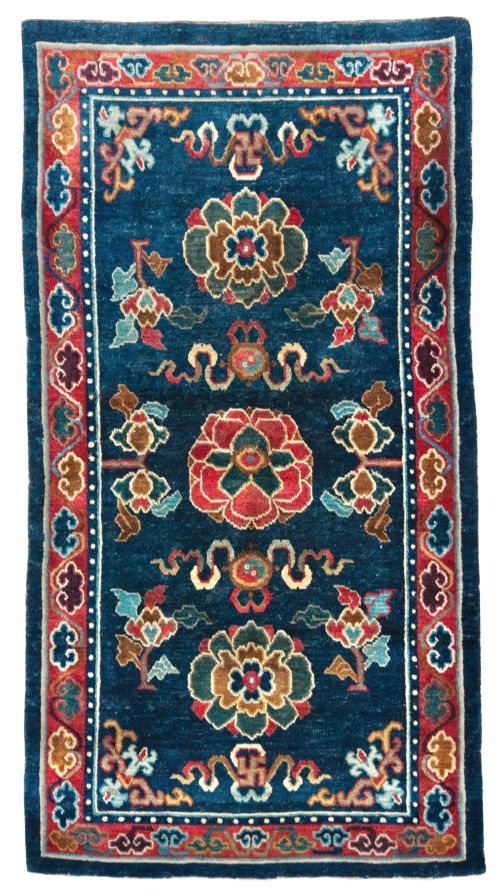
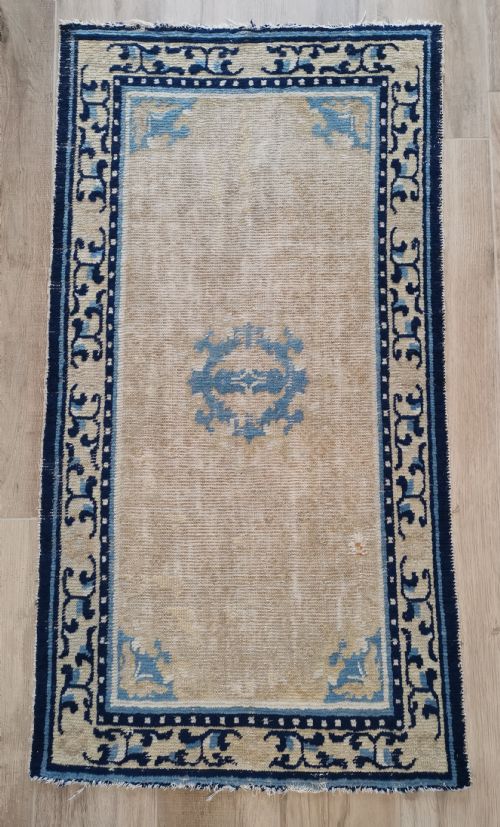
An antique asian carpet encompasses tribal weavings originating from Central Asia, Tibet, and China, spanning from the mid nineteenth century through the early twentieth century. Buyers encounter various utilitarian and decorative forms, including main carpets, runner formats, meditation rugs, and specialised tent furnishings.
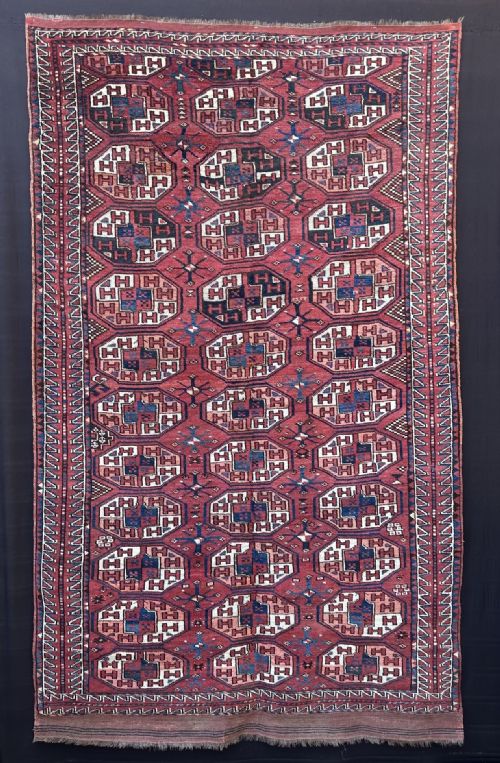
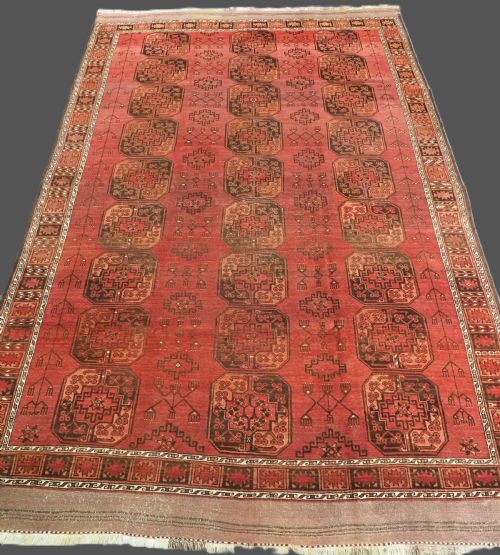
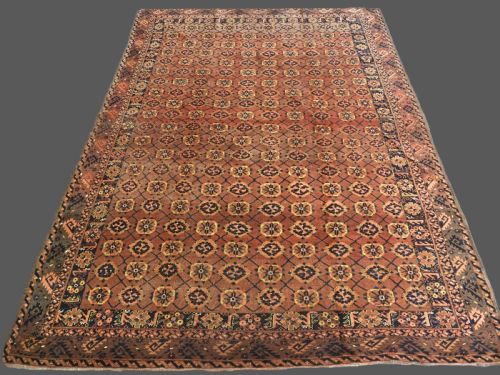
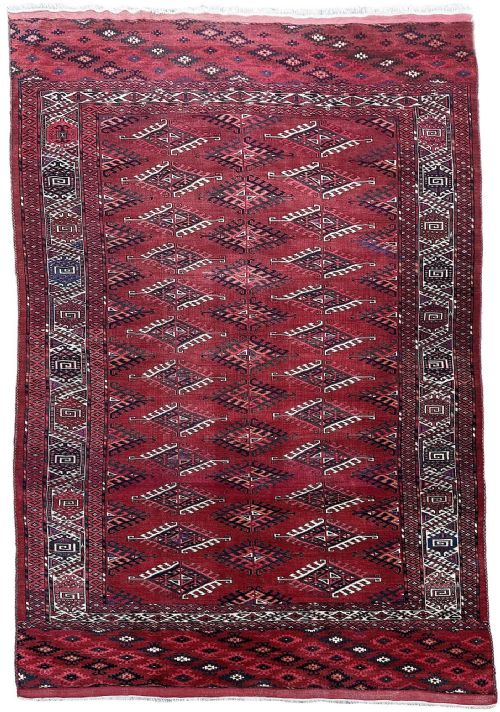
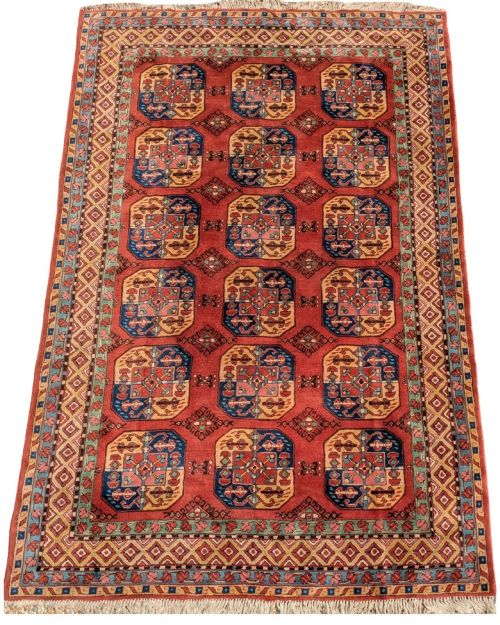
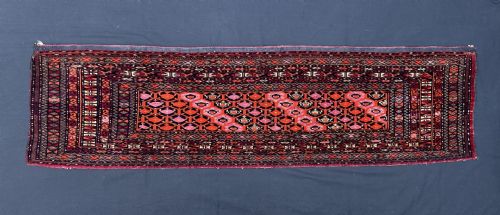
The selections on this page lean heavily into Turkmen tribal traditions, featuring pieces attributed to the Tekke, Ersari, Yomut, and Sariq tribes. Alongside these nomadic works, items from Tibetan workshops and Chinese Qing dynasty outputs appear.
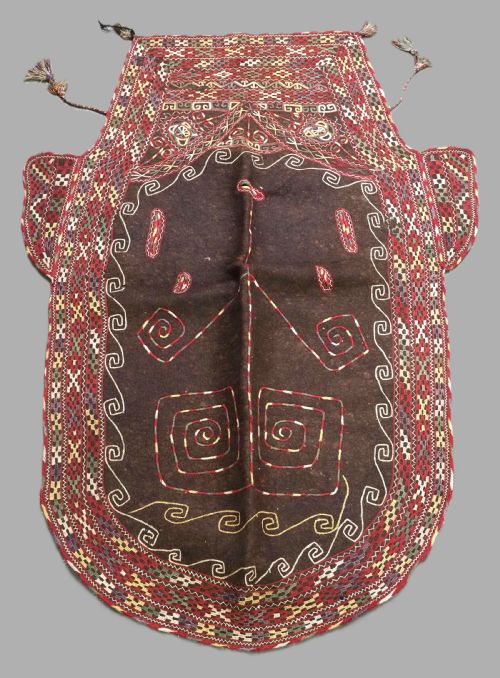
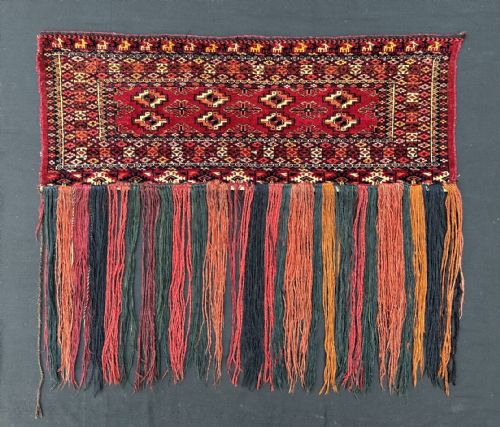
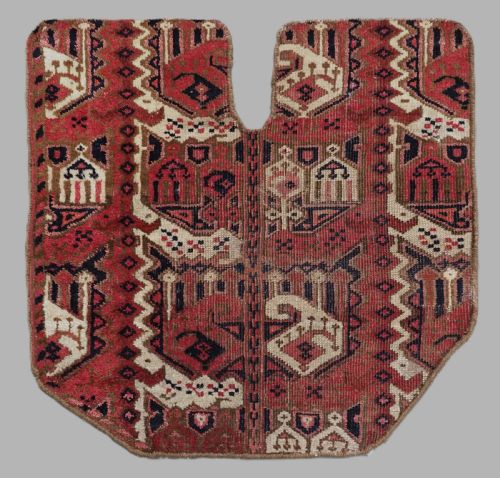
Forms extend beyond standard floor coverings to include smaller tribal elements such as torbas, chuvals, kapunuks, and horse blankets. These domestic and ceremonial items display traditional guls and geometric layouts characteristic of specific regional weaving groups.
How They Were Made
These textiles rely primarily on wool and cotton foundations, utilising hand-spun wool for pile yarns alongside cotton thread for warps and wefts. Certain specialised items incorporate felted wool or silk thread for decorative embroidery and structural integrity.
Weavers employed natural dyes to achieve deep colour palettes across the fields and borders. Construction techniques range from fine pile knots on nomadic floor rugs to flatwoven structures and embroidered felt constructions.
Listings feature nomadic weavings primarily dated across the nineteenth and early twentieth centuries, constructed from hand-spun wool and cotton.
What Varies In Quality
Quality rests upon knot density, handle flexibility, and the precision of the tribal motifs executed across the field. Finer weaves maintain tighter structural foundations that preserve the geometry of complex gul patterns over decades of use.
The purity and depth of the natural dyes dictate visual harmony as the wool ages. Superior examples retain saturated hues and crisp contrast between the motifs and the surrounding ground.
Kizyl Ayak Tribe·Ersari Tribe·Yomut Tribes·Teke Tribes·Sariq Tribe
The Antique Asian Carpet Glossary
- Gul
- A primary octagonal medallion motif repeated across Turkmen carpets and tribal trappings. Each design often identifies the specific clan or tribal group that wove the textile.
- Torba
- A small horizontal wall hanging or storage bag produced by nomadic tribes. These pieces typically feature intricate secondary gul patterns and finished plain weave backs.
- Chuval
- A large tent bag used for household storage within nomadic settlements. They frequently display multiple rows of major guls and detailed elem panels at the lower border.
- Kapunuk
- An ornamental tent door surround designed to frame the entrance of a nomadic yurt. These structured trappings display distinct tripartite architectural shapes.
- Asmalyk
- A ceremonial pentagonal trapping created for wedding processions and hung on the flanks of a bridal camel. They represent some of the most expressive designs in Turkmen weaving.
Antique Asian Carpet: Frequently Asked Questions
What is an antique asian carpet?
An antique asian carpet is a hand-knotted or flatwoven textile created by nomadic and village weavers across Central Asia, Tibet, and China during the nineteenth and early twentieth centuries. These works utilise traditional materials like wool and natural dyes to produce geometric and tribal designs.
Such textiles served practical and ceremonial roles within tribal life, functioning as floor coverings, tent decorations, and transport bags. Today they are appreciated for their cultural history and regional artistry.
How were tribal rugs used?
Nomadic groups utilised these textiles for daily living inside felt tents, laying them on earthen floors or using them as sleeping mats. Smaller formats served as functional storage bags for household possessions and provisions.
Ceremonial pieces played vital roles in important life events, including weddings and tribal migrations. Specialised trappings adorned camels and yurt entrances during seasonal moves and celebrations.
How do I live with one?
Place these textiles in low traffic areas or use them as wall hangings to protect the wool pile from heavy foot wear. Underlays help prevent slipping and reduce friction against hard wooden flooring.
Keep them away from direct sunlight to preserve the natural dyes used in the wool. Regular gentle vacuuming without a beater bar removes dust and maintains the fibre structure.
How do I identify different tribes?
Tribal identification relies on examining the specific primary medallion motifs, known as guls, woven into the field. Each regional group, such as the Tekke or Yomut, maintained distinct geometric vocabularies and colour preferences.
Structural traits like border designs, side cord finishes, and knotting density also provide clues to origin. Comparing the layout to documented examples helps pinpoint the likely weaving group.