




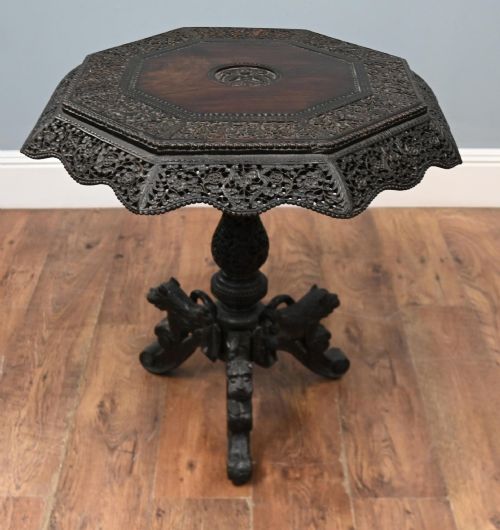
Antique Indian Occasional Table
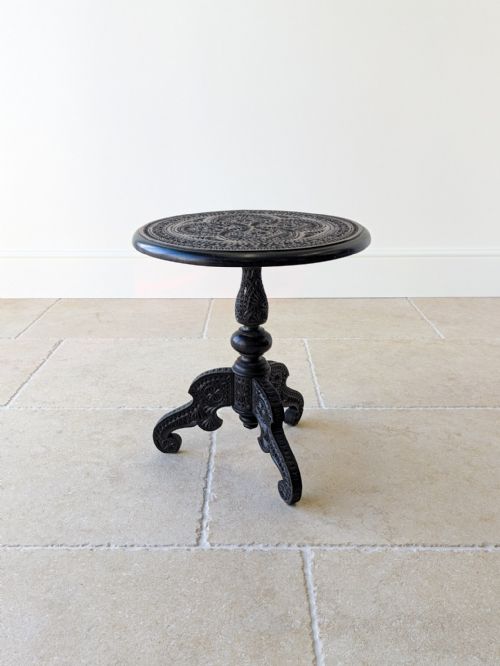
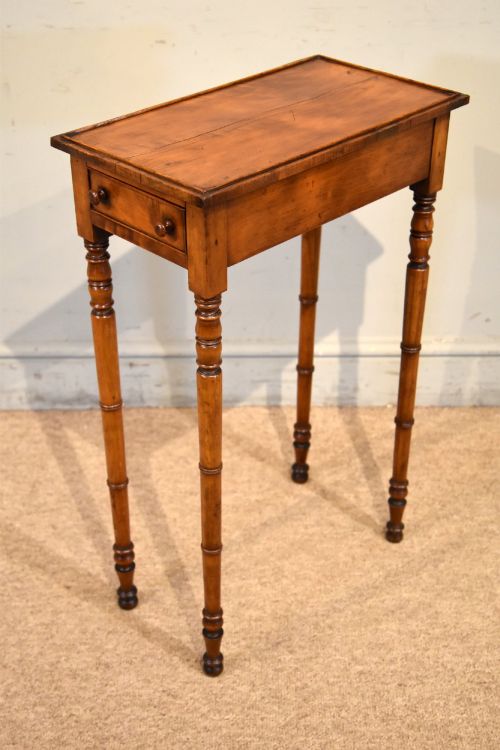
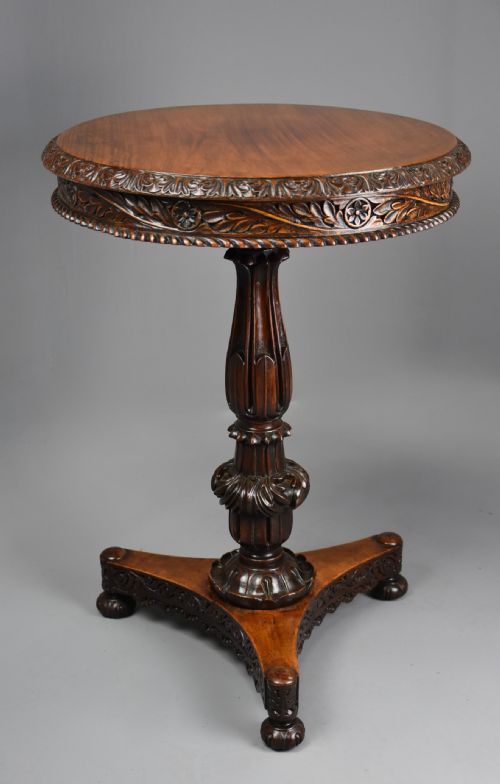
An antique Indian occasional table brings complex carving and rich timbers together for a practical surface with distinct character.
Antique Indian Occasional Table
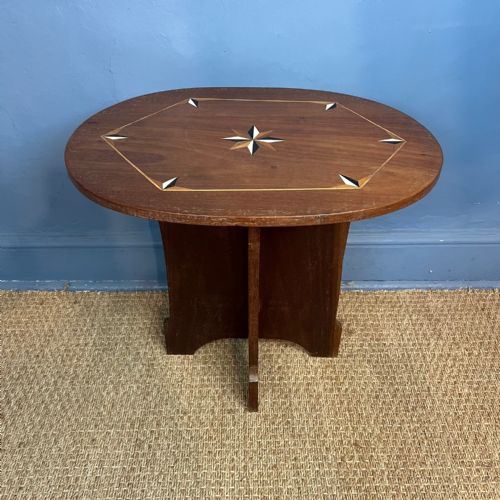
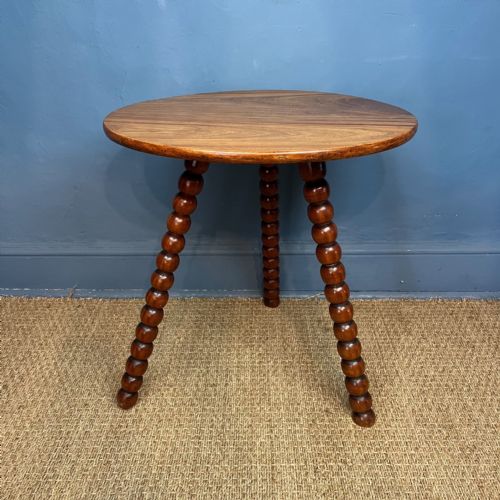
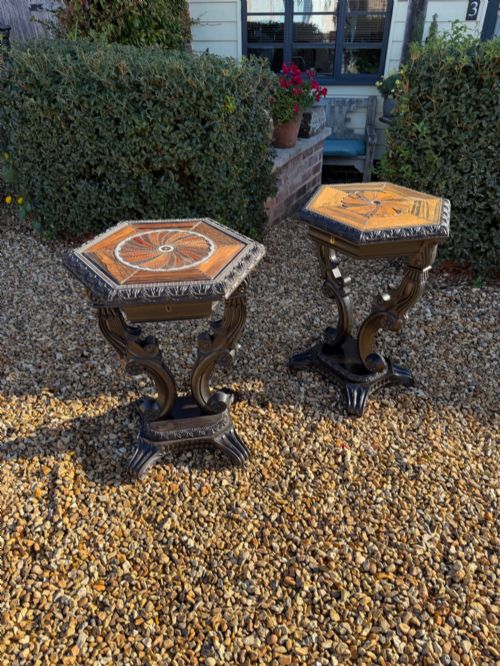
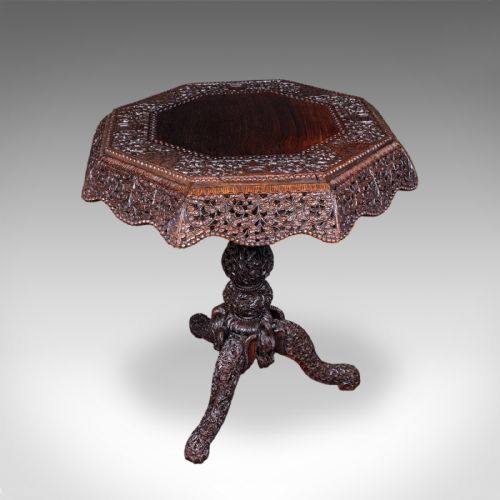
When searching for an antique Indian occasional table, you encounter pieces designed to serve as side tables, lamp stands, games tables, or tray tables. The forms span octagonal folding structures, tripod supports, and pedestal designs originating from workshops across the Indian subcontinent and British colonial territories.
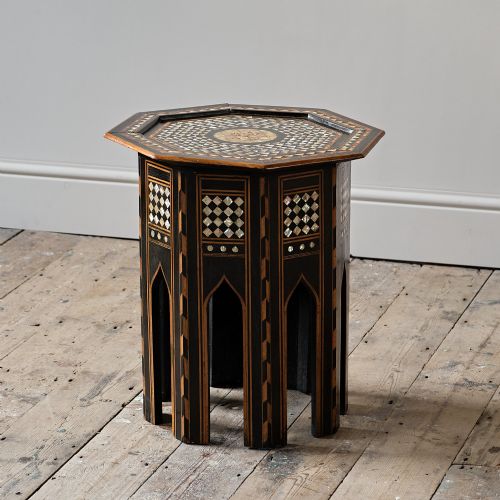
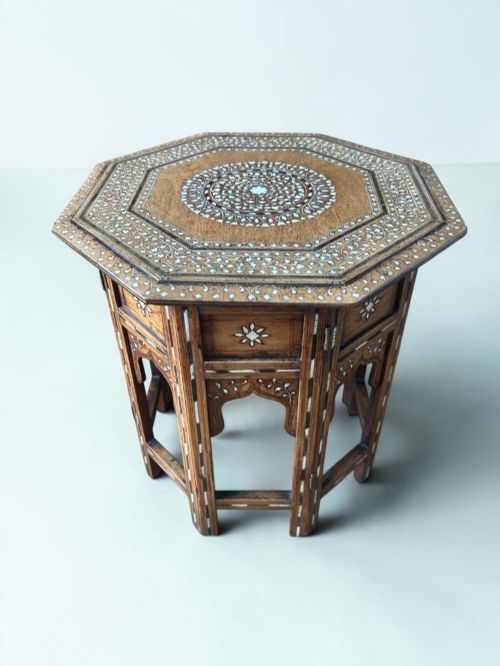
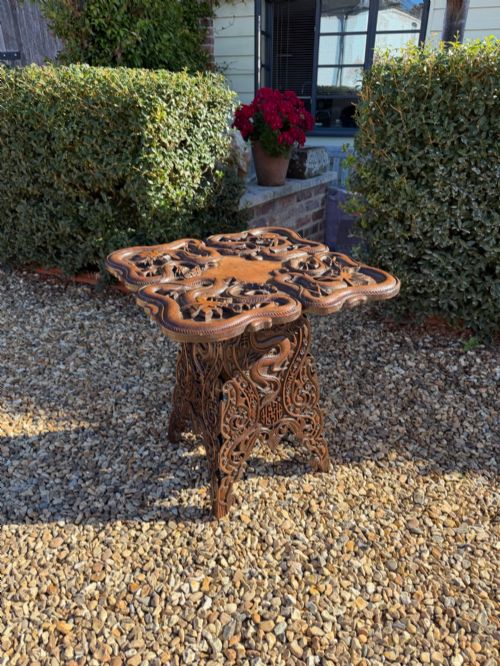
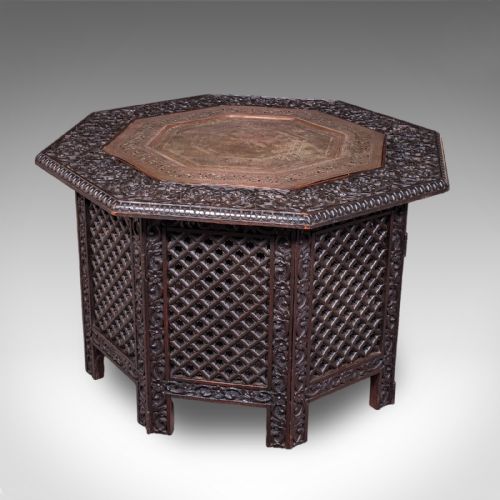
The version you are most likely to meet on this page is the octagonal occasional table, frequently attributed to Hoshiarpur and decorated with intricate woodwork. These pieces often feature regional motifs such as elephants, foliage, or geometric panel work suited to domestic spaces.
The selection extends to Burmese and Ceylonese items alongside Anglo-Indian creations, encompassing periods from the Victorian era into the early twentieth century. These variations reflect both local craftsmanship traditions and British interior tastes of the nineteenth century.
How They Were Made
The construction relies heavily on dense tropical hardwoods such as teak, padouk, rosewood, and ebony, chosen for stability and deep natural grain. Cabinet makers utilised these sturdy timbers to support elaborate surface carving and pierced fretwork without compromising the frame.
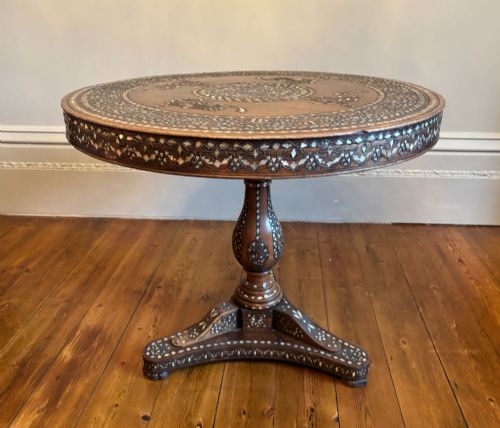
Decoration is achieved through contrasting materials embedded into the timber base, including bone, brass, and mother of pearl. Artisans also employed marquetry and specimen wood inlay, particularly in Hoshiarpur and Damascus styles, to build intricate geometric and floral patterns.
Antique Indian Occasional Table Retail Price Guide 2026
Typical asking prices for indian occasional table among the pieces listed under this phrase on Sellingantiques today, from the lower quarter to the upper quarter. They describe what is for sale here now, not the wider market.
Periods represented span the Victorian era, the Aesthetic Movement, and the early twentieth century.
What Varies in Quality
The distinction between standard items and superior examples lies in the depth and precision of the carved detail. Master carvers produced crisp, undercut foliage and sharply defined figural elements, whereas lesser pieces display shallow, softened relief.
Quality also depends on the integrity of the inlay work and the selection of timber. Dense, well-figured padouk or ebony with complete bone or brass placement demonstrates superior workshop execution compared to plainer domestic equivalents.
The Antique Indian Occasional Table Glossary
- Hoshiarpur
- A town in Punjab renowned for intricate woodwork and inlay. Tables from this centre typically feature dense geometric patterns in bone or brass.
- Octagonal
- An eight-sided top shape common in Anglo-Indian occasional furniture. This geometry accommodates folding frames and symmetrical inlay panels.
- Padouk
- A heavy, durable reddish-brown tropical timber used extensively in colonial furniture. It accepts deep carving and holds a fine polish.
- Teapoy
- A small table traditionally used for serving tea. In colonial contexts, the term often applies to decorative occasional stands.
- Marquetry
- The art of applying small pieces of veneer to a structure to form decorative patterns. Specimen wood marquetry utilises various natural timbers for tonal contrast.
Antique Indian Occasional Table: Frequently Asked Questions
How were these tables used originally?
These tables served various practical functions in nineteenth-century homes, acting as surfaces for tea service, lamps, or games. Folding variants allowed households to store them easily when floor space was required.
In colonial and domestic settings, they functioned as decorative centerpieces or lamp stands. Their adaptable sizing made them suitable for drawing rooms and parlours alike.
What is an elephant table?
An elephant table incorporates carved elephant motifs into its structural support, often featuring wooden tusks or figures forming the base. These regional designs originate primarily from the Bombay presidency and nineteenth-century workshops.
The imagery reflects both local fauna and the Victorian taste for exotic ornamentation. Such pieces range from small occasional stands to larger pedestal tables.
How do I identify a Hoshiarpur table?
Hoshiarpur tables are identified by dense surface inlay executed in bone, brass, or white metal against a dark hardwood ground. The decorative scheme usually employs interlocking geometric polygons and floral scrolls covering every visible surface.
Many of these examples feature clever folding octagonal bases that collapse flat. The craftsmanship represents a specific nineteenth-century export trade from the Punjab region.
What is Anglo-Indian furniture?
Anglo-Indian furniture describes pieces made in India by local artisans for British colonial residents or for export to the European market. These items combine traditional Indian carving techniques with European furniture forms such as Pembroke tables and tripods.
The materials typically include native hardwoods like teak, rosewood, and padouk combined with indigenous decorative motifs. This cross-cultural exchange produced distinctive design styles throughout the Victorian period.