

Antique Indian Carving
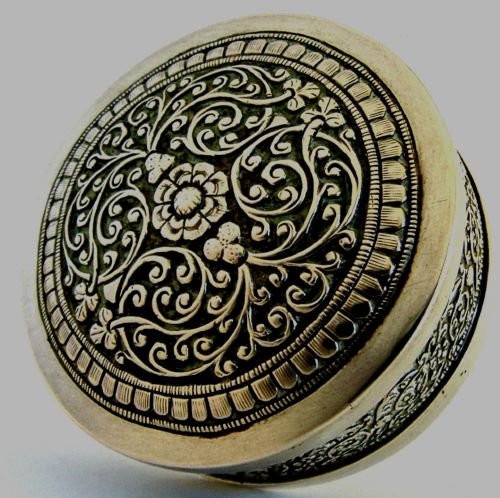
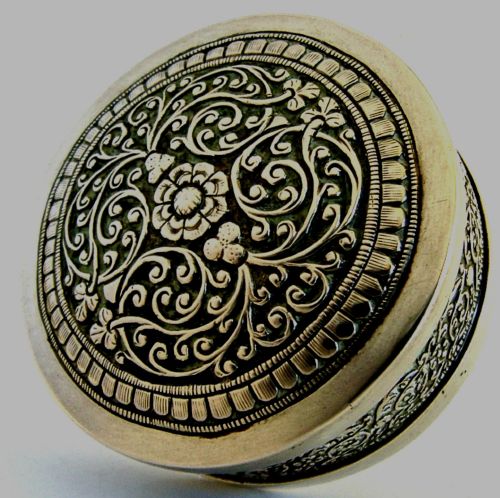
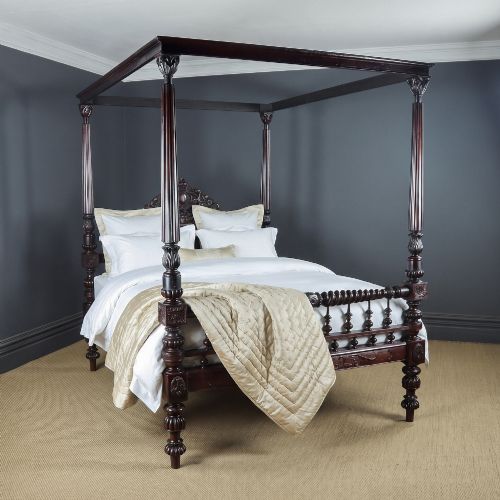
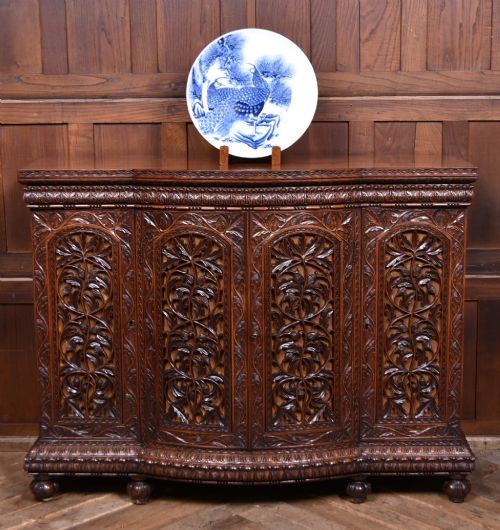
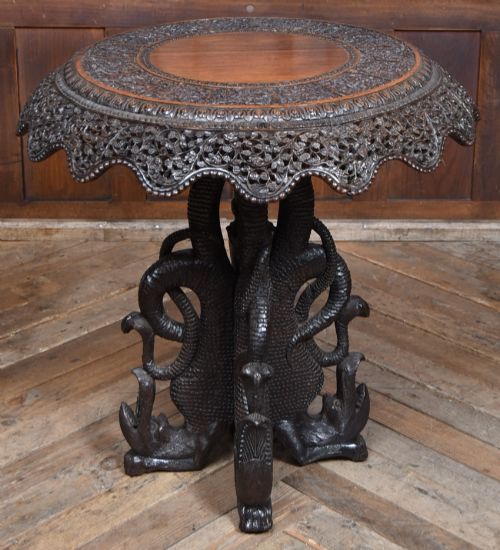
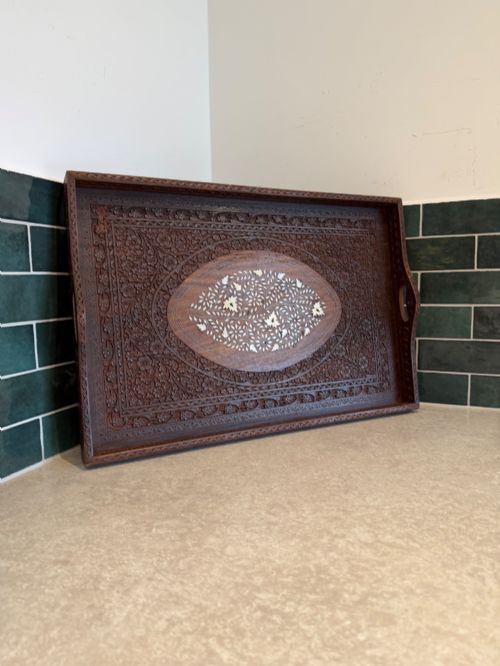
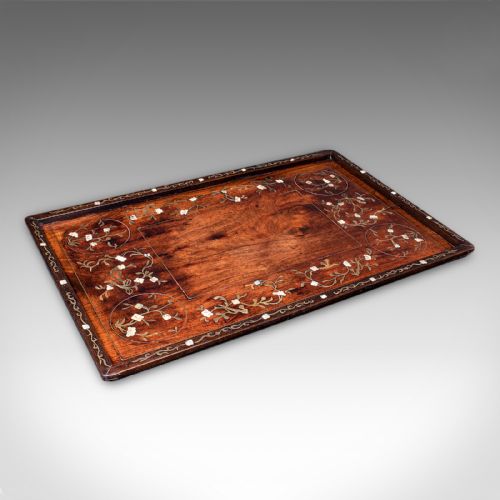
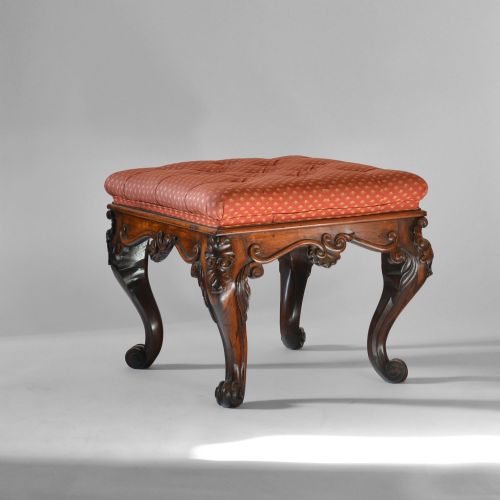
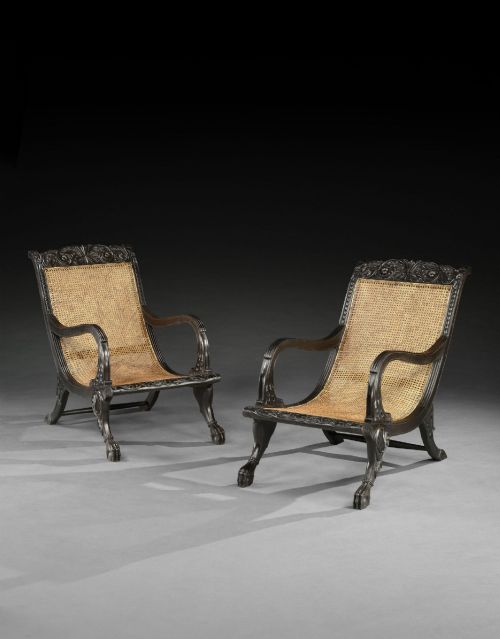
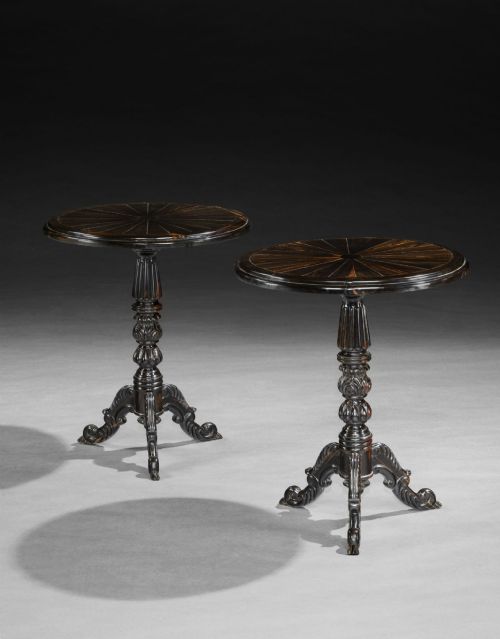
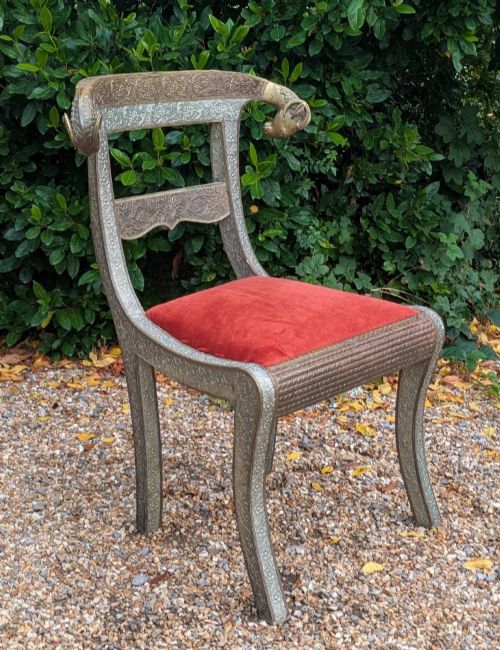
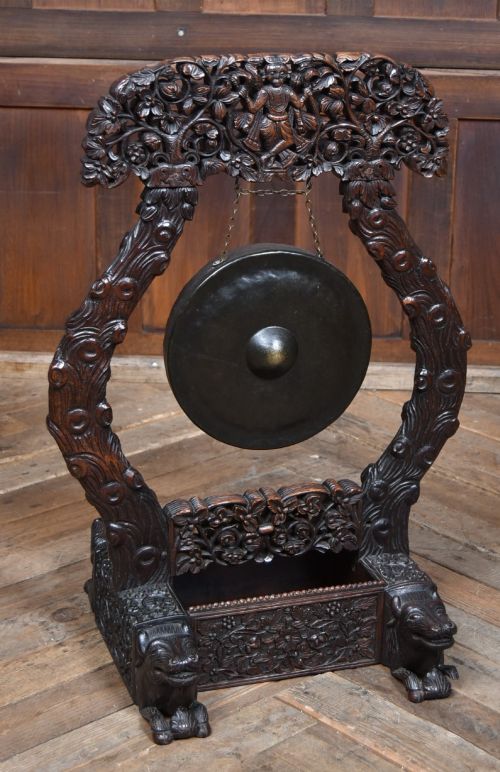
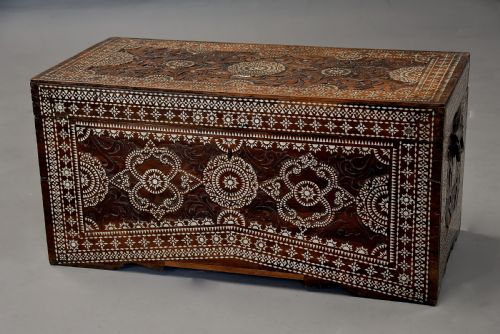
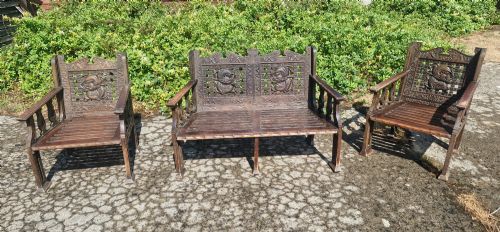
These pieces of antique indian carving bring tactile depth to a room through dense foliage, animal motifs and geometric inlay.
Antique Indian Carving
An antique indian carving encompasses substantial furniture and decorative objects originating from nineteenth-century workshops, the Victorian era and the Edwardian period. Buyers encounter occasional tables, side tables, armchairs, and storage chests alongside smaller items such as trays, boxes and table lamps.
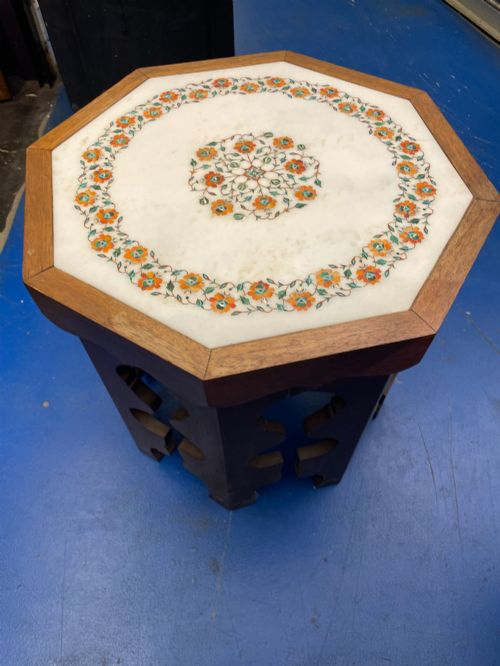
The regional styles span Anglo-Indian, Ceylonese, Burmese, Kashmiri and Hoshiarpur productions, reflecting the cross-cultural exchange of the colonial period. Tables and seating forms dominate the offerings, frequently taking octagonal or tripod configurations intended for display and everyday use.
Cabinetry pieces range from corner cabinets and bookcases to monumental dowry chests bound in iron. Smaller decorative accents include picture display easels, figures, and sandalwood jewellery caskets lined with scented timber.
Materials and Techniques
The structural framework relies upon dense exotic timbers including teak, rosewood, padouk, ebony, hardwood and sandalwood. Artisans utilised hand-carving techniques to work deep relief patterns into the grain, depicting scrolling vines, deities, and figurative scenes.
Inlay work forms a major component of the manufacturing process, incorporating bone, brass wire and mother-of-pearl set flush into geometric or floral compositions. Certain items combine heavy iron strapwork with teak planks to form reinforced storage boxes.
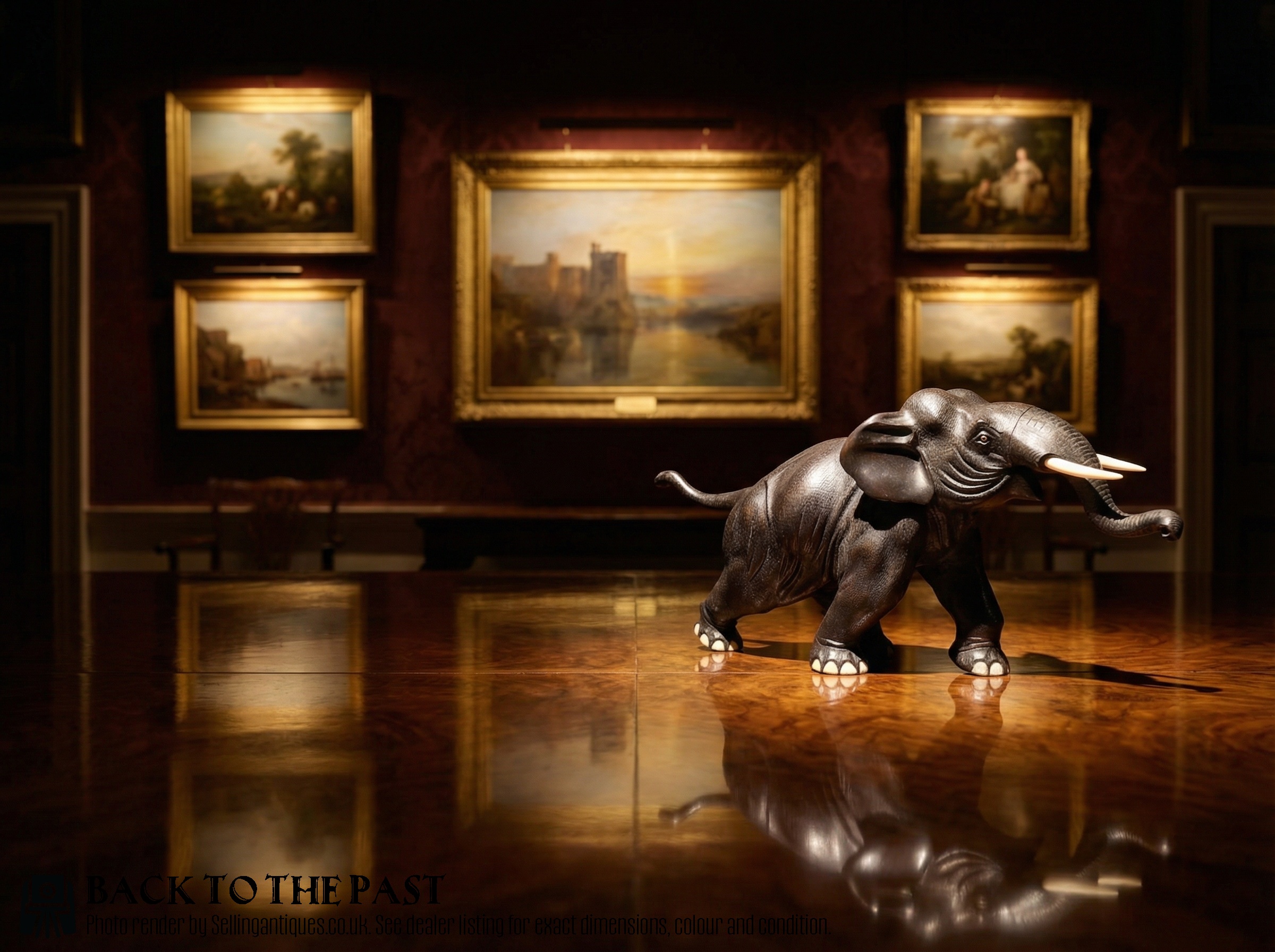
One late Victorian elephant table includes painted wooden tusks alongside standard heavy wood carving.
Craftsmanship and Proportion
The distinction between tiers of work rests upon the crispness of the chisel cut and the depth of the undercut relief. Superior examples maintain symmetry in intricate geometric inlay and retain all original bone or mother-of-pearl segments without shrinkage gaps.
Structural integrity dictates longevity, separating solid timber frames from pieces compromised by excessive drying or poorly executed historic repairs. The handling of secondary woods and the tightness of joinery at corners and turning points reveal the original workshop standard.
The Antique Indian Carving Glossary
- Hoshiarpur
- A stylistic attribution referring to work originating from the Punjab region known for intensive geometric inlay. Pieces from this tradition typically employ wire, bone and wood mosaic.
- Anglo-Indian
- A descriptive term for furniture and decorative arts made in the Indian subcontinent under British rule. These objects adapt local carving skills to European forms such as sideboards and bookcases.
- Padouk
- A heavy, durable reddish-brown tropical hardwood favoured for nineteenth-century tables and cabinetry. The material darkens gracefully with age and exposure to light.
- Sarcophagus
- A coffin-shaped container form utilised for luxury tea caddies and jewellery boxes. The curved lid and tapering body provide generous surfaces for continuous relief carving.
Antique Indian Carving: Frequently Asked Questions
How do I care for antique carved wooden furniture?
Maintain a stable indoor humidity to prevent the dense tropical timbers from splitting along the grain. Apply a minimal amount of microcrystalline wax occasionally to nourish the surface without attracting dust into the carved recesses.
Avoid placing these objects near direct heat sources or strong sunlight which can fade rosewood and teak. Gentle dusting with a soft natural bristle brush keeps the intricate carving clean.
What defines Hoshiarpur furniture style?
Hoshiarpur pieces are instantly recognised by their all-over mosaic inlay executed in bone, brass and lighter woods. The background timber is densely covered with geometric stars, scrolling vines and intricate lattice patterns.
Tables from this tradition frequently feature folding octagonal bases supporting removable tray tops. The technique demands immense precision to ensure every tiny inlay piece sits flush with the base wood.
How can I distinguish regional Indian carving styles?
Ceylonese work often utilises dense black ebony featuring deeply undercut scrolling foliage and animal figures. Burmese carving tends to show high-relief mythological figures and deep floral scrolls on teak structures.
Anglo-Indian productions combine traditional Indian motifs with British domestic forms like pedestal tables and writing desks. Examining the choice of primary timber and the character of the relief work helps clarify the geographic origin.
Are these tables sturdy enough for daily use?
Solid hardwood construction ensures that occasional tables, coffee tables and armchairs remain remarkably robust. Tripod bases and octagonal folding stands provide stable foundations when placed on level flooring.
Inspect the joints periodically and avoid dragging heavy items across carpets to protect the lower leg turnings. With sensible placement, these functional antiques withstand regular domestic interaction.