


Anglo Indian Sculpture
These pieces of anglo indian sculpture bring together colonial craftsmanship and traditional Eastern subjects in heavy hardwoods and soapstone.
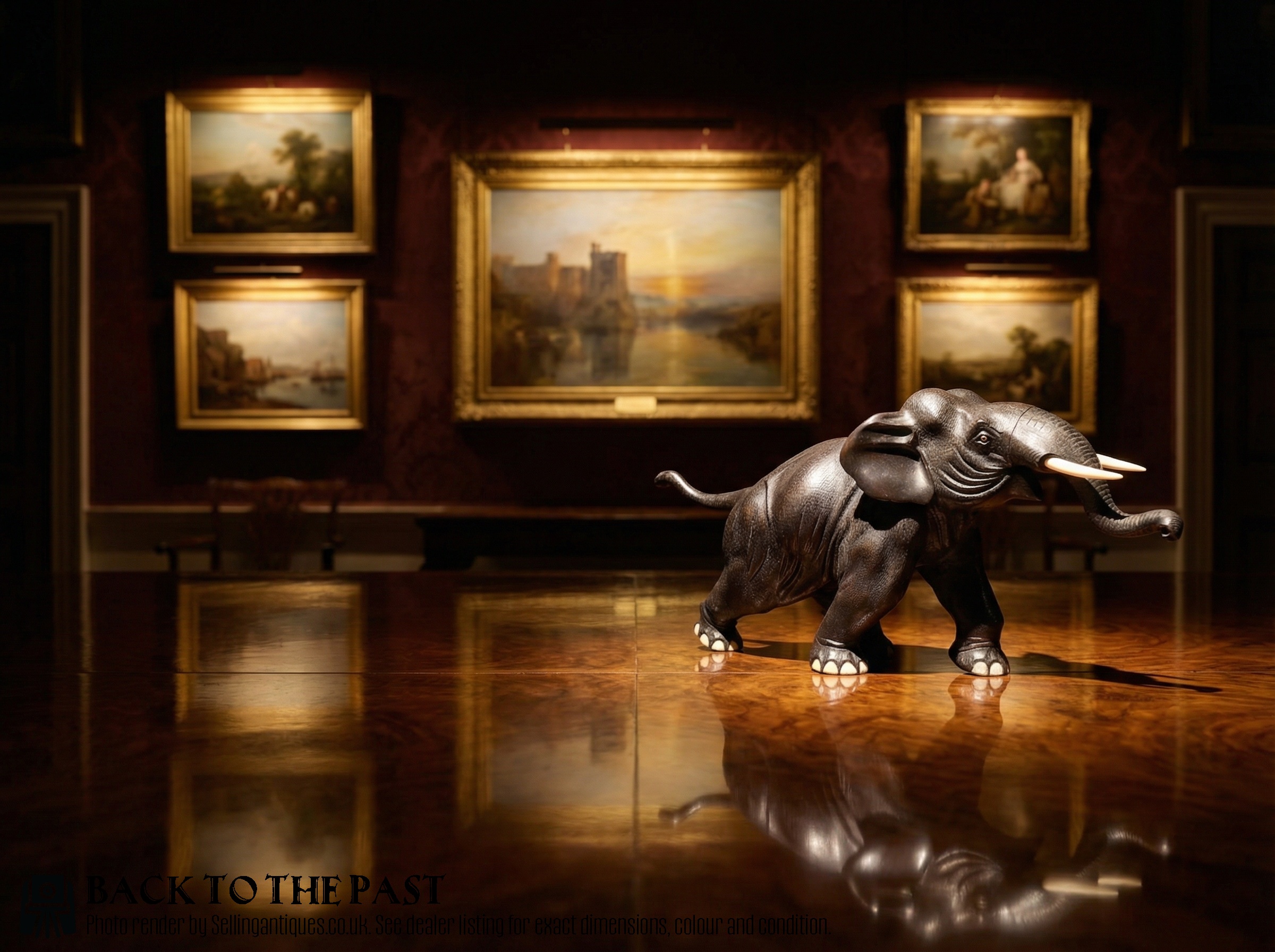
Anglo Indian Sculpture
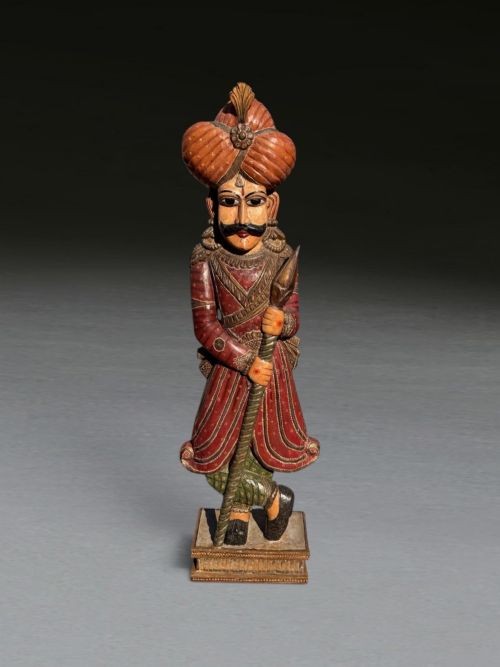
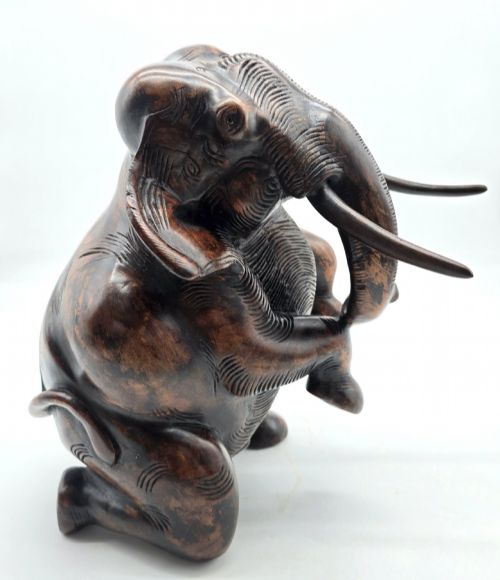
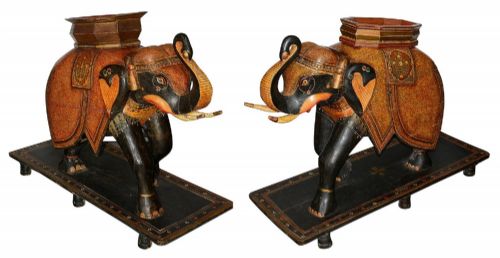
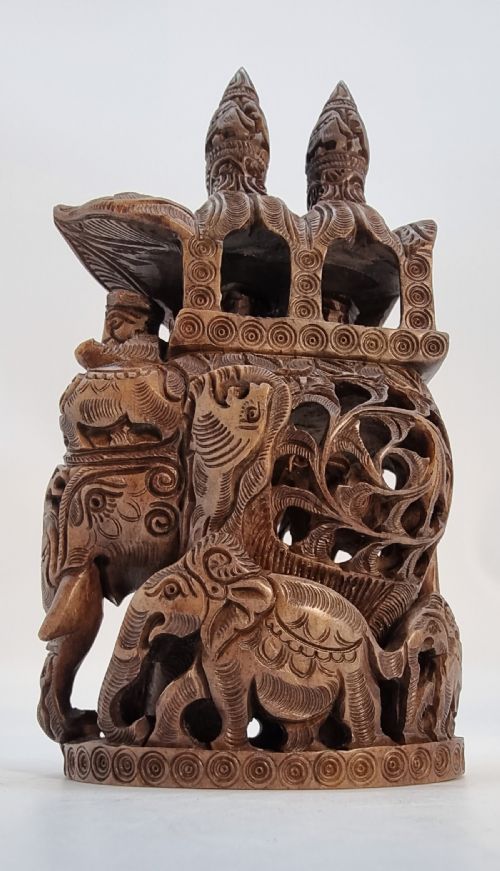
When you search for anglo indian sculpture, you find figures and panels created during the colonial period that combine British taste with local Indian artistry. The selection on this page consists largely of carved hardwood animals, notably elephants, alongside wall panels and figurative studies.
The forms range from life-size animal figures to architectural wall masks, spanning periods from the mid-eighteenth century through to the early twentieth century. Hardwood remains the predominant material, complemented by occasional examples in soapstone, staghorn, and bronze.
How they were made
Makers utilised alternative materials including soapstone and staghorn for smaller figurative studies, relying on precise incision rather than bulk shaping. Construction methods involve solid blocks of carved wood or framed panel assemblies for architectural elements.
Among the procession of massive carved elephants, a solitary life-size wooden goat stands ready to anchor the menagerie.
What varies in quality
The degree of anatomical observation separates simpler carvings from more accomplished works, particularly in animal studies where posture and proportion dictate realism. Deep relief carving on wall panels and figures shows greater depth and precision in superior examples.
The choice of material influences the character of the object, with dense ebonised timbers and heavy teak offering finer retention of detail than softer woods. Finish and surface treatment, whether through polished lacquer or intact pigment, affect the overall presence of the piece.
The Anglo Indian Sculpture Glossary
- Hardwood
- Timber derived from broad-leaved trees, providing the dense foundation for the majority of these sculptures. These woods allow for crisp carving and substantial weight.
- Soapstone
- A talc-schist mineral used for small-scale studies and figures. Its softness permits smooth polishing and fine incision work.
- Lacquer
- A resinous coating applied to wood surfaces for decoration and protection. It provides a glossy finish that highlights underlying colours and patterns.
- Treen
- Small handmade wooden utilitarian and decorative objects. This term covers architectural remnants and smaller items grouped within colonial woodwork.
- Gesso
- A plaster mixture applied to wood as a base for paint or gilding. It creates a smooth ground for surface ornamentation.
Anglo Indian Sculpture: Frequently Asked Questions
How old are these sculptures?
The pieces span from the mid-eighteenth century to the early twentieth century, with many originating in the nineteenth century during the Raj period.
Dates are determined by style, timber type, and construction methods characteristic of specific decades.
What animals do these sculptures depict?
Elephants appear frequently, alongside figures of soldiers, goats, stags, and iguanas.
These subjects reflect both local fauna and the ceremonial roles animals played within the colonial visual culture.
Where were these pieces made?
They were produced in workshops across the Indian subcontinent and Burma during the British colonial administration.
Craftsmen adapted local sculptural traditions to suit the decorative preferences of British residents and the export market.
How do I care for hardwood sculptures?
Keep wooden and soapstone pieces away from direct heat sources and drastic humidity changes to prevent timber splitting.
Dust gently with a dry, soft cloth without applying modern chemical polishes or oils.