
19th Century Ebony
Encountering 19th century ebony reveals dense, dark timbers shaped into everything from heavy seating to intricate boxes.
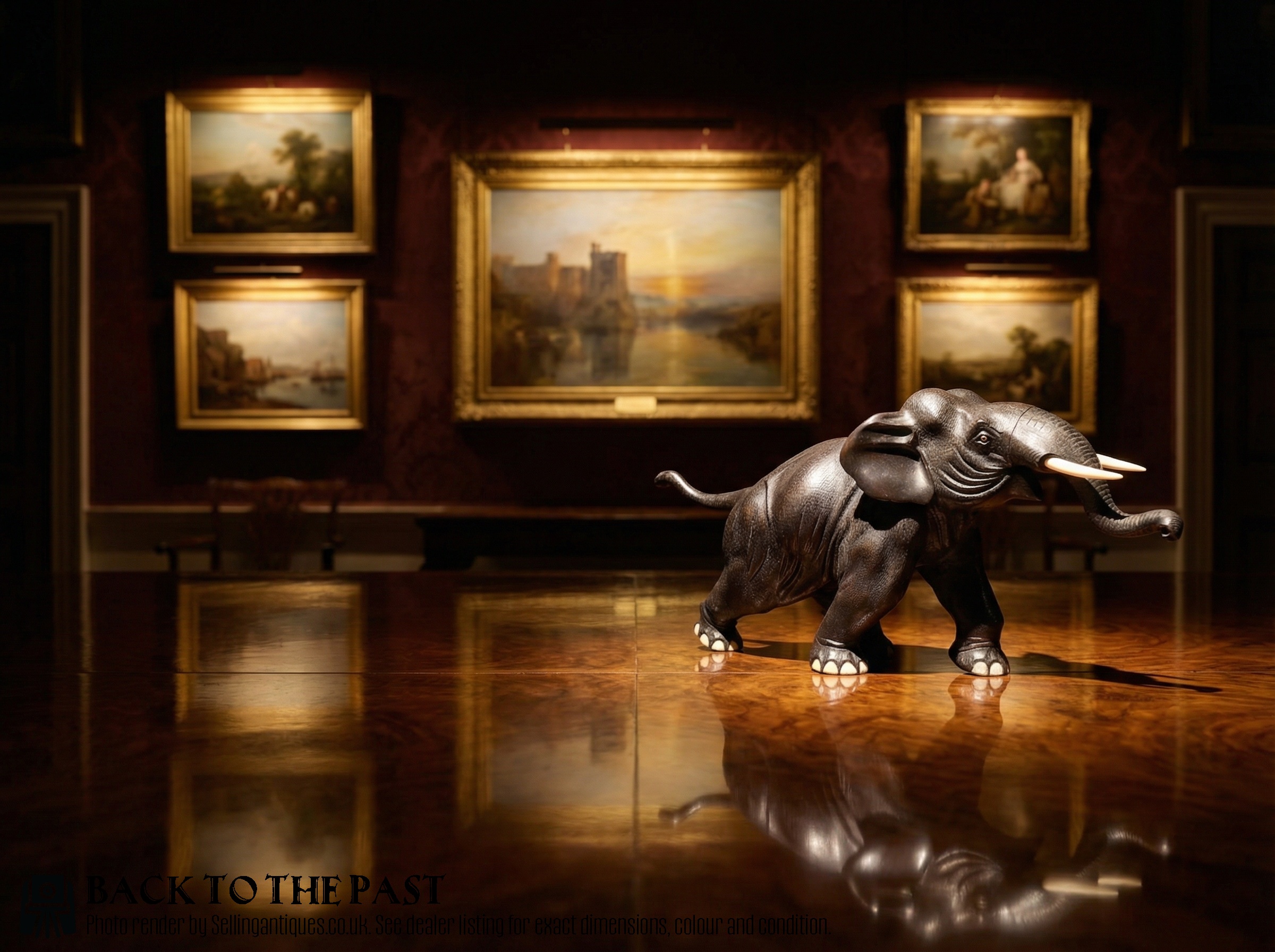
19th Century Ebony
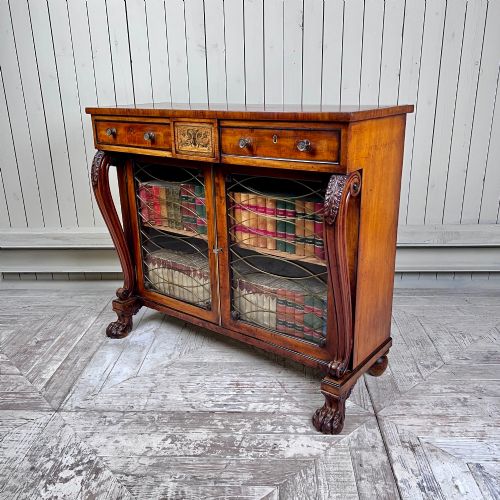
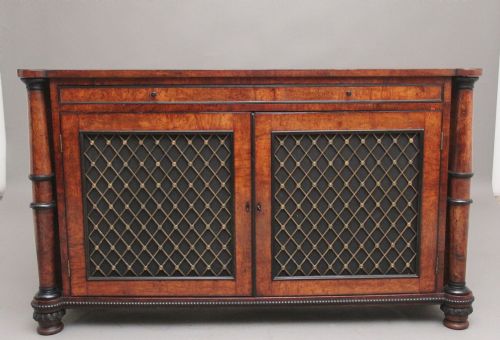
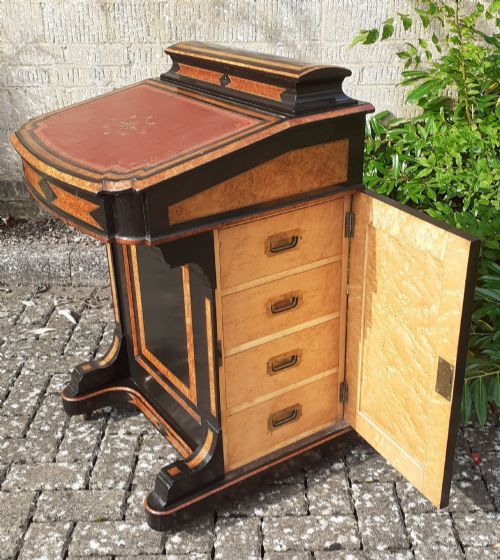
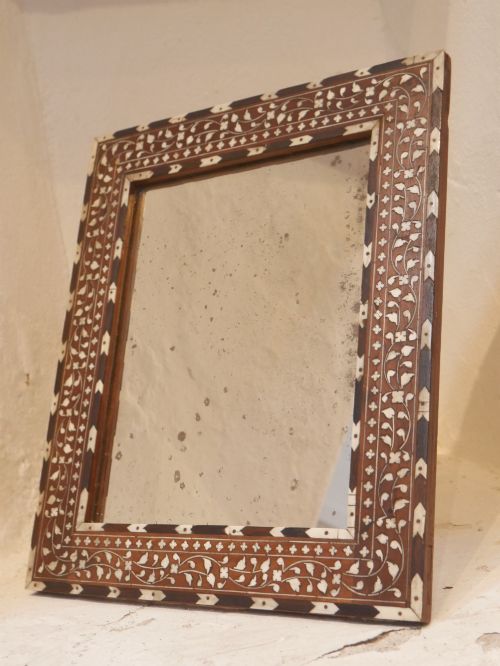
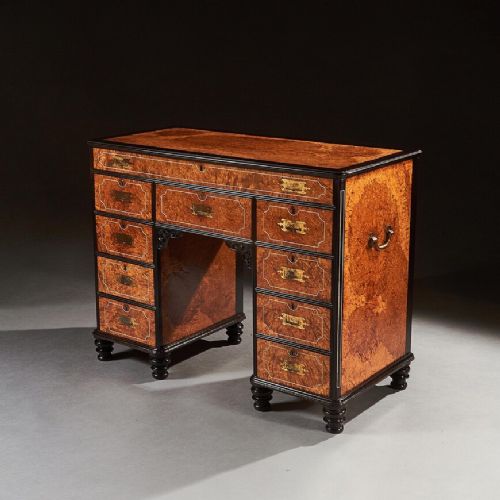
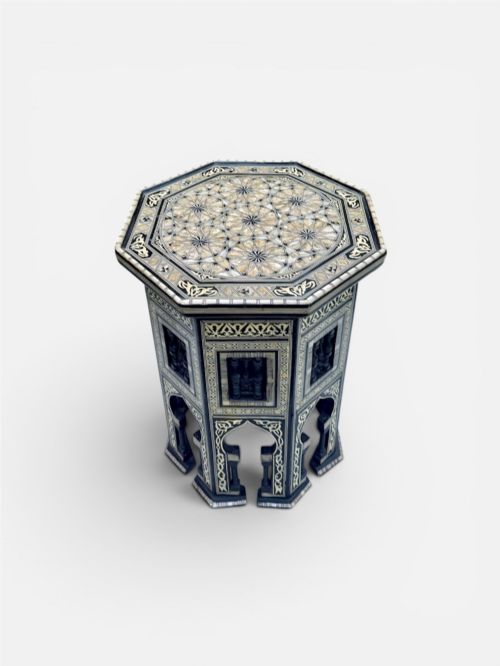
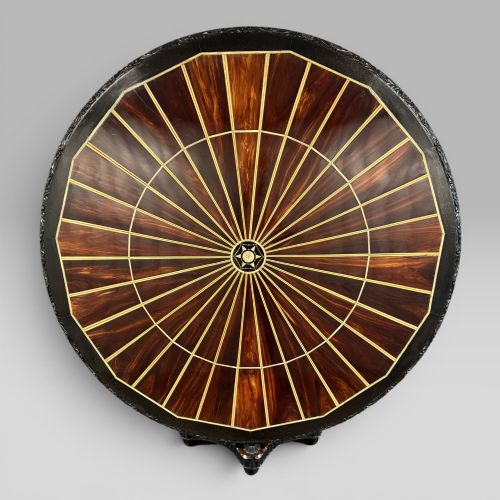
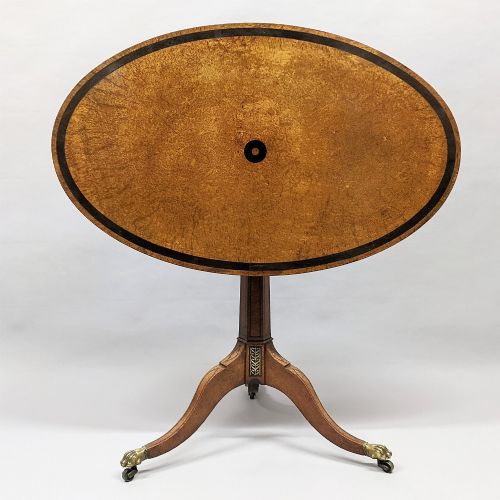
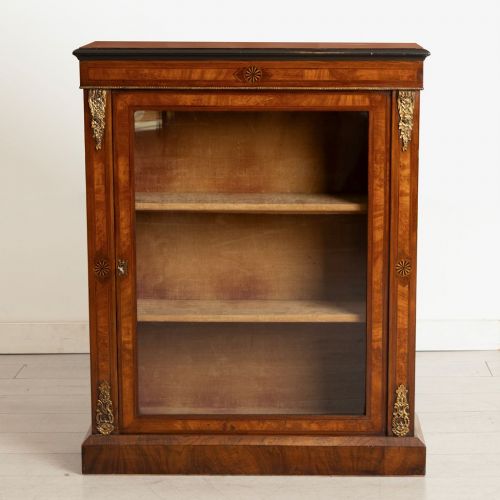
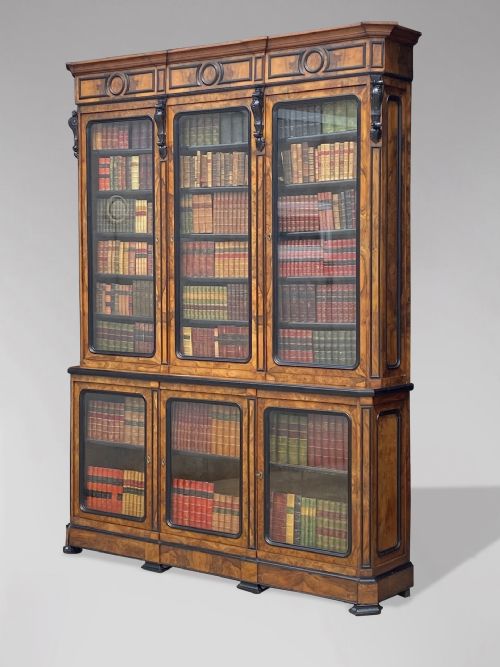
Buyers exploring 19th century ebony encounter a dense grouping of dark wood furniture, small decorative objects and practical accessories spanning the Victorian, Regency and later decades. Solid tropical timber meets lighter primary woods inlaid with dark bands or strung with fine lines.
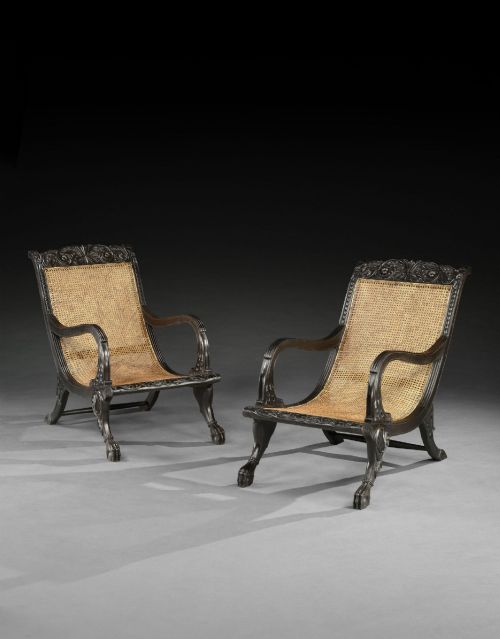
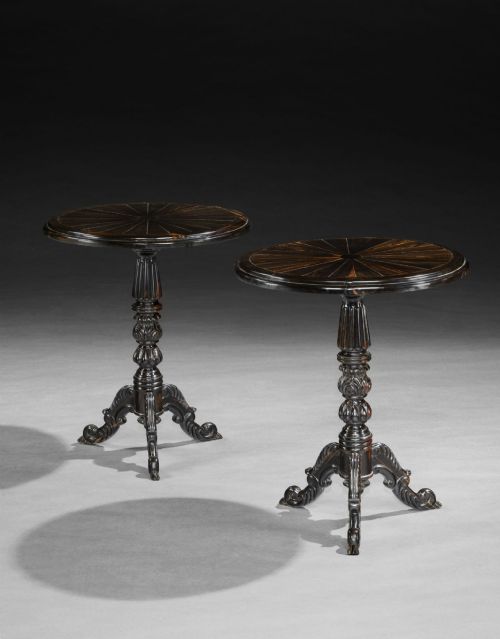
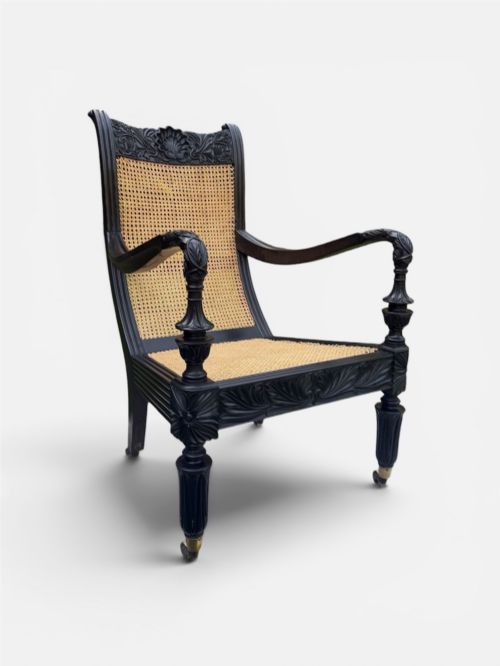
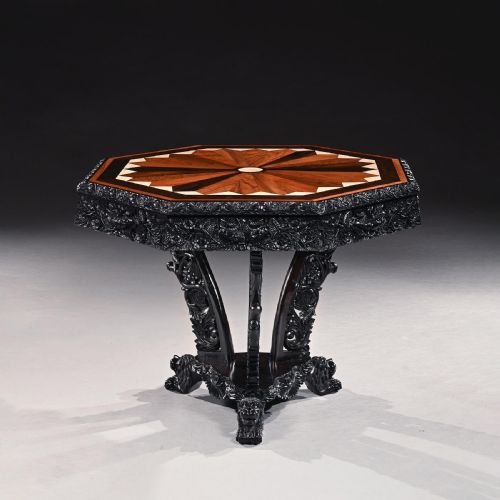
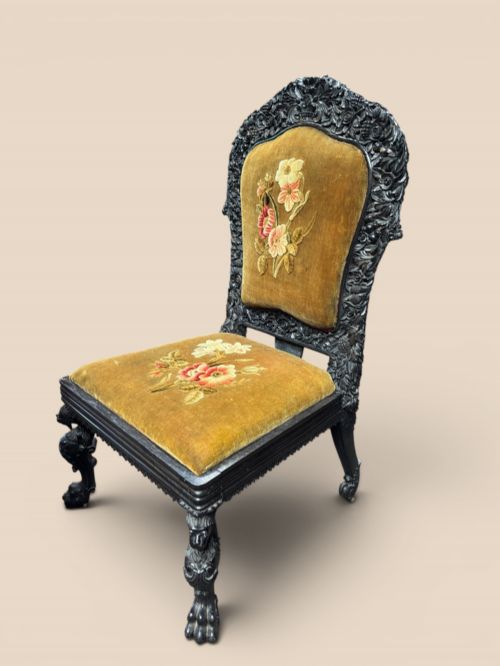
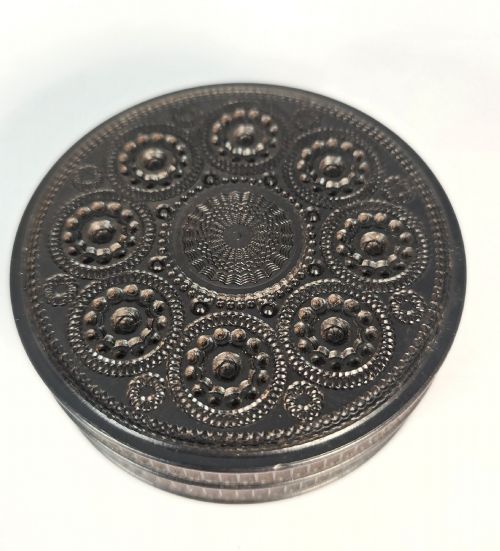
Seating forms range from heavy Ceylonese armchairs to side chairs carved in regional workshops, alongside occasional tables, writing desks and small display cabinets. Smaller items include carved animals, boxes, inkstands and walking canes incorporating bone or metal mounts.
Colonial production from Ceylon and India appears frequently alongside English cabinetmaking and continental European pieces utilising ebonised wood or contrasting veneers. Solid construction characterises many regional items, while European workshops often apply the dark timber as inlay or banding.
How they were made
Makers utilised the naturally dark heartwood for solid carved items like seating and sculptural animals, exploiting the heavy density of the material for deep relief work. Cabinetmakers also paired ebony with contrasting timbers such as amboyna, satinwood, mahogany and rosewood to highlight structural lines and panels.
Inlay techniques involved precise stringing, geometric banding and complex Boulle work incorporating tortoiseshell and brass alongside the dark wood. Turned elements including columns, chess pieces and engine-turned surfaces demonstrate the capacity of the timber to hold crisp, sharp detail under cutting tools.
Solid ebony is so dense that it famously sinks straight to the bottom of water without a single bubble of hesitation.
What varies in quality
The refinement of carved detail separates standard regional production from exceptional studio work, particularly on Ceylonese armchairs and animal figures where deep undercutting and naturalistic proportions reveal the carver's skill. Surface finish and grain selection also dictate standing, with striking figure in secondary woods like amboyna or satinwood enhancing the contrast against the dark ebony ground.
Structural integrity in complex multi-wood furniture depends on how well timber movement was managed during assembly, as contrasting woods react differently to environmental changes. The precision of inlaid stringing, the crispness of engine-turning on small boxes, and the quality of original brass or silver mounts all distinguish superior examples.
L. Vick of Stroud·Brigg·Wang Hing and Company·Maison Millet·Dr Christopher Dresser·Augustin Edouart·Soubrier·Diehl
The 19th Century Ebony Glossary
- Ebonised
- Wood treated with a black finish to imitate true ebony. This technique allowed European cabinetmakers to achieve dark contrasts without sourcing solid tropical timber.
- Stringing
- Thin inlay lines of contrasting wood or metal set into grooves on furniture surfaces. It defines edges and panels on Regency and Victorian desks and cabinets.
- Boulle
- Marquetry work using brass and tortoiseshell developed in France. The technique often incorporates ebony grounds and mounts in gilt bronze.
- Ceylonese
- Pertaining to furniture and decorative objects made in nineteenth-century Ceylon, frequently utilising solid local ebony and intricate carved decoration.
- Amboyna
- A decorative burl wood with a rich, mottled grain. It frequently appears alongside ebony on nineteenth-century tables, cabinets and luxury boxes.
19th Century Ebony: Frequently Asked Questions
How do I identify solid ebony?
Solid ebony displays immense weight, a very fine natural grain, and a deep, dark brown or black colour that penetrates beneath the surface without staining.
Lighter woods treated to look dark often reveal paler timber where surface wear occurs or where joins expose the underlying base material.
Where were these pieces made?
Origins span British workshops, continental European centres like France, and colonial production hubs in Ceylon, India and China.
Regional styles often reflect local timber availability, such as solid carved ebony in Ceylonese workshops versus inlaid veneers in European cabinetmaking.
How do I care for ebony furniture?
Maintain stable indoor humidity levels to prevent timber splitting or warping, particularly on pieces combining solid ebony with other woods.
Apply occasional appropriate wax polish to nourish the surface, avoiding harsh modern cleaners that strip historic finishes.
What distinguishes Regency ebony work?
Regency pieces typically employ ebony as fine stringing, geometric inlay or brass-inlaid banding against a primary ground of mahogany or amboyna.
Proportions remain classical and restrained, focusing on architectural lines and sharp contrasts between the dark timber and gilt mounts.