


Dark Wood Elephant
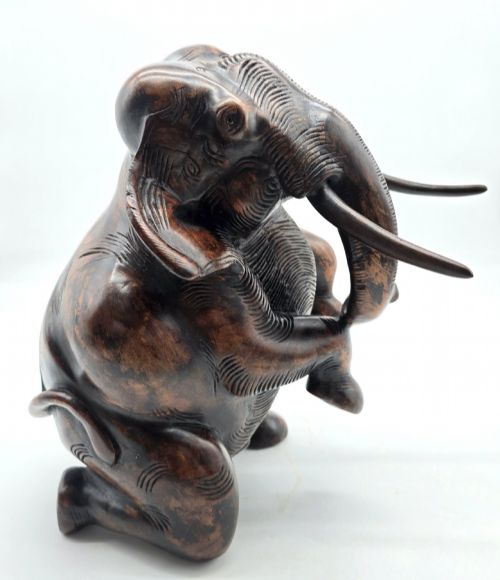
A dark wood elephant brings character and historical craft into a room, taking the form of carved tables, bookends, and freestanding figures from the nineteenth and early twentieth centuries.
Dark Wood Elephant
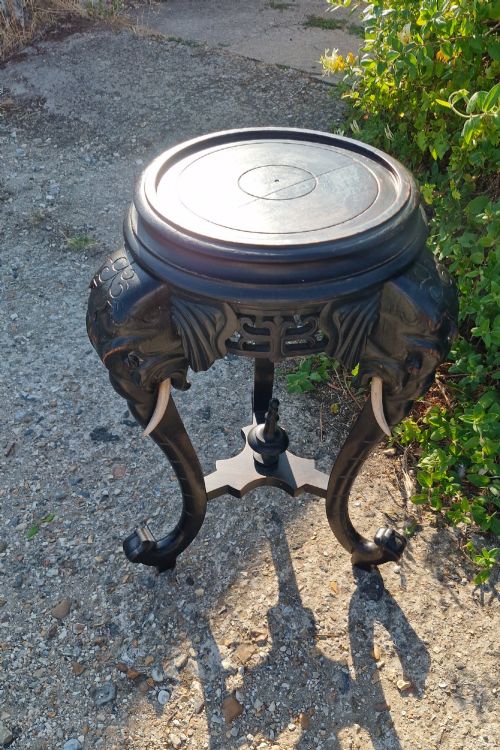
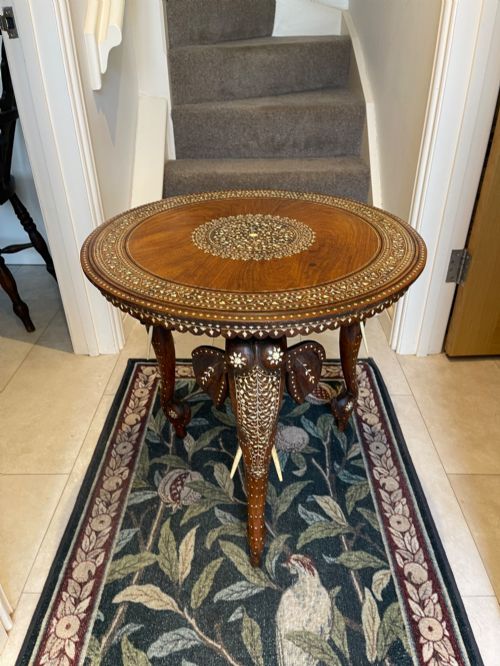
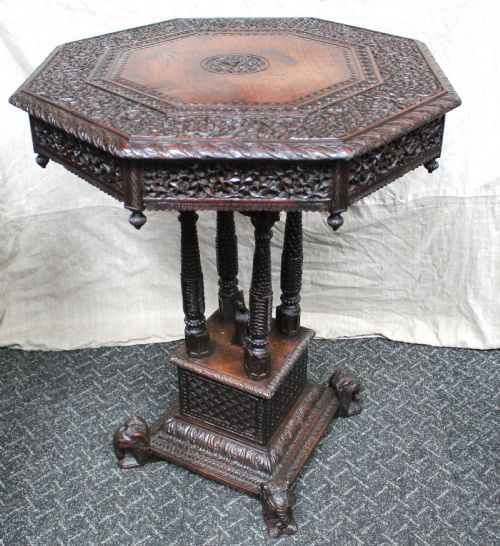
When a buyer searches for a dark wood elephant, they encounter a range of functional furniture and decorative sculpture produced across various global regions during the Victorian and Edwardian eras. The most frequent form on this page is the occasional or side table, often supported by carved elephant legs or featuring a shaped top depicting the animal.
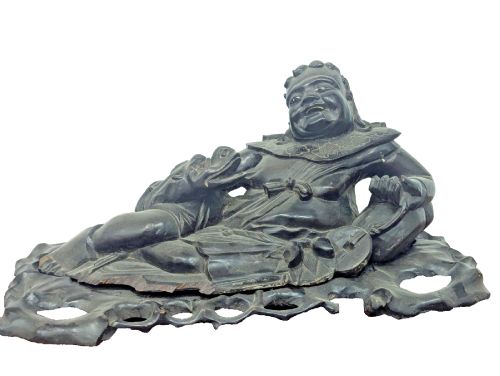
Beyond tables, the selection includes pairs of carved bookends, ceremonial figures, studies of elephants with keepers, and substantial seating such as armchairs and hall benches. These pieces originate from distinct stylistic traditions including Anglo-Indian, Burmese, Qing Dynasty, and Black Forest workshops.
The objects serve as practical items of furniture as well as sculptural studies, reflecting global trade, colonial histories, and European interest in exoticism during the late nineteenth and early twentieth centuries.
How they were made
The makers relied on dense, durable timbers suited to intricate carving, predominantly using teak, rosewood, ebony, and general hardwood. These materials allowed artisans to achieve deep relief work and fine detail on table legs, bookends, and figurative sculptures.
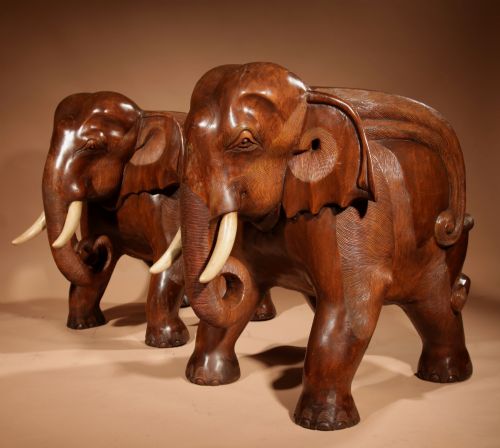
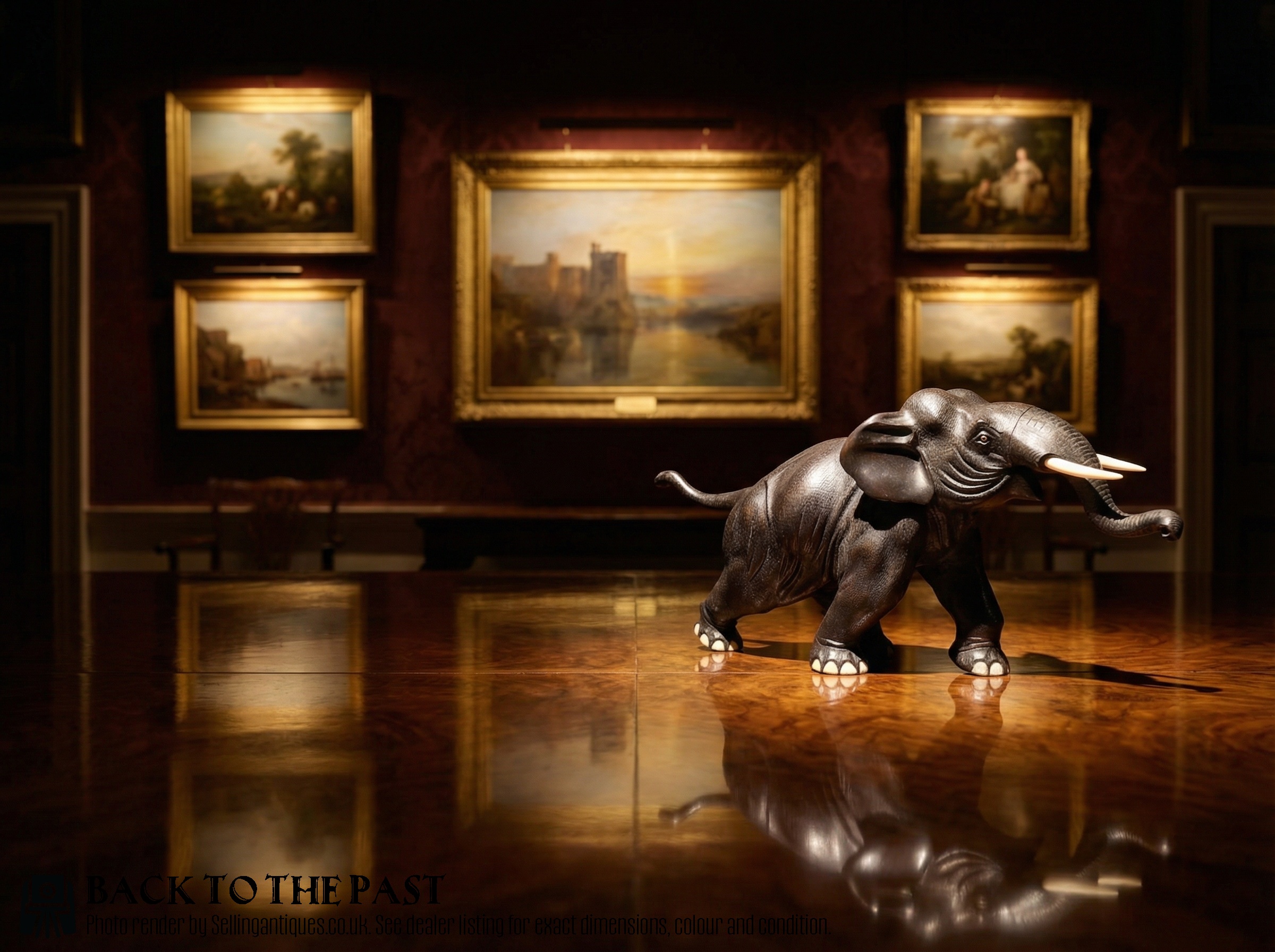
Several elephants are equipped with painted wooden tusks that lend an unexpected charm to the furniture.
What varies in quality
The integration of secondary materials, such as precise bone inlay or well-fitted table tops, separates standard production from finer workshop output. The authority of the carving distinguishes an expressive sculptural study from a repetitive commercial item.
The Dark Wood Elephant Glossary
- Anglo-Indian
- Descriptive of furniture and decorative objects made in India during the British colonial period, often combining local carving traditions with European forms. These pieces frequently utilise native timbers like teak and rosewood.
- Black Forest
- A style of wood carving originating from the mountainous region of central Europe, known for realistic representations of animals and foliage. Items from this tradition often include detailed bookends and furniture.
- Occasional table
- A small, light table designed for versatile placement within a room rather than a single fixed purpose. These often feature decorative supports such as carved animal figures.
- Hardwood
- Timber derived from angiosperm trees, typically dense and heavy, making it suitable for detailed carving and sturdy furniture construction. Ebony, teak, and rosewood fall into this category.
- Bone inlay
- A decorative technique where small pieces of bone are set into recesses cut into a wooden surface to create contrasting patterns. This method appears on tables and stands from specific regional traditions.
Dark Wood Elephant: Frequently Asked Questions
How do I date a dark wood elephant table?
Dating relies on stylistic clues, construction methods, and the specific characteristics of the regional workshop that produced the piece. Comparing the timber type and carving style to documented periods helps narrow down the decade of manufacture.
Most examples on this market date from the late nineteenth century to the early twentieth century, aligning with Victorian and Edwardian production periods.
Where were these elephant tables made?
These items were produced in various global regions, with a significant portion originating from British India, particularly the Bombay presidency and Hoshiarpur. Other pieces stem from Burmese workshops and European carving traditions like the Black Forest.
Trade and colonial connections during the nineteenth century facilitated the export of these carved wooden goods to Western markets.
How should I care for antique hardwood furniture?
Maintain the timber by keeping pieces away from direct heat sources and dramatic fluctuations in humidity to prevent the wood from splitting. Occasional light dusting and minimal application of appropriate wax help preserve the surface finish.
Avoid using harsh chemical polishes that can degrade the patina built up over decades of handling.
Are elephant bookends and figures functional?
Bookends are weighted or shaped to support rows of books on a shelf, combining practical utility with decorative carving. Sculptural studies and figures serve primarily as decorative objects for display on desks, sideboards, or mantelpieces.
Larger items like tables and armchairs combine structural furniture use with elaborate figurative support work.