

1920s Carved Wood
When you search for 1920s carved wood, you meet pieces that bring tactile warmth and solid construction into a modern room.
1920s Carved Wood
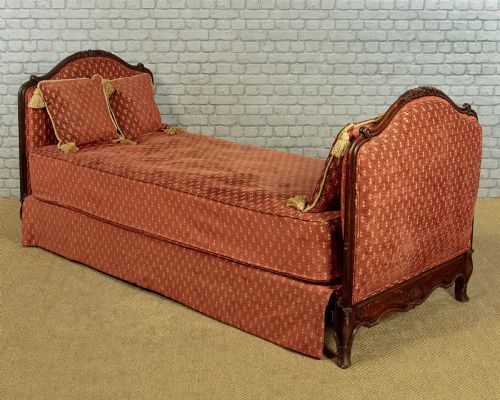
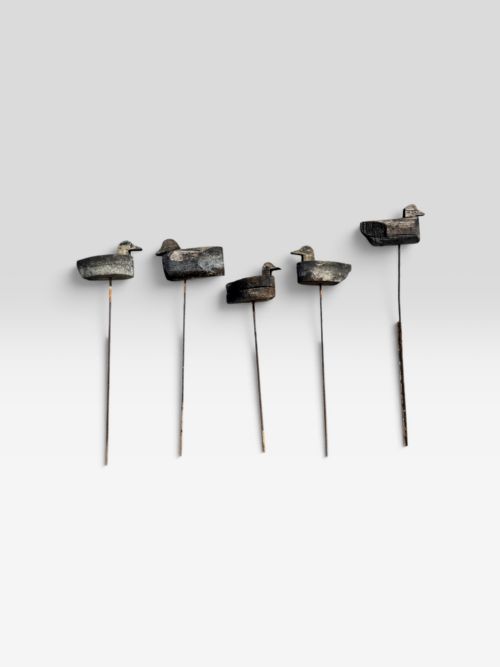
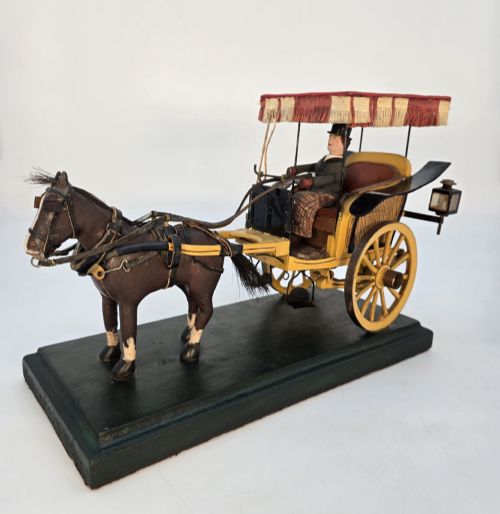
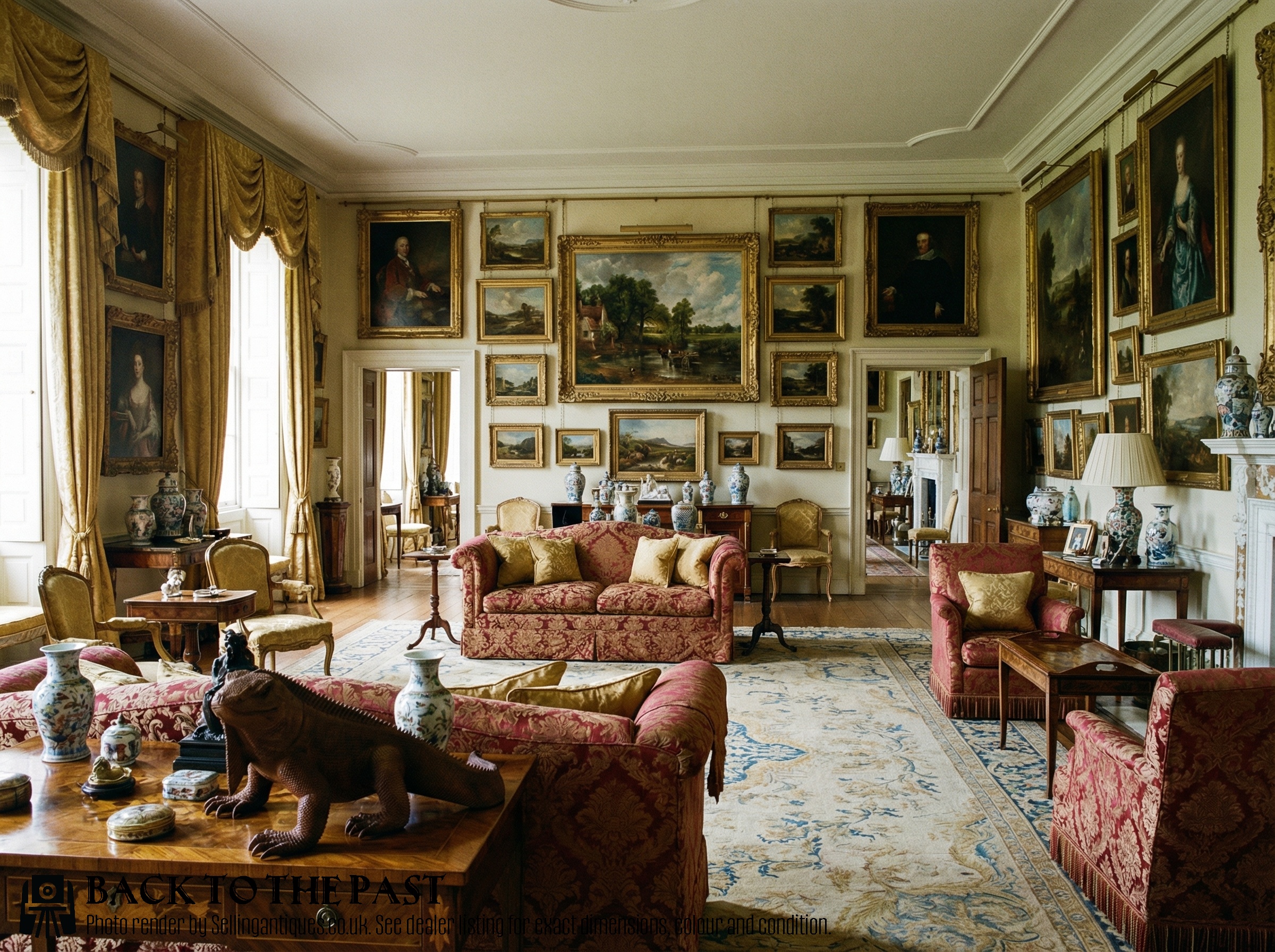
When hunting for 1920s carved wood, buyers encounter a diverse range of furniture and decorative objects from domestic settings. These items span functional seating, tables, cabinets, and mirrors alongside distinct folk art and animal figures.
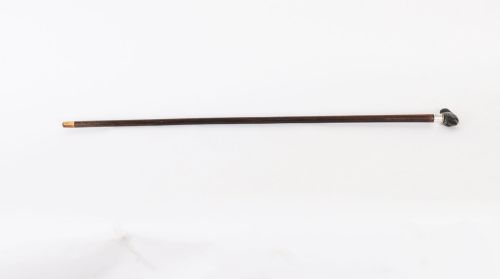
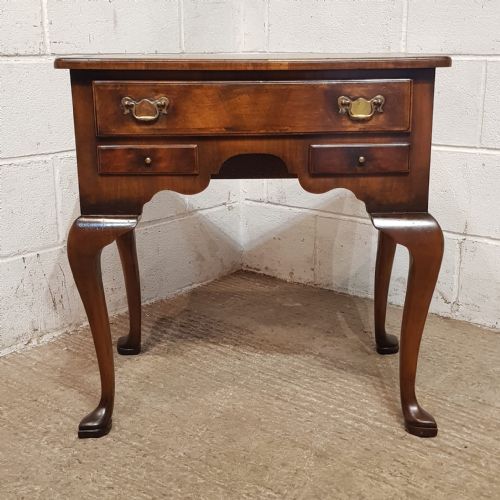
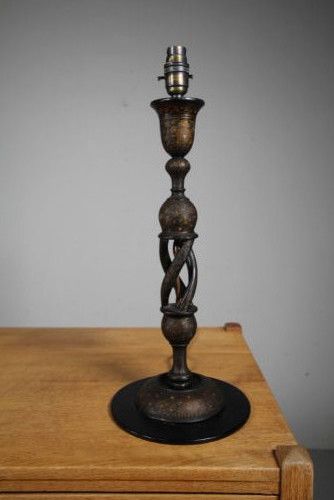
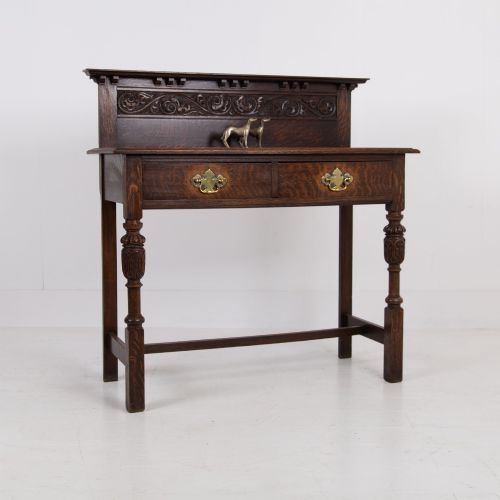
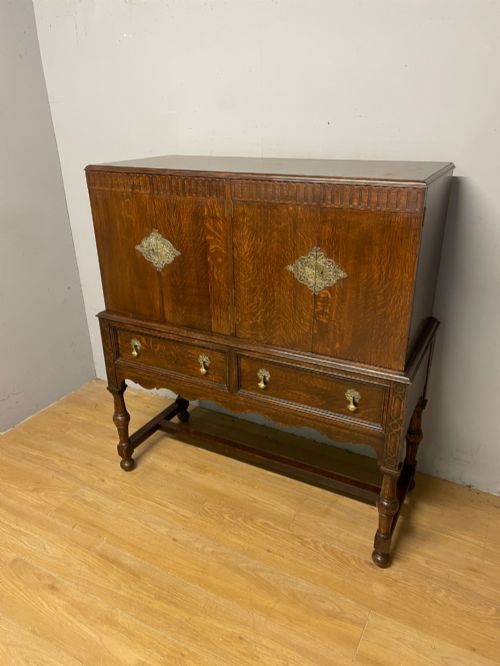
Oak and walnut dominate the offerings, appearing in substantial furniture like sideboards, hall benches, and console tables. Alongside these, smaller decorative items such as wall mirrors, bookends, and lamp bases demonstrate the period's stylistic range.
Revival styles heavily influence the selection, with Jacobean, Queen Anne, and Georgian interpretations sitting alongside Art Deco forms and regional expressions like Anglo-Indian or French Provincial work. This mix reflects a period where makers looked backward to historic motifs while embracing contemporary decorative trends.
Understanding Quality Variations
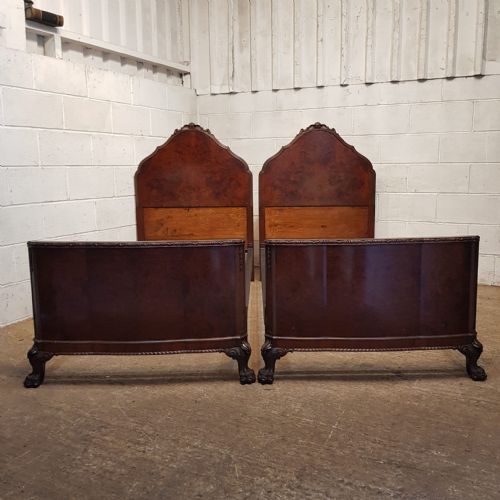
The distinction between standard items and superior examples rests upon the crispness of the hand-carving and the choice of timber. Finely figured burr walnut veneers and deeply undercut woodwork separate exceptional items from simpler production pieces.
Design integrity and proportion dictate the standing of a piece within its category. Items that successfully integrate revival styles with balanced proportions hold a stronger presence than those with heavy or derivative ornament.
Listings show a strong presence of oak and walnut furniture alongside decorative mirrors and carved wooden animal figures.
The 1920s Carved Wood Glossary
- Barley Twist
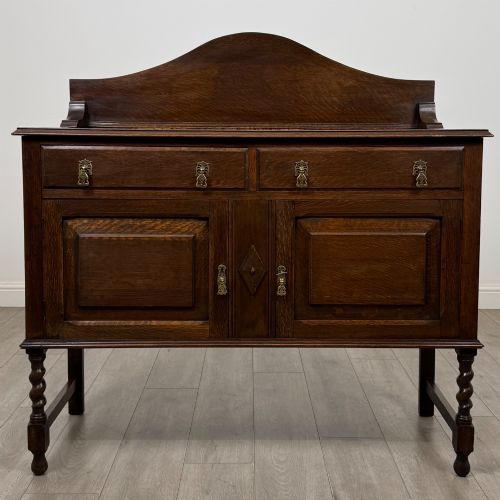
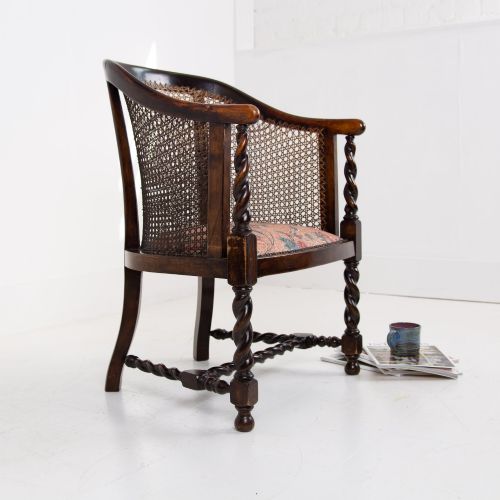
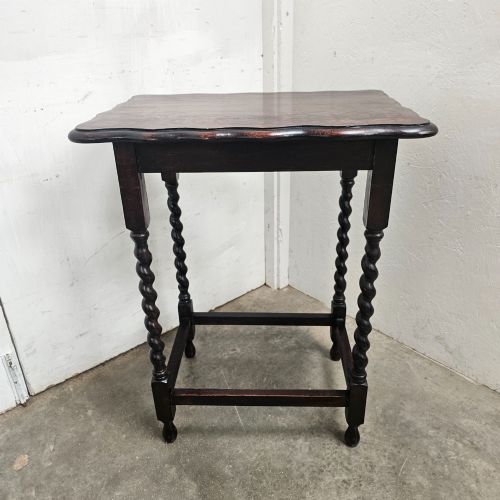
- A turned column resembling a rope twisted into a spiral. This technique appears frequently on the legs of oak tables, sideboards, and candlesticks from the period.
- Burr Walnut
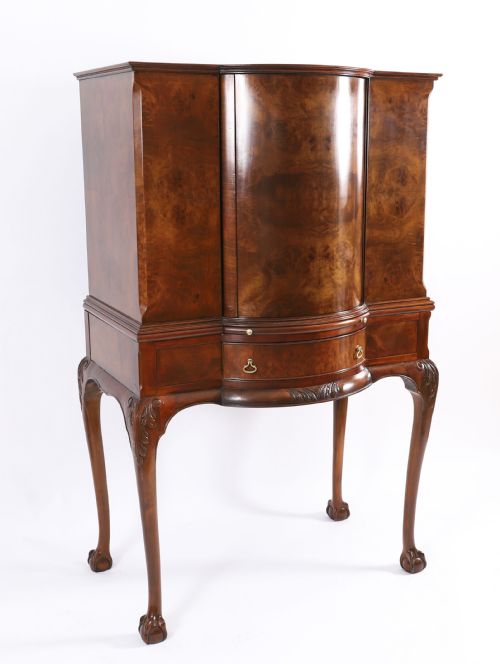
- A timber derived from the irregular growths on walnut trees, yielding complex swirling grain patterns. Makers utilised these veneers on the surfaces of cocktail cabinets and tables.
- Overmantle Mirror
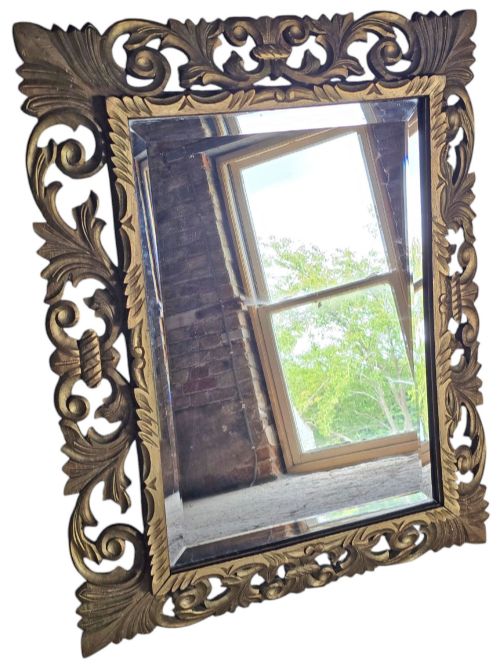
- A large wall mirror designed to hang directly above a fireplace mantelpiece. These often feature giltwood frames and carved architectural details.
- Jacobean Revival
- A design style inspired by early seventeenth-century English furniture. Pieces in this manner display sturdy oak construction and geometric carved panels.
- Fret Cut
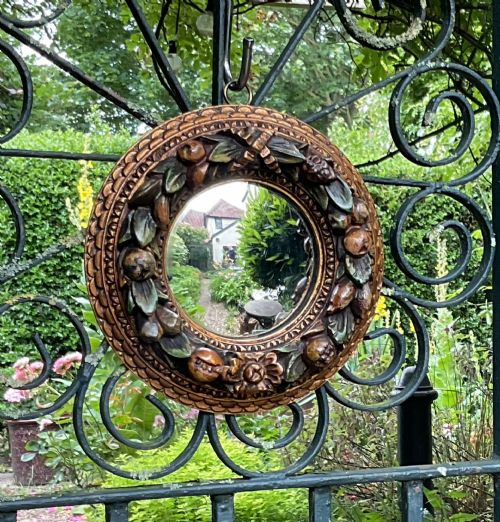
- A woodworking technique where patterns are pierced or cut through thin timber. It defines the decorative outlines seen on walnut wall mirrors.
1920s Carved Wood: Frequently Asked Questions
What styles are common in 1920s carved wood?
Revival styles dominate the period, with makers drawing heavily on Jacobean, Queen Anne, and Georgian aesthetics for furniture construction.
At the same time, Art Deco influences and regional folk art forms appear in smaller decorative objects, mirrors, and animal carvings.
Which woods were used most frequently?
Oak and walnut form the foundation of the majority of furniture pieces, appearing in solid form or as veneers.
Burr walnut provides distinctive figured surfaces on cabinets and tables, while other hardwoods and painted finishes feature across regional items.
How do I identify a revival piece?
Revival items borrow specific structural motifs and decorative elements from earlier centuries, such as barley twist legs or fret-cut mirror frames.
Examining the construction methods and timber characteristics helps distinguish these 1920s interpretations from actual antique originals.
Where were these decorative items placed?
Larger furniture such as sideboards, hall benches, and console tables served practical storage and display functions in hallways and living spaces.
Smaller pieces like carved wooden animals, bookends, and wall mirrors added decorative accents to domestic interiors.