




Antique Architectural Fragment
An antique architectural fragment rescues a stray piece of an old building, offering tangible history and carved detail for modern interiors.

Antique Architectural Fragment
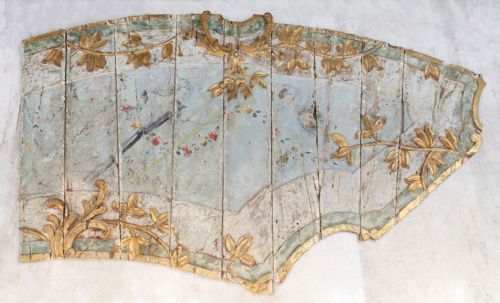
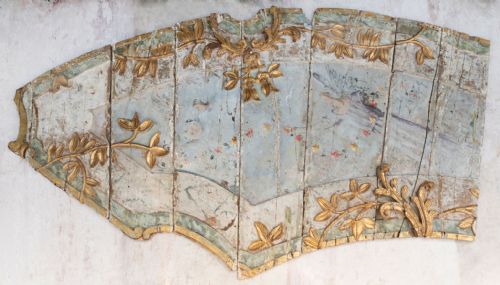
An antique architectural fragment comprises rescued components from older structures, ranging from church interiors to grand domestic properties. Buyers search for these pieces to introduce sculptural weight, historic texture and authentic period craft into contemporary rooms. The selections here span centuries of stonework and woodwork salvaged from buildings across Europe and beyond.
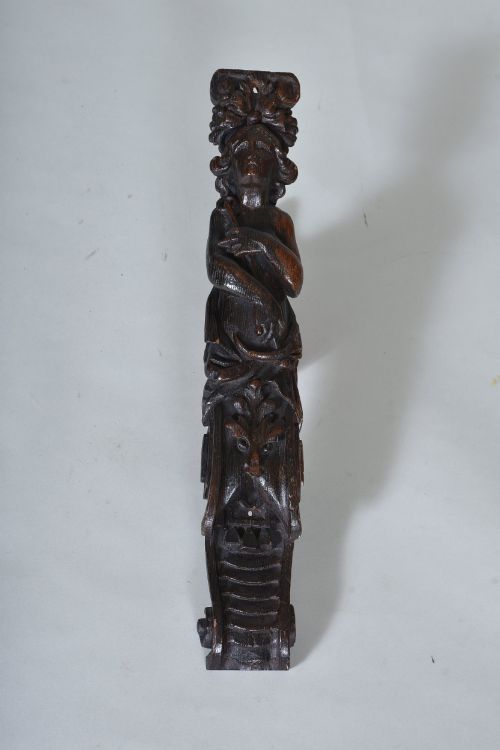
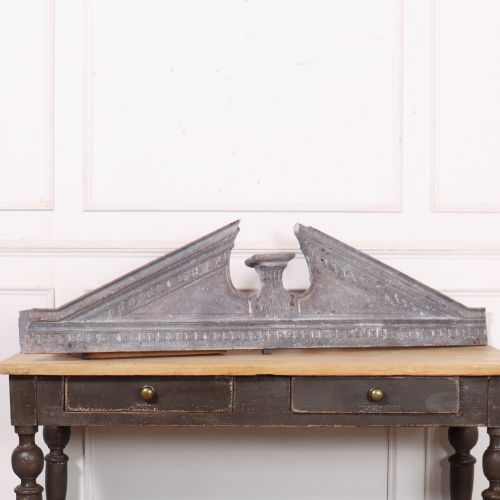
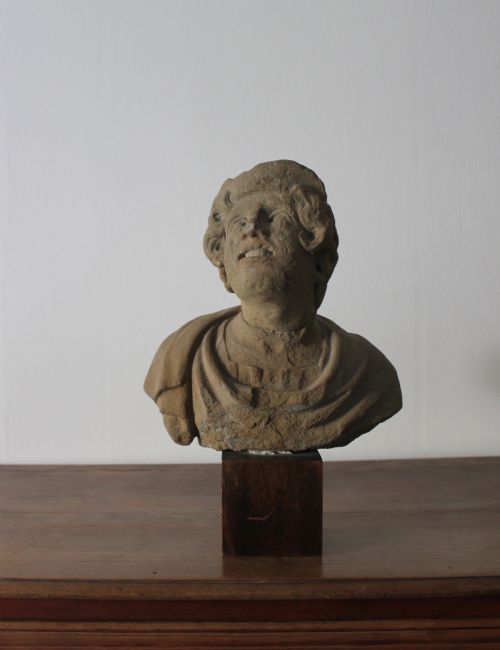
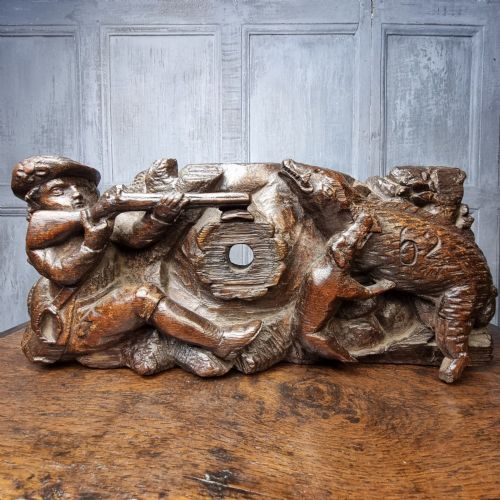
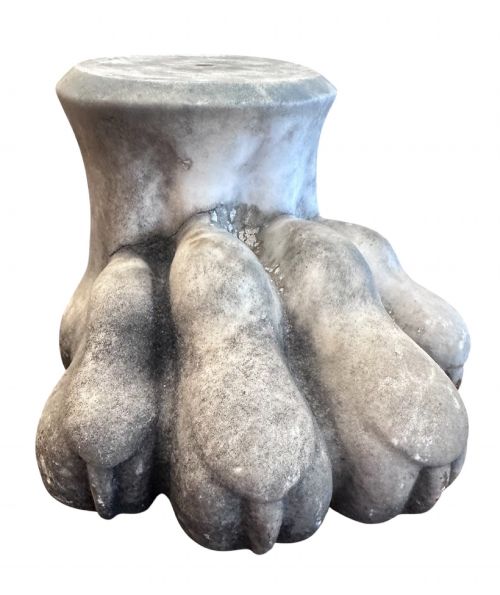
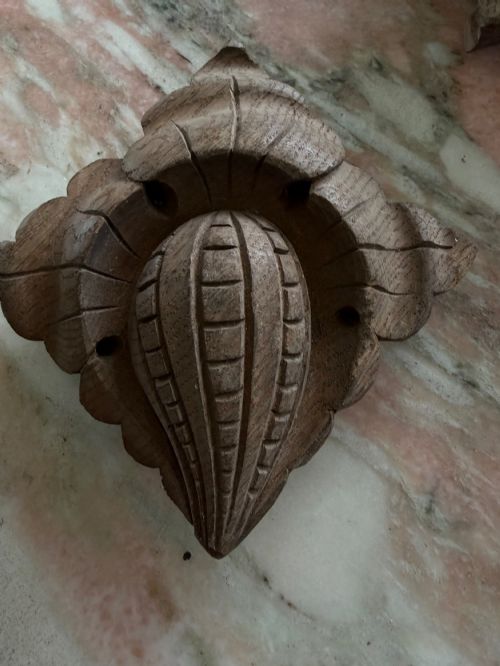
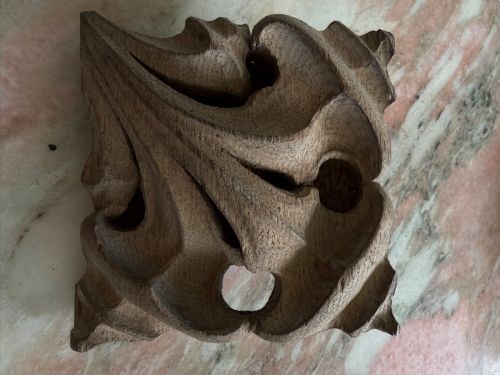
The objects take many forms, including carved oak ceiling bosses, stone capitals, wooden panels, and figurative reliefs. Oak carvings from the seventeenth century and earlier medieval stone fragments appear frequently among these listings. Each piece represents a detached detail, such as a pediment, frieze, or caryatid, once integrated into a larger architectural scheme.
Materials and technique
Makers shaped these fragments predominantly from timber like oak, walnut, and teak, or carved them directly from sandstone, marble, and limestone. Carpenters and masons utilised chisels, gouges, and mallets to execute deep relief carvings, tracery, and figures. Surfaces often retained layers of paint, gesso, or gold leaf applied during their original functional life.
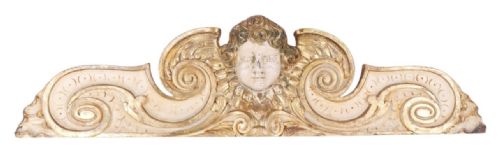
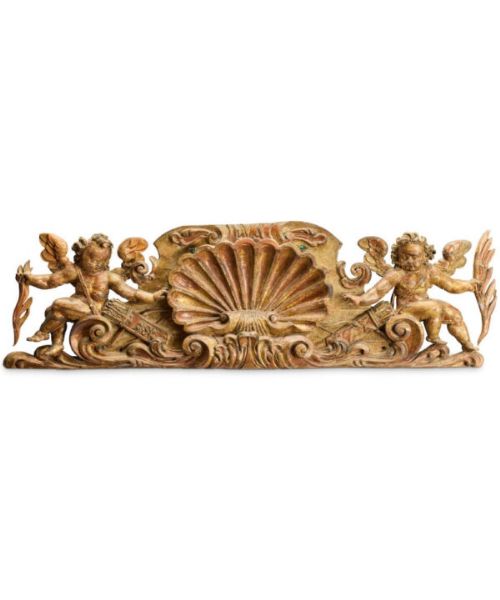
Techniques varied by region and period, encompassing Flemish ceiling bosses, Italian baroque putti, and Indian temple carvings. Artisans worked within distinct stylistic traditions, from Gothic and Renaissance to Baroque and Neoclassical. Structural elements were joined or pegged with traditional methods before later removal from their parent buildings.
A polychrome monkey and elephant sit side by side among the temple fragments.
Quality and character
Quality rests in the crispness of the chisel work, the depth of the relief, and the expressive force of the carved subject. Master carvers achieved anatomical conviction and fluid drapery even within small panels or capitals. Pieces that retain untouched original surfaces, such as early paint or parcel gilding, carry greater visual authority.
Condition involves the natural weathering of stone and the stable patina of aged wood rather than pristine survival. The distinction lies between mechanical mass-production and hand-wrought vigour from period hands. A well-preserved grain and confident proportion separate ordinary salvaged timber from compelling sculptural fragments.
Grinling Gibbons·Hugues Sambin
The Antique Architectural Fragment Glossary
- Ceiling boss
- A decorative projecting block placed at the intersection of ribs in a vaulted ceiling. These often feature carved foliage, heraldry, or figurative designs.
- Caryatid
- A sculpted female figure serving as an architectural support taking the place of a column or pilaster. They appear frequently in classical and Renaissance architecture.
- Pediment
- A triangular or segmental gable surmounting a portico, door, or window. Antique examples often feature carved tympanums or central reliefs.
- Tracery
- Openwork intersecting stone or timber ribs used in windows and panels. Gothic examples display intricate geometric patterns.
- Keystone
- The central wedge-shaped stone at the summit of an arch holding the other voussoirs in place. They are frequently carved with dates, crests, or masks.
Antique Architectural Fragment: Frequently Asked Questions
What is an architectural fragment?
An architectural fragment is a detached piece of a building, such as a carved panel, capital, or corbel, removed during alterations or demolition.
These survivals allow collectors to own individual examples of historic stone masonry and wood carving without acquiring an entire structure.
How were these fragments used originally?
Builders integrated them into churches, temples, palaces, and townhouses as structural supports, decorative mouldings, or focal embellishments.
Over time, alterations or building losses left these specific carved elements behind as standalone artefacts.
How do I display an architectural fragment?
Larger stone and wooden elements work well mounted directly onto walls or displayed on sturdy metal stands as sculptural objects.
Smaller panels and reliefs fit comfortably on plain shelves or tabletops where their carved depth can catch directional light.
How can I tell the period of a carving?
Stylistic markers such as Gothic tracery, Baroque asymmetry, or Neoclassical motifs offer the first clue to a piece's age.
Tool marks, timber species, and the natural patina of the material further help differentiate centuries of craftsmanship.