

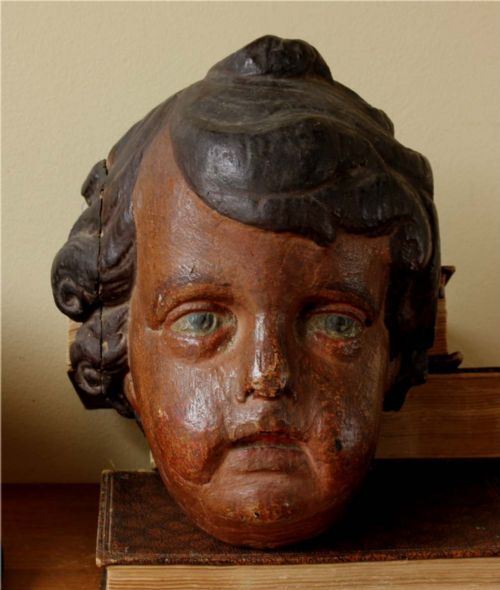


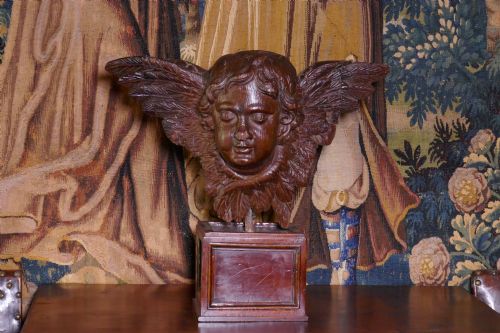


Carved Cherub Head
A carved cherub head brings devotional intensity and baroque theatre to a wall, capturing centuries of timber sculpture.
Carved Cherub Head
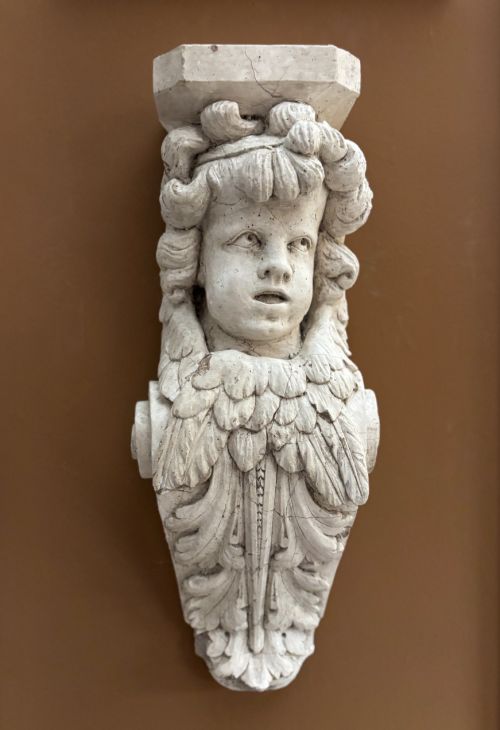
A carved cherub head represents a sculptural tradition spanning from the fifteenth century to the early twentieth century. These pieces appear most frequently as oak wall panels, architectural corbels, and giltwood brackets from the seventeenth and nineteenth centuries.
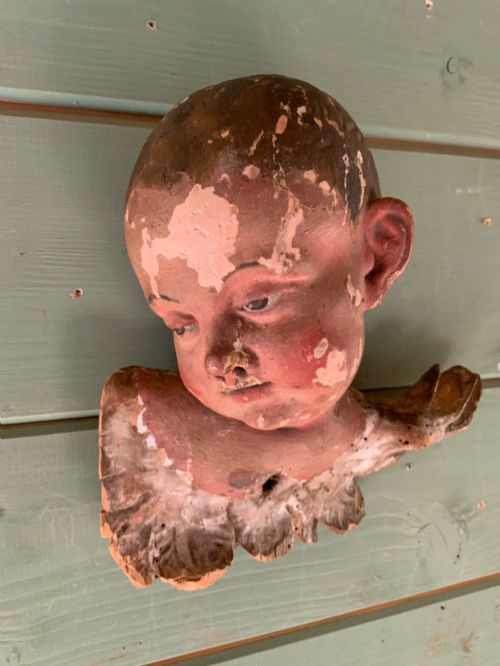
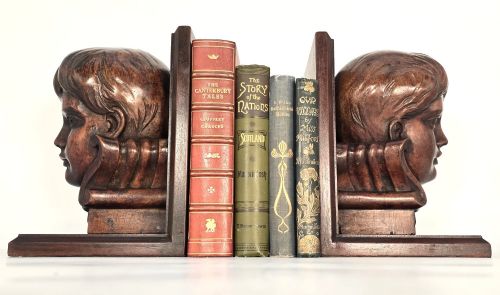
The objects take many functional forms, including library bookends, wall mirrors, and architectural fragments removed from ecclesiastical settings. Oak and walnut dominate the earlier examples, while later nineteenth-century interpretations often utilise gesso, gold leaf, and polychrome finishes.
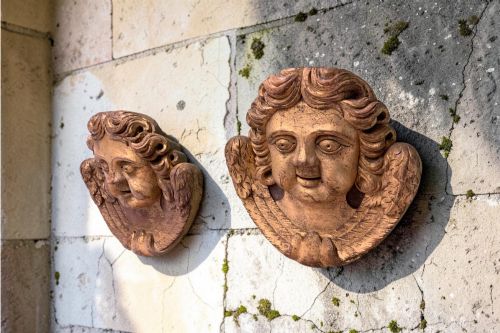
Makers drew on Baroque, Gothic Revival, and Victorian neoclassical idioms to shape these timber visages. Buyers encounter both single wall appliques and symmetrical pairs designed to flank mirrors or support shelves.
Materials and carving techniques
Carvers shaped these pieces primarily from solid hardwoods such as oak, walnut, and boxwood using gouges and chisels to build high relief. Many wooden surfaces received a preparation of gesso before the application of gold leaf or polychrome paint.
Makers often integrated wings directly into the timber block surrounding the head, creating structural depth for wall mounting. Grain direction dictated the limits of the carving, particularly on projecting noses and curled hair.
Carved Cherub Head Retail Price Guide 2026
Typical asking prices for carved cherub head among the pieces listed under this phrase on Sellingantiques today, from the lower quarter to the upper quarter. They describe what is for sale here now, not the wider market.
Materials recorded across the archive include solid oak, walnut, boxwood, gesso, gold leaf, and polychrome wood.
Distinguishing quality in carved timber
Quality rests in the anatomical confidence of the carving, where deep undercut work on curls and wings separates skilled studio output from mechanical production. The preservation of the original surface finish, whether aged oak patina or intact gilding, dictates the integrity of the piece.
Steiner
The Carved Cherub Head Glossary
- Putto
- A plump, naked male child figure found in classical and religious art. These figures frequently lose their full bodies in surviving architectural fragments, leaving only the head and wings.
- Corbel
- A structural piece of stone, wood, or metal projecting from a wall to carry a weight. In timber sculpture, carved heads often decorate the face of these load-bearing supports.
- Gesso
- A plaster mixture used as a smooth base for paint or gold leaf on wood. It allows for crisp ornamental detail before gilding.
- Polychrome
- The practice of decorating architectural elements and sculptures in a variety of colours. Surviving pigment adds significant historical depth to wooden carvings.
- Applique
- An ornamental object applied to a larger surface such as a panel or furniture frieze. Many cherub heads functioned originally as architectural appliques.
Carved Cherub Head: Frequently Asked Questions
What were carved cherub heads used for?
These carvings served as architectural embellishments on wall panels, ecclesiastical furnishings, and domestic library joinery. They also appeared on structural brackets and wall lights designed to decorate formal interiors.
Over time, many of these elements became detached from larger pieces like armorial panels and hall benches. Collectors now mount them independently as sculptural wall art.
How do I date a wooden cherub carving?
Dating relies on timber selection, tool marks, and stylistic context such as Baroque scrollwork or Victorian Gothic revival details. Oak and walnut predominate in earlier centuries, while boxwood and gesso appear more frequently in later work.
Comparative analysis with panel styles and finishes helps narrow the period of origin. Evidence of tool use provides a direct link to workshop practices of the era.
Are these pieces always made of solid wood?
Most examples utilise solid hardwoods like oak, walnut, or boxwood carved directly from a single block. Some pieces incorporate applied gesso layers over the timber base to build up refined surface details.
Surface treatments vary from bare timber with patination to gold leaf and polychrome paint. The underlying material determines the structural weight and mounting requirements.
How should I display a wall bracket or panel?
Wall brackets require secure fixings suited to the weight of the dense hardwood and any projected shelf load. Panels and appliques need stable indoor humidity levels to prevent timber movement and cracking.
Placement should highlight the depth of the carving under directional lighting. Keeping them away from direct heat sources protects both the wood and any historic gilt finishes.