





Antique Putti Head
These antique putti head carvings bring spirited neoclassical and baroque charm to interiors, offering enduring classical detail for collectors.
Antique Putti Head
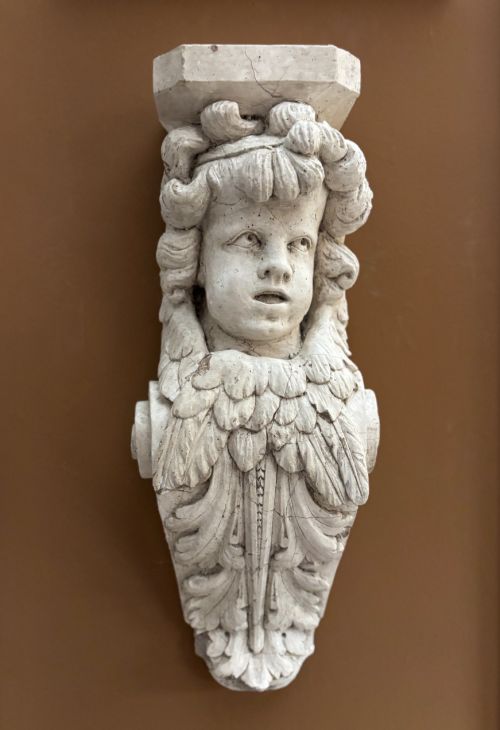
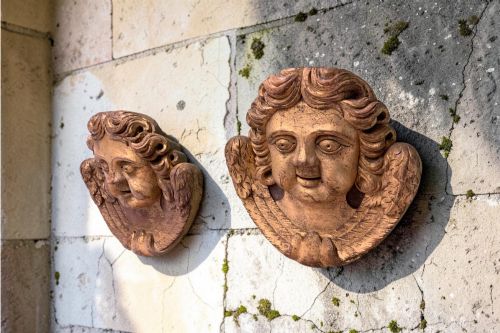
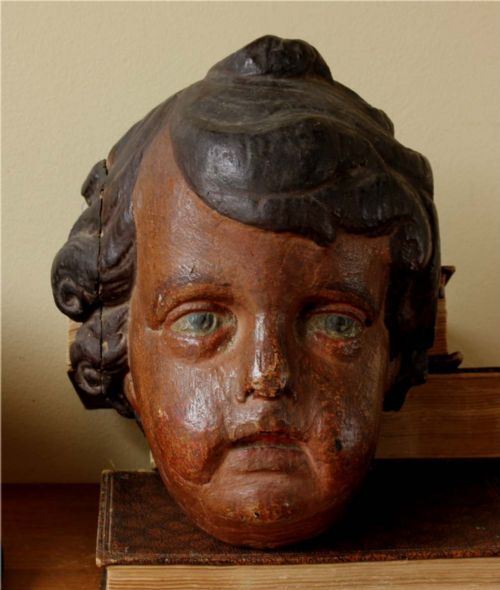
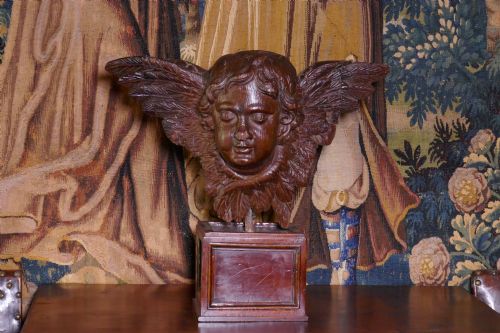
An antique putti head represents the sculptural visage of a cherubic child, frequently emerging from architectural elements like wall brackets, panels, and corbels. These pieces draw heavily on baroque, neoclassical, and rococo traditions, spanning centuries from the seventeenth through the early twentieth century.
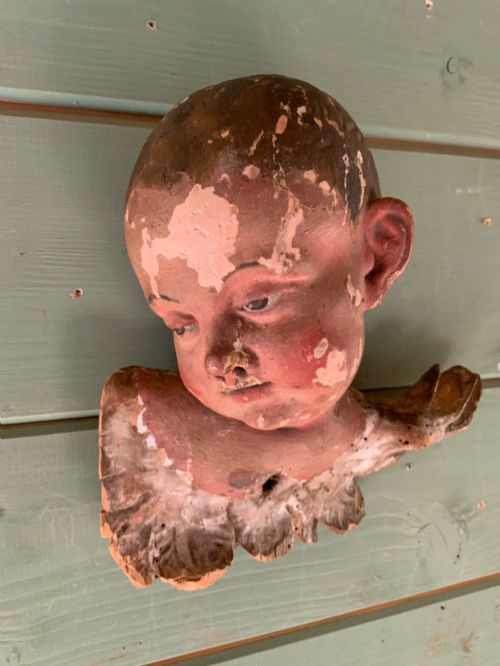
Buyers on this page most commonly encounter carved wood examples, often enriched with polychrome, gesso, or gold leaf finishes. Alongside wood, the selection includes metal interpretations such as spelter and brass, capturing the same mythological motifs across diverse decorative forms.
How they were made
Carved wood forms the backbone of these pieces, utilising materials like oak and boxwood shaped with sharp gouges and chisels. Artisans frequently applied gesso and gold leaf or polychrome paint to enhance the dimensionality and visual richness of the wood sculpture.
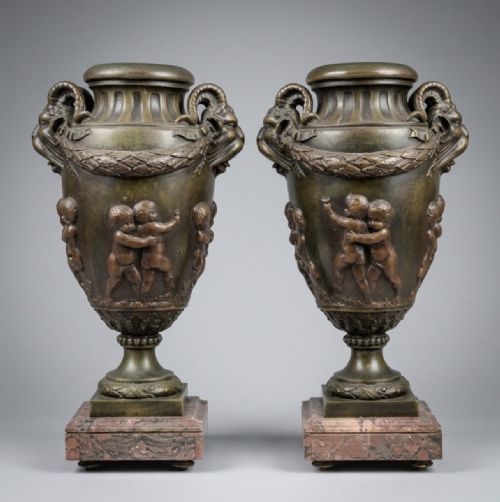
Metal versions rely on casting techniques, particularly with spelter and brass, to achieve durable wall sconces and decorative urns. These metal pieces often combine with other media, such as mounting bronze-finished figures onto solid marble bases.
Antique Putti Head Retail Price Guide 2026
Typical asking prices for putti head among the pieces listed under this phrase on Sellingantiques today, from the lower quarter to the upper quarter. They describe what is for sale here now, not the wider market.
One tiny boxwood carving even moonlights as a brooch, proving that cherubs love to travel.
What varies in quality
The preservation of original surface treatments plays a major role, particularly the integrity of early polychrome, gesso, and gold gilt. Pieces that retain their authentic patination without excessive modern restoration hold greater depth of character.
The Antique Putti Head Glossary
- Putti
- Plural of putto, depicting plump, winged infant figures derived from classical art. They populate baroque and neoclassical design.
- Polychrome
- Decoration in multiple colours applied to wood or stone sculpture. This technique adds lifelike vibrancy to carved faces.
- Gesso
- A plaster-like mixture applied as a base for gilding or painting on wood. It creates a smooth surface for gold leaf adherence.
- Spelter
- A zinc alloy frequently cast to imitate bronze in decorative objects. It gained widespread popularity during the nineteenth century.
Antique Putti Head: Frequently Asked Questions
What periods do these pieces span?
The selection covers items from the seventeenth century through the early twentieth century. Baroque and neoclassical styles dominate the earlier centuries.
Later Victorian interpretations and twentieth-century revivals also appear among the architectural brackets and wall sconces.
How were these carvings used originally?
Many functioned as architectural elements integrated into larger wall panels, corbels, or church furniture. Others served as decorative wall brackets supporting small objects.
Metal variants typically functioned as lighting fixtures like wall sconces or mounted decorative urns.
What materials are most common?
Carved wood forms the majority of the material evidence, specifically oak and boxwood. Artisans often finished these woods with gold leaf, gesso, or polychrome.
Metals such as brass and spelter also appear regularly, particularly in lighting and mounted decorative pieces.
How do I care for a wood carving?
Keep wooden pieces away from direct heat sources and extreme humidity fluctuations to prevent cracking. Dust gently with a soft, dry cloth.
Avoid liquid cleaners or polishes that might damage historic polychrome or gold gilt surfaces.