
Vintage Architectural Salvage
Vintage architectural salvage comprises salvaged fixtures and building parts spanning the eighteenth century to the twentieth century, offering period character for homes and gardens.
Vintage Architectural Salvage
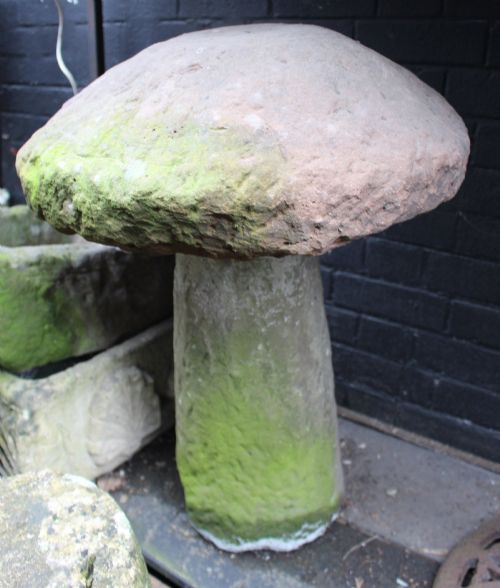
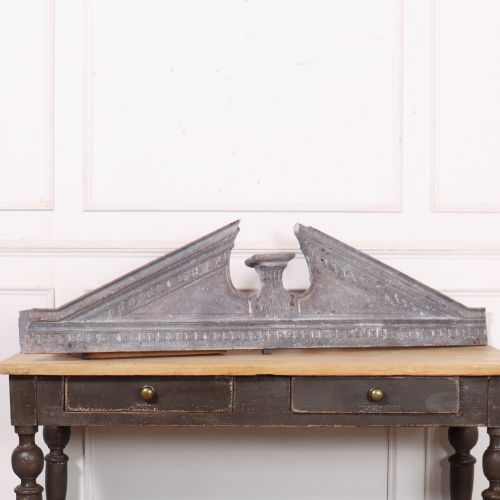
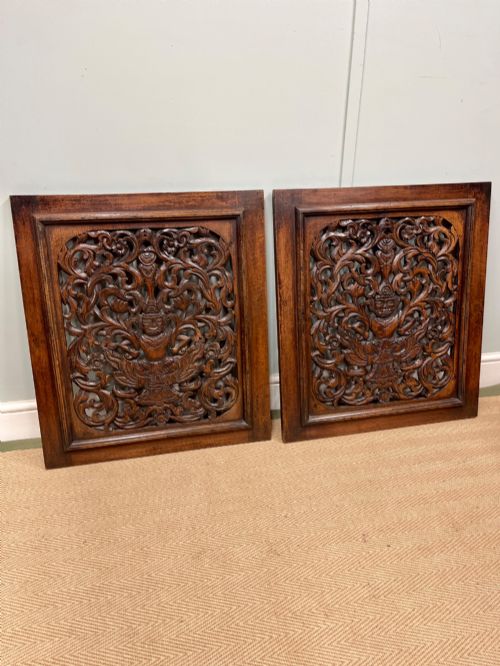
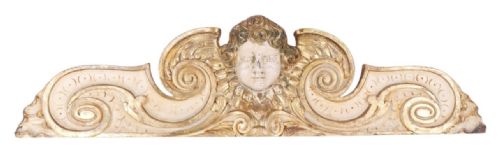
Vintage architectural salvage spans utilitarian building components and decorative fragments rescued from domestic, public, and industrial structures. Buyers searching this phrase encounter items ranging from sturdy nineteenth-century garden gates and cast iron firebacks to weathered stone staddlestones and carved wooden overdoor pediments.
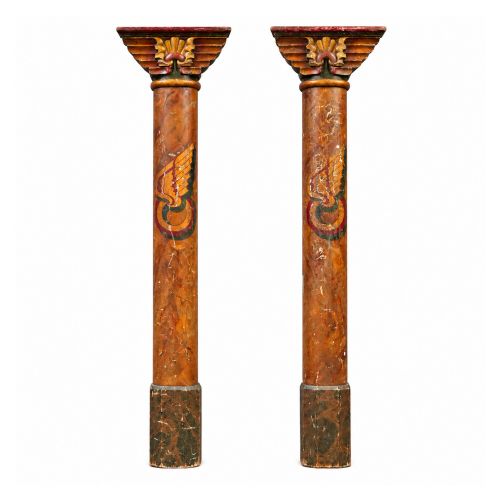
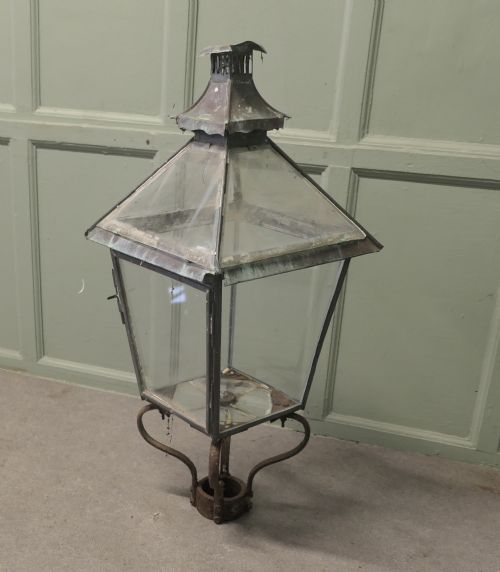
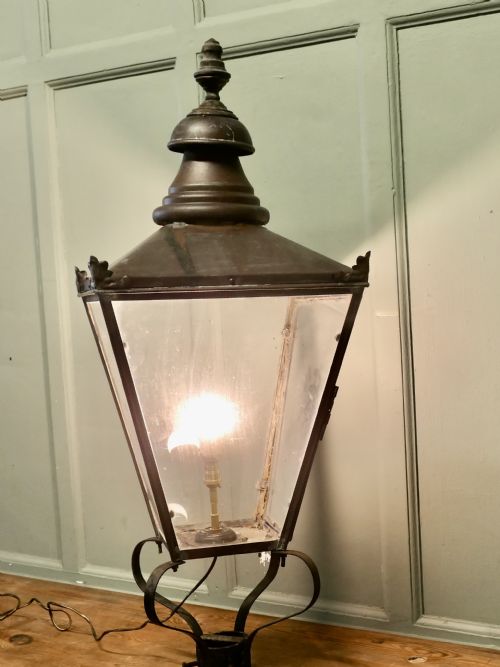
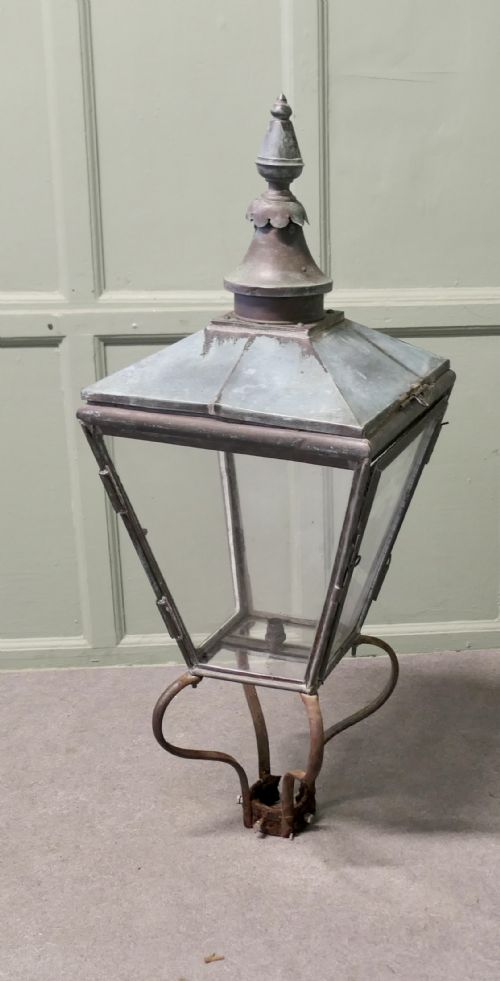
The selection on offer frequently reflects Victorian and Edwardian building practices alongside earlier eighteenth-century masonry and twentieth-century industrial elements. Forms vary widely from functional brass door handles and rim locks to monumental elements such as French tower clock faces, fairground columns, and copper street lanterns.
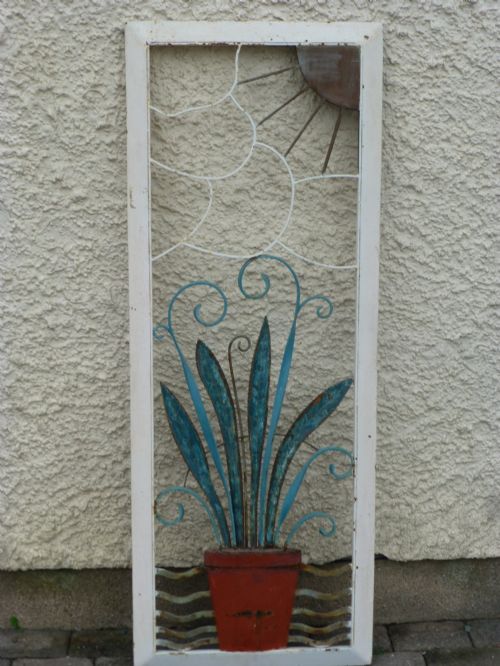
These pieces retain the patination of their working pasts, whether found as painted pine architectural panels, copper fire canopies, or granite presses. Choosing salvage allows owners to integrate authentic period materials directly into modern restoration and interior design projects.
Materials and construction methods
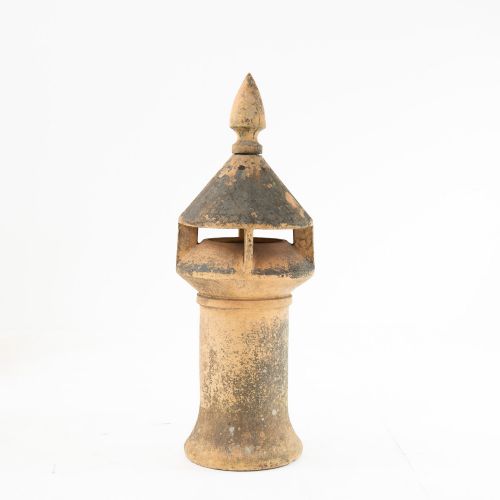
Makers utilised durable, heavy-duty materials capable of withstanding decades of exposure, relying heavily on cast iron, wrought iron, copper, and dense hardwoods such as oak and pine. Metalwork often combined foundry casting with hand-hammered finishes or forged iron hardware, while stone and terracotta components were carved or moulded for structural and decorative applications.
Surface treatments recorded on these items include historic layers of paint, natural weathering, and protective patinas built up over centuries of use. Joinery techniques on wooden doors, panels, and carved pediments demonstrate traditional carpentry methods suited to heavy structural loads.
Listings feature items spanning the seventeenth to the twentieth century, incorporating cast iron, wrought iron, copper, oak, stone, and glass.
What distinguishes finer pieces
Quality in architectural salvage rests upon the integrity of the material, the crispness of the original moulding or hand-carving, and the degree to which an item retains its original surface finish. Superior examples display deliberate artistic intent in ornamental details, such as finely chased brass handles or detailed figurative carving on stone altars and wooden corbels.
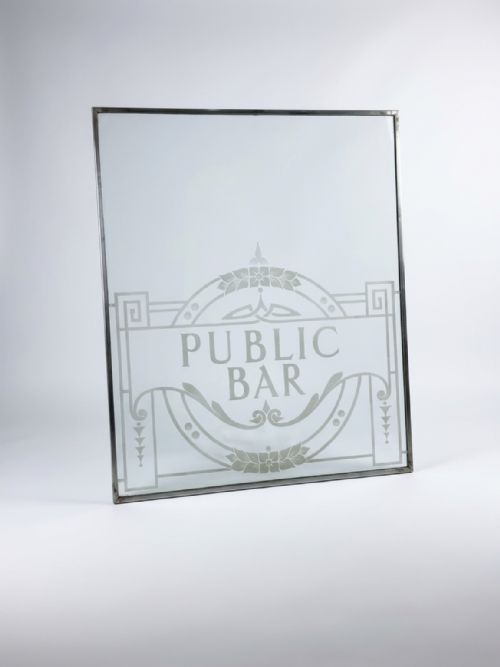
The survival rate of vulnerable components, such as original glass in lanterns and windows or integrated iron mechanisms in locks, heavily influences desirability. Pieces that retain their mounting hardware, maker stamps, or unpainted historic surfaces command greater interest from collectors and restorers alike.
C. R. Stevens·Raymond Subes·Gerwin & Co Birmingham
The Vintage Architectural Salvage Glossary
- Staddlestone
- A mushroom-shaped stone support originally used to raise granaries and corn ricks off the ground to protect grain from damp and vermin. These stones now frequently serve as garden ornaments.
- Fire back
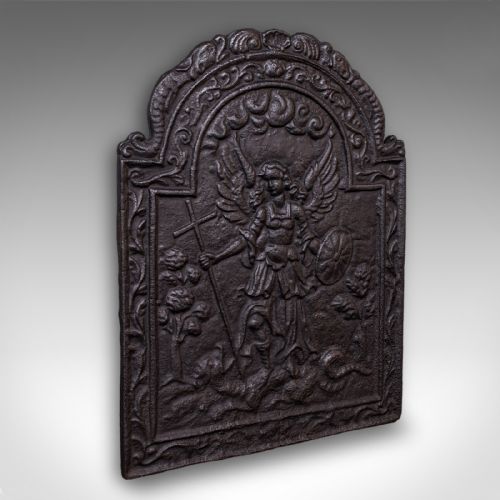
- A heavy cast iron plate placed at the back of an open hearth to reflect heat into a room and protect the masonry wall. They often feature moulded coats of arms or historical scenes.
- Overdoor
- A decorative architectural element, such as a carved pediment or panel, positioned directly above a doorway. These pieces frequently incorporate relief carvings of cherubs or floral motifs.
- Rim lock
- A mechanical door lock housed in a metal box attached to the surface of a door rather than mortised into the edge. Early examples feature decorative brass cases and forged iron internal components.
- Ceiling rose
- An ornamental moulded plaque fixed to the ceiling from which a light fitting or chandelier is suspended. Victorian examples commonly utilise cast iron or plaster with botanical motifs like ivy.
Vintage Architectural Salvage: Frequently Asked Questions
How do I choose salvage?
Select pieces that suit the scale of your space and match the period character of your property. Consider whether the item requires structural restoration or functions purely as decorative display.
Inspect the weight and material density to ensure the piece can be safely installed in a modern domestic setting. Ensure that fixings or mounting points are secure before hanging heavy ironwork or timber.
Can I install old lanterns outside?
Many copper and iron street lanterns were originally designed for exterior illumination and tolerate outdoor placement well. Check the metal thickness and current structural integrity before exposing them to harsh weather.
Wiring historic light fixtures requires professional electrical evaluation to meet current safety standards. Retaining the original unpolished copper or painted surface preserves the historic patina.
How do I date architectural salvage?
Dating relies on identifying the prevailing architectural styles, manufacturing techniques, and material types characteristic of specific eras such as the Victorian period or the early twentieth century. Tool marks on wood and casting methods on iron provide reliable clues to the decade of production.
Compare the construction details against documented examples from the same era to verify age. Maker stamps or registration marks can occasionally pinpoint the exact year and place of manufacture.
Where should I place wall panels?
Architectural panels and carved wooden fragments work well mounted on plain interior walls as standalone focal points. Ensure the supporting wall can bear the weight of dense hardwoods, cast iron, or stone.
Position items away from direct heat sources to prevent timber from warping or painted surfaces from cracking. Ambient indoor lighting highlights the depth of hand-carved details and weathered patinas.