





Antique Wooden Architectural Elements
Antique wooden architectural elements bring history indoors, offering carved panels, columns, and fragments that anchor a room in tangible craft.
Antique Wooden Architectural Elements
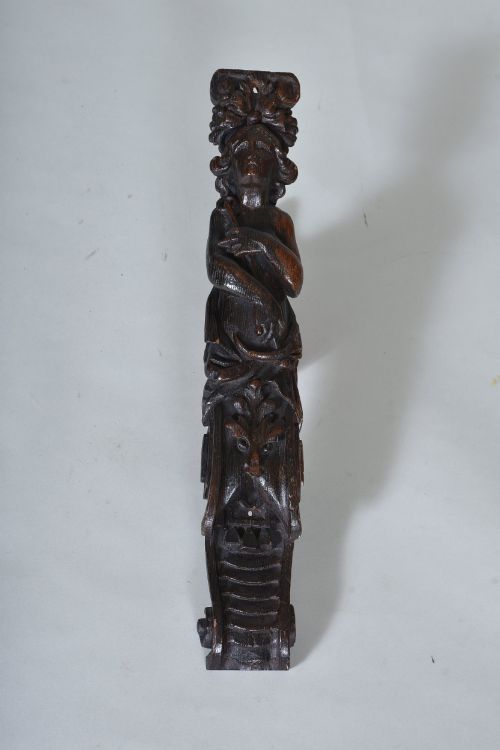
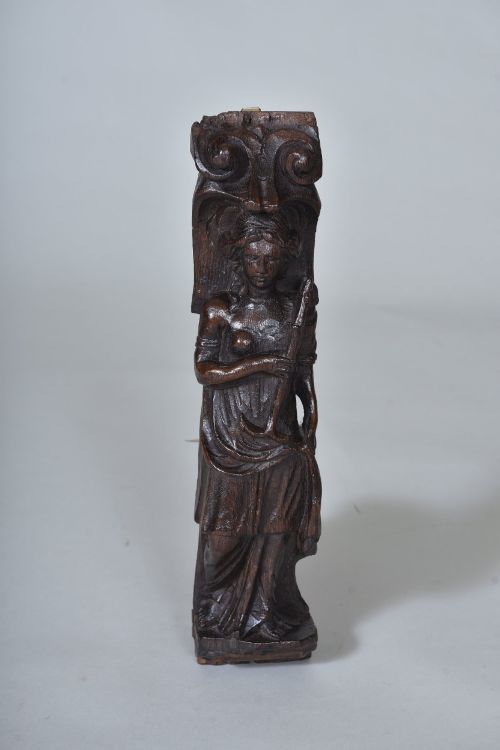
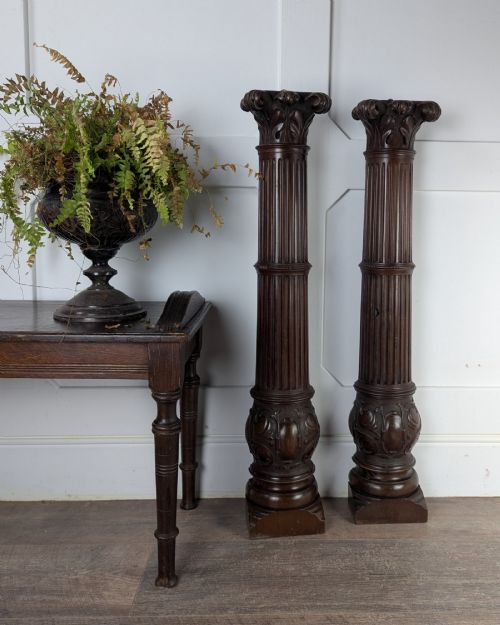
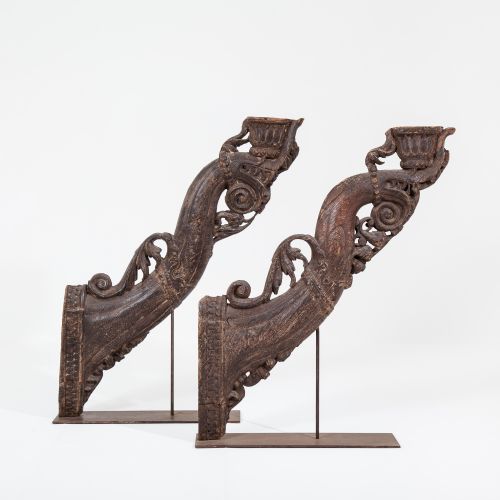
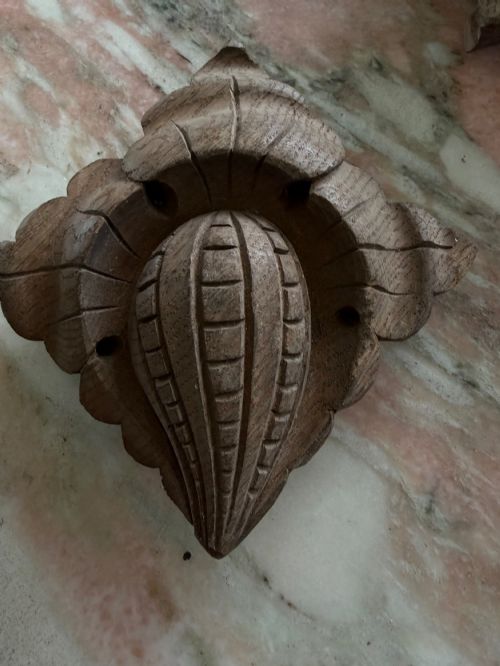
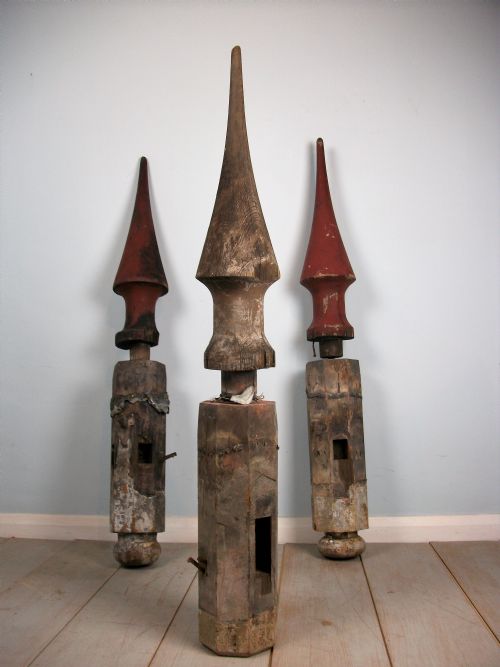
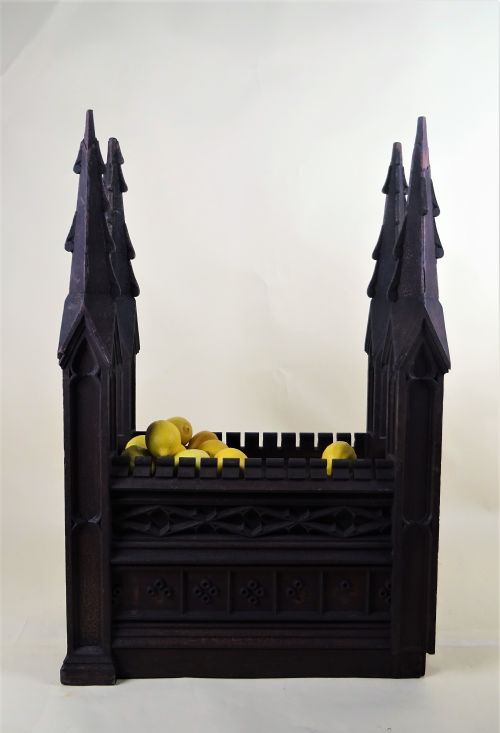
When you search for antique wooden architectural elements, you encounter fragments, panels, brackets, and columns salvaged from historic buildings across Europe and Asia. These pieces range from seventeenth-century oak carvings to nineteenth-century Gothic tracery and traditional Indian roof decorations.
Materials and construction methods
Carpenters and carvers shaped these pieces predominantly from dense hardwoods like oak, walnut, and teak, using hand chisels and gouges to achieve high relief. Grain direction dictated the depth of the undercut, allowing makers to create projecting acanthus leaves, figures, and architectural profiles.
Surface treatments varied according to region and period, incorporating gesso, gold leaf, silver leaf, and polychrome paint alongside exposed natural wood. Iron fixings and dowels frequently secured larger elements like columns and brackets into their original stone or timber frameworks.
Monkeys and elephants occasionally keep watch alongside traditional European griffins and cherubs.
Distinctions in quality
The distinction between standard joinery work and exceptional carving lies in the crispness of the undercutting and the naturalism of the anatomy in figural subjects such as lion heads, cherubs, and caryatids. Superior pieces display confident tool marks that impart a sense of movement, whereas lesser items remain stiff and formulaic.
Original surface finishes, whether remnants of polychrome paint, silver leaf, or aged patination on raw oak and walnut, significantly elevate the integrity of a piece. Retaining the authentic mounting brackets or structural context further separates museum-grade fragments from generic salvaged timber.
Luigi Frullini
The Antique Wooden Architectural Elements Glossary
- Architectural fragment
- A surviving portion of a larger building or decorative scheme, detached from its original context. These pieces are often mounted for display as standalone sculptures.
- Caryatid
- A carved human figure acting as a structural support pillar in place of a column or pilaster. They appear frequently in classical and Renaissance revival architecture.
- Ceiling boss
- A decorative projecting block placed at the intersection of ribbed vaulting or ceiling timbers. Medieval and Gothic examples often feature carved floral or figural motifs such as the Tudor rose.
- Tracery
- Stone or wooden openwork branching in geometric patterns, commonly found in Gothic windows and panels. Wooden variations replicate the intricate forms seen in ecclesiastical architecture.
- Pediment
- A triangular or curved architectural element placed above doors, windows, or mantelpieces. Carved wooden pediments often incorporate gilt leaf and elaborate scrolling foliage.
Antique Wooden Architectural Elements: Frequently Asked Questions
How were architectural elements used originally?
These pieces functioned as structural supports, decorative ceiling bosses, window tracery, and wall panels in historic buildings. They carried loads or framed doorways and fireplaces.
Over time, buildings were altered or demolished, leaving these carved sections to be salvaged as standalone works of art and interior decoration.
How do I hang heavy wood carvings?
Large wooden elements require sturdy fixing directly into wall studs or masonry using appropriate metal brackets and screws. Weight distribution must be calculated carefully before mounting.
Professional installers often build concealed internal armatures to support protruding brackets, capitals, and corbels safely.
How do I tell oak periods apart?
Seventeenth-century oak displays deep, dark oxidation and hand-hewn tool marks from pit saws and chisels. The carving tends to be robust and geometric, reflecting Jacobean and Tudor styles.
Later nineteenth-century Gothic revival oak adopts crisper machine-assisted preparation combined with hand detailing, often showing lighter natural tones unless intentionally stained.
Should I clean antique wood finishes?
Dusting with a soft, dry brush is sufficient for routine maintenance of historic wood surfaces. Avoid using commercial polishes or water, which can strip aged wax and original polychrome.
Conservation experts recommend leaving patination undisturbed to preserve the historical integrity and surface history of the timber.