
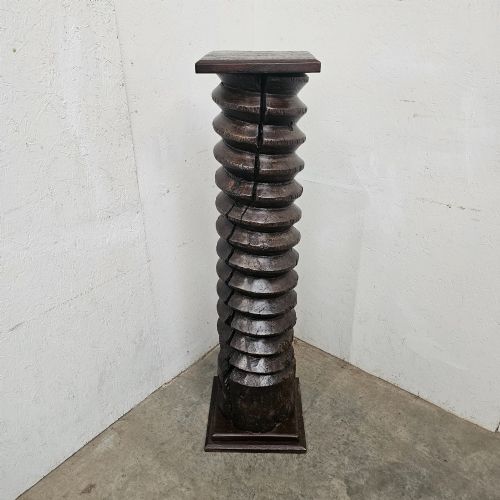
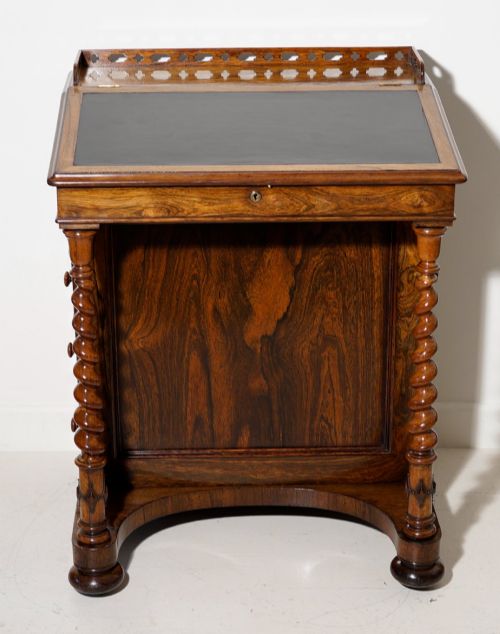
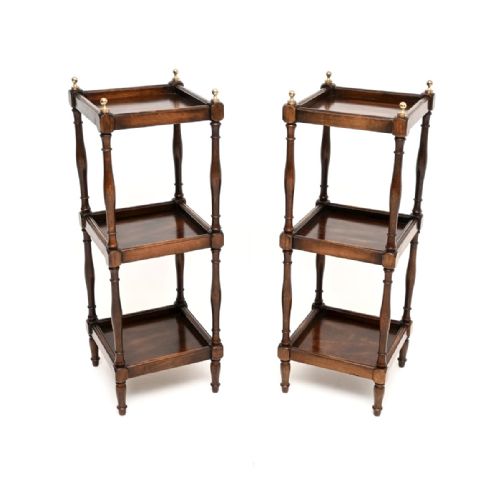
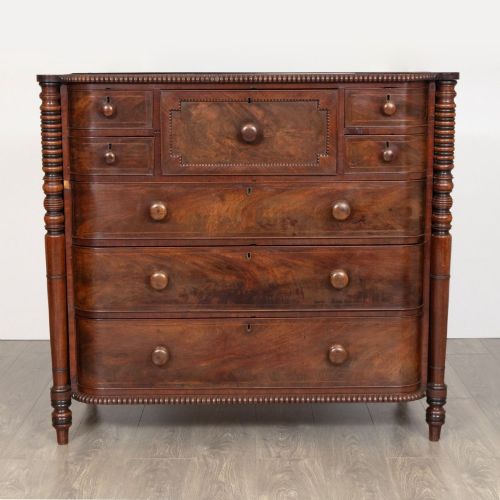
Dark Wood Columns
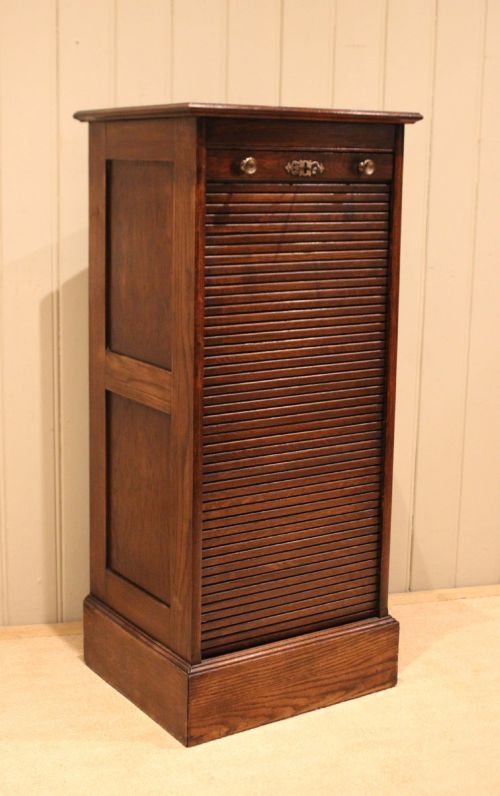
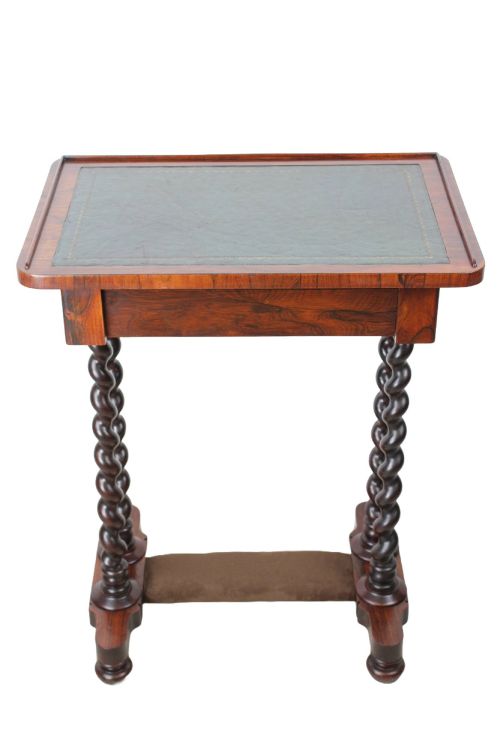
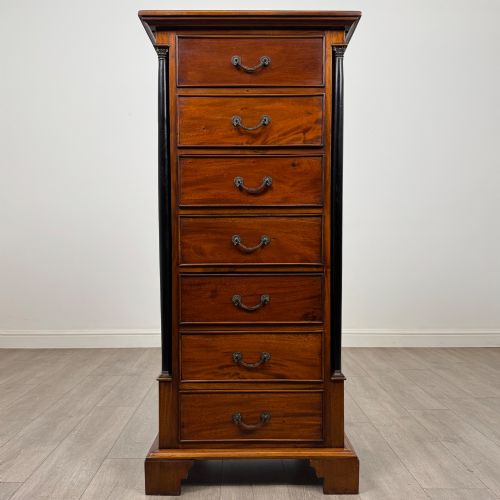
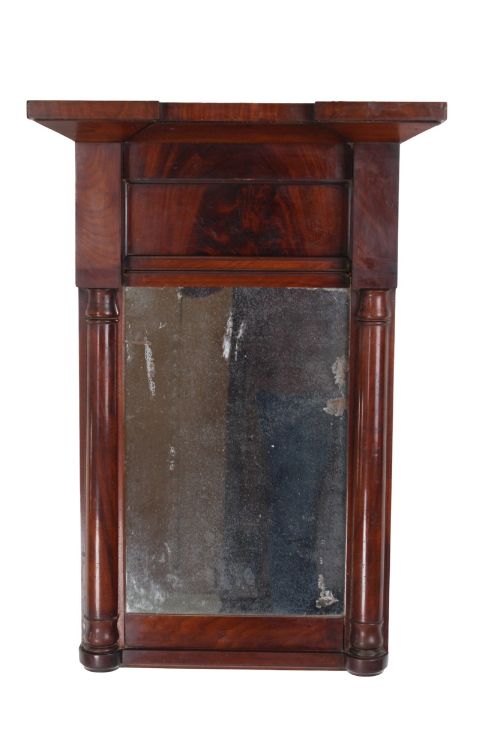
These dark wood columns and related architectural supports bring substantial vertical presence and rich timber grain to an interior.
Dark Wood Columns
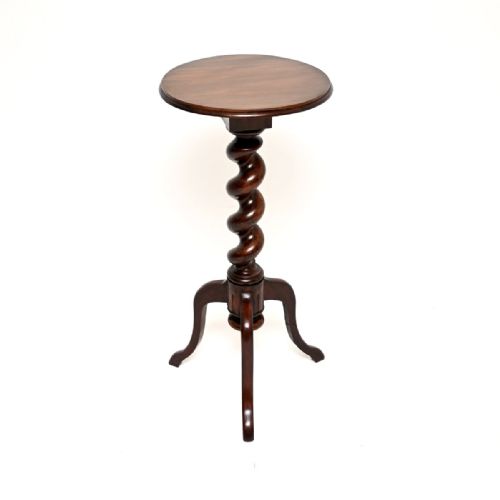
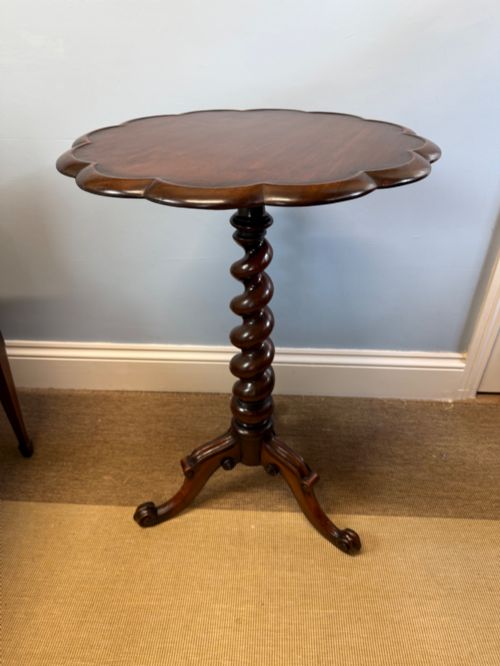
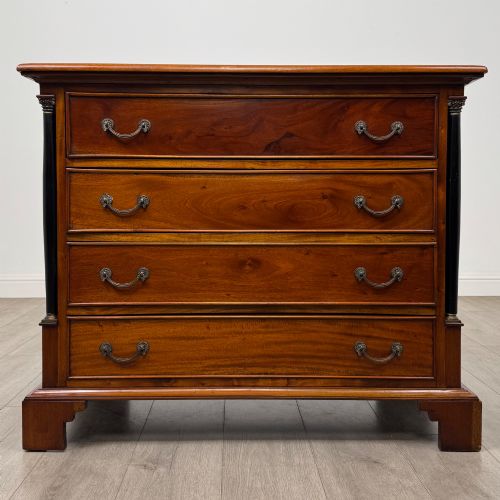
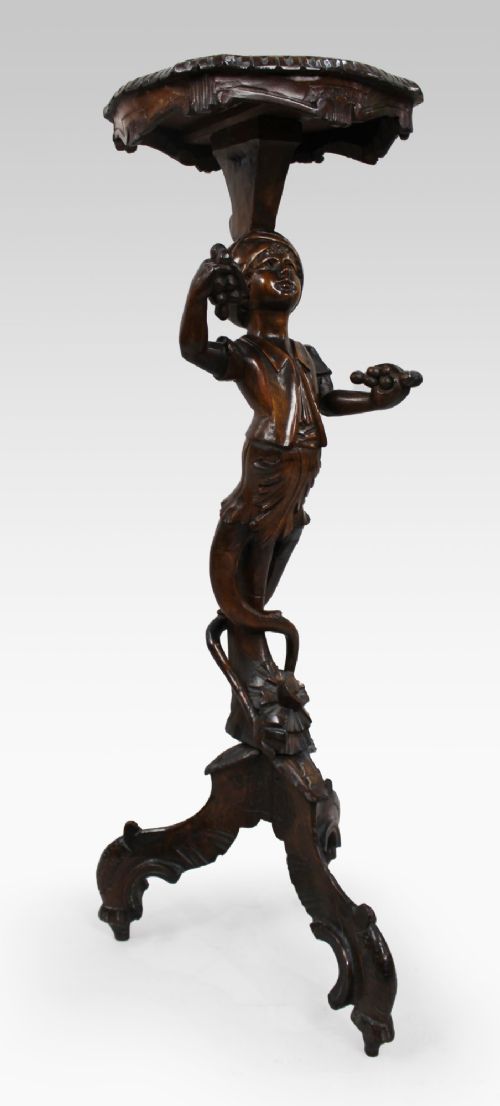
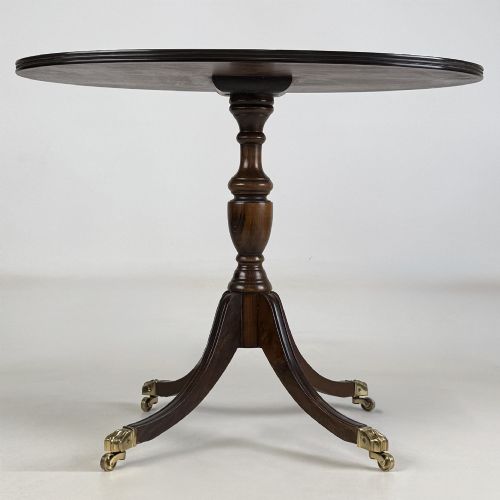
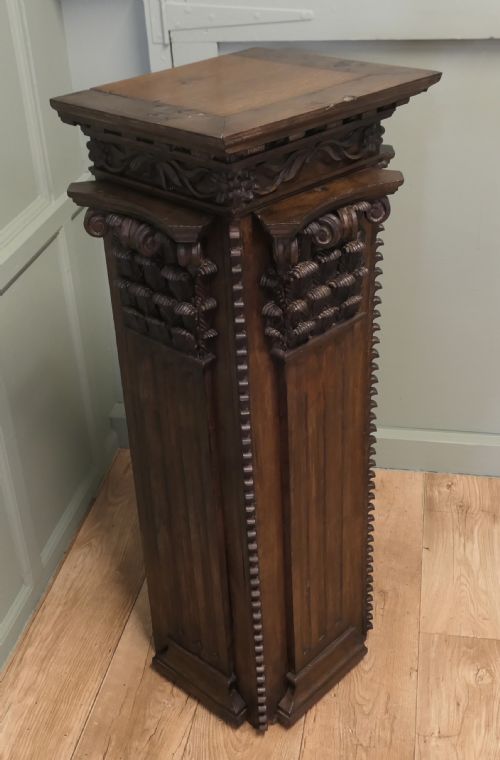
When you search for dark wood columns, you encounter architectural salvage, pedestals, torcheres, and floor supports that serve structural or display purposes. The selection ranges from carved half columns in dense timbers to tall plant stands and torchiere bases designed to elevate objects.
Most examples date from the nineteenth and early twentieth centuries, spanning Victorian, Edwardian, and Regency periods. You will frequently find carved mahogany and oak pieces alongside rosewood and walnut supports that reflect classical revival styles.
Materials and construction
Craftsmen utilised dense hardwoods such as mahogany, rosewood, oak, and walnut, often selecting them for deep natural colour and fine grain. These timbers were turned on lathes or carved by hand to create fluted shafts, reeded surfaces, and classical capitals.
Many structural supports incorporate brass mounts, fabric details, or metal fittings to secure joints and enhance the decorative profile. Surface finishes were typically polished to highlight the dark warmth of the wood.
Listings feature mahogany, oak, rosewood, and walnut across nineteenth and early twentieth-century periods.
Assessing quality and execution
The distinction between standard items and finer pieces lies in the crispness of the hand-carving and the choice of timber figure. Superior examples display deeply undercut foliage, precise fluting, and well-proportioned capitals without clumsy joins.
Age and original context also influence desirability, particularly where pieces retain their authentic patination and stable construction rather than later adaptations.
Gillow
The Dark Wood Columns Glossary
- Torchere
- A tall stand or floor lamp designed to hold a light or display an object. These slender wooden supports often feature carved shafts and circular tops.
- Corinthian
- A classical architectural order identified by ornate capitals decorated with acanthus leaves. This style appears frequently on carved column pedestals and half columns.
- Reeded
- A surface ornamentation consisting of parallel convex mouldings. It is commonly found carved along the shafts of wooden columns and table legs.
- Pedestal
- A base or support that elevates a bust, vase, or lamp. These architectural forms provide a stable vertical display in a room.
Dark Wood Columns: Frequently Asked Questions
How were antique columns used in period homes?
Architectural columns and torcheres served as decorative structural elements or elevated display surfaces for lighting and ornaments in nineteenth-century interiors. They provided vertical emphasis in principal rooms.
Smaller plant stands and pedestals functioned similarly to hold jardinieres or decorative art pieces away from the floor.
What woods are most common for these pieces?
Mahogany is the predominant timber found across these listings, valued for its stability and deep reddish-brown tone. Rosewood, oak, walnut, and burr oak also appear frequently.
These dense hardwoods allowed carvers to execute crisp details such as reeding and classical capitals without splintering.
How do I distinguish Victorian from Regency columns?
Regency pieces often exhibit refined classical restraint with precise rosewood or mahogany turning dating from the early nineteenth century. Victorian examples frequently display heavier proportions and more exuberant revival carving.
Examining the construction methods and timber selection helps confirm the specific nineteenth-century period.
Can floor lamps and torcheres be used safely today?
Many older floor lamps and torcheres have been adapted or rewired for modern electrical standards while retaining their original timber bases. It is advisable to check the internal wiring and stability of the base.
Placing them on level flooring ensures that tall, slender supports remain secure during daily use.