

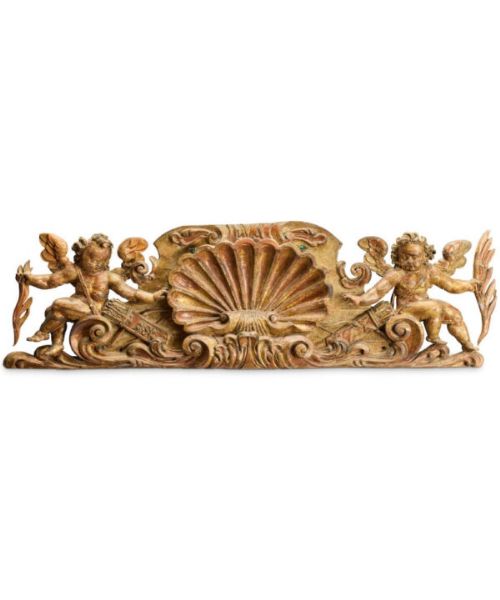


Carved Overdoor Pediment
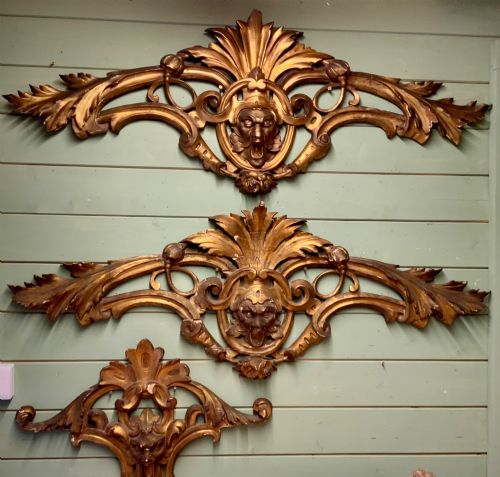
A carved overdoor pediment commands the wall above a high entrance, bringing centuries of architectural presence and master woodcarving into a room.
Carved Overdoor Pediment
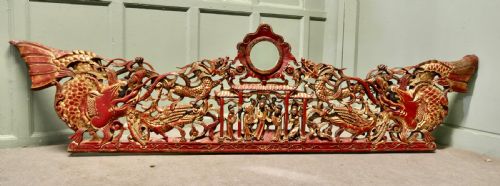
A carved overdoor pediment sits above doorways or acts as a wall relief, drawing the eye upward with sculptural timber forms. These architectural salvage pieces originate from periods spanning the seventeenth, eighteenth, and nineteenth centuries.
Buyers meet pieces ranging from large nineteenth-century French oak panels to seventeenth-century English woodwork attributed to master carvers. Each item functions as a striking wall carving or pelmet, bringing historical architectural depth to domestic interiors.
How they were made
Woodcarvers shaped these architectural elements from solid timbers like oak and pollard oak using traditional hand chisels and gouges. The resulting deep reliefs and figural carvings demonstrate intensive manual labour by skilled artisans.
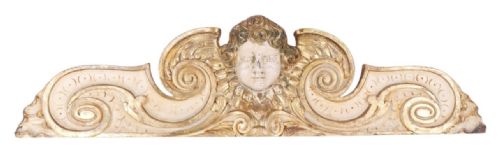
Surfaces received decorative finishes including gold leaf, silver leaf, gesso, paint, and lacquer. These coatings protected the wood while enhancing the dramatic light play across Baroque and Rococo scrolls.
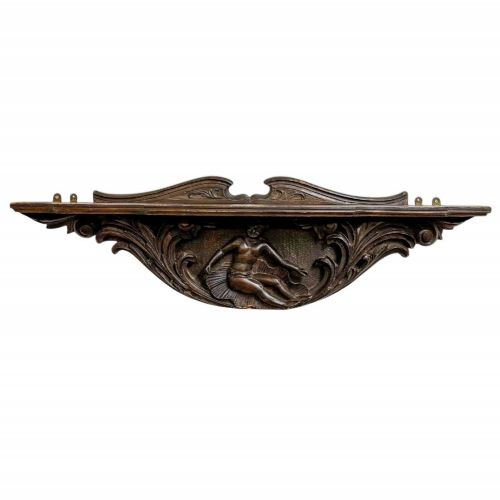
Makers constructed structural elements to support heavy overdoor placement, sometimes integrating functional wooden shelves into the architectural pediment design.
Carved Overdoor Pediment Retail Price Guide 2026
Typical asking prices for carved overdoor pediment among the pieces listed under this phrase on Sellingantiques today, from the lower quarter to the upper quarter. They describe what is for sale here now, not the wider market.
Materials recorded across the inventory include oak, pollard oak, gesso, gold leaf, silver leaf, paint, and lacquer.
What varies in quality
The depth and fluidity of the hand carving separate utilitarian architectural salvage from masterwork reliefs. Crisp undercut foliage and expressive figural details indicate superior workshop output.
The preservation of original surface treatments, such as gold leaf and early paint layers, determines historical integrity. Patina accumulated across centuries adds visual weight to seventeenth-century and eighteenth-century panels.
Grinling Gibbons·Edward Pearce
The Carved Overdoor Pediment Glossary
- Pediment
- An architectural crowning element placed above a door, window, or mantel. In these pieces, the form becomes an elaborate carved wall decoration.
- Gesso
- A plaster-like mixture applied to wood surfaces to prepare them for gilding. It provides a smooth base for gold leaf and silver leaf applications.
- Parcel gilt
- A decorative technique where specific carved details are highlighted with gold leaf against a contrasting painted or wood background.
- Pelmet
- A framework placed above a window or doorway to conceal fixtures. These examples feature ornate hand-carved woodwork.
- Architectural salvage
- Elements rescued from buildings scheduled for alteration or demolition. They preserve historical craftsmanship for modern interior display.
Carved Overdoor Pediment: Frequently Asked Questions
How were carved overdoor pediments used?
These pieces sat directly above high doorways in grand rooms to create a sense of architectural grandeur and frame the entranceway.
Today, they function primarily as wall carvings and decorative overdoor panels, mounted above internal doors or used as standalone wall reliefs.
How do I hang a heavy wooden pediment?
Due to their solid oak construction and substantial weight, these architectural fragments require secure fixing directly into wall studs or masonry.
Professional installation ensures the heavy timber and integrated shelves remain safely supported on the wall.
How do I tell seventeenth-century pieces apart from nineteenth-century ones?
Seventeenth-century items often exhibit deep, robust English Baroque oak carving and attributions to historical master carvers.
Nineteenth-century examples frequently show French Chateau or Chinoiserie influences, utilising lighter painted surfaces, gold leaf, and gesso.
What is the difference between a pediment and a pelmet?
A pediment is a classical architectural feature with a defined triangular or decorative crown structure designed to sit above a formal opening.
A pelmet is typically a shallower wooden frame used to conceal curtain fixtures, though antique hand-carved versions share similar decorative motifs.