







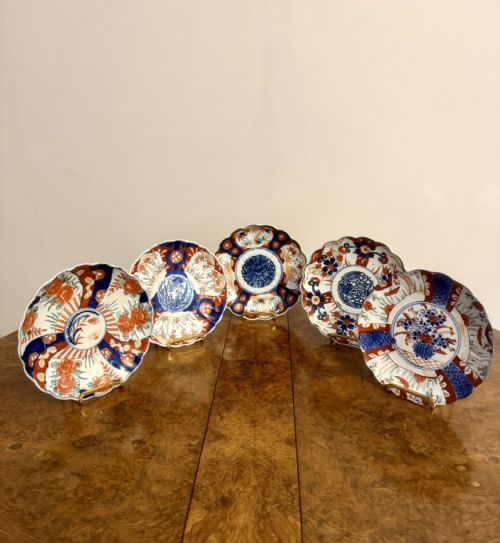
Antique Imari Decorative Dishes
Antique imari decorative dishes bring striking palettes of cobalt blue and iron red into a room, taking form as chargers, plates, and bowls.
Antique Imari Decorative Dishes
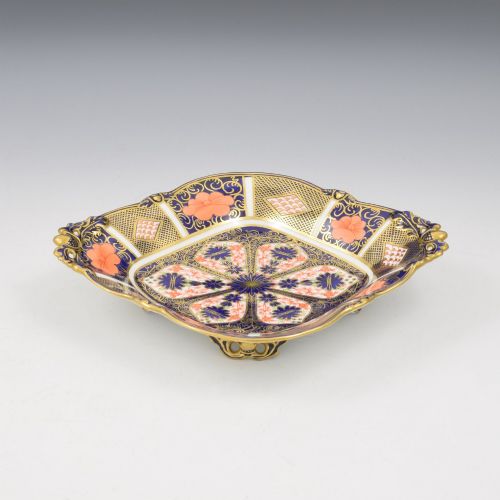
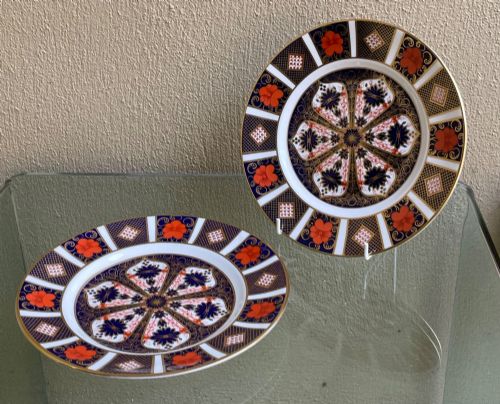
Antique imari decorative dishes encompass a variety of porcelain and ceramic vessels originating from Japan, China, and England, spanning the eighteenth, nineteenth, and early twentieth centuries. The selection on this page leans heavily toward Japanese production from the Meiji period and late nineteenth century, alongside English bone china and ironstone interpretations.
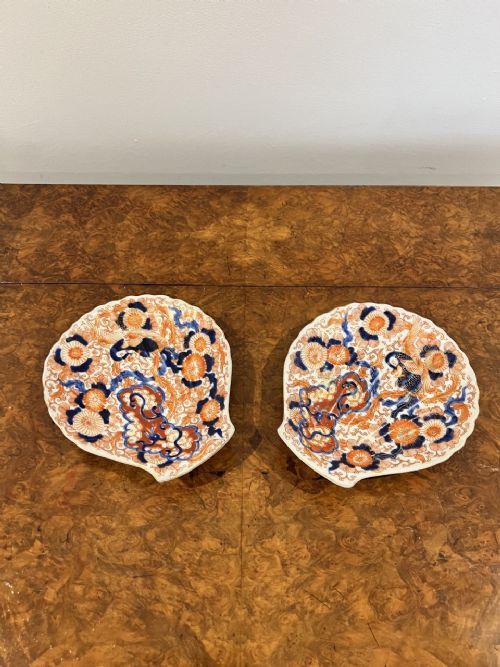
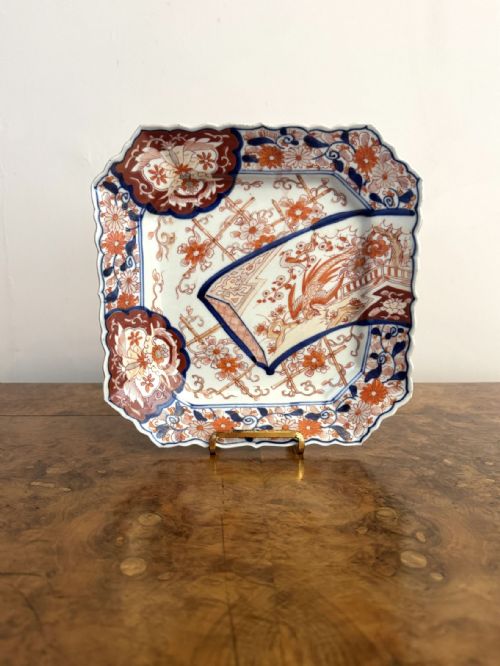
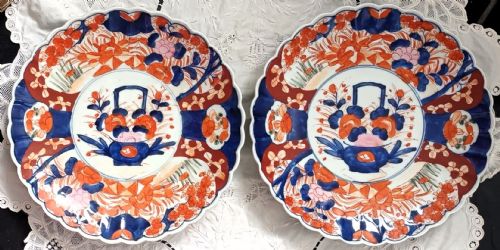
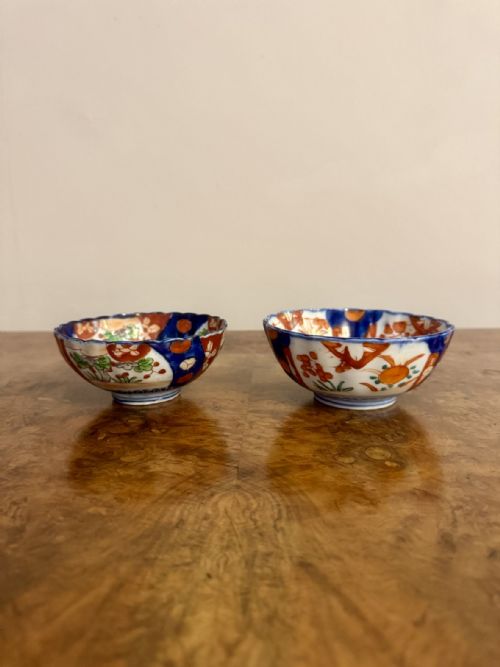
Buyers encounter numerous shapes when exploring antique imari decorative dishes, ranging from standard circular plates to deep chargers, scalloped bowls, square trays, and clam shell dishes. These pieces were made for display and service, often featuring hand-painted floral, bird, or figural motifs such as the Seven Lucky Gods.
Materials and Technique
These items rely on porcelain, bone china, or ironstone as a ceramic base, shaped into plates, bowls, and chargers before receiving underglaze blue and overglaze enamel decoration. Artisans applied cobalt blue directly to the body, fired the piece, and subsequently added iron red, gold leaf, and gilt details in subsequent kiln firings.
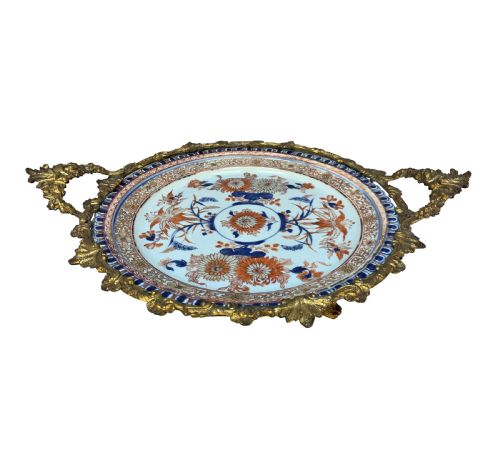
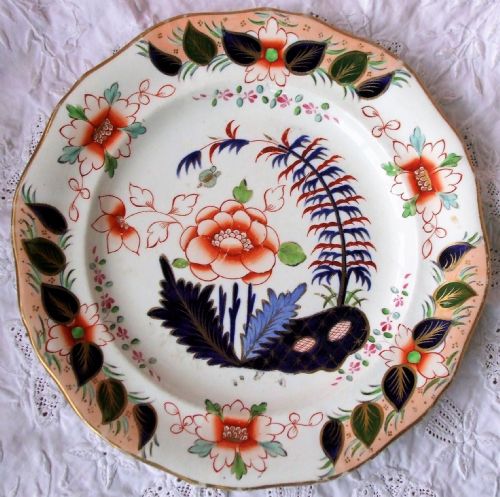
Certain examples incorporate specialised mounts or regional variations, such as ormolu fittings attached to Chinese export porcelain or specific earthenware formulations by English makers like John Davenport and John Ridgway. The combination of glaze, enamel, and metallic leaf creates the distinctive layered visual depth characteristic of the style.
Listings feature pieces spanning from the eighteenth century to the mid-twentieth century, utilising porcelain, bone china, ironstone, and enamel.
Evaluating the Pieces
Quality in these objects rests upon the crispness of the hand-painted brushwork and the complexity of the composition, particularly in the rendering of floral, bird, and figural designs. Pieces that demonstrate precise cobalt underglaze work paired with well-preserved enamel and gold leaf display a higher level of artistic execution.
The sophistication of the ceramic form itself also dictates distinction, as seen in shaped edges like scallops, hexagons, and shell contours rather than simple circles. The retention of vibrant pigments and gilding across the surface separates standard production from superior examples.
John Davenport of Longport·John Ridgway·Royal Crown Derby
The Antique Imari Decorative Dishes Glossary
- Imari Style
- A decorative ceramic scheme originating in Japan and subsequently copied in China and Europe, characterised by a palette of underglaze cobalt blue, iron red, and supplementary gilding. This distinctive colour combination remains the defining characteristic of the genre.
- Meiji Period
- An era of Japanese history spanning from 1868 to 1912, noted for a surge in porcelain production destined for export markets. Many decorative plates and chargers found today date from this time of intense manufacturing.
- Charger
- A large ornamental plate or dish utilised primarily for display rather than dining. These substantial pieces provide a broader canvas for complex painted narratives and floral motifs.
- Ironstone
- A type of heavy durable earthenware patented in nineteenth-century England to imitate Chinese porcelain. English potteries utilised this dense ceramic body for patterned tablewares.
- Scallop Edge
- A decorative border shaped into a series of continuous curves resembling the edge of a scallop shell. This contour appears frequently on Japanese porcelain bowls and plates.
Antique Imari Decorative Dishes: Frequently Asked Questions
How were antique imari dishes used?
These pieces served practical dining functions in European and Asian households, though larger chargers and decorated plates were frequently kept on display in cabinets or mounted on walls. Their rich palettes were intended to catch the light and add colour to formal interiors.
Over time, many of the plates and bowls shifted entirely from functional tableware to decorative display objects due to their intricate painted surfaces and fragile gilded details.
How do I identify a Meiji period piece?
Meiji period items, produced between 1868 and 1912, often display dense hand-painted floral, bird, or figural compositions with generous applications of iron red and gold leaf. The porcelain body during this era tends to be crisp and uniform.
Examining the foot ring and the style of the cobalt underglaze can also offer clues to the dating, as nineteenth-century Japanese kilns employed specific potting techniques for the export market.
What is the difference between Japanese and English imari?
Japanese examples, particularly from the Arita kilns and Meiji era, utilise traditional East Asian porcelain bodies and hand-painted motifs like the Seven Lucky Gods or natural flora. The brushwork carries a distinct regional aesthetic.
English interpretations, produced by factories such as Royal Crown Derby or John Davenport, adapt the signature blue, red, and gilt colour scheme onto domestic bone china or ironstone bodies using European vessel shapes.
How should I display these dishes safely?
Displaying chargers and plates requires stable plate stands or professionally fitted wall hangers that distribute the weight evenly across the ceramic rim. Keeping them away from direct sunlight preserves the vibrancy of the overglaze enamels and gold leaf.
Avoid placing delicate scalloped bowls in high-traffic areas where they might be easily knocked, as the edges on antique porcelain can be vulnerable to chipping.