


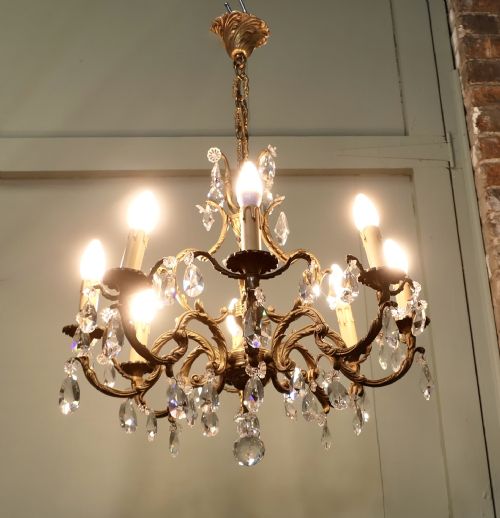
Antique Hanging Pendant
These antique hanging pendant lights bring architectural character and overhead illumination from the nineteenth and early twentieth centuries into modern rooms.
Antique Hanging Pendant
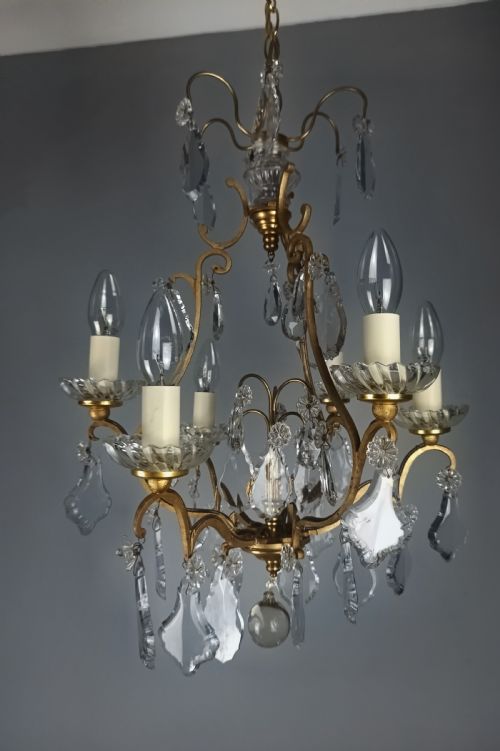
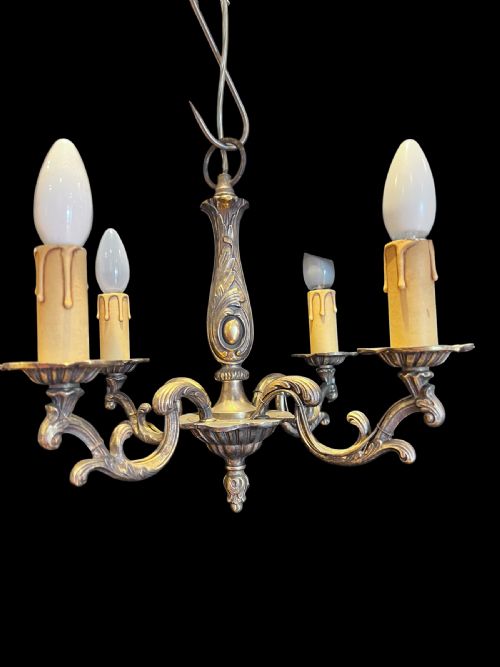
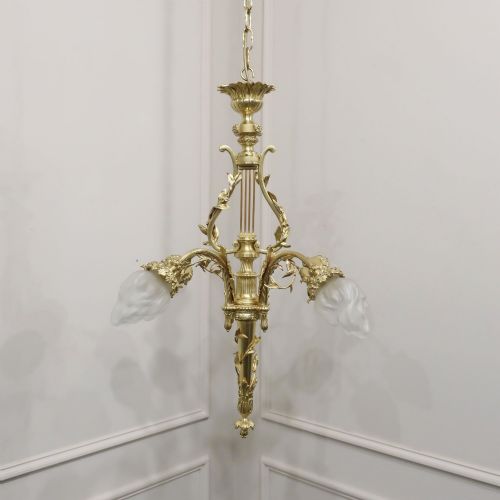
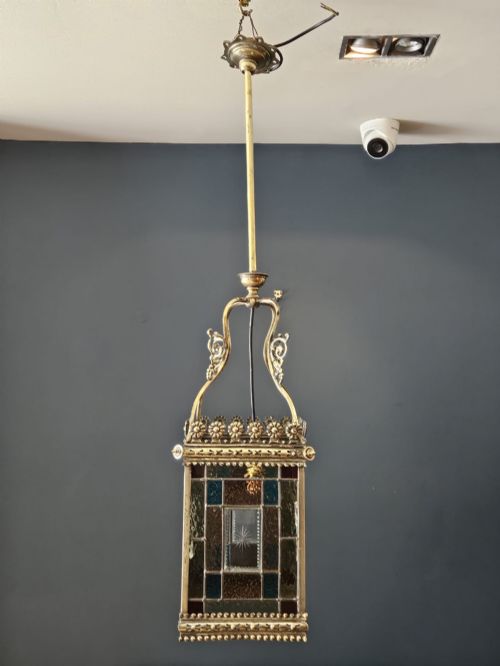
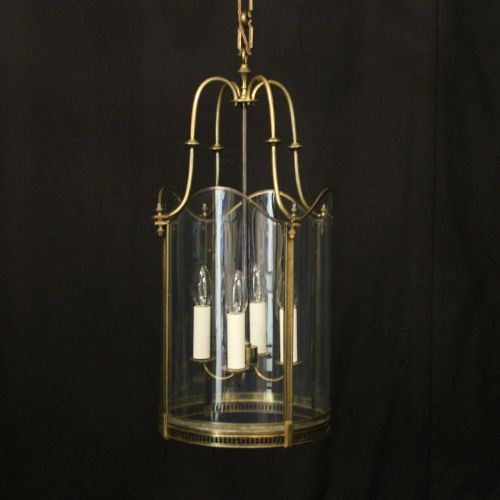
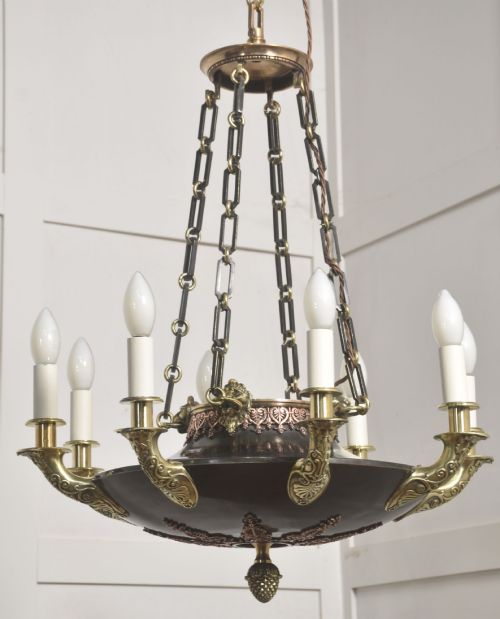
An antique hanging pendant encompasses a diverse selection of overhead luminaires designed to suspend from ceilings, ranging from utilitarian hall lanterns to elaborate multi-branch chandeliers. When exploring this selection, buyers frequently encounter pieces fashioned in French styles alongside English and Italian designs from the Victorian, Edwardian, and Art Deco eras.
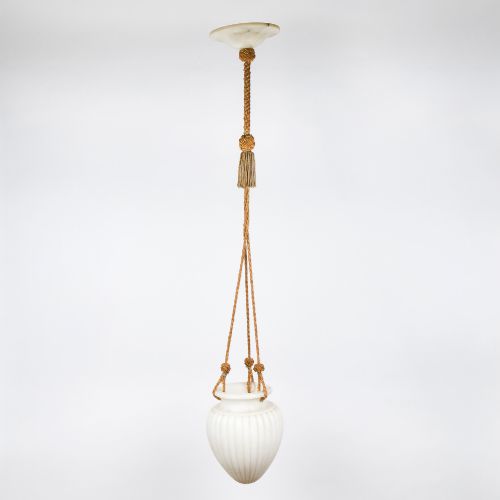
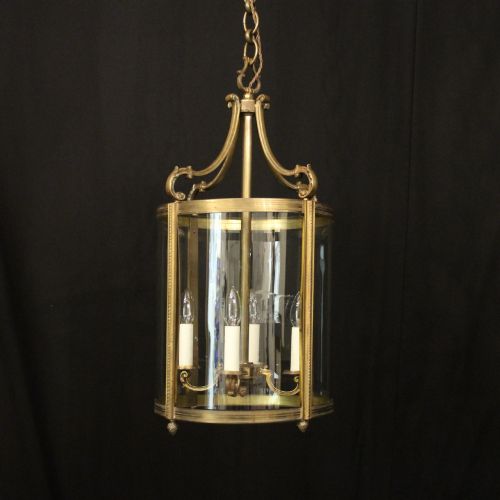
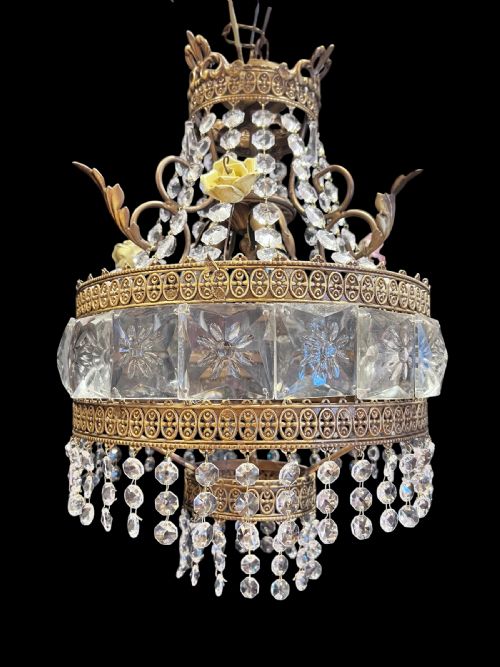
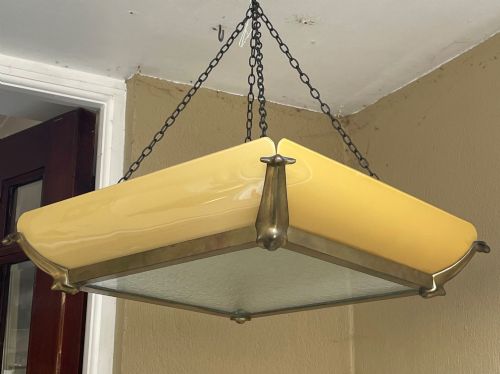
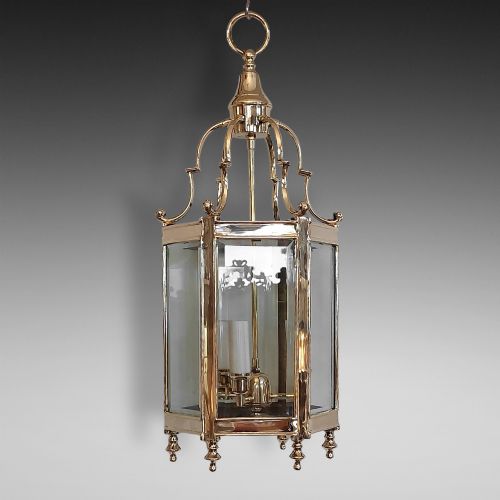
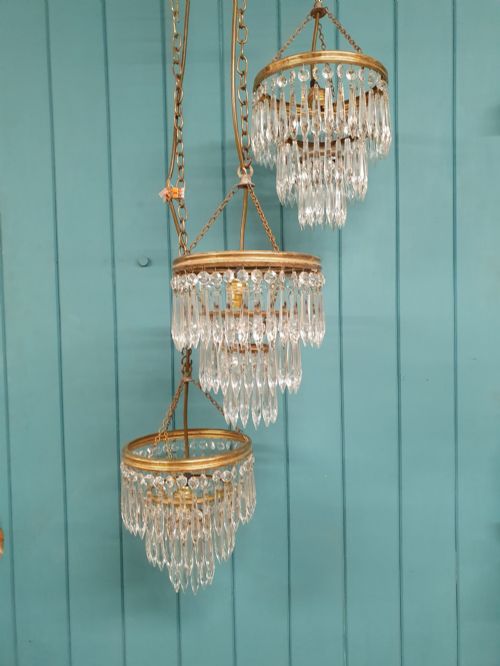
The assortment spans utilitarian brass-framed glass lanterns, opaline painted oil lamp shades, and multi-light crystal fixtures originally intended for grand vestibules or domestic interiors. Form follows function across these objects, dividing neatly between enclosed lantern shapes that direct light downwards and open chandeliers that disperse illumination widely across a space.
How they were made
Metalwork forms the skeletal structure of these luminaires, utilising brass, gilt bronze, copper, and cast iron formed through casting, piercing, and soldering. Glass components are integrated via bevelled panes, leaded sections, etched panels, and moulded crystal drops or lustres.
Surface finishes display considerable nuance, incorporating fire-gilding on bronze, silver plating, and painted ceramic or toleware elements. Mechanics range from simple single-bulb drops to intricate multi-branch internal frames wired for multiple lights.
Several lanterns incorporate Moravian star shapes, casting geometric patterns of light across hallway walls like miniature celestial observatories.
What varies in quality
Quality rests in the crispness of metal casting and the depth of surface chasing, where hand-finished gilt bronze markedly surpasses simpler stamped brass. The calibre of the glass elevates a piece considerably, particularly where heavy bevels, deep etching, or high-lead crystal prisms are employed.
Proportion and structural integrity dictate the overall calibre, distinguishing bespoke architectural lighting designed for substantial halls from standard domestic production. Original components, such as matching ceiling roses, suspension chains, and intact crystal lustres, preserve the intended aesthetic unity.
Émile-Jacques Ruhlmann
The Antique Hanging Pendant Glossary
- Plafonnier
- A ceiling light fixture that mounts flush or hangs closely to the ceiling surface. These often feature decorative glass bowls or shades supported by metal mounts.
- Toleware
- Painted or lacquered sheet metal items popular in decorative lighting and home accessories. The technique allows for vibrant floral or gilt surface ornamentation.
- Lustre
- A cut glass pendant drop or prism suspended from a chandelier to refract light. They catch and scatter illumination across the surrounding walls.
- Opaline
- A type of opaque or semi-translucent glass that diffuses light softly. It frequently appears in twentieth-century lamp shades and hanging globes.
- Chasing
- The method of refining metal castings by hand using punches and hammers. This technique brings out fine surface details in bronze and brass mounts.
Antique Hanging Pendant: Frequently Asked Questions
How do I hang a heavy pendant light?
Suspension requires securing the fixture directly into a ceiling joist or structural noggin using a heavy-duty metal hook and appropriate fixings. The weight of bronze or crystal chandeliers demands a dedicated weight-bearing bracket rather than a standard electrical box.
Adjusting the height involves shortening or lengthening the chain or suspension rod before threading the electrical flex safely through the centre. Professional installation ensures the ceiling structure safely supports the combined weight of metal and glass.
Can these pendants be rewired for modern wiring?
Most antique hanging pendants accommodate modern electrical flex and contemporary lamp holders without altering their external appearance. Historic brass tubes and internal channels often allow electricians to thread modern insulated wire safely.
Retaining the original sockets is sometimes possible if they meet safety standards, but replacing internal wiring protects against electrical faults. A qualified electrician can test the metal frame for earth continuity during the rewiring process.
How do I clean antique glass and brass?
Maintaining brass components requires gentle dusting with a soft cloth and avoiding abrasive commercial cleaners that strip historic patination. Gentle soapy water on a damp cloth removes accumulated dirt without harming the underlying metal finish.
Glass shades and crystal lustres can be unhung, washed in lukewarm water with mild detergent, and dried thoroughly before reattachment. Careful handling prevents chipping delicate bevelled edges or vintage opaline surfaces during the cleaning process.