

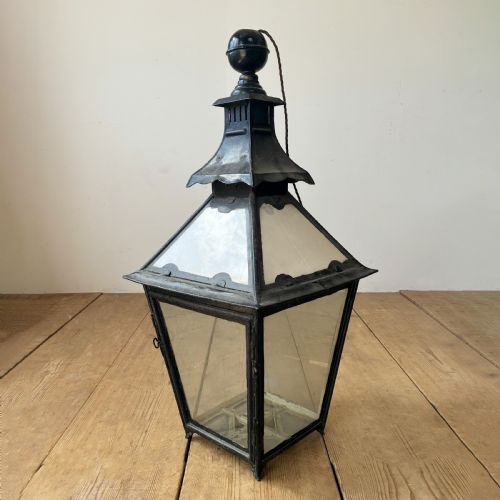
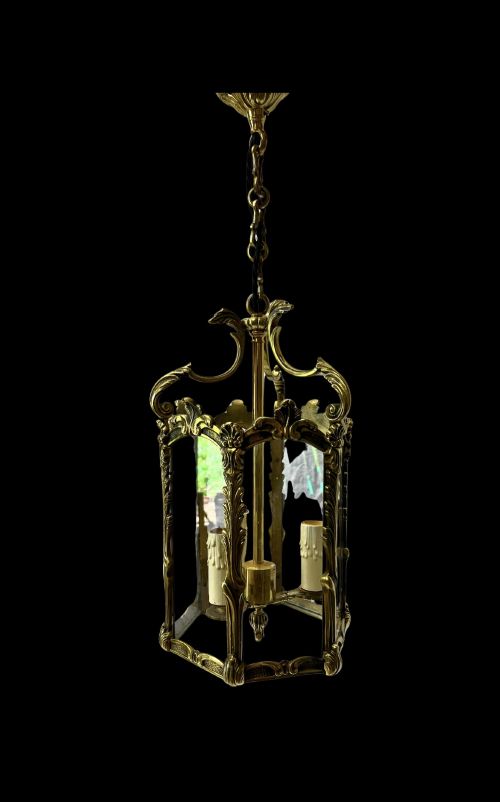

Glazed Hanging Lantern
A glazed hanging lantern brings warmth and definition to an entrance hall or high-ceilinged room.
Glazed Hanging Lantern
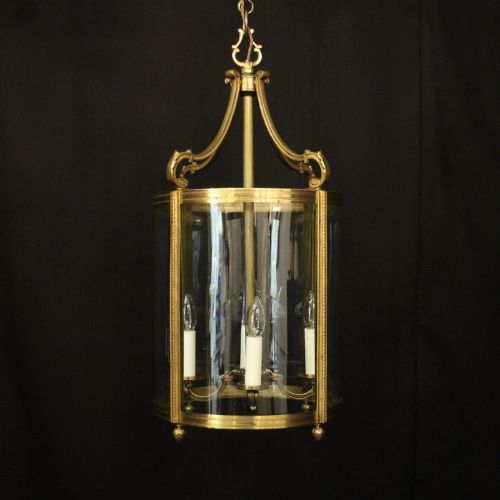
A glazed hanging lantern provides overhead illumination while protecting the light source within a metal and glass frame. When you search for a glazed hanging lantern, you encounter pieces designed primarily for hallways, porches, and grand stairwells.
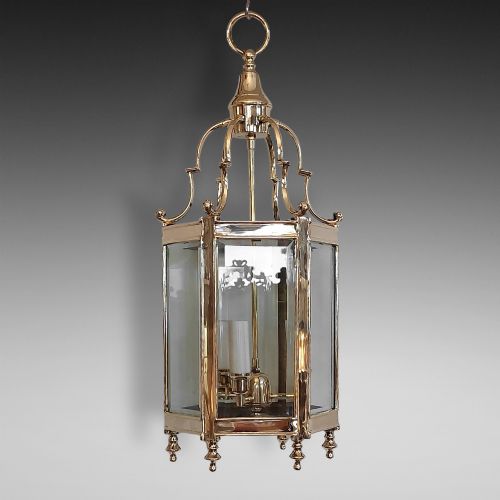
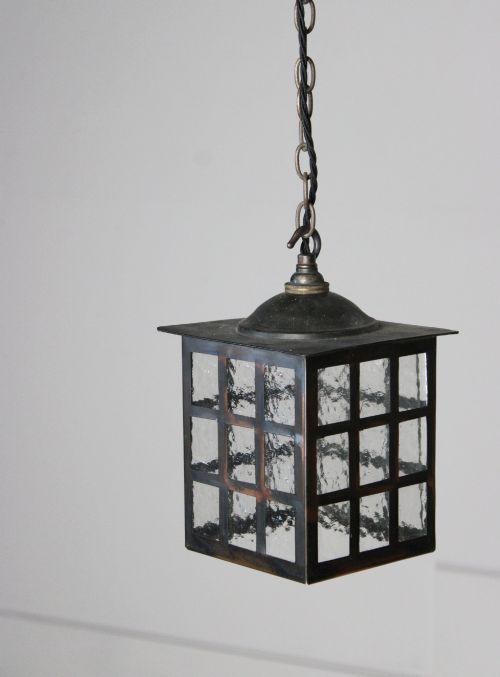
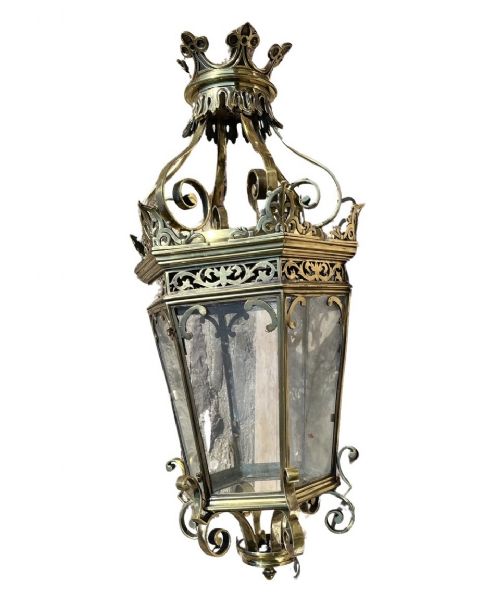
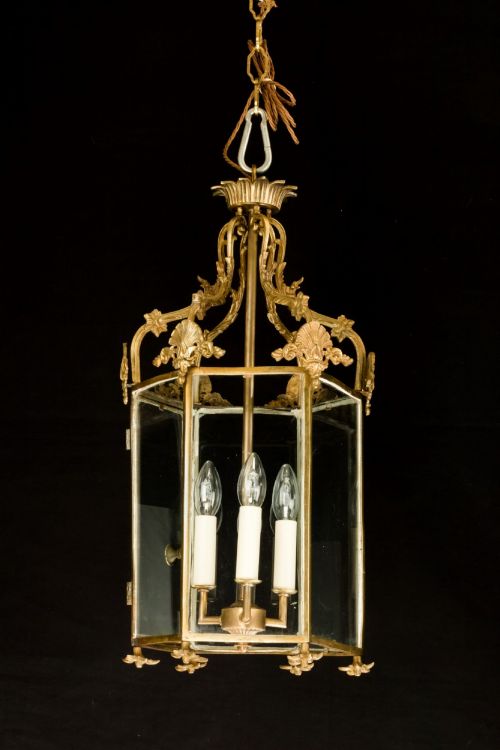
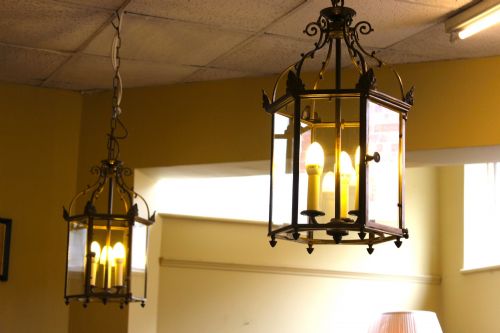
The selections available here span the nineteenth and twentieth centuries, incorporating Edwardian, Victorian, and Gothic Revival aesthetics alongside French chateau and neoclassical styles. Brass and bronze dominate the forms, frequently shaped into hexagons or squares suspended from chains.
Materials and construction
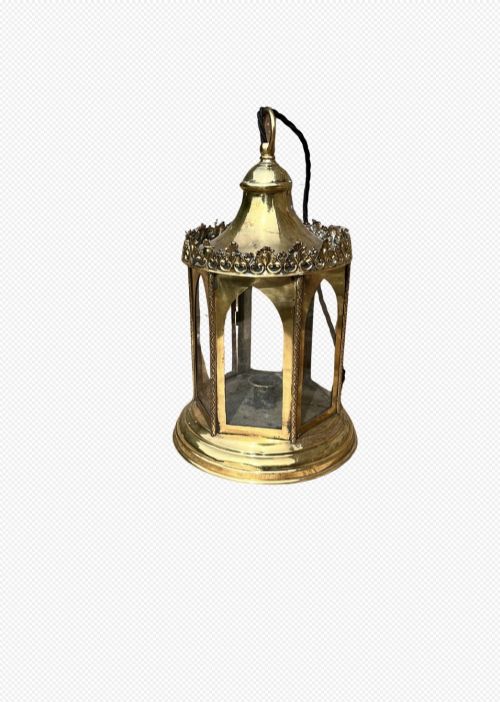
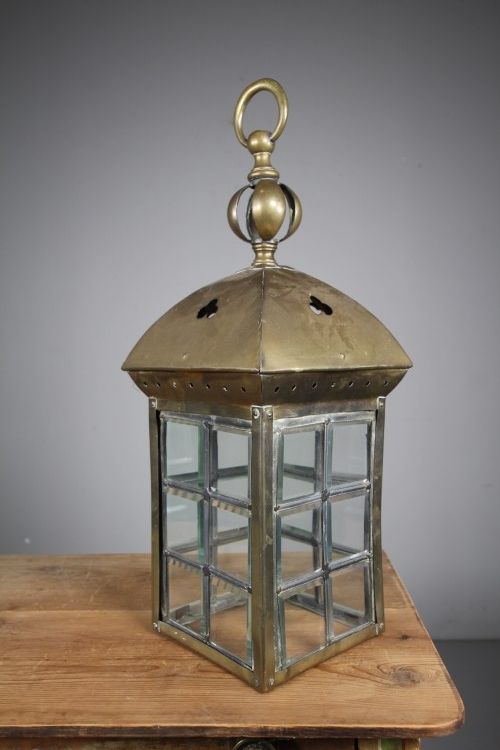
Makers constructed these fixtures using brass, copper, wrought iron, and bronze, often combining steel with brass elements for structural strength. Gilded or silver-gilded bronze finishes appear on pieces intended for formal reception rooms.
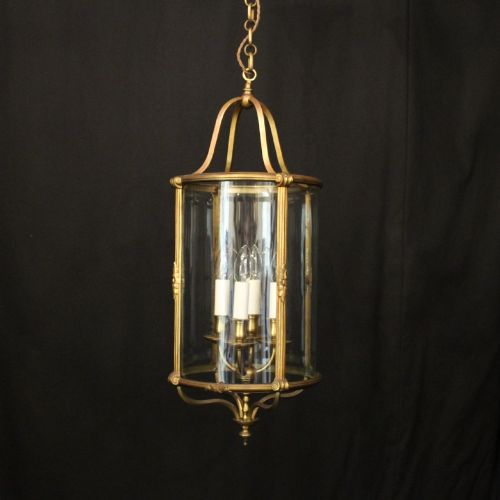
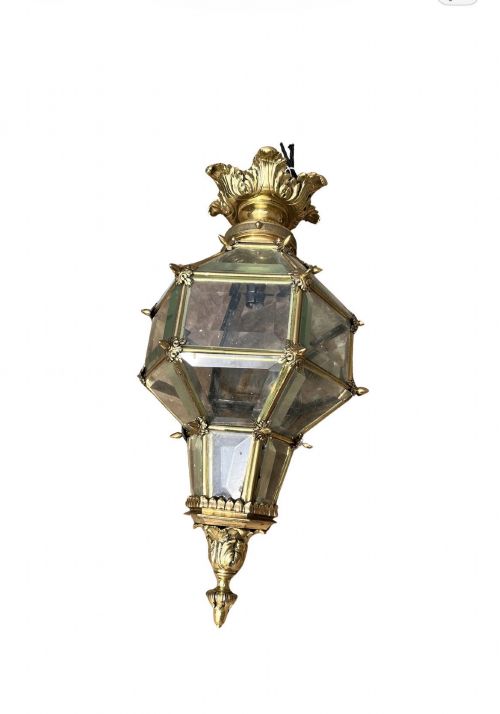
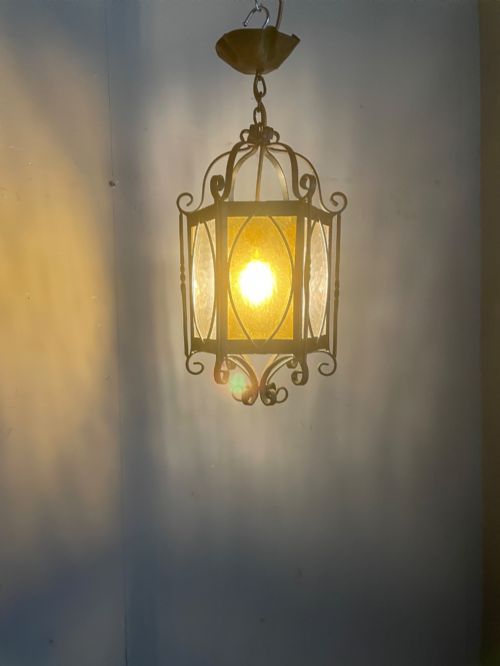
Panels of glass, including bevelled and convex panes, fit securely into metal frameworks secured by doors or hinges for bulb replacement. Metalwork ranges from heavy cast bronze mounts to riveted sheet copper and forged iron.
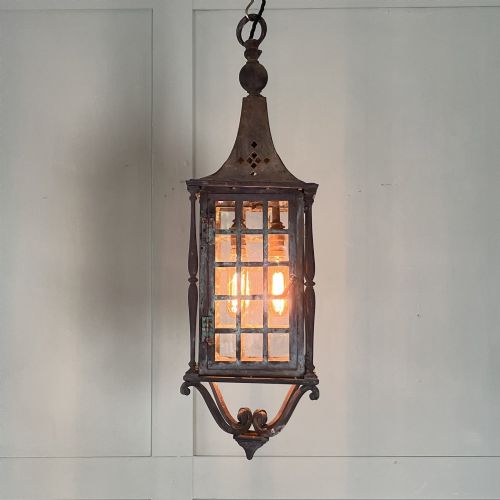
Several lanterns harbour decorative green man masks, peering out from beneath the verdigris of nineteenth-century copper.
Determining quality
Quality rests on the weight of the metal and the precision of the casting or forging. Finer examples display crisp detail in the bronze mounts, heavy gauge brass, and well-fitted glass panes rather than thin pressed sheet metal.
The integration of the internal lighting cluster relative to the frame also dictates the overall standard. Superior pieces maintain balanced proportions between the metal structure and the glazed panels, ensuring an even distribution of light.
The Glazed Hanging Lantern Glossary
- Hexagonal
- A six-sided form commonly used for the body of hanging lanterns to maximise light dispersal. This geometry appears frequently in Edwardian and nineteenth-century designs.
- Bevelled glass
- Glass panes with cut and polished angled edges that catch and refract the light. This treatment adds depth and sparkle to the fixture.
- Gilded bronze
- Bronze metal coated with a thin layer of gold leaf or applied gold powder. It provides a rich, lustrous finish seen on French chateau and neoclassical pieces.
- Convex lantern
- A lantern featuring outward-curving glass panels. This shape softens the profile of the light and alters the internal refraction.
- Hall lantern
- A specific lighting form scaled for entranceways and corridors. These fixtures hang close to the ceiling or on suspension chains to illuminate transitional spaces.
Glazed Hanging Lantern: Frequently Asked Questions
Where should I hang a glazed hanging lantern?
These lanterns suit entrance halls, high porches, stairwells, and corridors where overhead illumination is required. Their enclosed frames direct light downward and outward while protecting the bulbs from drafts.
Ensure the ceiling height accommodates the drop of the chain and the physical scale of the metal frame. Larger hexagonal or multi-light examples need sufficient clearance to command a space properly.
How do I determine the period of a lantern?
Dating relies upon examining the metal alloys, construction techniques, and stylistic markers such as Gothic Revival tracery or neoclassical motifs. Edwardian and nineteenth-century pieces often exhibit heavier cast components and hand-finished details.
Compare the framing methods, screw types, and glass bevelling against established historical periods. Marks or patination on the brass and bronze can also indicate age.
Are these lanterns electrified for modern use?
Many examples are adapted for contemporary electrical wiring, featuring internal bulb holders fitted inside the metal cage. Internal clusters may hold single or multiple lights depending on the scale of the frame.
It remains wise to have a qualified electrician inspect older wiring before installation. They can ensure the internal fittings comply with current safety standards.
How do I clean the glass panels?
Access the interior through the fitted door or hinged panel to clean both sides of the glass. Use a mild glass cleaner applied to a cloth rather than sprayed directly, protecting the surrounding metal.
Take care with gilded or aged bronze surfaces so cleaning agents do not strip the historic patination. Regular dusting keeps the bevelled and convex panels bright.