
Traditional Brass Lantern
These traditional brass lantern fixtures bring warmth and architectural character to hallways and porches alike.
Traditional Brass Lantern
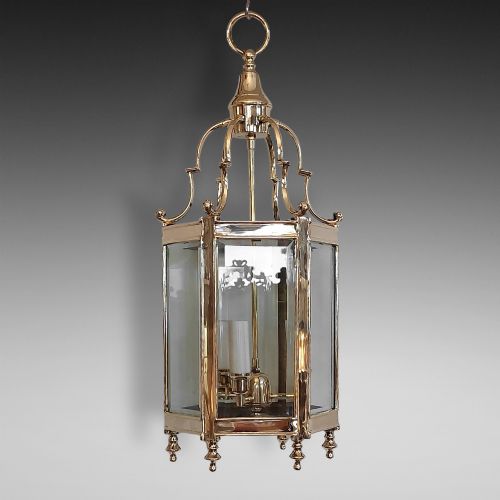
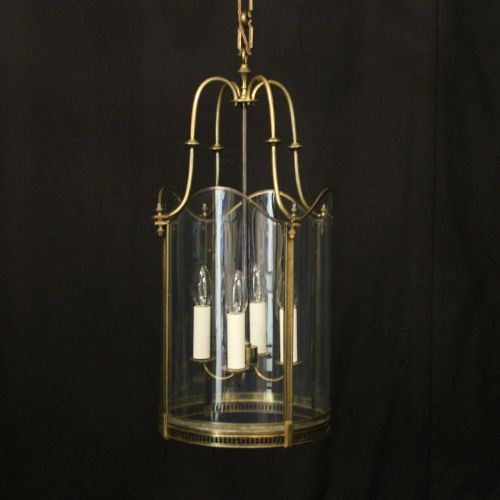
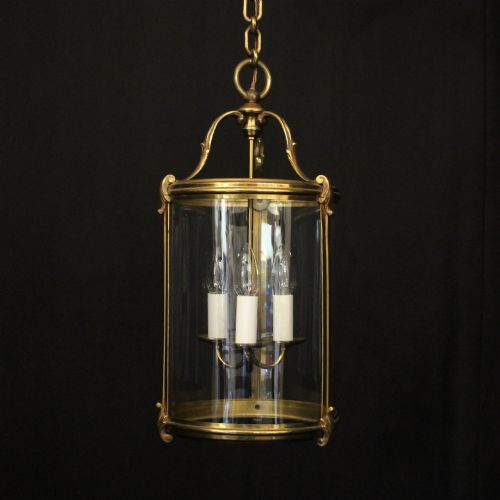
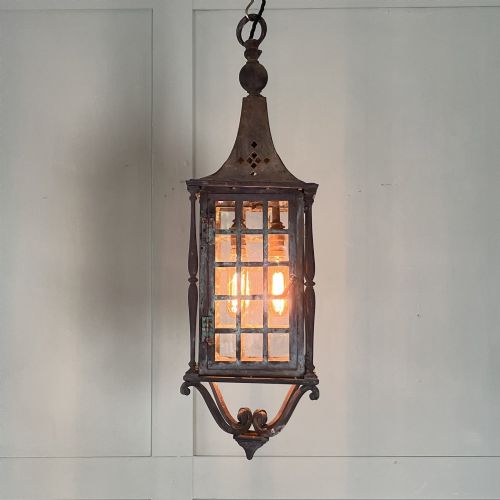
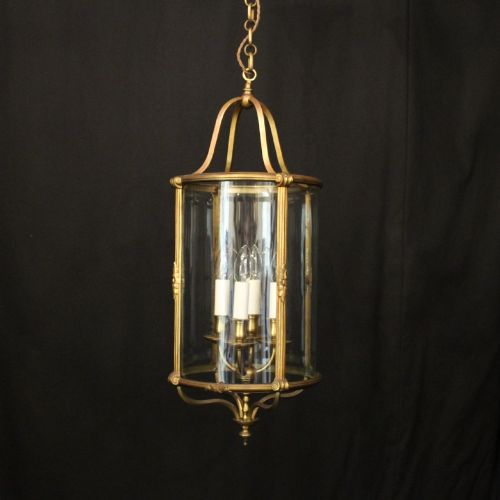
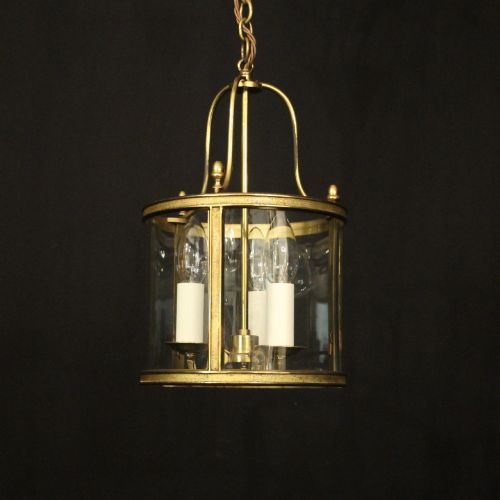
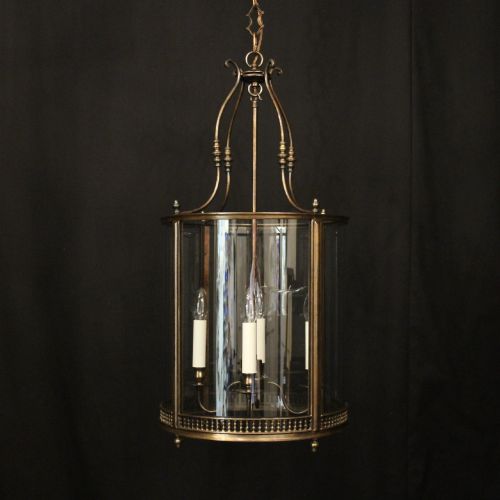
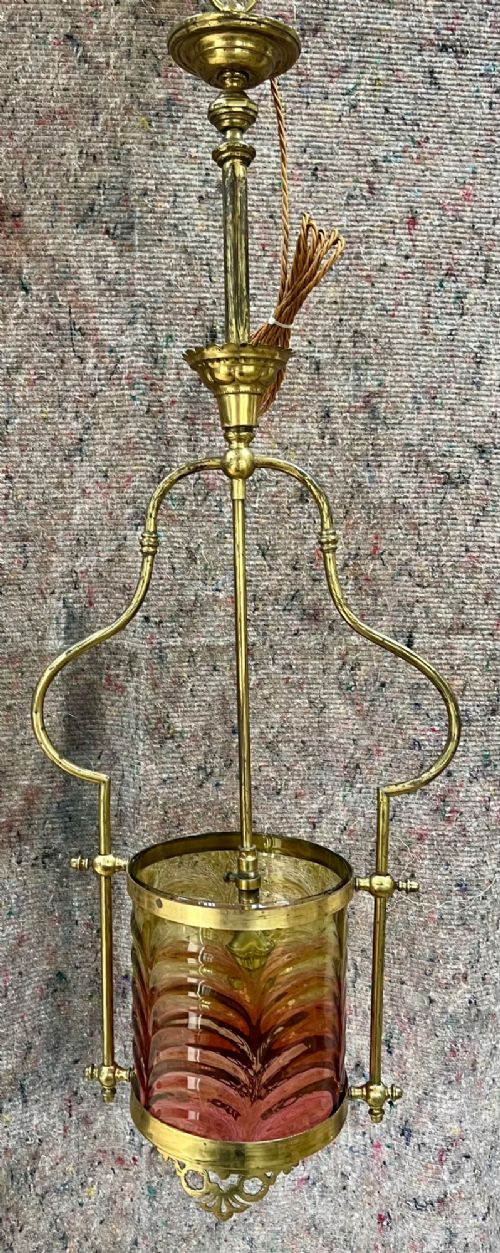
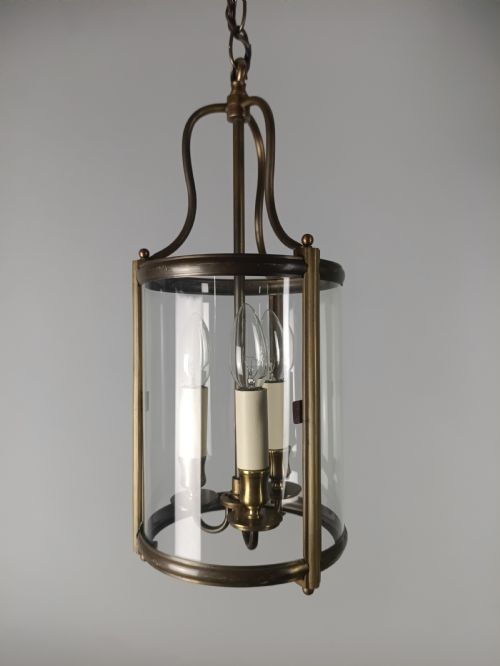
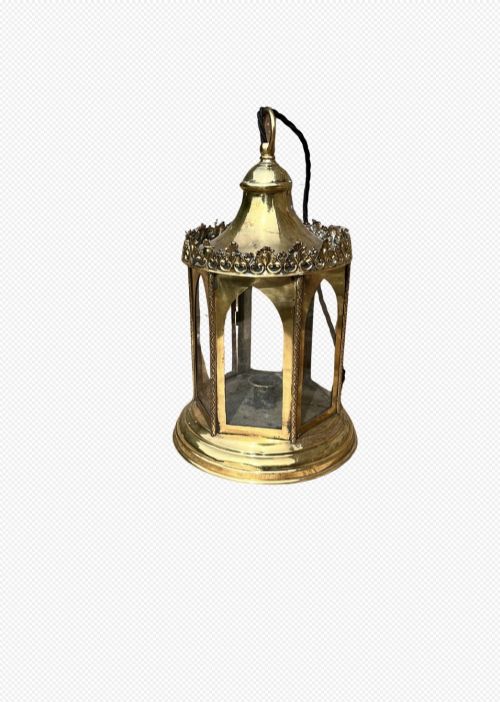
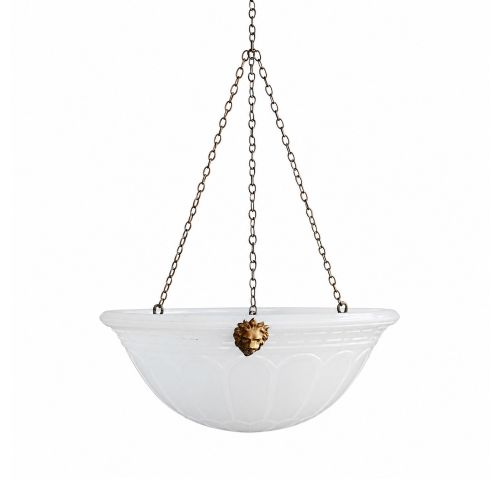
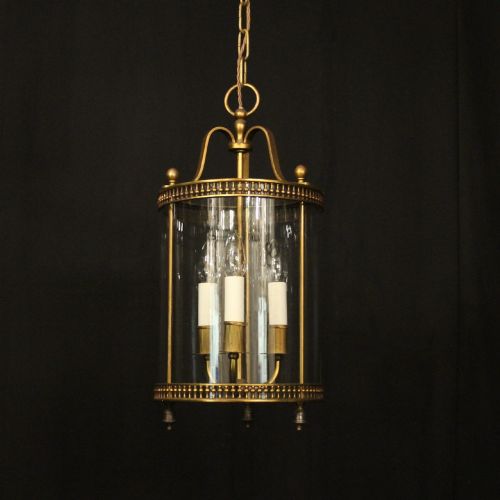
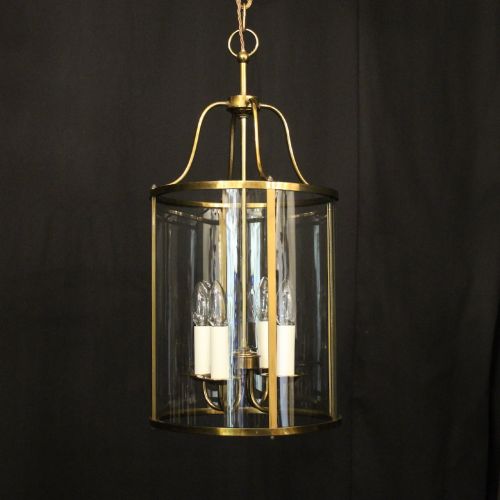
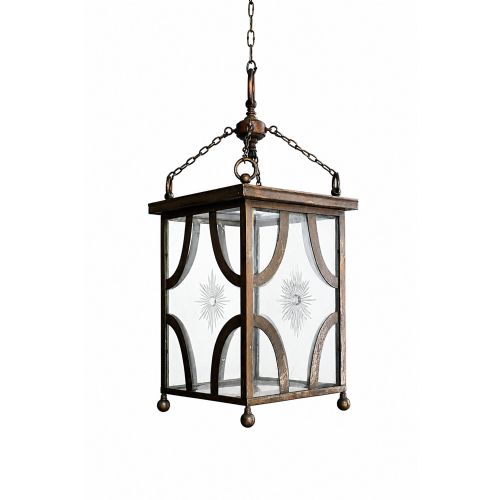
A traditional brass lantern serves primarily as an overhead light source for entrance halls, stairwells, and vestibules. The pieces found here span from the Victorian and Edwardian eras into the early twentieth century, showing English and French domestic design. Hall lanterns and pendant lights dominate the selection, utilising hexagonal, round, or convex glass panes.
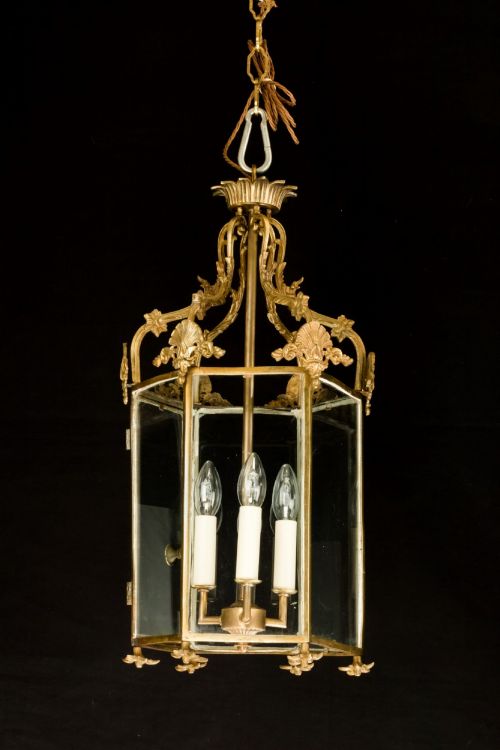
Makers and designers of these periods drew upon distinct stylistic vocabularies, ranging from Gothic Revival and Arts and Crafts to French Neoclassical and Rococo Revival. Buyers frequently encounter Edwardian brass hexagonal frames alongside French gilded bronze designs housing multiple internal lights. Scale varies considerably, from compact porch fixtures to large hanging lights intended for high ceilings.
Materials and construction methods
The construction relies heavily on cast and sheet brass, frequently paired with gilded bronze or gilt brass to add surface brilliance. Frames are soldered, screwed, or riveted together to support the weight of the metalwork and glass. Structural components often incorporate cast iron or steel elements for internal bracing, particularly in heavier carriage and coach lamps.
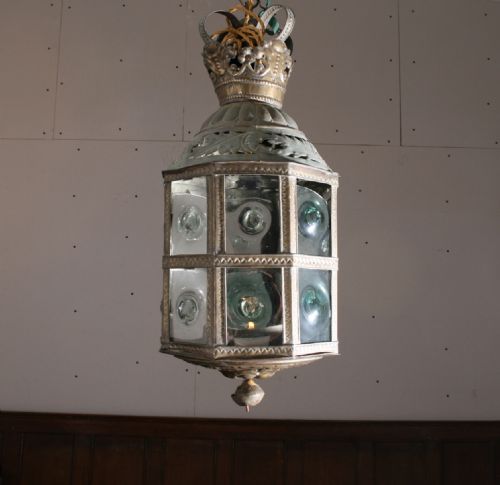
Glazing techniques define the character of the illumination, utilising hand-blown bullseye glass, moonstone panes, or heavy bevelled glass. Metal surfaces received various finishes, including natural polished brass, gilding, or patinated bronze. Electrical conversions and wiring were added later to older oil and candle fixtures to suit modern domestic requirements.
Listings feature periods spanning from the nineteenth century through the Edwardian era, alongside materials such as bevelled glass, gilded bronze, and brass.
Distinctions in craftsmanship and design
Quality separates pieces through the precision of the metal casting and the complexity of the frame geometry. Superior examples feature crisp architectural detailing, heavy gauge brass, and intricate hand-finished mounts rather than lightweight stamped metal. The inclusion of complex bevelled or hand-blown glass panes elevates a piece above standard utilitarian lighting.
The architectural presence of a lantern depends upon its proportions and the integrity of its decorative mounts. French gilded bronze models with multiple light clusters and elaborate neoclassical casting represent the upper tier of the range. Simpler utilitarian hall lights and coach lamps occupy a different category, prized for robust industrial utility rather than decorative ornament.
John Spershott of Titchfield·Grey of Edinburgh
The Traditional Brass Lantern Glossary
- Bevelled glass
- Glass panes with ground and polished angled edges that refract light. This technique adds decorative sparkle to the perimeter of the lantern frame.
- Convex glass
- Curved glass panels that project outward from the metal frame. They soften the internal light source and widen the beam angle.
- Gilt brass
- A thin layer of gold applied over a brass base metal. This treatment provides a durable golden surface without the cost of solid gold.
- Bullseye glass
- Circular blown glass panes featuring a central thick point or kick where the pontil rod was attached. They create distorted, rippling light effects.
- Lantern clock
- An early domestic brass spring or weight-driven clock designed to hang on a wall. They feature open strapwork frames and distinct bell domes on top.
Traditional Brass Lantern: Frequently Asked Questions
Where should I hang a hall lantern?
These fixtures suit entrance halls, vestibules, and high-ceilinged landings where they provide both ambient illumination and a strong architectural focal point.
Ensure adequate ceiling height and clearance for foot traffic below, particularly when selecting multi-light pendant versions.
Are these lanterns wired for electricity?
Many period pieces have been adapted for modern domestic electrical circuits over time, accommodating standard internal bulb fittings.
Buyers should consult a qualified electrician to inspect existing wiring and ensure compatibility with current safety standards.
How do I identify an Edwardian lantern?
Edwardian pieces often feature clean geometric lines, frequently utilising hexagonal brass frames with clear glass panels. They reflect a lighter aesthetic compared to heavy Victorian designs.
Maker choices and construction methods from this era prioritize refined domestic elegance and practical hall illumination.
What is the difference between a hall lantern and a coach lamp?
Hall lanterns are designed for interior hanging spaces, featuring glazed panels intended to distribute ambient light evenly across a room or passageway.
Coach lamps were built for exterior transport use, incorporating sturdier brackets and weather-resistant construction of brass and cast iron.