



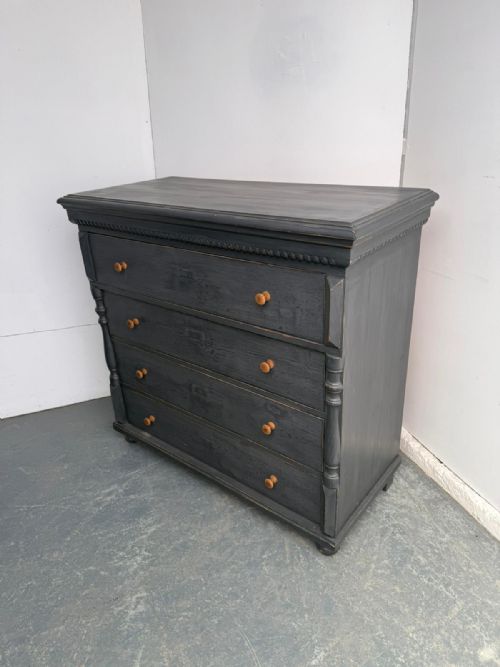
Antique Grey Commode
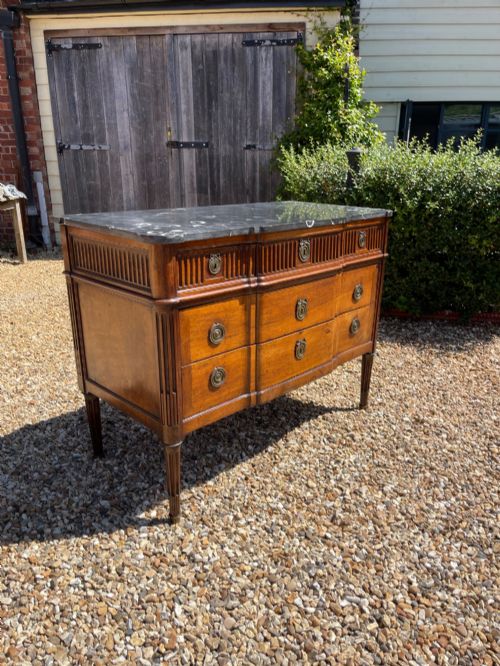
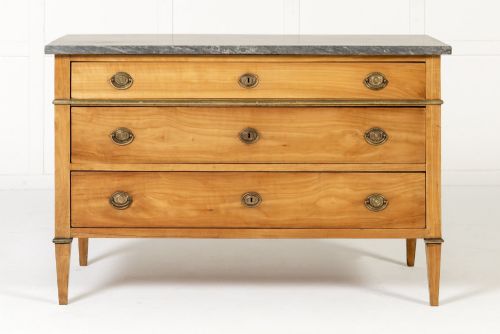
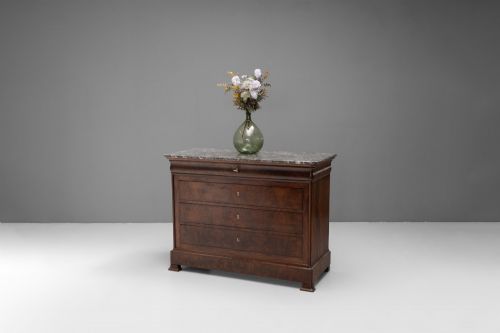
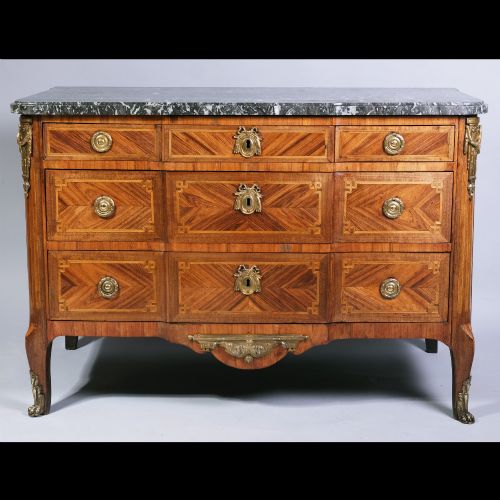
An antique grey commode brings functional storage and subtle neoclassical elegance into a room.
Antique Grey Commode
An antique grey commode provides practical storage while introducing muted tones and classic proportions to an interior. These pieces function as low chests of drawers or cabinets, often topped with marble or fitted with decorative painted finishes.
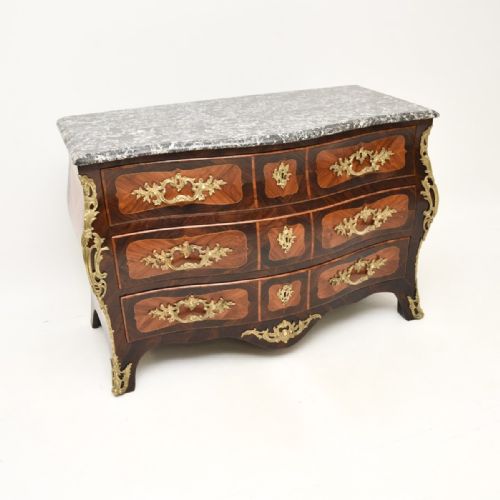
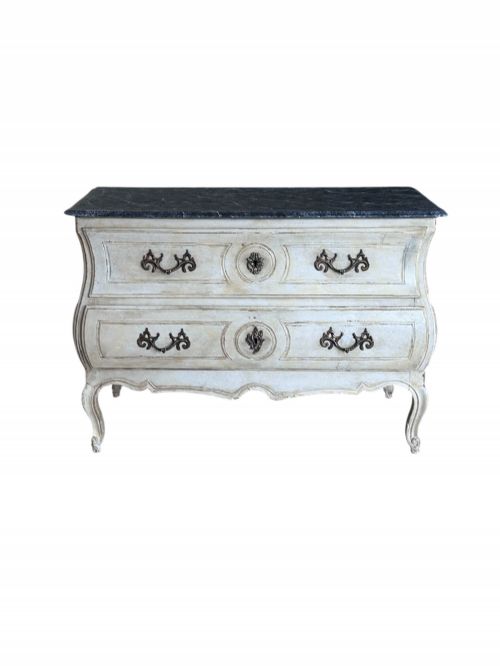
Most examples originate from eighteenth- and nineteenth-century workshops across France, Sweden, and Britain. Common forms include serpentine fronts, bombe shapes, and straightforward rectilinear chests adapted for domestic use.
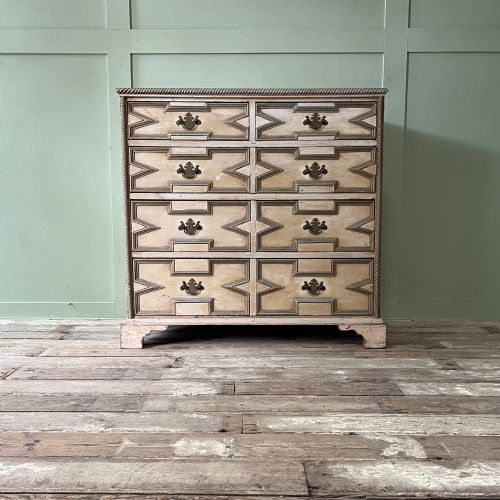
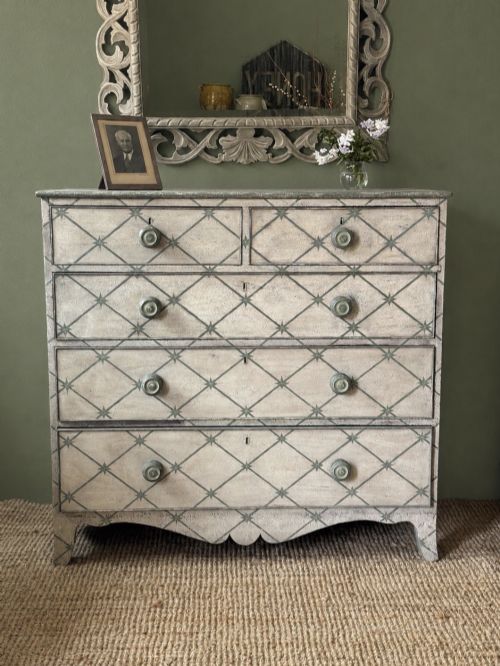
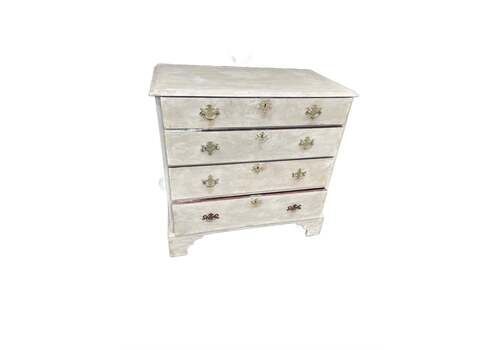
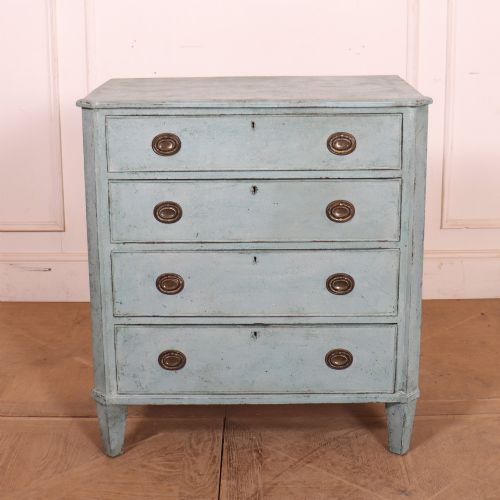
Buyers searching for an antique grey commode will encounter provincial painted styles, Gustavian designs, and walnut or cherrywood structures with later grey paint layers. The scale ranges from compact side tables to substantial bedroom chests.
Materials and Construction
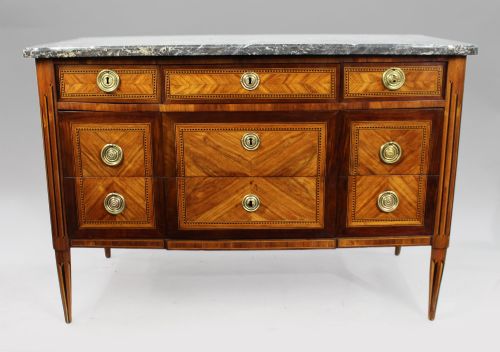
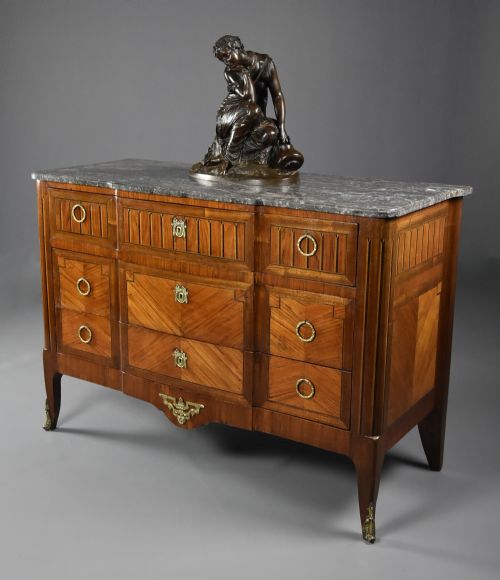
Cabinetmakers built these pieces using native hardwoods such as oak, walnut, cherry, elm, and pine, frequently applying decorative veneers like tulipwood or parquetry patterns. Structural joinery relied on traditional hand-cut dovetails for drawers and pegged mortise and tenon frames.
Surfaces received applied paint layers, often in muted grey tones, sometimes distressed through age or scraped back to reveal earlier colours. Many pieces incorporate fitted marble tops in grey or white shades, supported by sturdy timber carcases.
Several Swedish pieces arrive with layers of historic paint scraped back to reveal the original pale palette underneath.
Assessing the Pieces
Quality rests in the harmony of proportions, the crispness of carved details, and the integrity of the original timber and paint surfaces. Pieces retaining their original marble tops and period brass hardware stand apart from later adaptations.
Finer examples display careful cabinetmaking in internal drawer construction and smooth operation across all tiers. The subtlety of the grey paint application and the preservation of decorative parquetry determine the standing of individual items.
Jacques Bircklé·Sir Clough Williams-Ellis·Edwards and Roberts
The Antique Grey Commode Glossary
- Commode
- A low chest of drawers or cabinet designed for domestic storage. Originating in France, the form evolved from cupboards into sophisticated drawer units.
- Gustavian
- A Swedish neoclassical style characterised by restrained classical motifs and pale painted finishes. This aesthetic developed during the reign of Gustav III in the late eighteenth century.
- Bombe
- A swelling, convex furniture shape that curves outward on the front and sides. This technique required advanced woodworking skill to maintain structural stability.
- Parquetry
- Geometric patterns formed by fitting small pieces of veneer together on a surface. Craftsmen used contrasting timbers to create visual depth.
- Serpentine
- A furniture front characterised by a concave central section flanked by two convex curves. The undulating line adds movement to case pieces.
Antique Grey Commode: Frequently Asked Questions
What is an antique grey commode?
An antique grey commode is a low storage chest or cabinet finished in a grey painted surface or constructed from timber with neutral grey tones. These pieces typically date from the eighteenth or nineteenth centuries and originate from European workshops.
They combine practical drawer space with decorative appeal, often featuring marble tops or subtle carved details. The form serves as both a functional furniture item and a decorative focal point.
How were commodes used originally?
Commodes served primarily as bedside or parlour storage for personal items, linen, and documents. Their low height allowed them to fit beneath windows or against hallway walls.
Over time, their surface utility expanded to display decorative objects, lamps, or washbasin accessories, particularly when fitted with a durable marble top.
How do I style a grey commode?
A grey commode works well in hallways, living rooms, or bedrooms as a statement storage piece. Its neutral tone allows it to complement both traditional and contemporary interiors.
Pair the surface with simple ceramics, mirrors, or lighting to maintain the balanced proportions of the piece without cluttering the antique finish.
How can I tell different periods apart?
Dating relies on observing construction methods, hardware styles, and decorative motifs. Eighteenth-century pieces often feature hand-cut dovetails, organic patination, and specific regional characteristics like Gustavian neoclassical lines.
Nineteenth-century examples frequently show standardised manufacturing techniques, machine-sawn elements, or revival styles inspired by earlier French periods.