

Antique Green Storage Chest
An antique green storage chest brings both robust utility and rich surface colour into a room, offering practical storage with distinct period character.

Antique Green Storage Chest
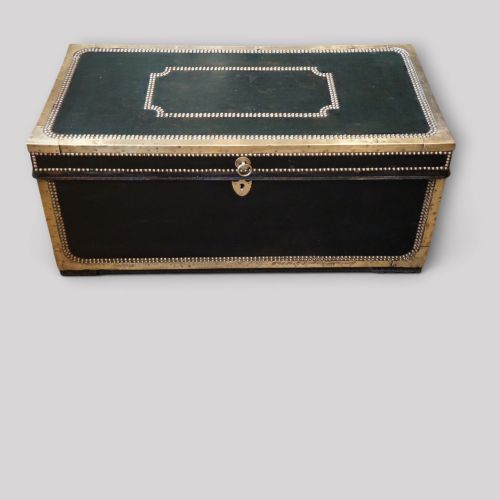
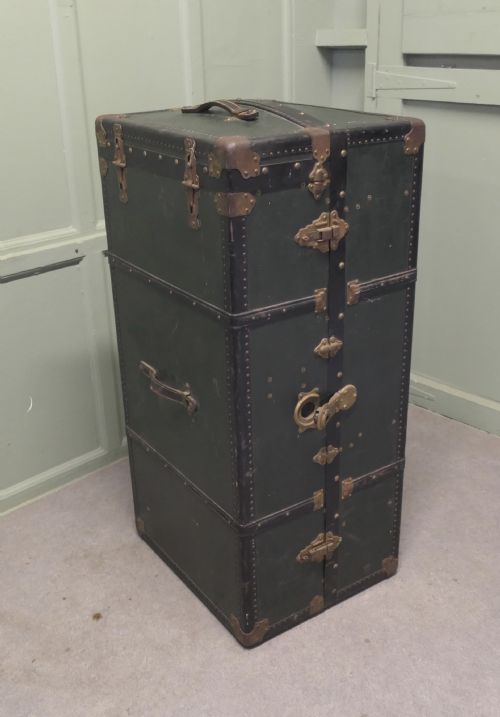
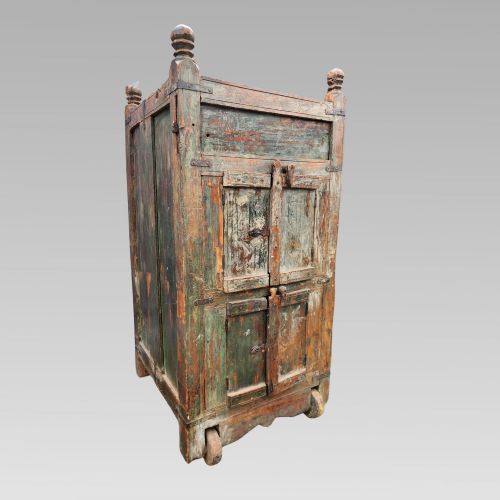
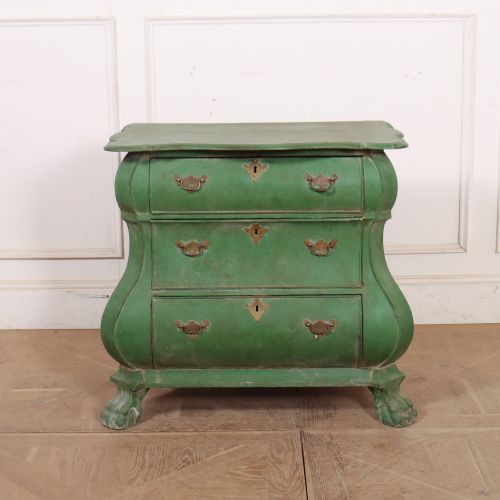
An antique green storage chest encompasses utilitarian trunks, blanket boxes, coffers, and campaign pieces finished in various shades of green paint or scumble glaze. These items originate from diverse domestic, military, and international contexts spanning the eighteenth, nineteenth, and early twentieth centuries.
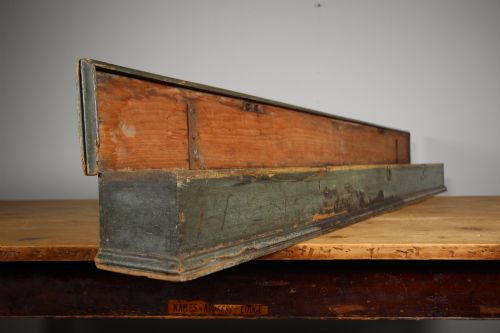
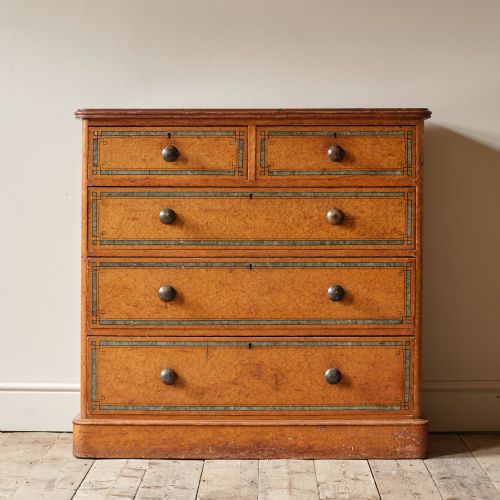
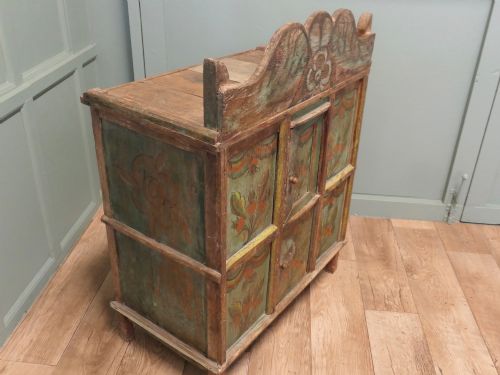
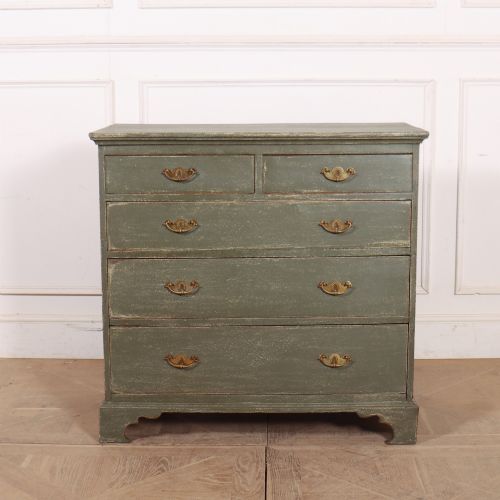
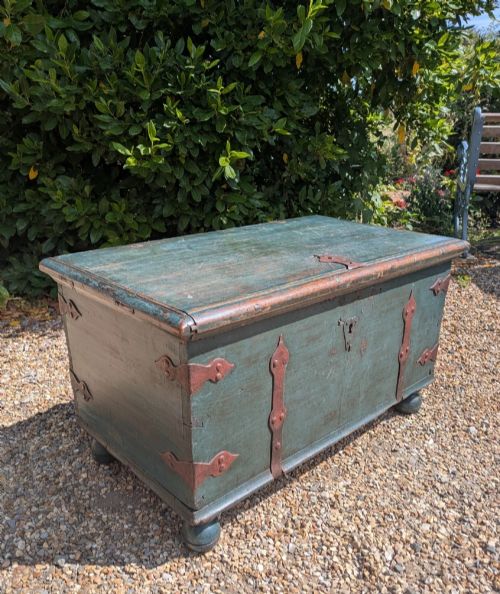
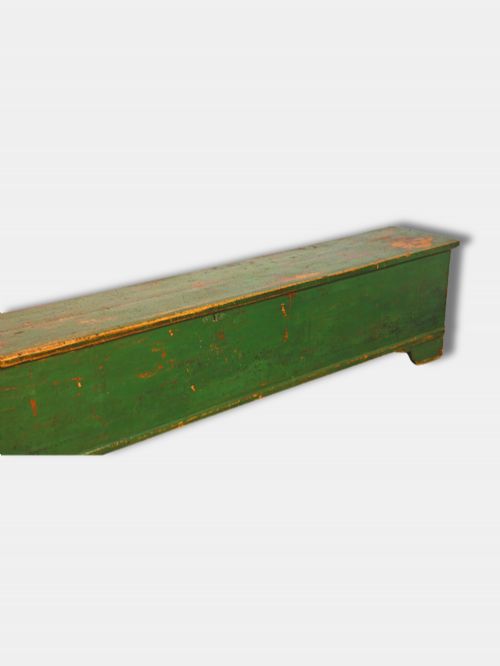
The version most commonly encountered on this page is the painted pine chest or blanket box, often dating from the Victorian era or earlier nineteenth century. Such pieces range from rustic country workshop items to more refined Georgian and Regency specimens.
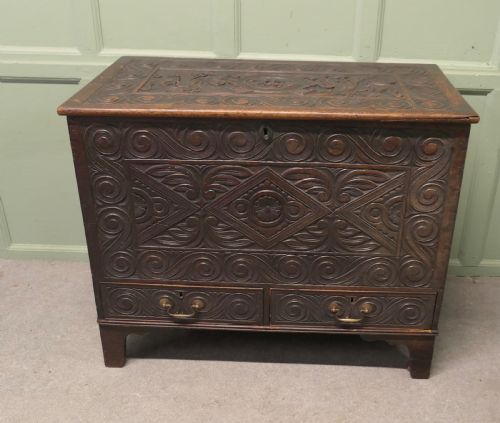
Beyond basic boxes, the selection extends to related forms such as dowry chests, campaign trunks, and carved oak coffers. Each variant serves the primary function of concealed storage while displaying the distinct aesthetic traits of its period.
How they were made
Construction relies heavily on solid timber such as pine and oak, joined by traditional methods and occasionally reinforced with hand-forged iron strapwork or brass mountings. Makers selected native and exotic woods depending on the intended use, whether for domestic blanket storage or rugged travel.
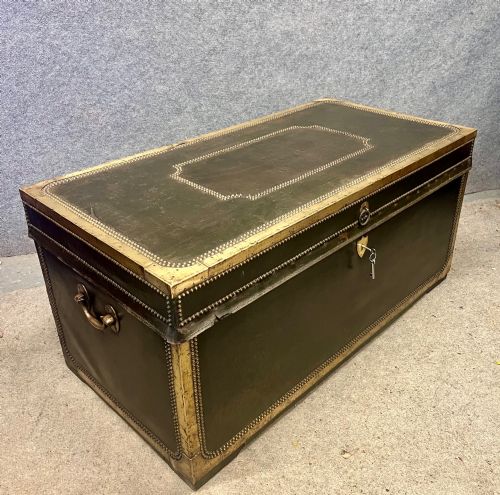
Surfaces frequently feature layers of historic green paint, scumble finishes, or leather upholstery secured with brass studs. These protective and decorative coatings were applied by hand, resulting in varied textures and patinas that develop further over centuries of use.
Antique Green Storage Chest Retail Price Guide 2026
Typical asking prices for green storage chest among the pieces listed under this phrase on Sellingantiques today, from the lower quarter to the upper quarter. They describe what is for sale here now, not the wider market.
A nineteenth-century marriage chest waits to hold secrets, having once stored a bride's domestic hopes inside its painted dome top.
What varies in quality
Quality reveals itself in the integrity of the timber construction, the originality of the painted surface, and the subtlety of decorative details like hand-carved panels or forged hardware. Pieces retaining their early or original paint layers generally command greater interest than those stripped or overly restored.
The refinement of joinery and the proportion of the carcass distinguish utilitarian workshop items from higher-status vernacular or formal furniture. Superior examples maintain structural soundness alongside a harmonious balance of form and surface wear.
Allen of London
The Antique Green Storage Chest Glossary
- Scumble paint
- A decorative glazing technique involving semi-transparent layers dragged or mottled over a base colour to simulate grain or create texture. This finish is frequently observed on nineteenth-century pine chests.
- Campaign trunk
- A portable storage chest designed for military officers or travellers, typically constructed with recessed brass handles and corner brackets for durability. Examples often utilise camphor wood or reinforced leather.
- Coffer
- A heavy wooden chest traditionally used for storing valuables, linens, or documents, often featuring panelled construction and carved ornamentation. Many examples double as historic hall seats.
- Mule chest
- A traditional storage chest featuring one or more drawers built into the base beneath the main compartment. They bridge the design gap between simple blanket boxes and chests of drawers.
- Strapwork
- Ornamental bands of metal, leather, or carved wood applied to the exterior of a chest for structural reinforcement and visual pattern. Hand-forged iron strapwork is typical of rustic country pieces.
Antique Green Storage Chest: Frequently Asked Questions
What were antique green storage chests used for?
These chests originally served diverse functions ranging from storing household blankets and winter linens to transporting military equipment during campaigns. Maritime and trade examples additionally carried personal possessions across international shipping routes.
Today, they adapt easily to modern living rooms, bedrooms, and hallways as practical furniture that conceals clutter while adding historic character to a space.
How do I care for a painted pine chest?
Maintain the historic surface by keeping the timber away from direct heat sources and strong sunlight, which can dry out the old paint and wood. Dust gently with a dry, soft cloth and avoid chemical cleaning agents that might damage delicate scumble or original paint layers.
Allow the wood to breathe naturally in stable indoor humidity conditions to preserve the structural integrity of the carcass and any iron or brass fittings.
How can I tell the age of an antique chest?
Dating relies on examining the construction methods, tool marks, joinery techniques, and the type of timber used in the carcass. Hand-forged hardware, cut nails, and the wear patterns on the wood and paint layers provide reliable clues to the period of origin.
Stylistic indicators such as Regency brass-studding, Victorian proportions, or earlier Georgian panel styles help narrow down the decade of manufacture when combined with physical evidence.
Are these chests suitable for everyday bedroom storage?
These pieces provide deep and versatile compartments that accommodate bulky items like extra bedding, pillows, and seasonal clothing with ease. Their sturdy construction ensures they withstand regular daily interaction in domestic settings.
Placing felt or acid-free tissue paper inside the interior helps protect delicate fabrics from direct contact with older timber surfaces.