


Antique English Bedroom Furniture
These pieces of antique English bedroom furniture bring tactile warmth and enduring utility to domestic spaces through time-tested craftsmanship.

Antique English Bedroom Furniture
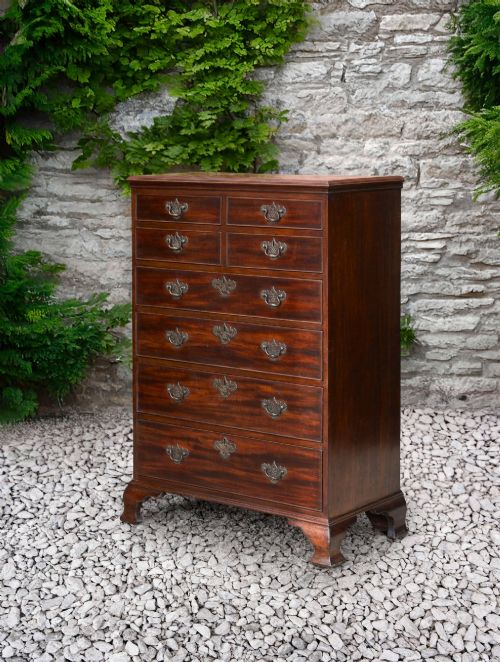
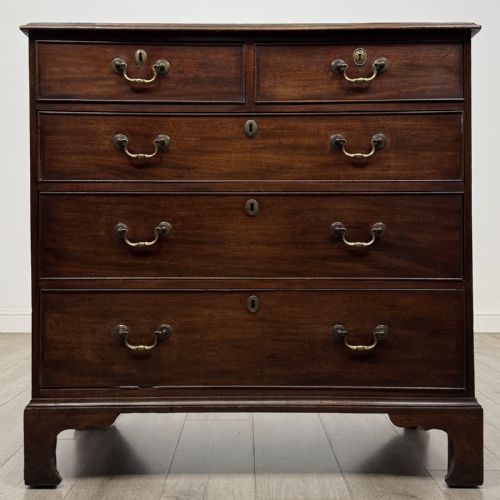
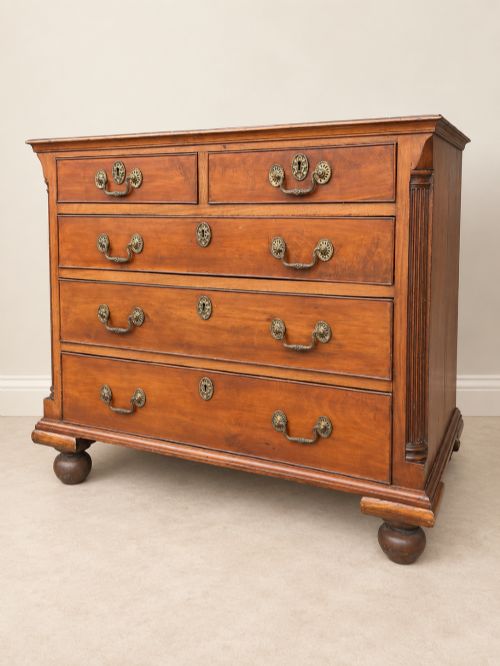
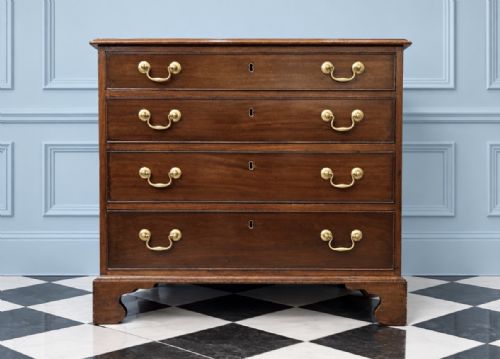
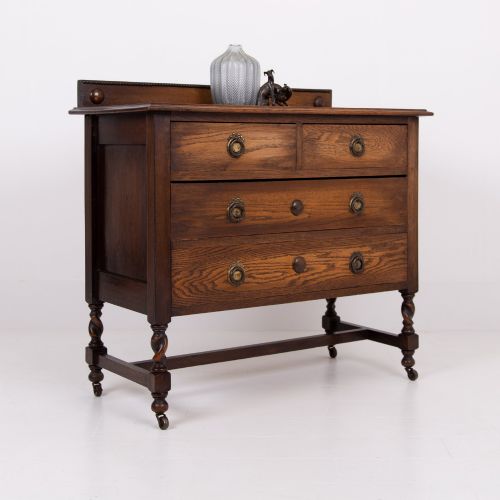
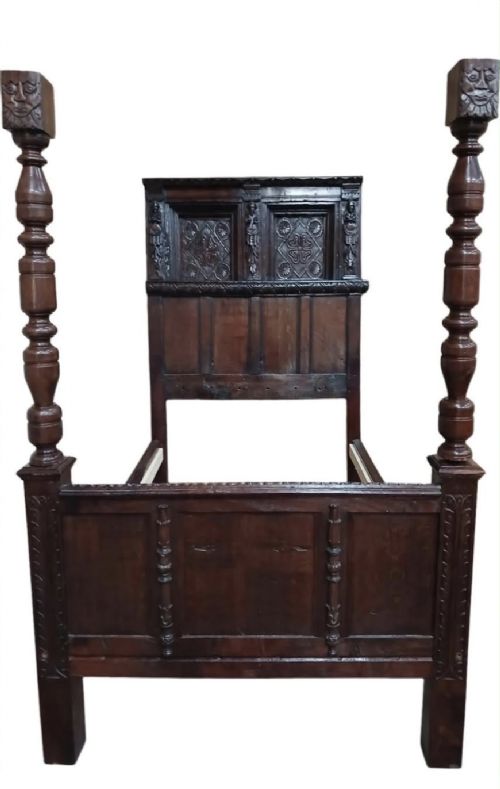
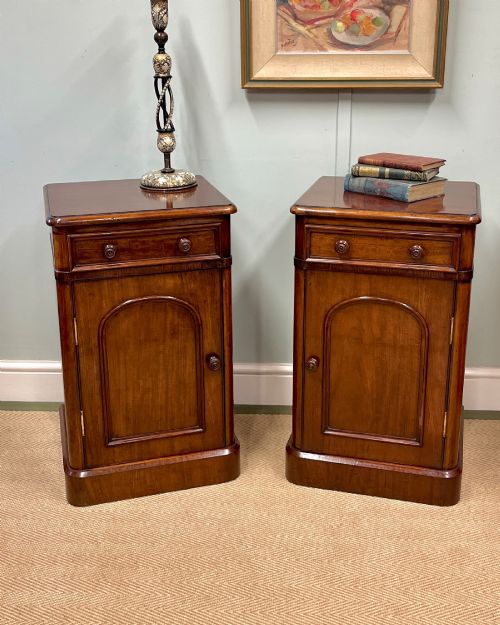
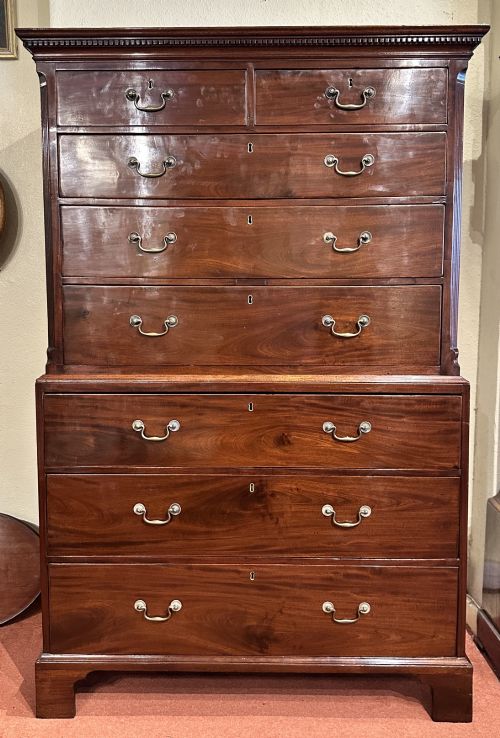
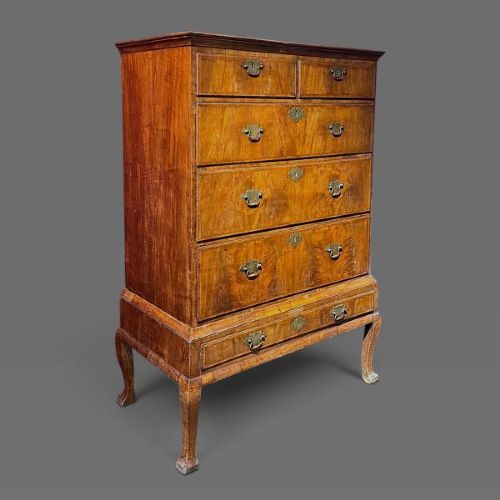
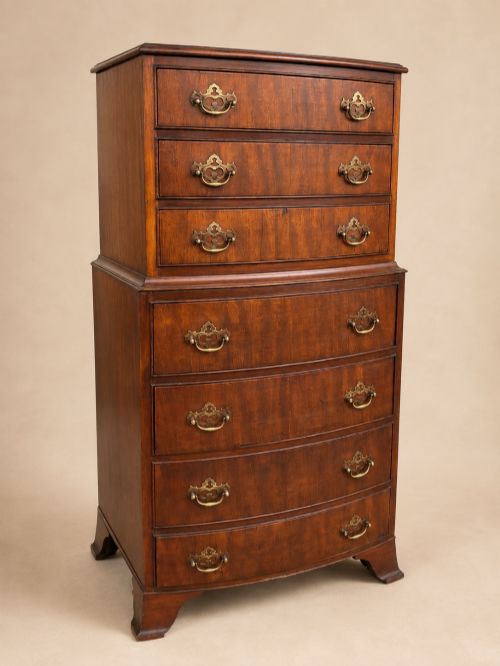
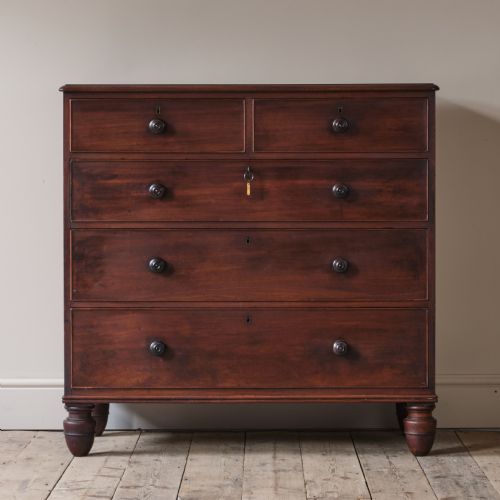
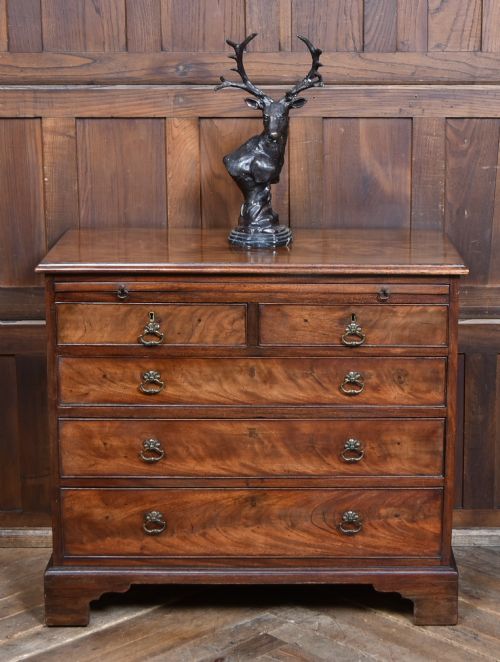
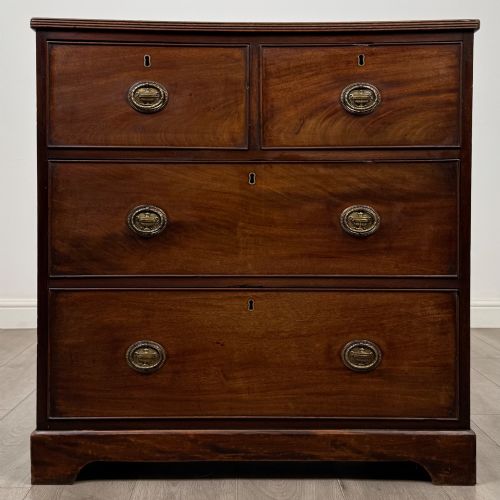
When you search for antique English bedroom furniture, you encounter a diverse array of functional domestic items spanning multiple centuries of design. Chests of drawers dominate the selection, appearing in numerous regional timbers and stylistic iterations from the seventeenth century onward.
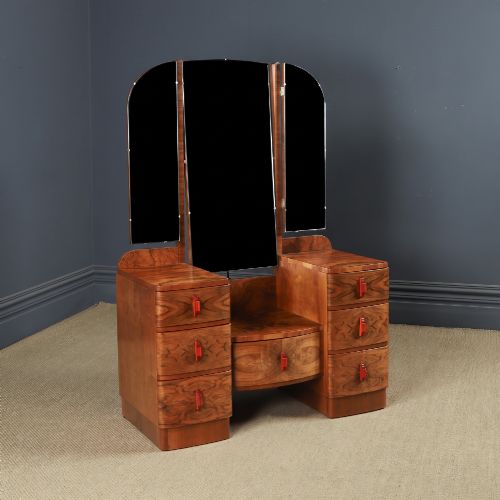
Beyond chests, the category encompasses wardrobes, dressing tables, washstands, beds, and seating options such as stools and accent chairs. The 19th Century and Georgian periods provide a substantial portion of the surviving items, alongside earlier walnut pieces and later 1930s walnut suites.
How they were made
Cabinetmakers utilised robust native and imported timbers, predominantly mahogany, oak, and walnut, frequently selecting figured or burr veneers for decorative emphasis. Pine served extensively for functional carcases and painted country pieces, while satinwood and goncalo alves appeared in specific Victorian contexts.
Construction methods relied on traditional joinery techniques, paired with brass handles, glass elements, and occasionally elaborate inlay or cross-banding. Surface treatments ranged from polished timber grains to original painted finishes.
Antique English Bedroom Furniture Retail Price Guide 2026
Typical asking prices for english bedroom furniture among the pieces listed under this phrase on Sellingantiques today, from the lower quarter to the upper quarter. They describe what is for sale here now, not the wider market.
Listings feature mahogany, oak, walnut, pine, burr walnut, metal, and glass across periods from the seventeenth century to 1930.
What varies in quality
Quality rests significantly on the selection of timber, where exceptional figured mahogany, burr walnut, or oyster veneers elevate an ordinary chest into a superior example. The crispness of proportion, the retention of original brass hardware, and the subtlety of cross-banding or inlay distinguish finer workshops from simpler regional output.
The integrity of construction, from dovetail joints to secondary woods, determines the lasting structural success of each piece. Surviving early surface patination and untouched finishes carry greater weight among collectors than heavily restored or altered examples.
T G Seddon·Howard And Sons·MP Davis Furniture Of London
The Antique English Bedroom Furniture Glossary
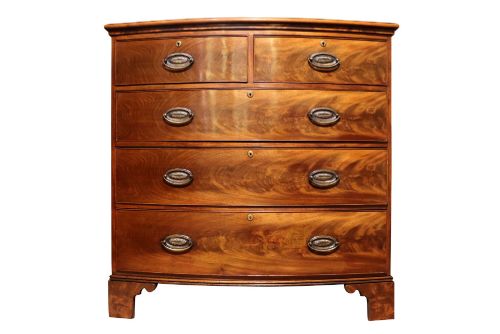
- Bow front
- A cabinet front that curves outward in a convex shape, frequently seen on Regency and Georgian chests of drawers.
- Chest on chest
- A tall storage unit formed by stacking one chest of drawers directly on top of another, often called a tallboy.
- Compactum
- A large fitted wardrobe combining hanging space with internal drawers and shelves.
- Cross-banding
- A narrow strip of veneer applied perpendicularly to the grain of the main surface to create a decorative border.
- Oyster veneer
- Circular slices cut transversely from small branches or roots, arranged to form a decorative ripple pattern on seventeenth-century surfaces.
Antique English Bedroom Furniture: Frequently Asked Questions
What defines a George III chest?
George III chests typically display balanced proportions, high-grade mahogany timbers, and precise dovetail construction executed during the later eighteenth century. Brass pull handles and bracket feet or ogee feet complete the standard form.
These pieces reflect the refined domestic standards of the Georgian era, offering deep drawers designed to hold folded linens and garments before fitted wardrobes became commonplace.
How do I use a washstand today?
Antique washstands, originally designed to hold ceramic basins and water jugs in bedrooms, now serve effectively as hallway console tables or bathroom sink surrounds. Their compact footprints and lower shelves suit modern storage needs.
Many retain marble or timber tops that handle daily use well, bridging historical utility and contemporary interior design.
What is burr walnut furniture?
Burr walnut incorporates timber harvested from walnut tree growths, yielding highly complex, swirling grain patterns. Cabinetmakers sliced these burls into thin veneers to adorn drawer fronts and table tops.
Such treatment was reserved for high-status pieces, appearing in both early walnut periods and later Art Deco designs.
Are pine chests purely rustic?
Pine chests range from simple, utilitarian country pieces with original painted surfaces to more refined Victorian items made from pitch pine. They provided sturdy domestic storage outside fashionable urban drawing rooms.
Their straightforward construction and painted finishes offer an accessible entry point into antique English bedroom storage.