






Traditional Painted Commode
A traditional painted commode offers storage and character, bringing warmth to a room through coloured finishes and solid timber construction.

Traditional Painted Commode
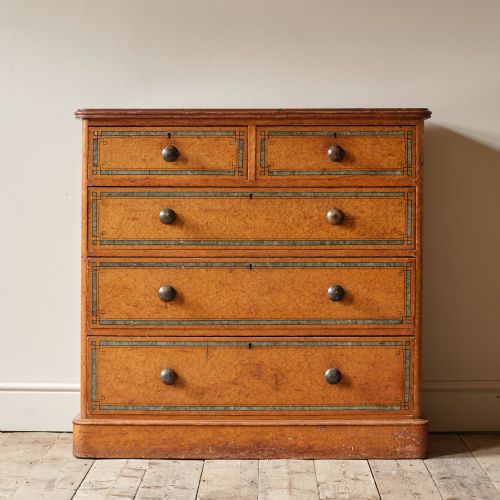
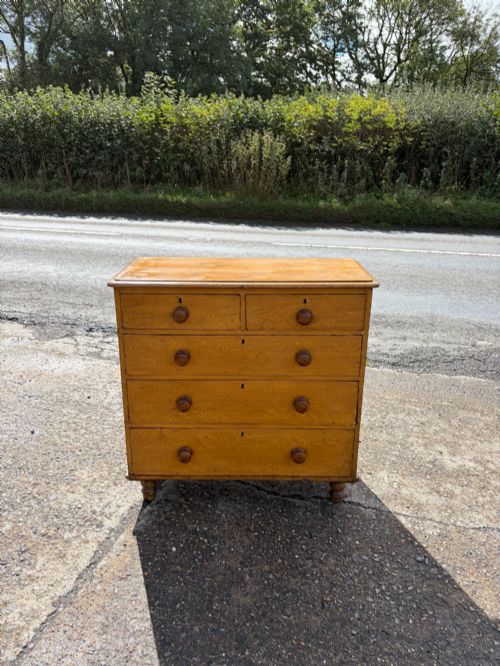
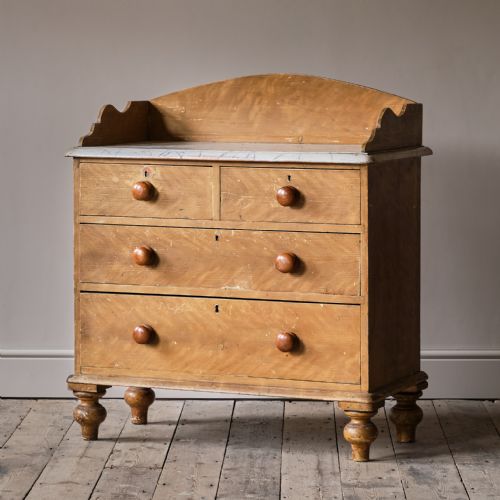
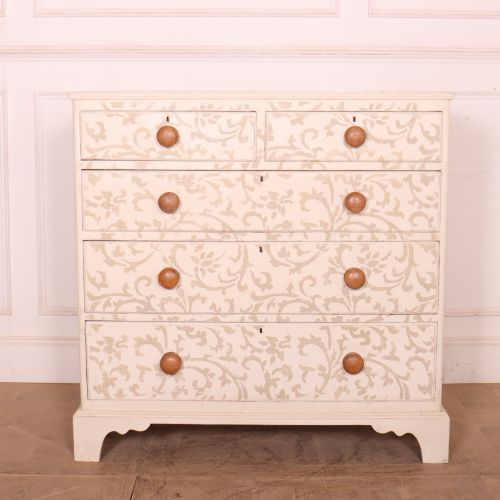
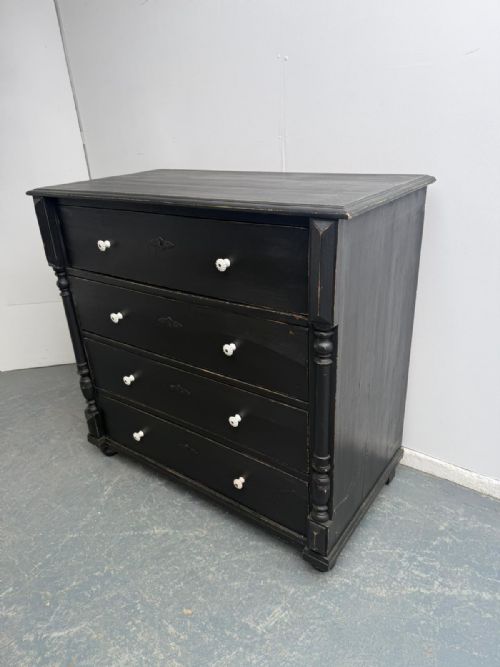
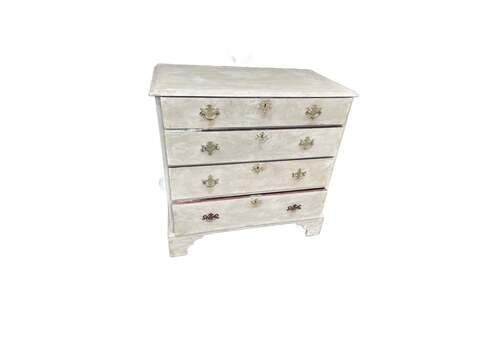
When searching for a traditional painted commode, you encounter pieces primarily formed as chests of drawers and washstands in pine and wood. These items date across the eighteenth and nineteenth centuries, including Victorian and Georgian examples.
The most common versions on this page are nineteenth-century pine chests of drawers featuring original paint, scumbled surfaces, or applied grey and black finishes. Alongside standard chests, you find regional English, Scottish, and Hungarian pieces, as well as continental folk art items.
Makers such as Edwards and Roberts appear in the evidence, alongside simpler country workshops. Styles range from formal serpentine and bow fronts to rustic country pieces and washstands.
How they were made
Makers constructed these commodes using timber such as pine, forming solid carcases and drawer boxes. Surfaces were then treated with paint, scumble finishes, or wax to protect the wood and provide colour.
Fittings such as brass handles and ceramic elements were incorporated into the design of drawers and washstands. Hand-painted decoration and scumbling techniques were applied directly to the wooden substrates by craftspeople.
Traditional Painted Commode Retail Price Guide 2026
Typical asking prices for traditional painted commode among the pieces listed under this phrase on Sellingantiques today, from the lower quarter to the upper quarter. They describe what is for sale here now, not the wider market.
Listings feature pine and painted wood materials across eighteenth- and nineteenth-century periods, including Victorian and Georgian styles.
What varies in quality
The distinction between standard examples and superior pieces rests on the originality of the surface finish and the integrity of the timber. Original paint layers and scumbled decoration hold more interest than later overpainting.
Construction detail also defines the tier of a piece, from simpler rustic country items to refined Georgian bow fronts and named cabinet-maker production. The preservation of original brass and ceramic fittings further separates ordinary items from better ones.
Edwards and Roberts
The Traditional Painted Commode Glossary
- Scumble
- A decorative painting technique involving the manipulation of translucent layers of glaze over a base colour to imitate wood grain or create mottled textures. This finish appears frequently on nineteenth-century pine furniture.
- Serpentine front
- A furniture front characterised by a central convex curve flanked by two concave curves. This contour requires skilled carpentry and denotes a more formal style.
- Bow front
- A convex, outwardly curved front elevation common on Georgian chests of drawers. It softens the linear geometry of the piece.
- Washstand
- A specialised piece of furniture designed to hold a basin and washing equipment before plumbed bathrooms. These often share similar proportions to small chests of drawers.
Traditional Painted Commode: Frequently Asked Questions
What is a traditional painted commode?
A traditional painted commode is typically a chest of drawers or washstand made from timber and finished with paint or scumble. These pieces date largely from the eighteenth and nineteenth centuries.
They originate from various regions including England, Scotland, and Hungary, displaying styles from rustic country to formal Georgian designs.
How do I care for original paint?
Protect original painted surfaces by keeping them away from direct sunlight and excessive moisture. Dust gently with a dry cloth without using harsh chemical cleaners.
Applying a gentle wax where appropriate helps maintain the timber beneath the painted finish without altering its historic character.
Are these pieces from the Victorian era?
Many of the commodes and chests of drawers date from the Victorian period, alongside earlier Georgian and later nineteenth-century examples. Victorian pieces often feature pine construction with painted or scumbled surfaces.
Construction details and hardware styles help distinguish Victorian items from eighteenth-century or 1900s pieces.
What wood was used?
Pine is the predominant timber found in these painted commodes and washstands. Cabinet makers utilised native and imported softwoods to build the carcases and drawers.
This timber accepted paint, scumble finishes, and wax treatments readily, making it the standard material for country and regional furniture.