
Antique Glassware Decanter
An antique glassware decanter brings functional elegance to the table, offering rich colour and heavy historical form.
Antique Glassware Decanter
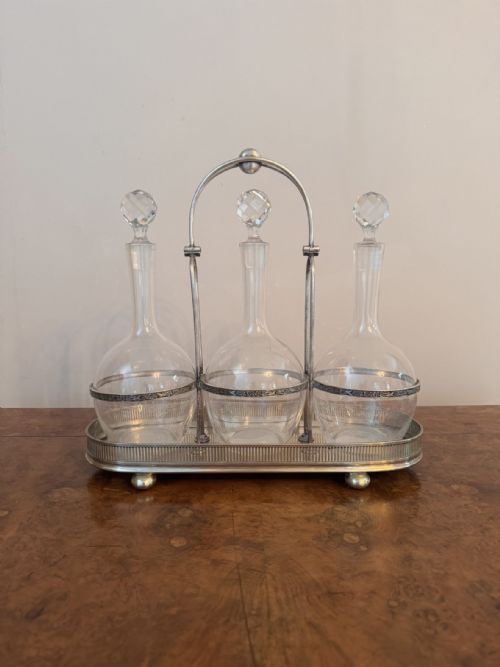
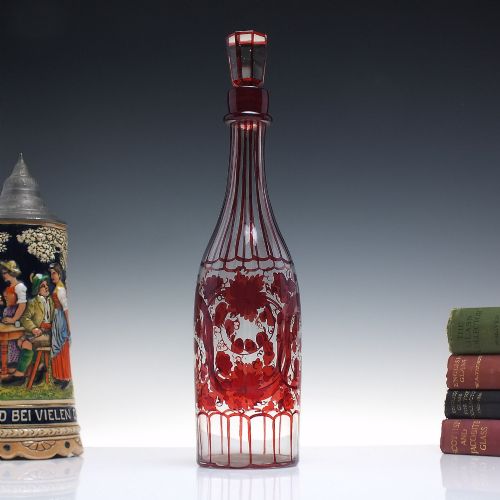
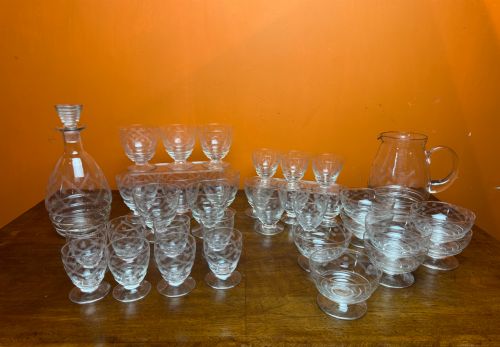
When searching for an antique glassware decanter, collectors encounter vessels spanning the Georgian, Victorian, and Edwardian eras, alongside later Art Deco designs. The selection includes spirit decanters, carafes, claret jugs, and matching sets intended for wine, whisky, or cordial.
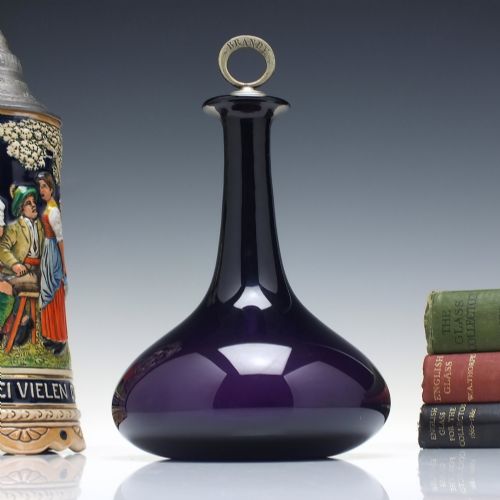
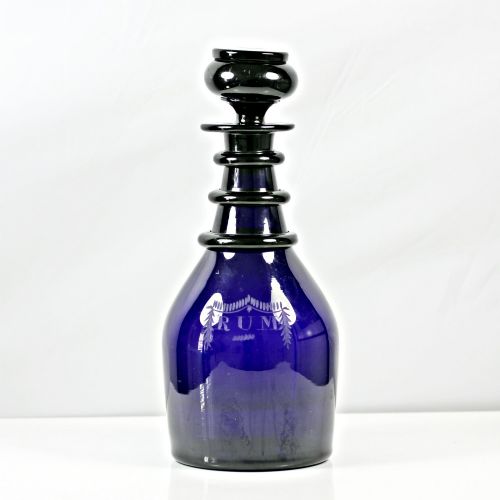
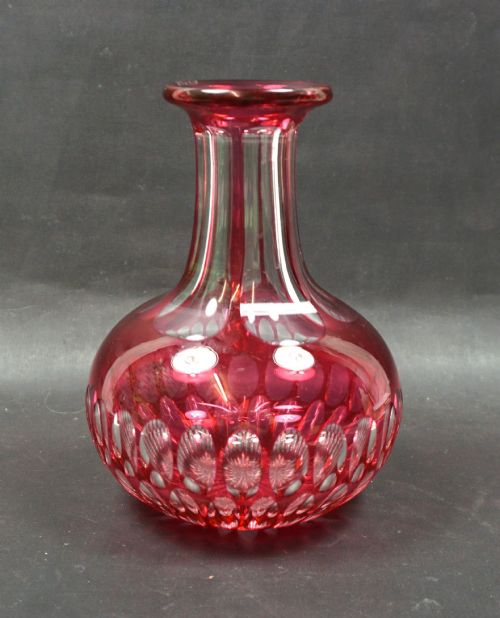
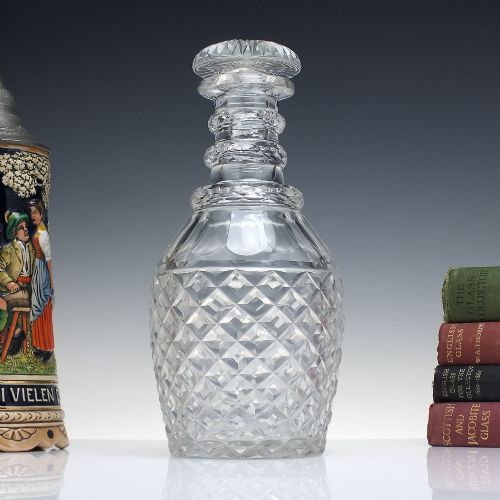
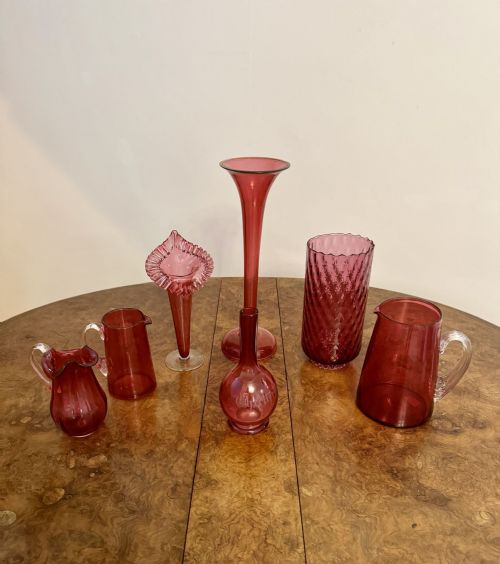
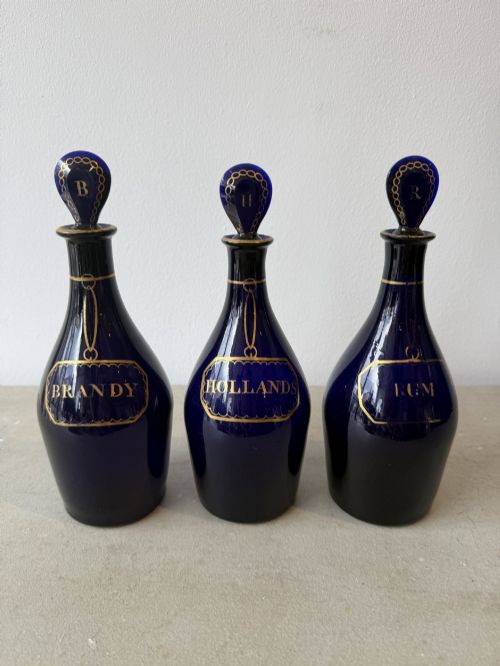
Most examples found in this range reflect Victorian and Edwardian production, alongside robust Georgian forms featuring distinct neck rings. These vessels vary from plain clear glass to richly coloured cranberry, amethyst, and Bristol blue bodies.
How they were made
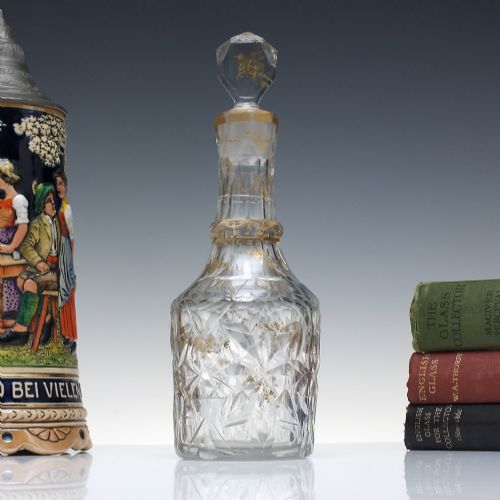
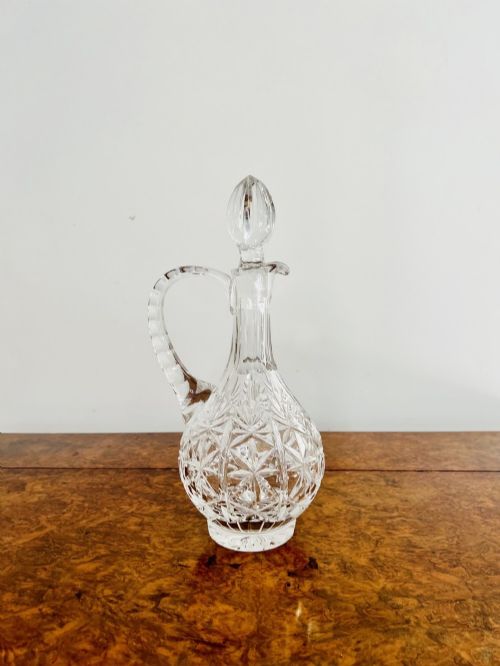
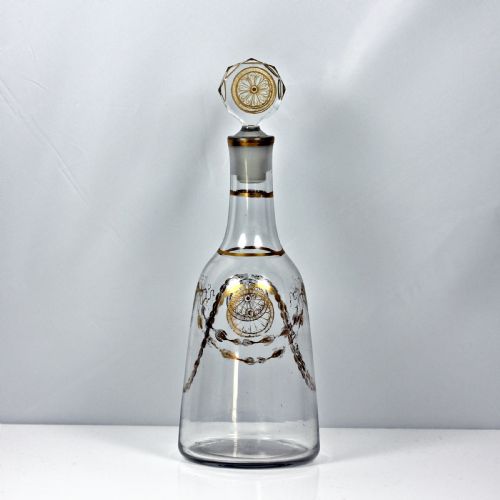
Makers utilised lead glass, crystal, and clear glass, shaping vessels through optical blowing and heavy mould-pressing. Artisans then applied wheel-cutting, intaglio engraving, and hand painting with gold leaf and enamel.
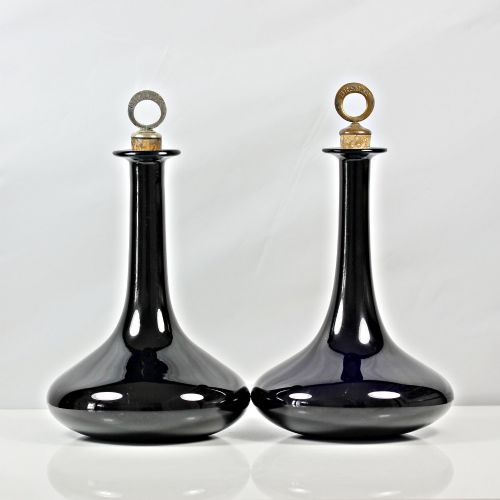
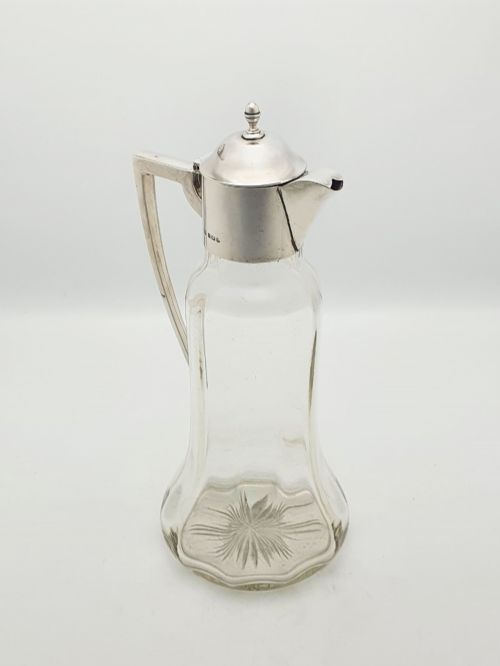
Mounts and hardware incorporate sterling silver and silver plating, often paired with stoppers ground to fit individual necks.
Antique Glassware Decanter Retail Price Guide 2026
Typical asking prices for glassware decanter among the pieces listed under this phrase on Sellingantiques today, from the lower quarter to the upper quarter. They describe what is for sale here now, not the wider market.
Some Victorian spirit bottles came labelled with permanent glass rings declaring 'BRANDY' or 'WHISKY' to prevent household confusion.
What varies in quality
Quality rests upon the depth of the metal, the precision of the cut facets, and the clarity of the glass. Heavy lead crystal and deep wheel-engraving distinguish superior work from standard commercial output.
The sophistication of decorative additions, such as intricate gilding by known ateliers or delicate hand painting, separates exceptional pieces from simpler utilitarian vessels.
James Giles·Stevens and Williams·James Powell·Webb Corbett·Karl Palda
The Antique Glassware Decanter Glossary
- Neck ring
- A horizontal raised band encircling the neck of a vessel. These rings provided a secure grip for wet hands during pouring.
- Mell decanter
- A bottle form characterised by a rounded body and tapering neck. This shape appeared frequently in Georgian and Victorian service.
- Intaglio
- A technique where designs are incised beneath the surface of the glass using a small rotating wheel. It creates a frosted, recessed motif.
- Noggin
- A small vessel used for serving spirits, typically holding a single measure. They often feature silver collars and handles.
Antique Glassware Decanter: Frequently Asked Questions
How do I clean an antique decanter?
Fill the vessel with warm water, mild detergent, and non-abrasive cleaning beads or rice, then swirl gently to lift residue.
Avoid extreme temperature changes to protect old glass from cracking, and leave the stopper out until completely dry.
Are these decanters safe for modern use?
Most lead glass and crystal vessels remain suitable for serving wine and spirits during meals or gatherings.
Check each piece for interior staining or cloudiness before serving beverages to guests.
How can I date an antique decanter?
Examine the pontil mark on the base, the shape of the neck rings, and the style of any cut facets.
Georgian bottles often feature pontil scars and heavy lead metal, while Victorian and Edwardian examples show machine-polished bases or silver mounts with hallmarks.
What is the difference between a decanter and a carafe?
Decanters traditionally feature fitted glass stoppers designed to seal spirits or aged wine for storage and serving.
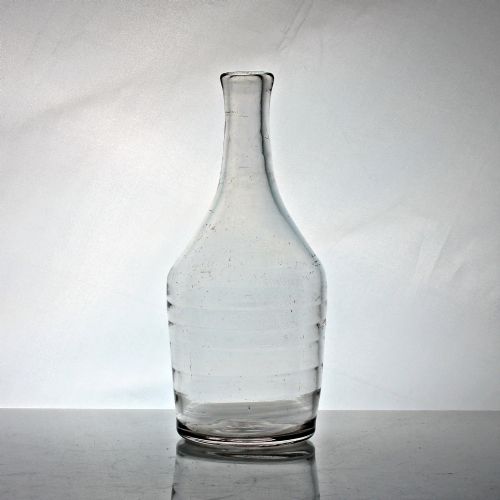
Carafes typically feature open necks without stoppers, intended for immediate table service of water or young wine.