
Antique Glass Tableware
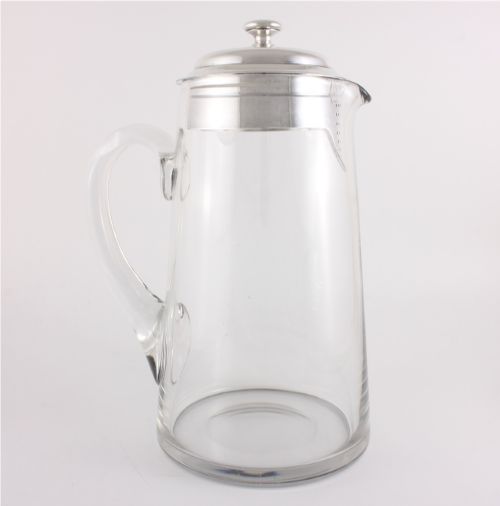
These antique glass tableware pieces bring period charm to the table, offering practical utility combined with Victorian and Edwardian craftsmanship.
What antique glass tableware pieces are
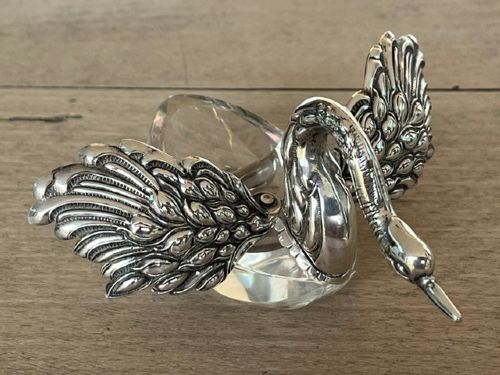
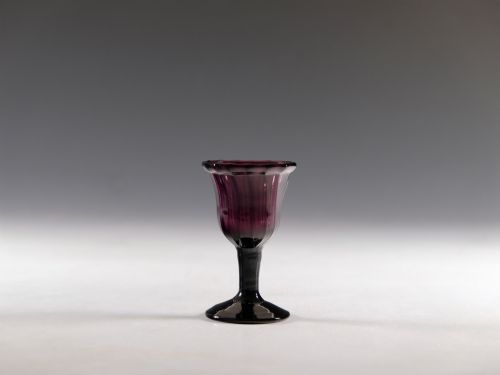
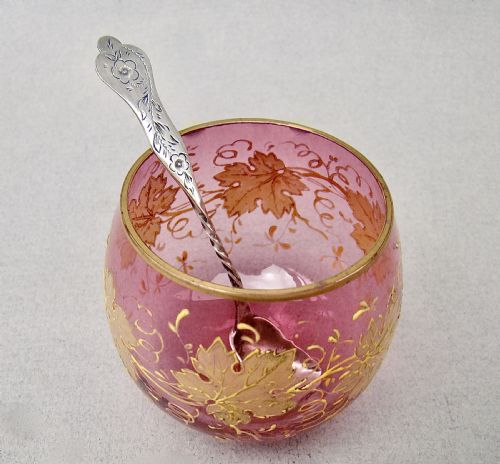
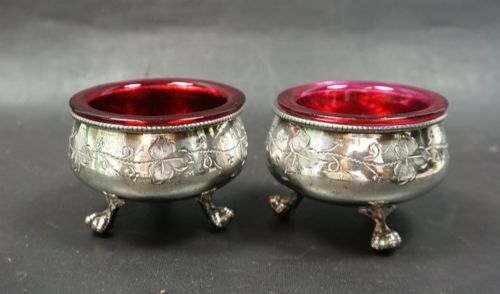
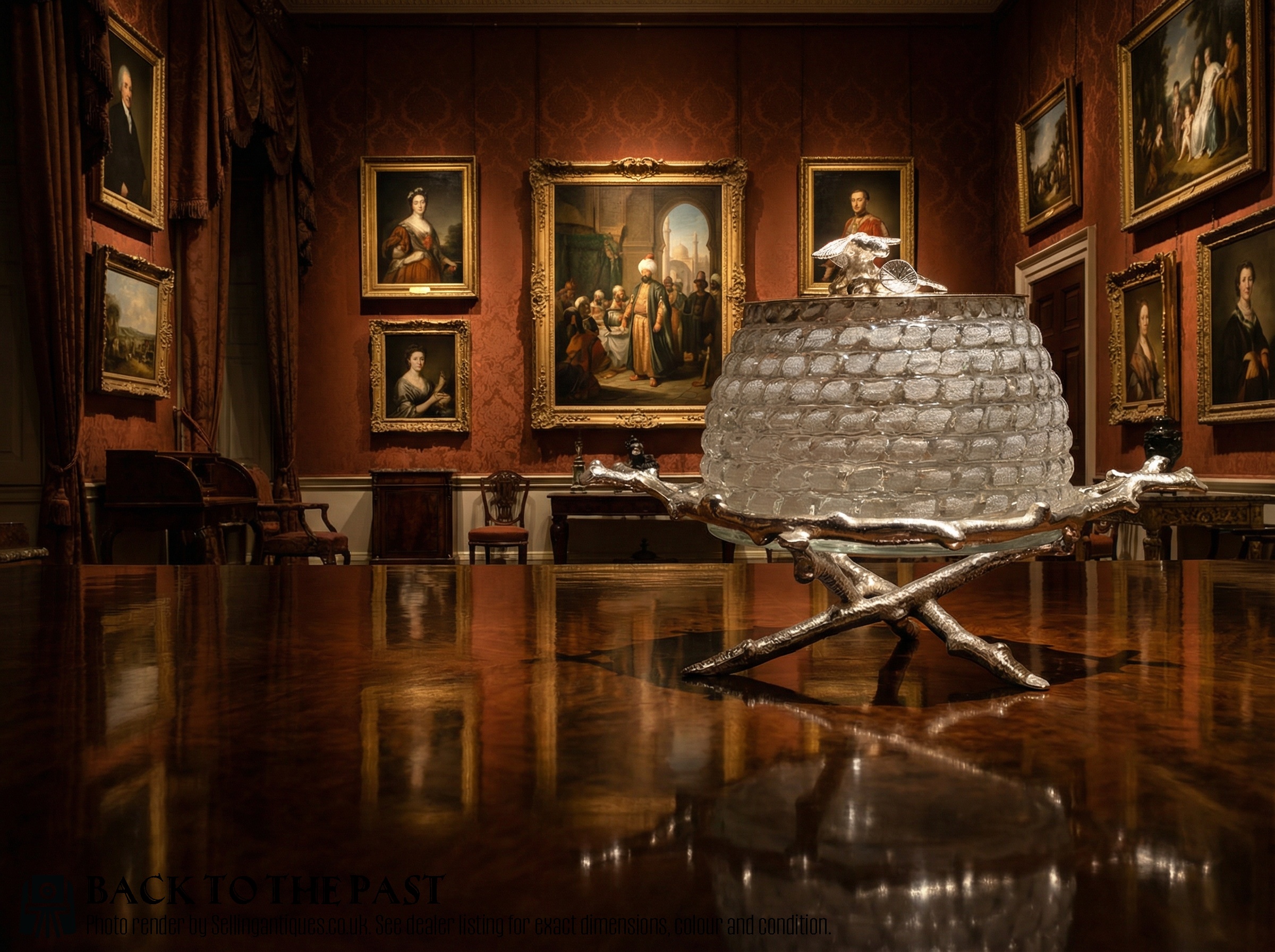
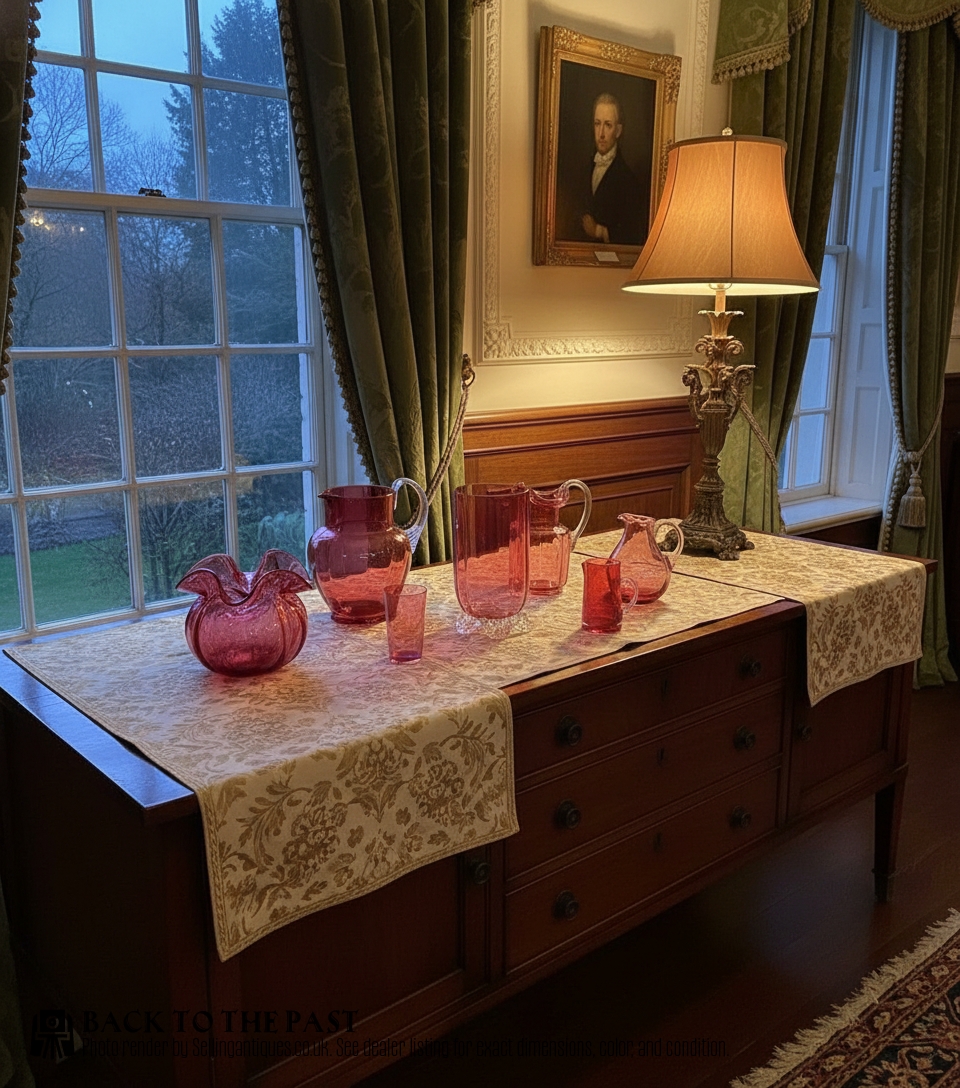
The pieces appearing on this page span the Victorian era, the Edwardian period, and up to nineteen twenty. They showcase distinct historical forms made from clear glass, cranberry glass, and cut glass.
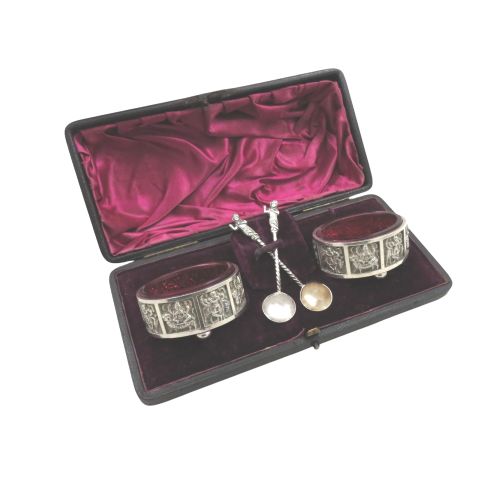
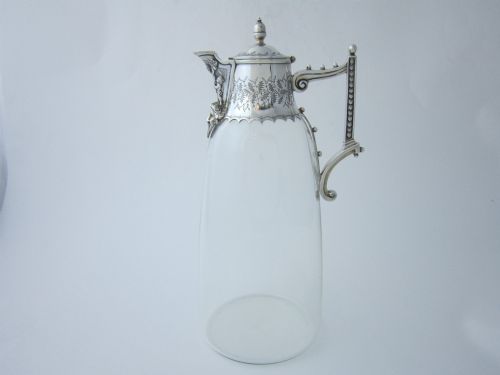
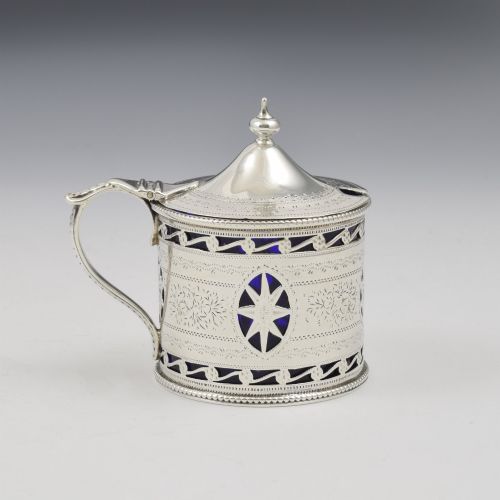
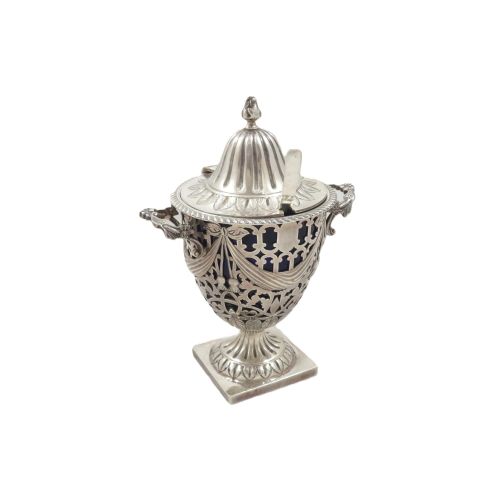
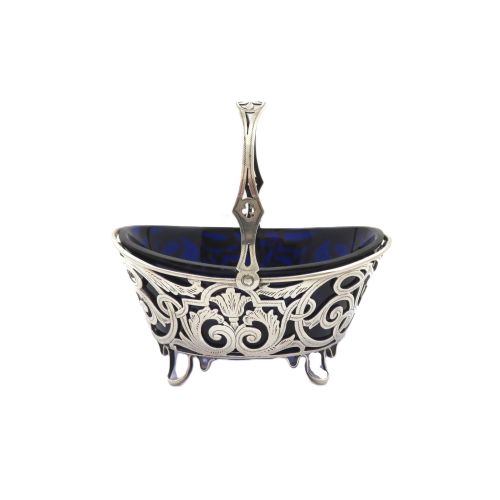
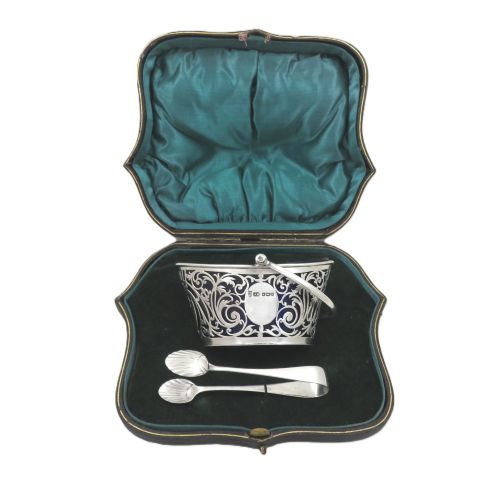
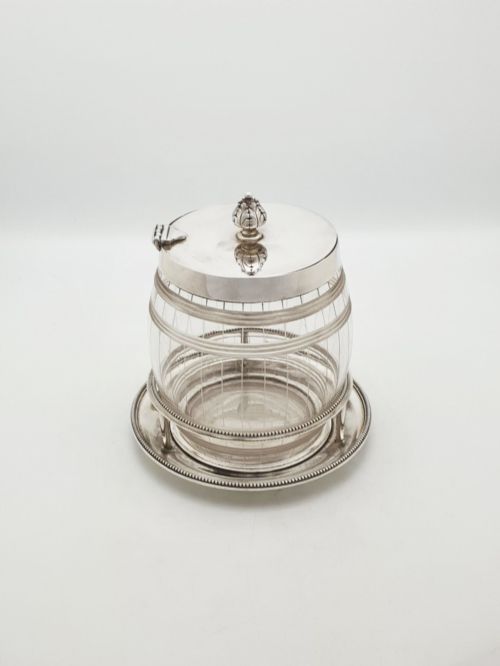
Vessels often incorporate precious mountings and stands made from sterling silver and silver plate. These combinations reflect formal dining traditions of the nineteenth century.
How they were made
Makers utilised traditional glassblowing and mould-blowing techniques to shape lead crystal and clear or coloured glass. Surface designs were achieved through cutting, engraving, and etching.
Metalwork components involved sterling silver and silver plate, which were mounted onto the glass bodies. Silversmiths such as William Comyns supplied fitted stands, rims, and lids for these tableware items.
Retail Price Guide 2026
Typical UK retail prices for glass tableware, calculated from the Sellingantiques database of over a million retail prices indexed since 2003. This retail price guide relies exclusively on Sellingantiques data; no external sources or auction records are used, so the figures do not describe the wider market.
Victorian diners used tall decorated vases exclusively to show off raw celery stalks like floral centrepieces.
What varies in quality
Quality differences depend on the crispness of the cut or engraved decoration and the clarity of the material itself. Heavier lead crystal and deeply faceted cut glass represent a higher standard of production.
The integration of metal mounts also defines the tier of the piece. Substantial sterling silver mounts by notable makers elevate tableware above standard silver plate alternatives.
William Comyns
The Antique Glass Tableware Glossary
- Cranberry glass
- A rich red-pink transparent glass created by adding gold chloride to the molten batch. It is characteristic of Victorian decorative tableware.
- Celery vase
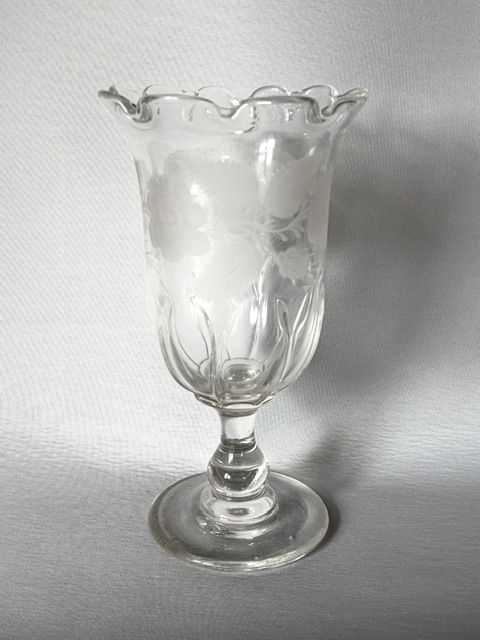
- A tall, footed vessel specifically designed to hold and display stalks of celery during formal nineteenth-century dining. These pieces often feature extensive etching or cutting.
- Shaft and globe decanter
- A wine bottle form featuring a spherical body and a long, slender neck. Victorian examples frequently utilise engraved decoration.
- Silver plate
- A base metal coated with a thin layer of silver. This technique provided the appearance of solid silver for nineteenth-century tableware stands and mounts.
- Lead crystal
- Glass containing lead oxide, which increases brilliance, weight, and the ability to hold sharp cut facets. It forms the basis of many quality nineteenth-century bowls and decanters.
Frequently Asked Questions
What were celery vases used for?
Celery was a prized and expensive vegetable during the Victorian era, served upright at the centre of the table in dedicated tall vases.
These vessels allowed diners to select stalks easily during formal meals while showcasing the etched or cut glass designs.
How do I identify Victorian glass?
Victorian glass tableware is identified through period forms, heavy lead crystal weights, and specific decorative techniques like deep cutting and etching.
Many pieces also feature hallmark-dated silver mounts that confirm their exact period of manufacture.
What is cranberry glass?
Cranberry glass is a distinctive transparent red-pink material achieved by melting gold into the glass mixture.
It became extremely popular during the Victorian period for decorative bowls, jugs, and glassware collections.
How do I care for antique glass?
Antique glass tableware requires gentle hand washing in warm, soapy water without harsh abrasives.
Silver mounts should be polished carefully with a soft cloth to avoid touching the surrounding glass surface.