


Antique Glass Ornaments
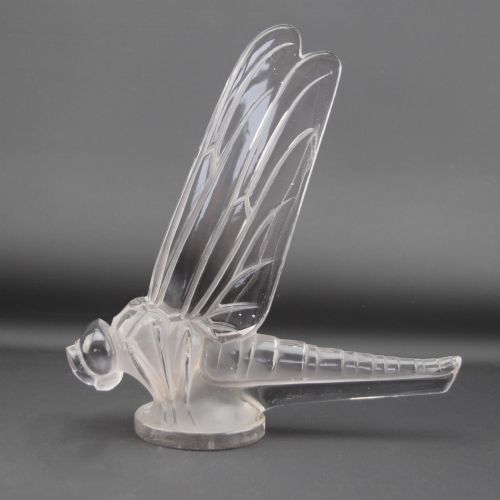
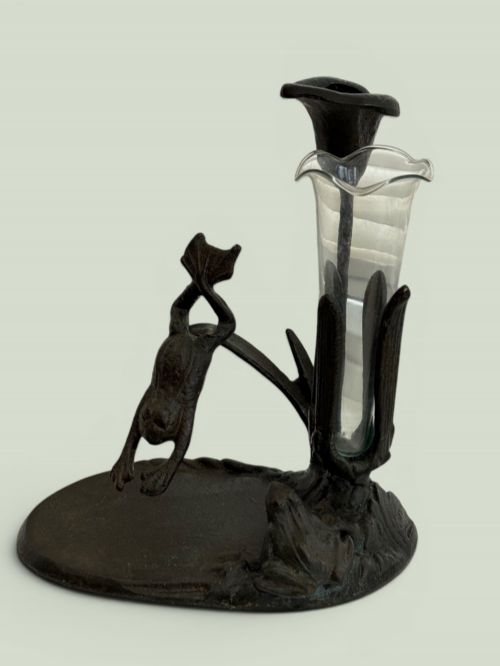
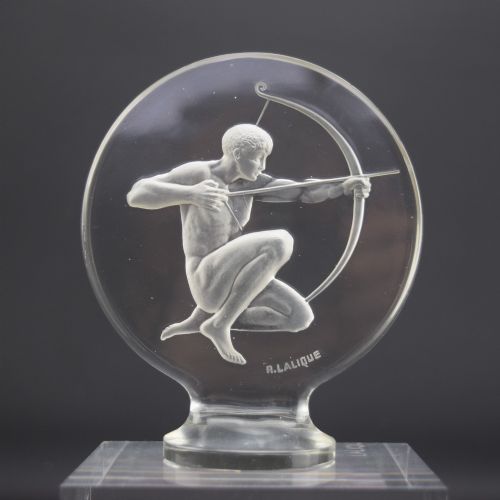
When you search for antique glass ornaments, you find everything from moulded car mascots to heavy mantel lustres.
Antique Glass Ornaments
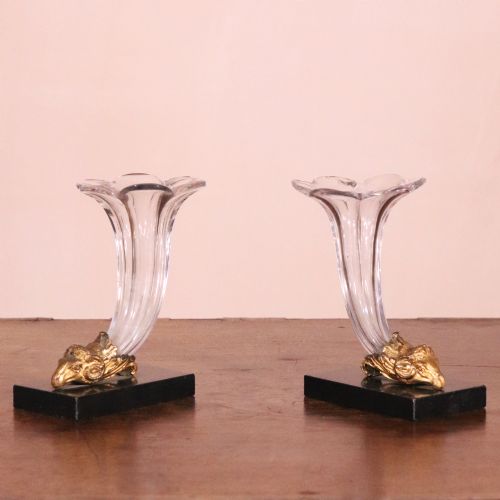
Antique glass ornaments cover a broad spectrum of decorative objects designed to catch the light and adorn interiors across the nineteenth and early twentieth centuries. These items range from functional desk accessories and inkstands to purely decorative vases, paperweights and table centrepieces.
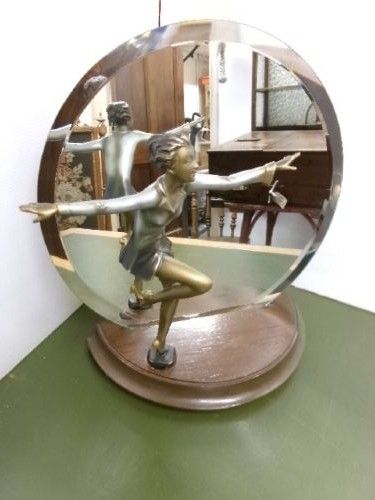
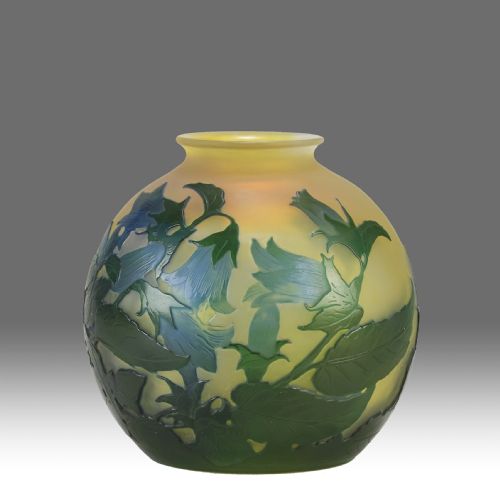
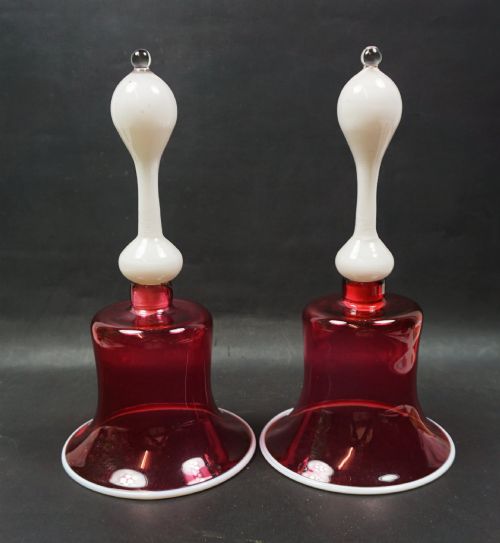
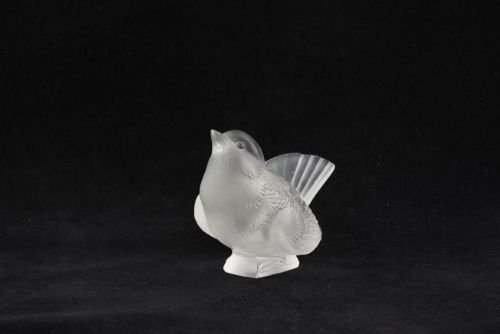
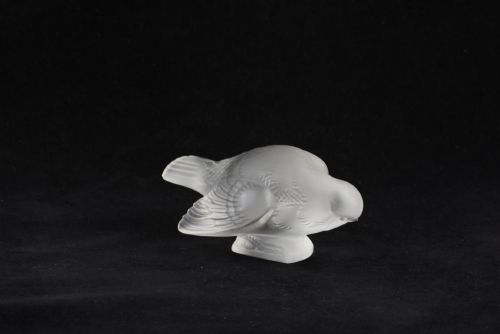
The versions you are most likely to meet on this page span from Victorian table lustres and cranberry bells to Art Deco figures, car mascots and cameo glass vases. Originating from workshops across England, France, Bohemia and Italy, these objects reflect the changing tastes of collectors over several decades.
How they were made
Makers utilised techniques such as cameo carving, acid etching and mould pressing to achieve depth, texture and contrast within the glass. Layering different colours of glass allowed artisans to carve away outer strata and reveal contrasting shades beneath.
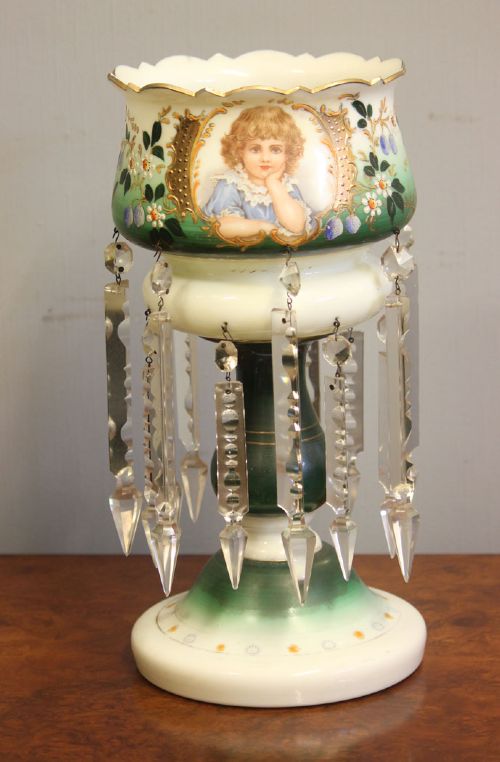
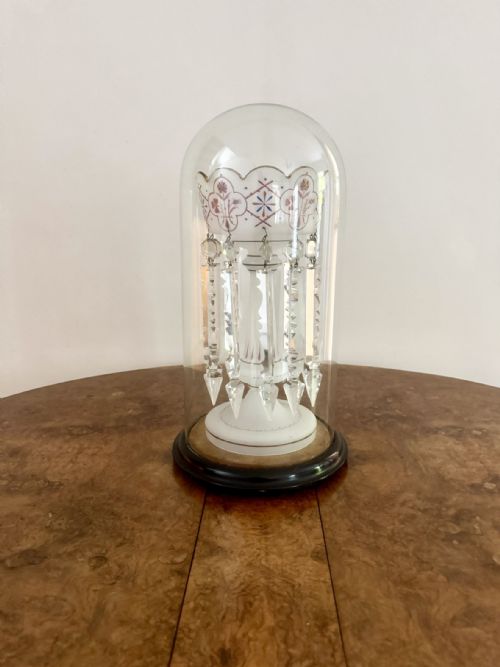
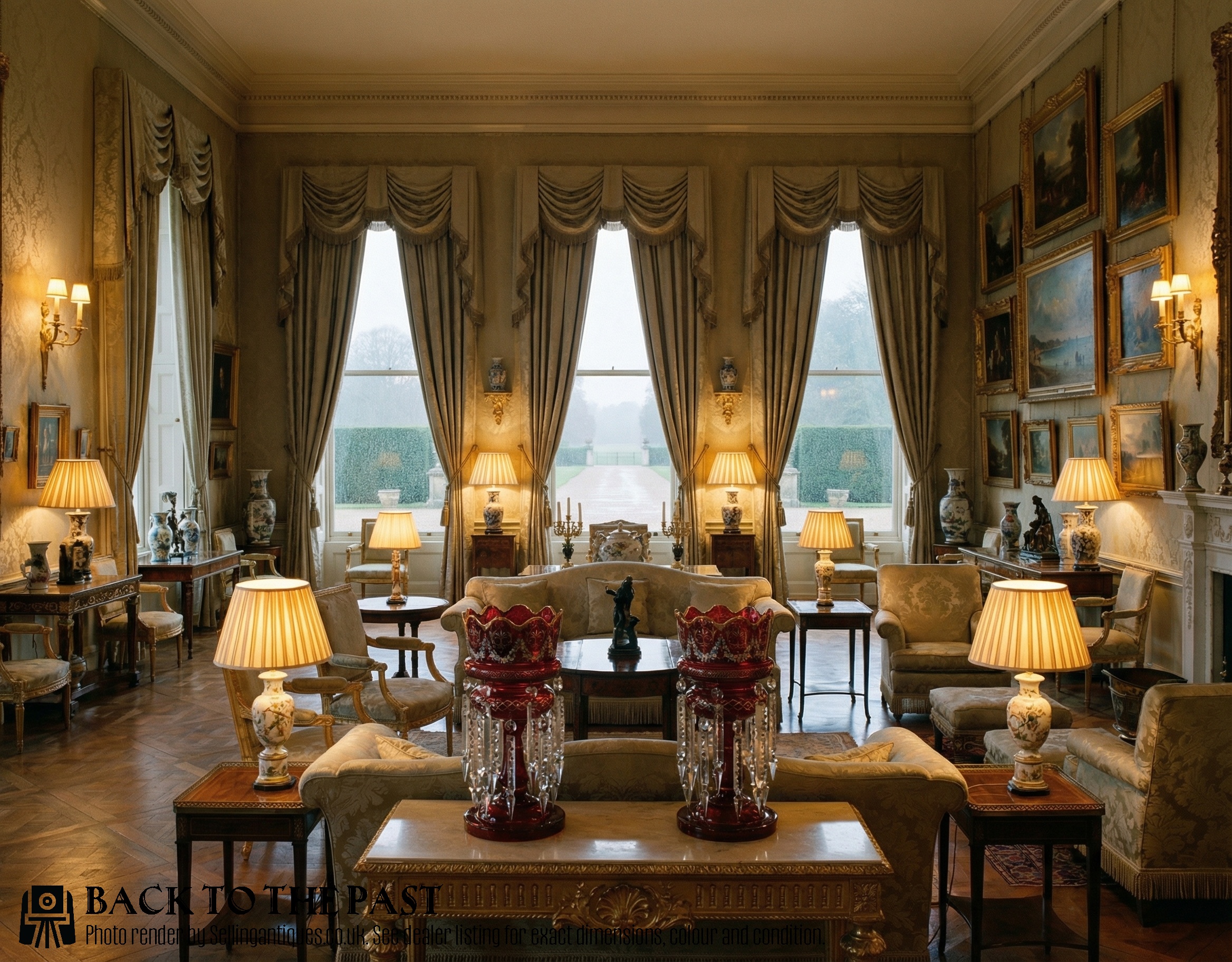
Details were often enhanced with enamel, gilt bands or frosted finishes, while pieces like mantel lustres incorporated metal mountings and suspended glass prisms to refract candle or daylight.
The listings here include items spanning the Victorian era through the Art Nouveau and Art Deco periods.
What varies in quality
The degree of artistic execution and precision in the moulding or carving largely separates standard decorative output from exceptional works of art. Pieces bearing the signatures of established makers or originating from renowned glass houses display superior clarity, balance and finishing.
The complexity of the glass design, such as multi-layered cameo work or intricate opalescent effects, distinguishes pieces created by master craftsmen from simpler mass-produced items.
Emile Gallé·Rene Lalique·Etling·Loetz
The Antique Glass Ornaments Glossary
- Cameo Glass
- A vessel formed of two or more layers of coloured glass fused together, where the outer layer is carved away to leave a raised design in relief. This technique requires immense skill to control depth and colour.
- Mantel Lustre
- A decorative tabletop vase fitted with a ring of hanging glass prisms designed to catch and refract light. They were widely placed on mantelpieces during the Victorian era.
- Millefiori
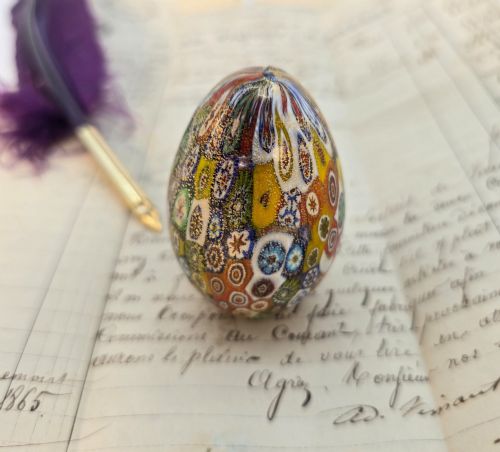
- A glasswork technique producing distinctive patterned mosaics using multicoloured canes. The term translates from Italian as a thousand flowers.
- Opalescent Glass
- Glass that has a milky, semi-translucent appearance with shimmering highlights that change tone according to the light. It was heavily utilised during the Art Deco period.
- Table Centrepiece
- A large decorative ornament placed in the middle of a dining table or sideboard. These often combined glass bowls with metal or crystal stands.
Antique Glass Ornaments: Frequently Asked Questions
What is an antique glass lustre?
An antique glass lustre is a decorative vase or pedestal fitted with a ring of hanging glass pendants designed to refract candlelight.
They were popular on nineteenth-century mantelpieces and tables, often richly coloured in ruby or green glass with gilt detailing.
How do I identify Art Deco glass?
Art Deco glass typically displays geometric lines, stylised figurative motifs or stylised floral patterns dating from the 1920s and 1930s.
Many pieces from this period utilise opalescent, frosted or moulded finishes created by notable designers and houses.
Where were cameo glass vases made?
Cameo glass vases were produced by skilled artisans in France and Britain during the late nineteenth and early twentieth centuries.
Makers applied multiple layers of coloured glass before carving intricate botanical or landscape designs by hand.
How should I clean antique glass ornaments?
Antique glass ornaments should be cleaned gently by hand using lukewarm water and a mild, non-abrasive soap.
Avoid submerging pieces with metal mounts, gilt or enamel decoration to protect the delicate surface work from damage.