
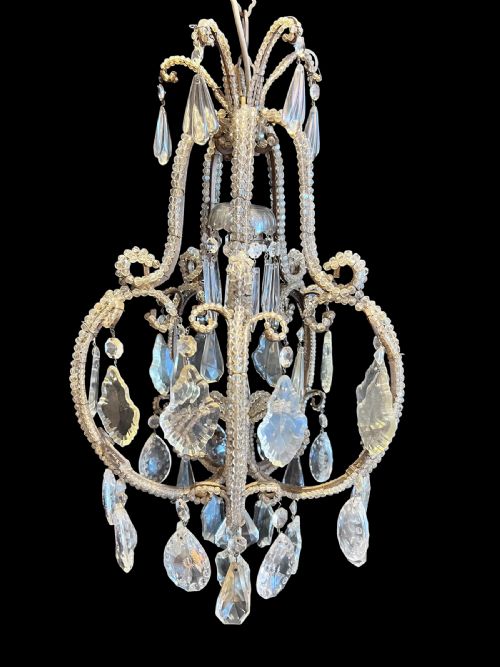
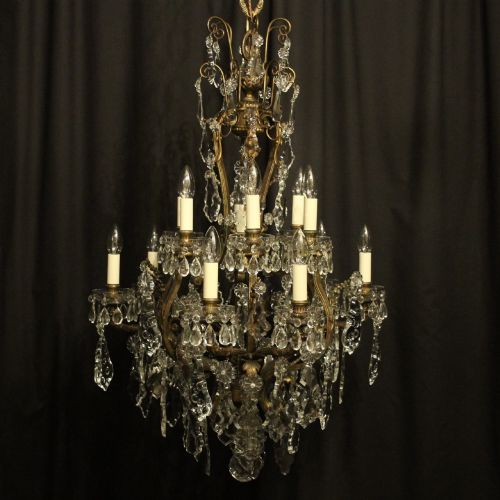


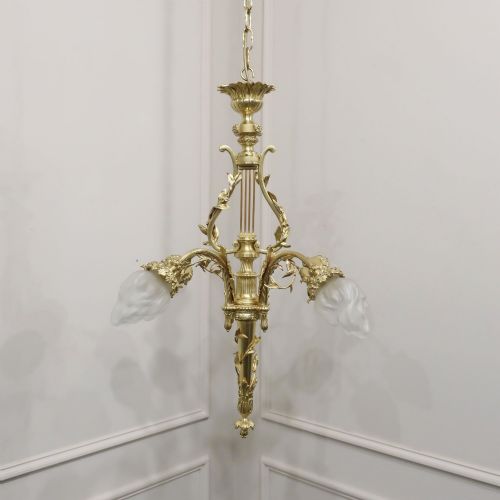
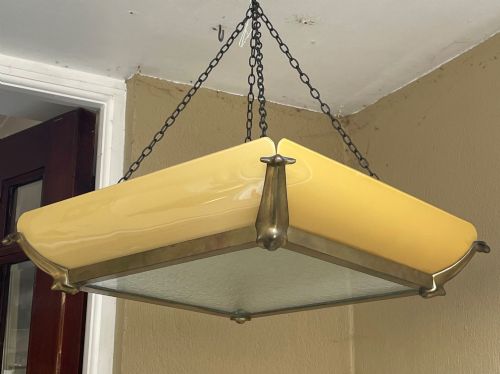
Antique Glass Light
When you choose an antique glass light, you bring home a functional piece of history that illuminates a room through period craftsmanship.
Antique Glass Light
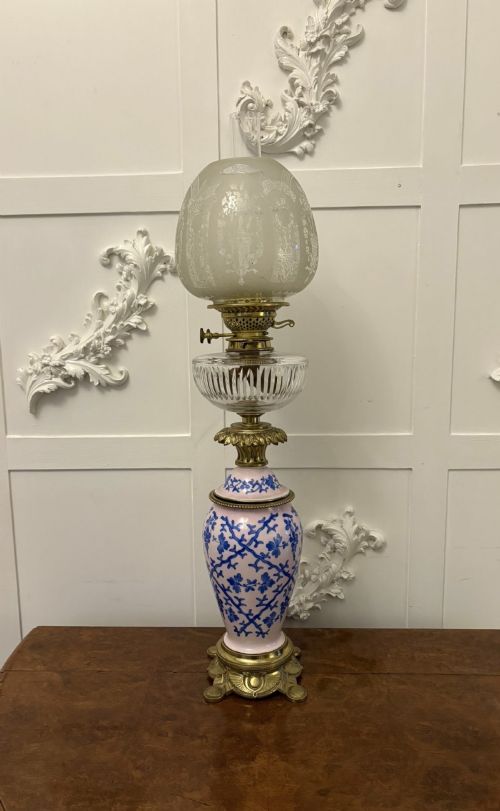
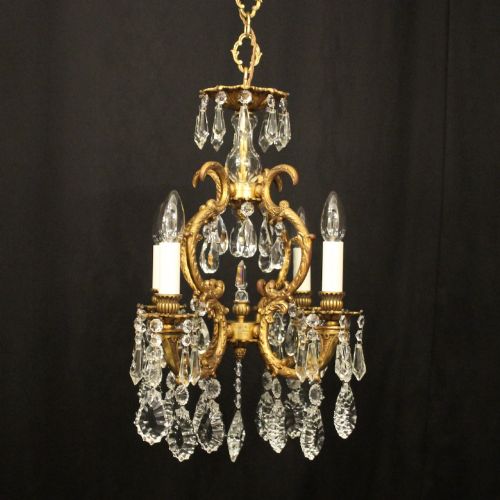
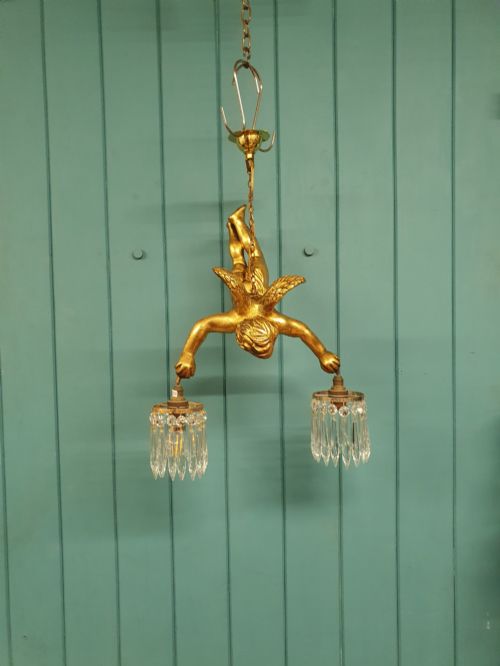
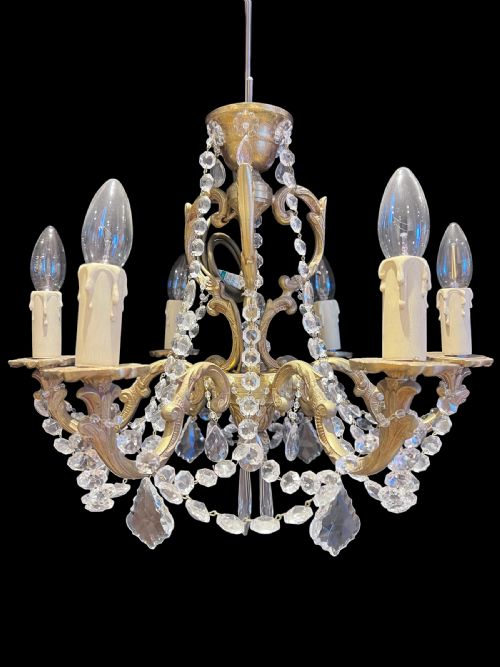
An antique glass light encompasses a broad variety of illumination forms, spanning grand multi-arm chandeliers, practical ceiling pendants, wall lights, and hall lanterns designed to brighten domestic spaces. These fixtures emerge from periods such as the Victorian era, the Edwardian years, and the early twentieth century, carrying the stylistic shifts of their decades.
Originating from British, French, and Italian workshops, these items serve both utilitarian and decorative purposes within interiors. Whether mounted centrally in a room or positioned to wash a hallway in warm illumination, each fixture represents the prevailing lighting technology and aesthetic values of its time.
How they were made
The construction of these light fixtures relies heavily on the combination of metalwork and glass manipulation, utilising brass, gilt bronze, copper, and cast iron as structural frames to support delicate glass elements. Artisans shaped metal through casting, piercing, and framing to create secure housings for lamps and candles.
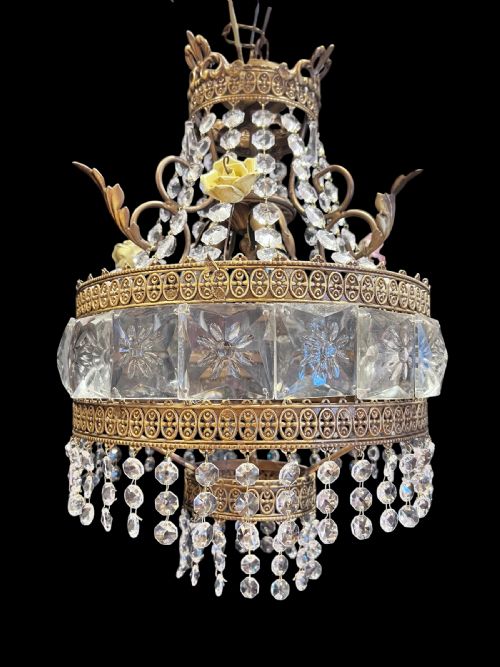
Glass components took various forms, from mould-blown opaline and milk glass shades to hand-cut crystal drops, bevelled panels, and intricate vaseline or stained glass sections. These glass elements were then suspended from or integrated into the metal frames using brass fixings, wire, and galleries.
What varies in quality
The distinction between tiers often lies in the precision of the metal casting and the clarity of the glasswork, where finely chased bronze or heavy hand-cut crystal commands greater appreciation than simpler pressed metal and standard glass. The integration of design elements, such as balanced proportions in a chandelier or intricate bevelling on a lantern, dictates the overall refinement of the object.
Furthermore, the complexity of the design and the integrity of surviving components, including matched sets of drops or original coloured glass shades, elevate the standing of a piece within its respective period category.
Fratelli Toso·Émile-Jacques Ruhlmann·F. Sage & Co
The Antique Glass Light Glossary
- Chandelier
- A branched ceiling-mounted lighting fixture designed to hold multiple lamps or candles. These pieces often feature glass drops and elaborate metal frames.
- Opaline glass
- A dense, translucent milk-white glass popular in nineteenth-century and early twentieth-century lighting. It diffuses light softly across a room.
- Holophane glass
- A type of prismatic glass engineered to direct and diffuse light efficiently. It is frequently found in industrial and commercial pendants from the early twentieth century.
- Ormolu
- Gilt bronze ornamentation applied to furniture and lighting fixtures. This technique was widely utilised in French Neoclassical and Rococo Revival designs.
- Vaseline glass
- A pale yellow-green glass containing uranium dioxide that glows under ultraviolet light. It appears in various Victorian and Art Nouveau decorative items.
Antique Glass Light: Frequently Asked Questions
How do I hang a heavy antique chandelier?
Hanging a heavy fixture requires securing the weight directly to ceiling joists using a rated ceiling hook and mounting bracket rather than relying on plaster alone. Professional installation ensures the electrical wiring and structural support safely bear the load.
Once secured, the height can be adjusted using matching chain links to position the light correctly within the room.
Were these lights originally wired for electricity?
Many older fixtures began as oil lamps or candleholders before being converted to accept electrical fittings during the twentieth century. Others were produced during the rise of domestic electricity in the Edwardian era and the 1920s.
Rewiring is common practice to meet modern safety standards while retaining the original metal and glass housing.
How do I clean delicate glass shades?
Cleaning requires removing the glass component from the metal frame whenever possible to wash it gently in lukewarm water with mild soap. Avoid harsh chemical cleaners that might damage antique finishes or painted surfaces.
Allow each piece to dry thoroughly before reattaching it to the brass or bronze mounting.
What rooms suit a hall lantern best?
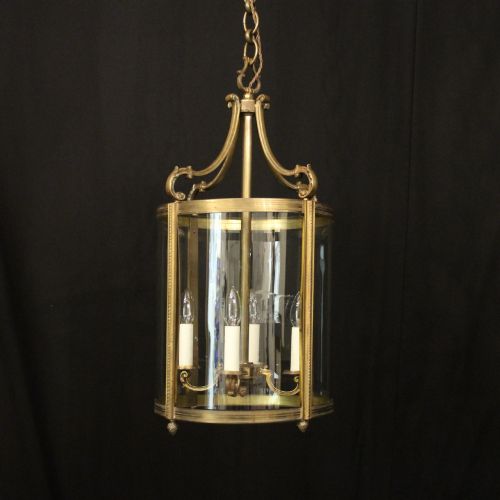
Hall lanterns provide focused downward illumination that works well in entryways, corridors, and high-ceilinged stairwells. Their enclosed glass panels protect the light source while casting patterns across surrounding walls.
Choosing a style that matches the period of the property helps maintain architectural harmony throughout the interior.