
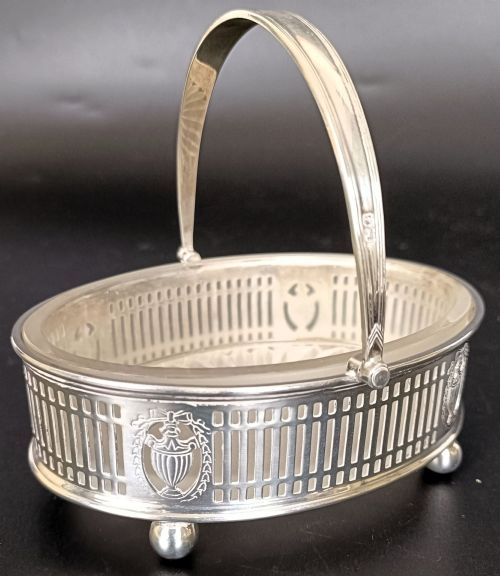


Antique Glass Condiment Dish
An antique glass condiment dish brings colour and refined detail to the table, combining heavy metalwork with vibrant pressed or blown vessels.
Antique Glass Condiment Dish
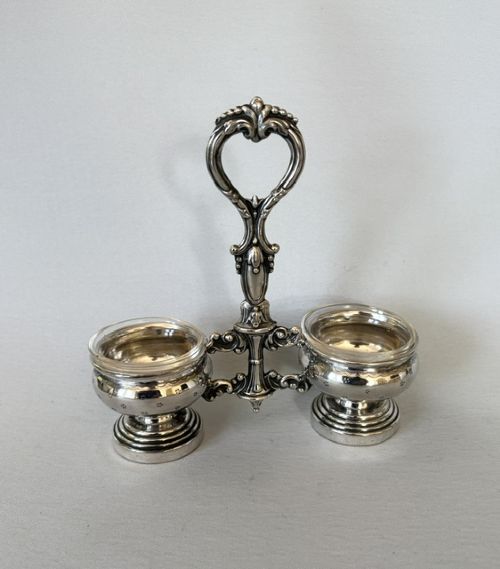
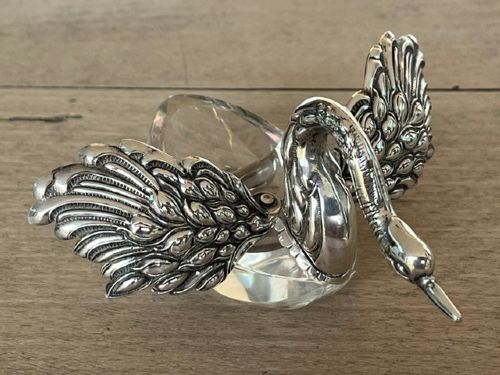
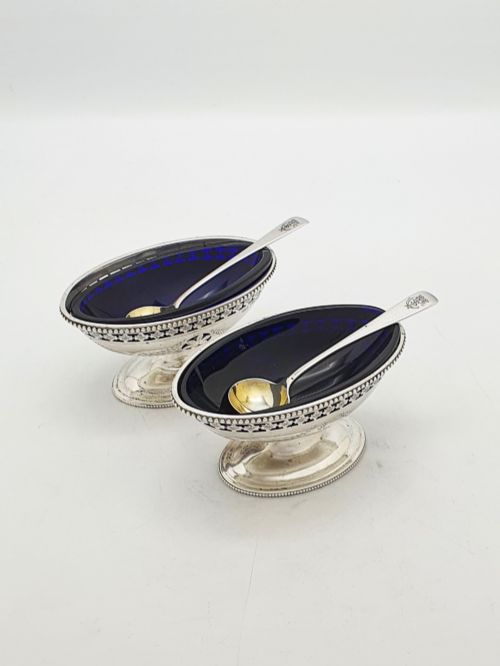
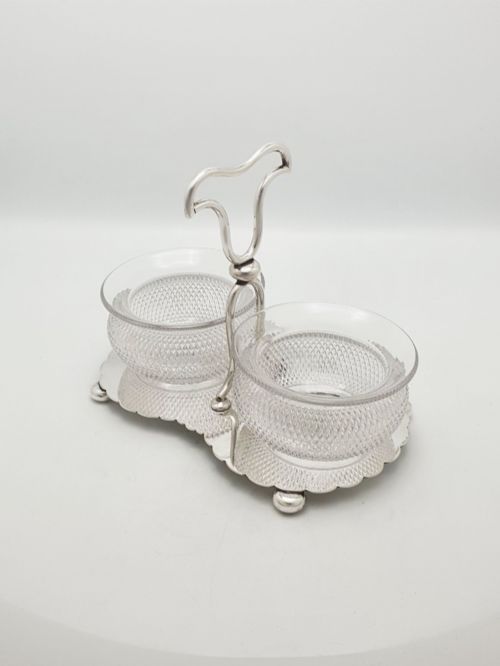
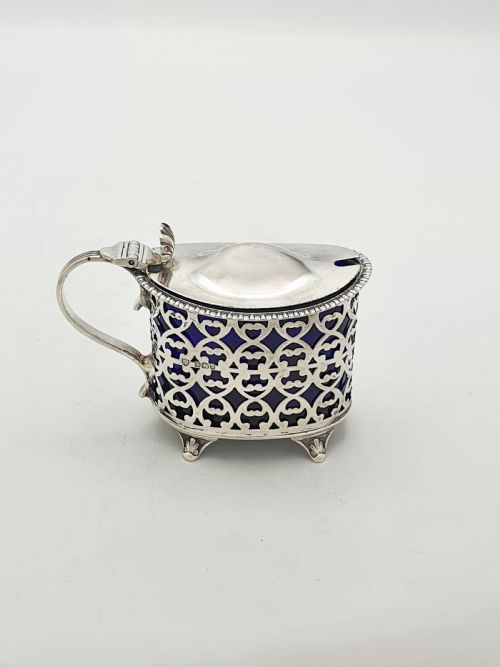
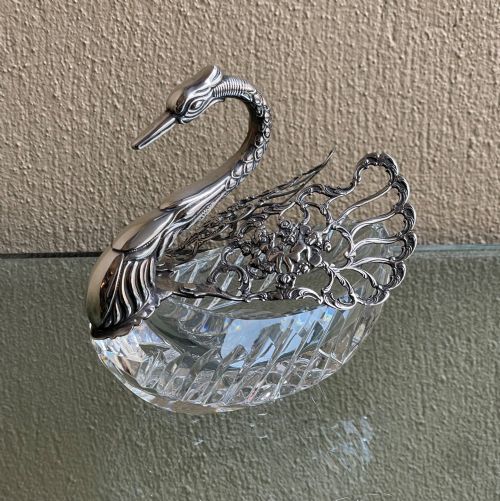
An antique glass condiment dish serves salt, jam, mustard or relish on the dining table, often paired with a pierced metal frame or stand. These pieces range from simple open salt cellars with coloured liners to elaborate double stands and novelty animal figures.
The most common examples on this page date from the Victorian and Edwardian periods, alongside later Art Deco designs. Buyers frequently encounter sets featuring deep cobalt blue or cranberry glass nestled inside silver plated or sterling silver mounts.
Materials and Construction
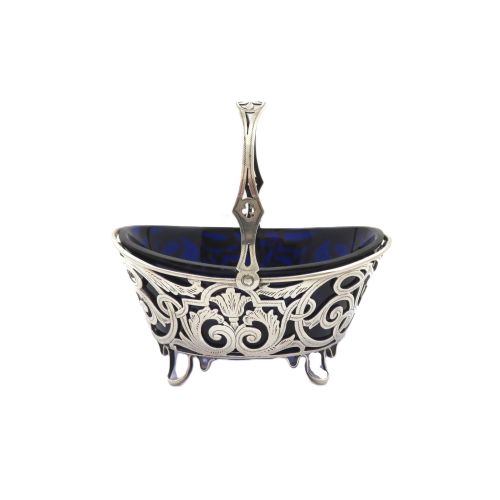
Metal components often involved casting, piercing, and silversmithing techniques to secure the fragile glass inserts. Many stands incorporate swing handles, decorative rims, or fitted spoons designed specifically for the vessel shape.
A nineteenth-century Black Forest carved bear happily balances a condiment container on its back.
Judgement of Quality
Quality rests upon the crispness of the metalwork and the weight of the glass. Superior items feature heavy gauge silver frames with precise piercing and clear hallmarks, paired with hand-blown glass liners that fit their mounts exactly.
The presence of original matching spoons, undamaged liners without chips, and recognisable maker marks elevate a piece above standard domestic ware. Finer examples display harmonious proportions between the bright glass colour and the polished metal stand.
Hukin and Heath·George Fox
The Antique Glass Condiment Dish Glossary
- Salt cellars
- Small open vessels used to hold loose salt at the dining table before the invention of the spring-loaded shaker. They frequently require a miniature spoon for serving.
- Cranberry glass
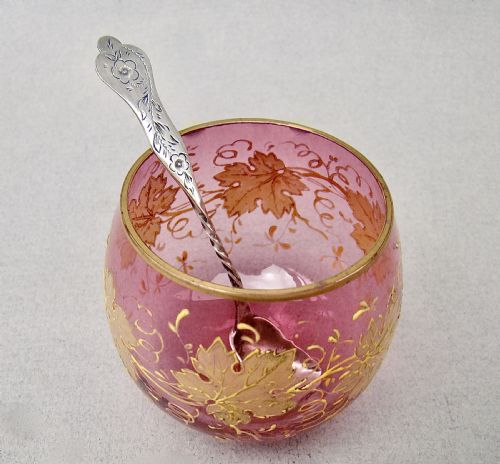
- Transparent pinkish-red glass produced by adding gold chloride to the molten batch. It appears widely in Victorian jam pots and preserve sets.
- Cobalt glass
- Deep blue glass coloured by the addition of cobalt oxide during manufacture. It provides a striking contrast when placed inside silver plated frames.
- Silver plate
- A base metal such as copper or Britannia metal coated with a thin layer of silver through electroplating or old Sheffield plating methods. This technique made ornate tableware accessible to a wider market.
- Preserve dish
- A tabletop container designed specifically for jams, marmalades or jellies, usually supplied with a matching spoon and a fitted glass insert.
Antique Glass Condiment Dish: Frequently Asked Questions
What were glass condiment dishes used for?
These dishes held condiments like mustard, salt, jam, and relish on formal dining tables.
Guests used small spoons to transfer portions from the central container to their own plates.
How do I date an antique condiment dish?
Dating relies on silver hallmarks, metal styles, and glass manufacturing techniques.
Victorian and Edwardian pieces often display registration numbers or assay marks that pinpoint the exact year of production.
Are the glass liners usually original?
Many surviving pieces retain their original blown or pressed glass inserts, particularly those shaped for specific frames.
Because glass breaks easily, replacements do occur, so a snug fit and matching hue help confirm originality.
How should I clean silver and glass stands?
Silver components require gentle cleaning with a specialised polish to preserve the original metal finish.
Glass liners can be washed separately in warm soapy water, avoiding harsh abrasives that might scratch the surface.