


Silver Cut Glass Dish
A silver cut glass dish unites heavy faceted crystal with gleaming metal mounts, offering a brilliant centrepiece for the dining table or dressing room.
Silver Cut Glass Dish
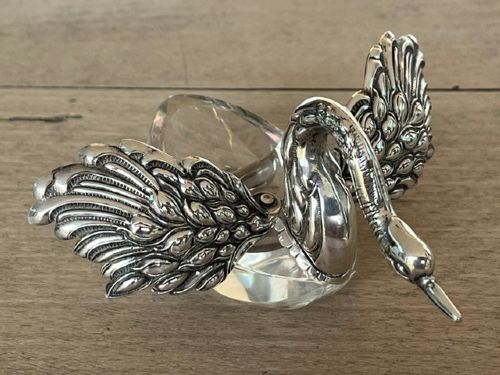
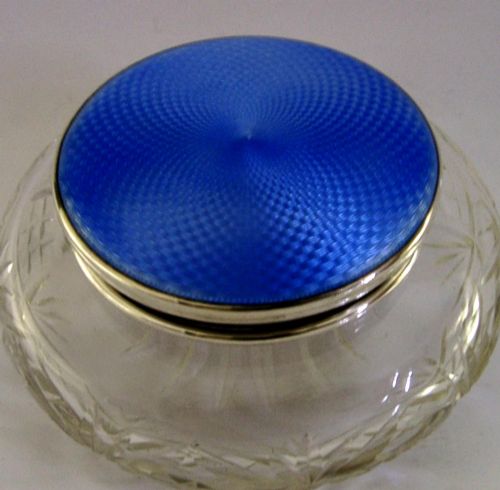
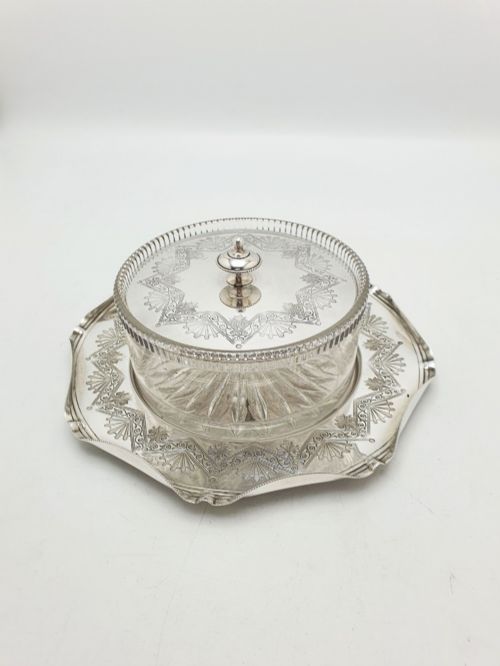
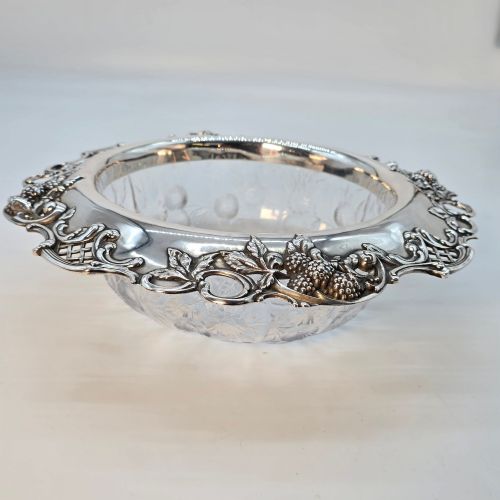
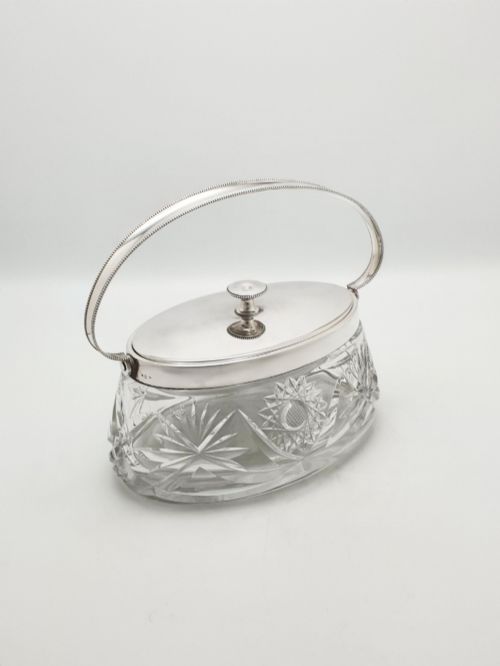
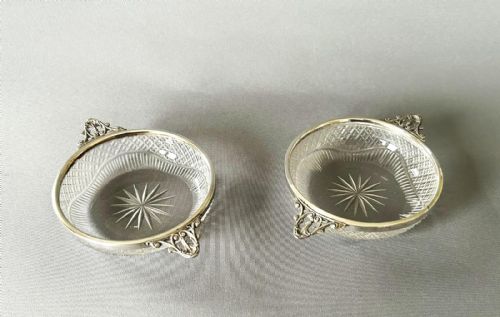
A silver cut glass dish combines a heavy glass or crystal body with metallic mounts, lids, or frames, serving functions from table service to vanity storage. Buyers encounter these pieces across Victorian, Edwardian, and Art Deco periods, manifesting as butter dishes, biscuit barrels, trinket boxes, and pickle dishes.
Varying in scale from diminutive salt cellars and vanity jars to substantial sweet baskets and cheese domes, these objects reflect domestic habits of the nineteenth and twentieth centuries. The form bridges decorative arts and practical tableware, drawing interest from collectors of both silver and cut crystal.
How they were made
Makers fashioned the glass bodies by blowing or pressing molten metal into moulds before applying hand-cut geometric facets using rotating wheels to achieve deep refractive surfaces. Crystal blanks were polished to a high gloss, ensuring sharp contrast against the softer lustre of the surrounding metal.
Silver components were either cast, spun, or stamped from sheet metal, then soldered and chased by hand to create intricate borders, swing handles, or hinged lids. Plated items utilised base metals coated via electroplating, whereas higher-tier pieces employed solid sterling silver bearing assay office hallmarks for city and date.
Materials across these listings span sterling silver, silver plate, cut crystal, and coloured enamel from the Victorian era to the mid-twentieth century.
What varies in quality
Quality rests upon the depth and crispness of the glass cutting, where sharper facets and heavier lead crystal create superior brilliance and weight. Thick-walled vessels with hand-polished recesses outclass lighter, mechanically pressed alternatives.
The standard of the silver work dictates the overall grade, distinguishing substantial cast mounts and crisp hand-chasing from thin stamped plate that shows wear over time. Maker attribution, thick silver deposits, and integrated functional elements like original glass liners or matching spoons elevate an individual piece.
Tiffany and Co·William Comyns·Posen·Roberts and Belks·Elkington·Martin Hall·William Hutton and Son·Walker and Hall
The Silver Cut Glass Dish Glossary
- Cut Glass
- Glass shaped and patterned by holding the vessel against a rotating abrasive wheel. This technique produces sharp-edged facets and deep geometric motifs that define the sparkle of the piece.
- Silver Plate
- A manufacturing method where a thin layer of pure silver is bonded to a base metal core, such as copper or Britannia metal. This allowed makers to offer decorative tableware at a fraction of solid silver cost.
- Sterling Silver
- An alloy consisting of 92.5 percent silver and 7.5 percent other metals, usually copper, chosen for durability. English examples are stamped with assay office marks to guarantee this standard.
- Biscuit Barrel
- A covered container designed to hold dry biscuits or cakes on the dining table or sideboard. These vessels often feature a swing handle and a matching metal lid.
- Trinket Box
- A small lidded container intended for dressing tables to hold jewellery or pins. The glass body is usually encased in a hinged silver mount.
Silver Cut Glass Dish: Frequently Asked Questions
Were these dishes used for dining?
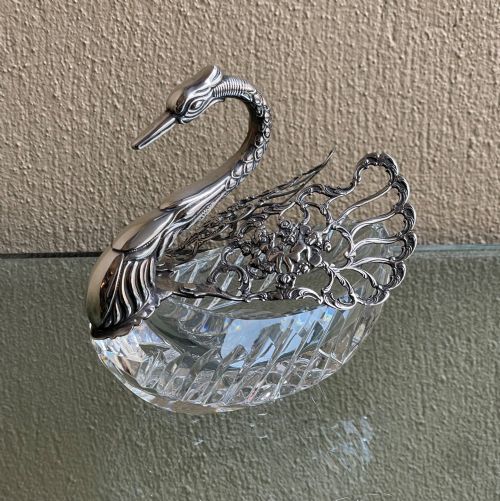
Many examples served specific culinary roles on the Victorian and Edwardian dining table, including butter dishes, preserve jars, and biscuit barrels. Others functioned as sweetmeat baskets or open salt cellars for individual place settings.
Alternative forms inhabited the bedroom as vanity jars, trinket boxes, and powder bowls for personal grooming. Their dual utility means they transition easily into modern interior displays.
How do I date my silver dish?
Solid silver items often carry hallmarks indicating the assay office, standard mark, and a date letter corresponding to a specific year. Examining the stylistic markers, such as Art Deco geometry or Victorian floral chasing, helps narrow down the period.
Silver-plated pieces usually feature maker's marks or registration numbers rather than exact date ciphers. Comparing the form against documented catalogue designs from firms like Walker and Hall provides a reliable timeline.
Are replacement liners hard to find?
Original glass liners were custom-blown to fit specific metal frames, making exact historical replacements difficult to source. Many surviving pieces miss their original inner vessels or matching serving spoons.
When buying, check whether the glass liner is original to the mount. Even without accessories, these vessels retain strong decorative appeal.