
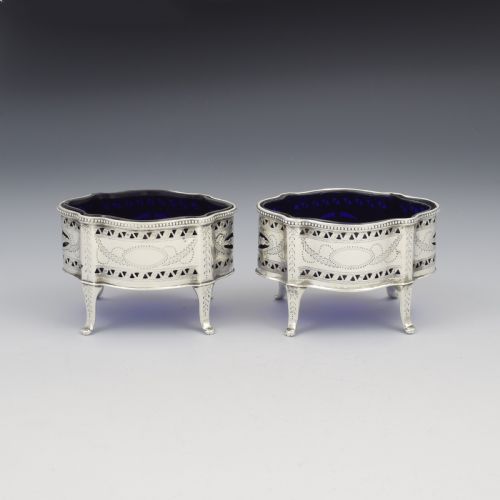


Victorian Salt Dip
These Victorian salt dip pieces bring nineteenth-century dining elegance to the table, offering collectors small vessels of exceptional craftsmanship.
Victorian Salt Dip
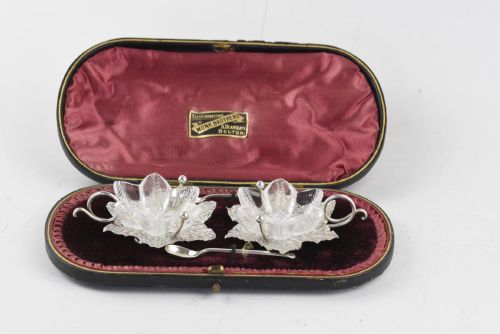
A Victorian salt dip serves as an individual tabletop container for salt, taking forms such as open bowls, cauldrons, and figural settings. These pieces appear frequently in pairs or matched sets, often accompanied by small condiment spoons.
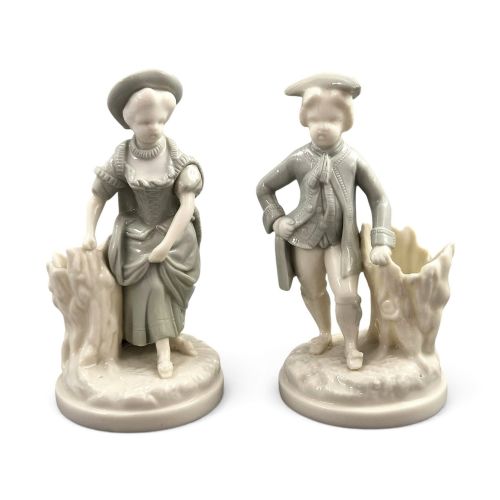
Makers shaped these tableware items across the nineteenth century, utilising styles ranging from Rococo Revival and the Aesthetic Movement to Black Forest carving and Georgian revival forms. Collectors encounter silver salt bowls alongside porcelain figural groupings and novelty condiment figures.
Originating in domestic settings from the eighteen-thirties through the Edwardian transition, these items reflect the formal dining practices of the period. The selection includes sterling silver, silver plate, and porcelain vessels paired with contrasting glass liners.
Materials and technique
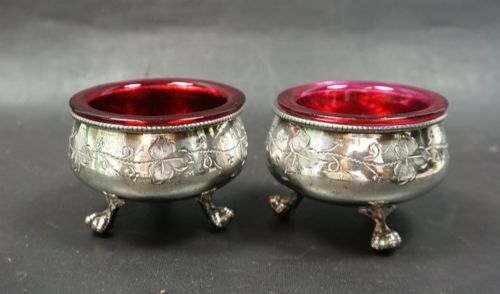
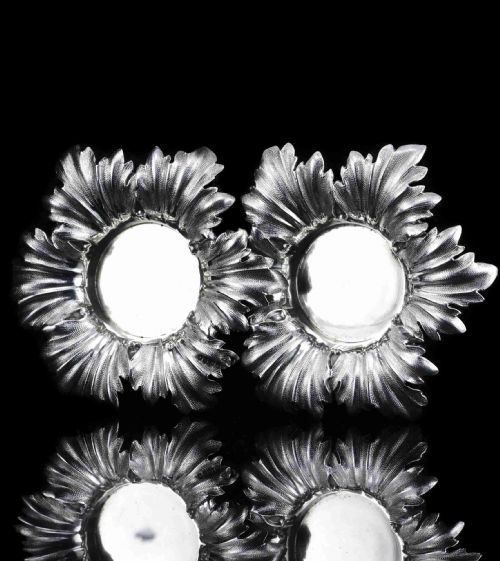
Silversmiths constructed solid silver and silver-plated salt cellars through techniques including piercing, foliate chasing, and lobed shaping, often incorporating fitted cobalt or cranberry glass liners to protect the metal from corrosion.
Ceramic works combine moulded porcelain bodies from factories such as Royal Worcester and KPM Berlin with hand-painted details and figural modeling depicting putti, cupids, or birds.
Wooden items employ Black Forest carving methods to create novelty animal figures, while fitted presentation cases utilise leather and velvet interiors to house silver sets.
A stoic Black Forest bear stands ready to dispense condiments, proving the Victorians enjoyed a touch of wildlife at dinner.
Markers of distinction
Quality rests upon the crispness of the chasing, the precision of pierced silver patterns, and the integrity of hand-carved wood details. Pieces retaining their original matched spoons and undamaged coloured glass liners achieve higher distinction.
Maker marks and town assay stamps provide clear attribution, separating standard unmarked wares from documented pieces by known silversmiths and major European porcelain manufacturers.
Royal Worcester·KPM Berlin·Vale Brothers and Sermon·Thomas Smily·Barnards
The Victorian Salt Dip Glossary
- Open salt
- An open salt dip is a small vessel designed to hold loose salt on the dining table, used before the invention of the spring-loaded shaker.
- Cauldron salt
- A salt cellar shaped like a miniature cooking cauldron, typically raised on three small legs or feet.
- Cobalt glass
- Cobalt glass is a deep blue glass material utilised to form removable liners inside silver salt cellars.
- Chasing
- Chasing is a metalsmithing technique where craftsmen hammer designs into the front surface of silver without removing metal.
- Aesthetic movement
- The Aesthetic Movement is a nineteenth-century design style focusing on visual beauty and artistic expression over narrative function.
Victorian Salt Dip: Frequently Asked Questions
How were salt dips used?
Dinners of the nineteenth century required individual salt dips placed at each guest's seat for portioning salt from a master cellar.
Guests used miniature spoons or the tip of a knife to transfer salt directly onto their plates.
What are glass liners for?
Removable glass liners protected silver salt bowls from the corrosive chemical properties of table salt.
Cobalt and cranberry glass examples also added vibrant colour contrast to pierced silver designs.
How do I date silver salts?
English sterling silver pieces feature hallmarks indicating the assay office, standard mark, and date letter.
Matching these stamps against official registry records reveals the exact year of manufacture.
Are original spoons important?
Original matching condiment spoons complete the functional set and maintain historical integrity.
Many surviving nineteenth-century cased sets retain their period-specific spoons alongside the salt cellars.