



Antique Glass Basket Bowl
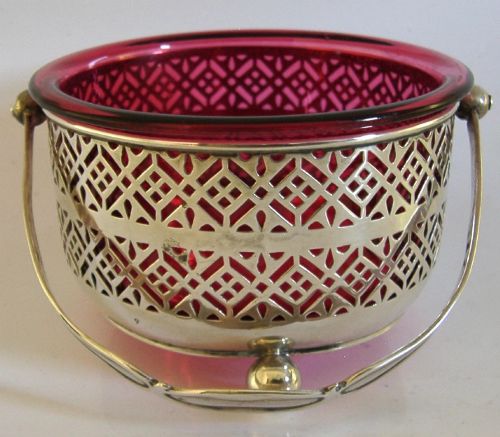
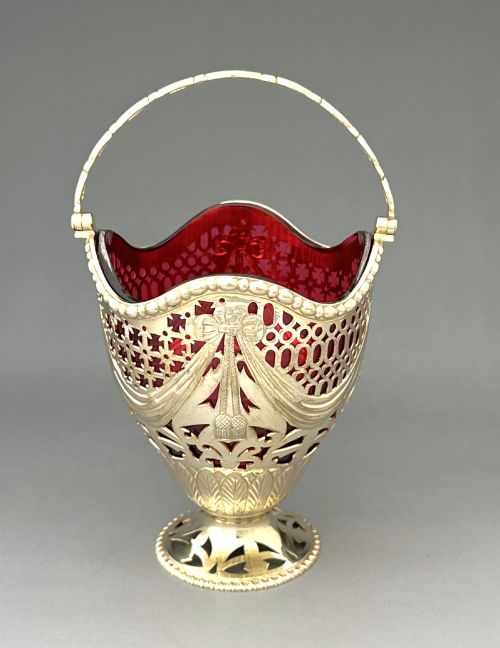
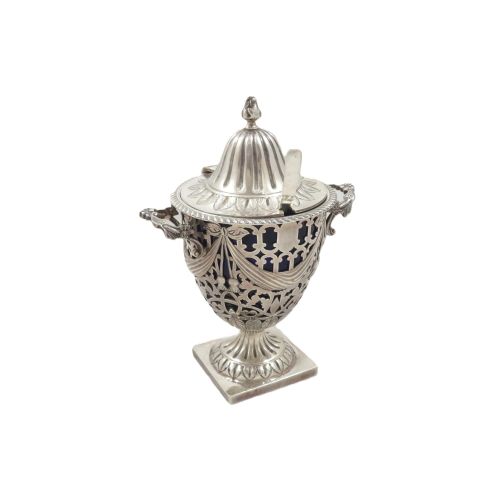
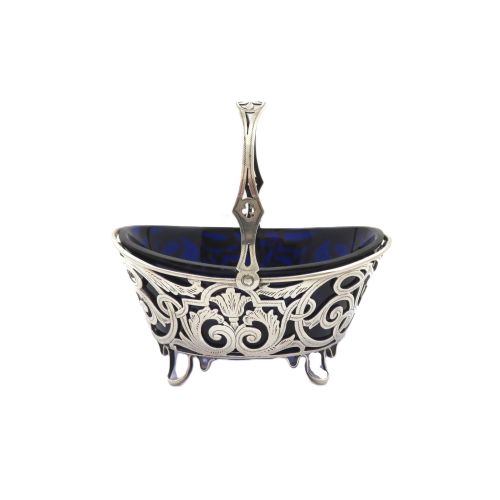
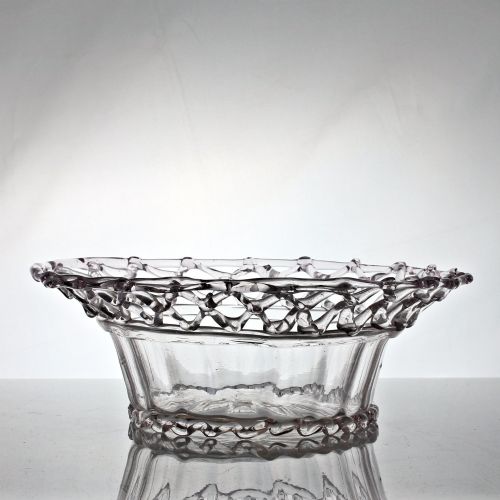
An antique glass basket bowl brings together coloured glassware and pierced silver or silver plate, offering a decorative centrepiece for the table.
Antique Glass Basket Bowl
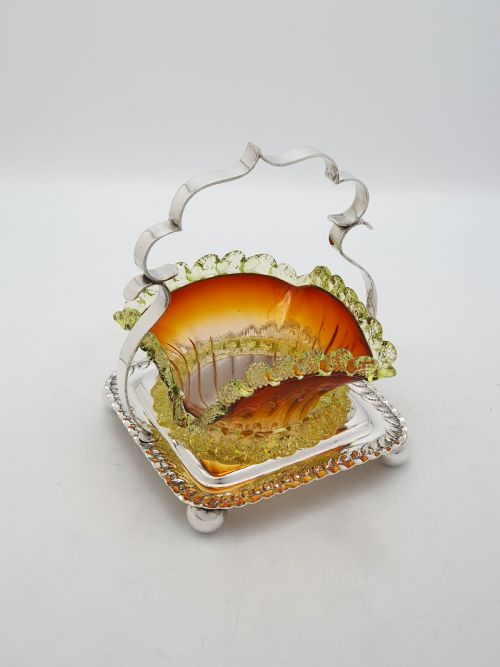
An antique glass basket bowl combines a glass liner or body with a metal frame, handle, or stand. When you search for this phrase, you encounter pieces intended for sugar, preserves, bonbons, or table decoration.
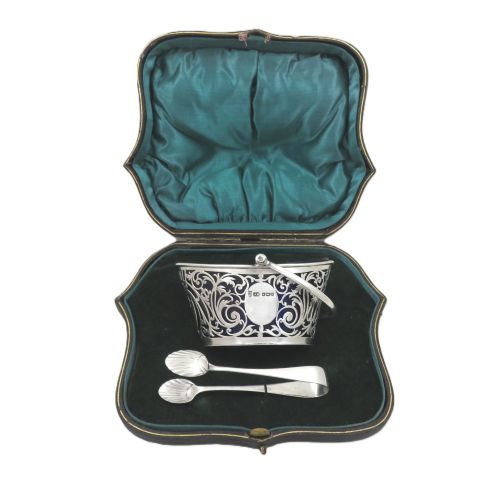
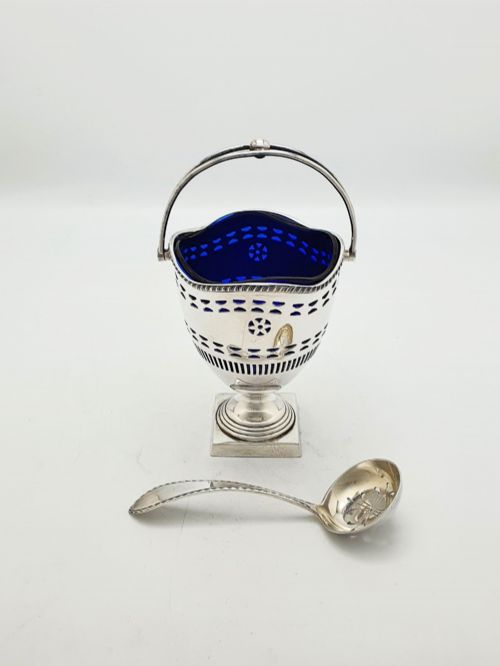
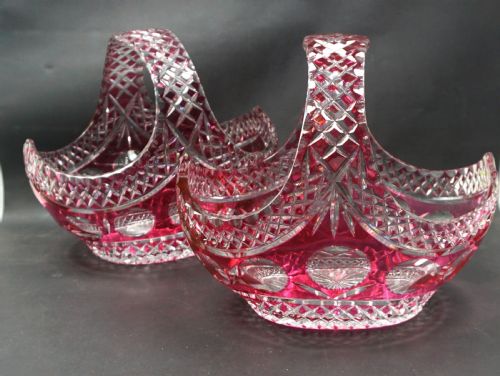
The most common versions on this page date from the Victorian and Edwardian eras, frequently pairing cranberry, vaseline, or ruby glass with silver plate or sterling silver mounts. Formats range from swing-handled baskets to pedestal bowls and preserve dishes.
Earlier examples from the eighteenth century and the Georgian period appear alongside later Art Nouveau and Art Deco designs. These pieces often feature pierced metalwork or swing handles designed to display coloured glass liners.
Materials and construction methods
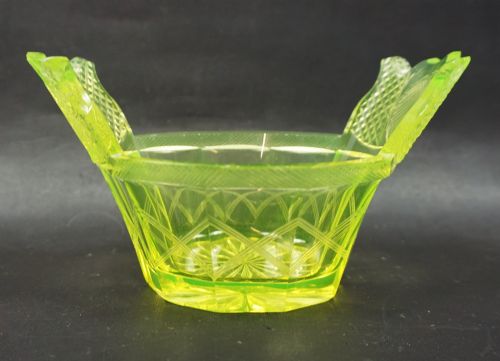
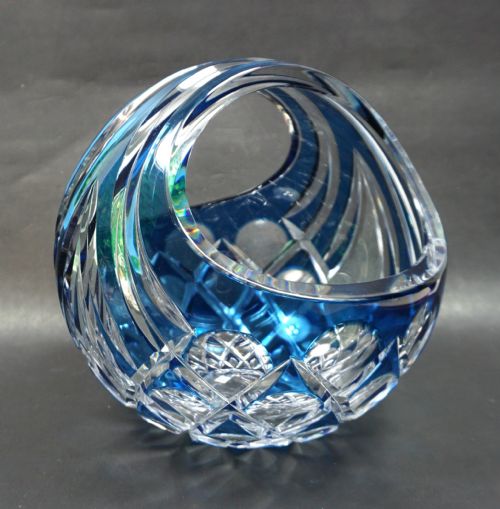
Makers produced the glass elements using techniques such as moulding, cutting, and blowing, creating vibrant colours like cranberry, vaseline, and cobalt through mineral additions to the molten batch. Over-crystal and opaline glass also feature prominently.
One piece explicitly reassures viewers that its uranium glass contains no ultraviolet radiation in the listing photograph.
Distinctions in quality and execution
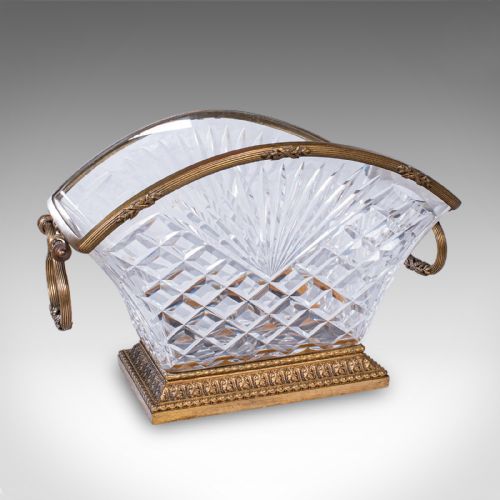
Quality rests in the crispness of the metalwork, such as deep piercing on silver frames, and the weight and clarity of the glass liner. Heavy cut crystal and well-cast floral handles distinguish finer workshop production.
The harmony between the metal mount and the glass insert dictates overall success. Pieces where the glass fits precisely into a hallmarked silver or marked plated frame demonstrate superior craftsmanship.
Aldridge & Green·Val St Lambert·WMF·Monart·William Comyns·George Fox
The Antique Glass Basket Bowl Glossary
- Cranberry glass
- A translucent pinkish-red glass coloured with gold chloride. It is widely seen in Victorian and Edwardian tableware and baskets.
- Vaseline glass
- A transparent yellowish-green glass containing uranium dioxide, which glows under ultraviolet light. It was popular in nineteenth-century decorative pieces.
- Silver plate
- A base metal, such as britannia metal or copper, coated with a thin layer of silver. This technique allowed makers to produce elaborate frames affordably.
- Swing handle
- A movable metal arch attached to the rim of a basket or bowl via pivots. It allows the vessel to be carried or displayed upright.
- Pierced work
- A decorative technique involving cutting or piercing patterns through sheet metal. It lightened the appearance of silver baskets and frames.
Antique Glass Basket Bowl: Frequently Asked Questions
What were glass basket bowls used for?
These vessels served functional roles on the dining table for holding sugar, preserves, bonbons, or potpourri. Wealthy households utilised them during formal teas and dinner services.
Over time, their purpose shifted towards purely decorative display, acting as centrepieces on sideboards or mantelpieces.
How do I identify a Victorian piece?
Victorian examples often feature rich cranberry or vaseline glass paired with heavy silver plate or sterling silver mounts. Stylistic clues include floral cast handles and aesthetic movement motifs.
Checking for hallmarks or registration marks on the metal elements provides a reliable date of manufacture.
Are liners and frames original to each other?
Many pieces retain their original matched glass liners and metal stands, particularly those bearing maker marks. Because glass liners were fragile, replacements occurred frequently over the decades.
A snug fit and matching wear patterns between the glass base and the metal interior indicate that the components belong together.
How should I clean my glass basket bowl?
Wash the glass liner gently in warm soapy water using a soft cloth, avoiding harsh abrasives that might scratch coloured surfaces. Remove the glass from the metal frame before cleaning.
Polish silver or silver plate mounts sparingly with a dedicated cloth to preserve the patination and avoid damaging any gilt surfaces.