


Antique Glass Basin
These antique glass basin selections comprise table vessels and liners from the Georgian, Victorian, and Edwardian eras, offering functional elegance for your home.
Antique Glass Basin
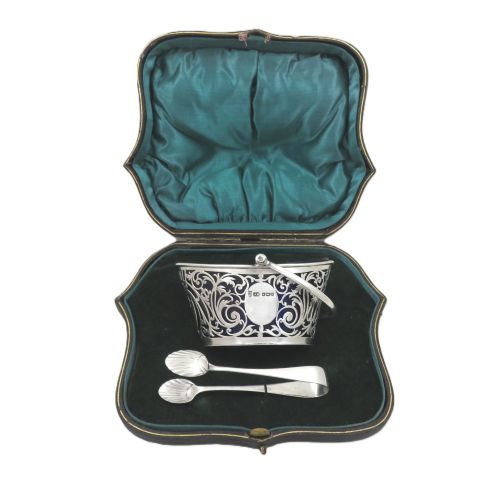
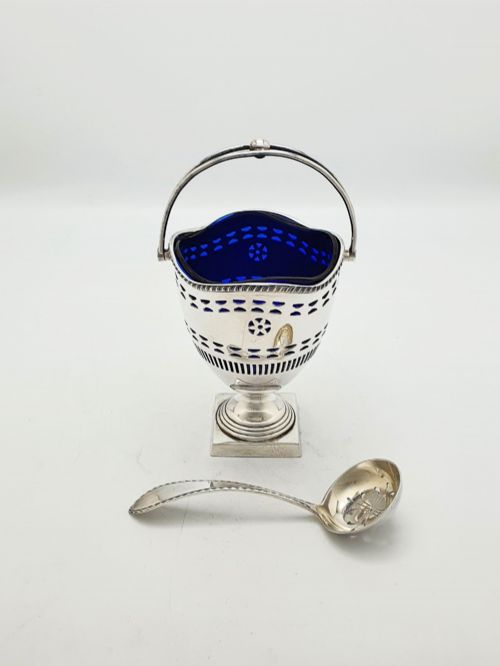
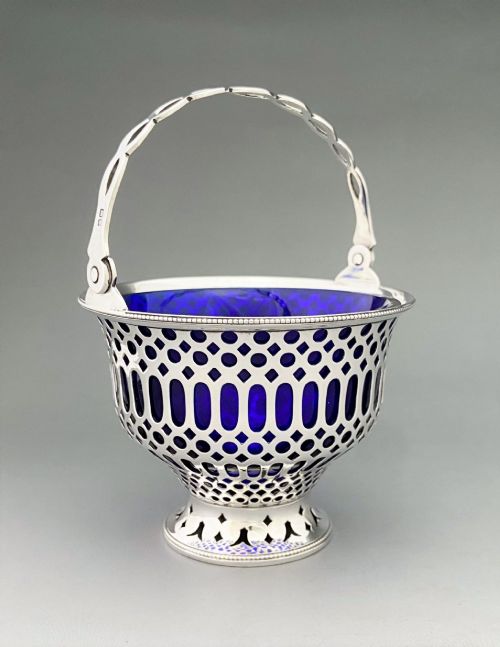
When searching for an antique glass basin, buyers encounter a variety of forms including sugar bowls, finger bowls, mixing bowls, and coloured glass liners designed to sit within sterling silver or silver plate baskets. These items span the 18th century, the Georgian period, the 19th century, the Victorian era, and the Edwardian years.
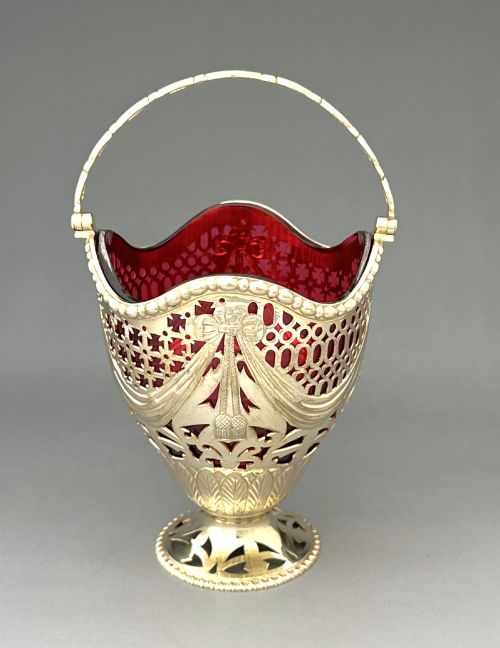
The most common vessels met on this page are table items such as cranberry glass bowls, cobalt glass liners, and cut glass preserve dishes. Many of these pieces integrate blown or moulded glass with metal mountings like silver gilt, sterling silver, and silver plate.
Materials and construction techniques
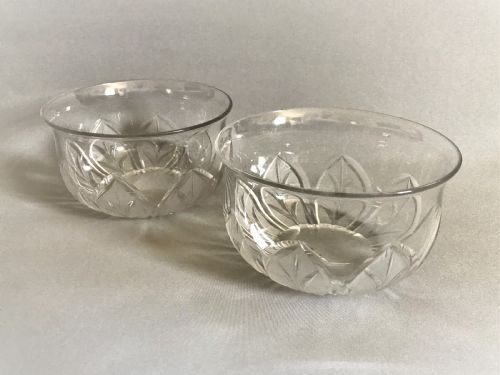
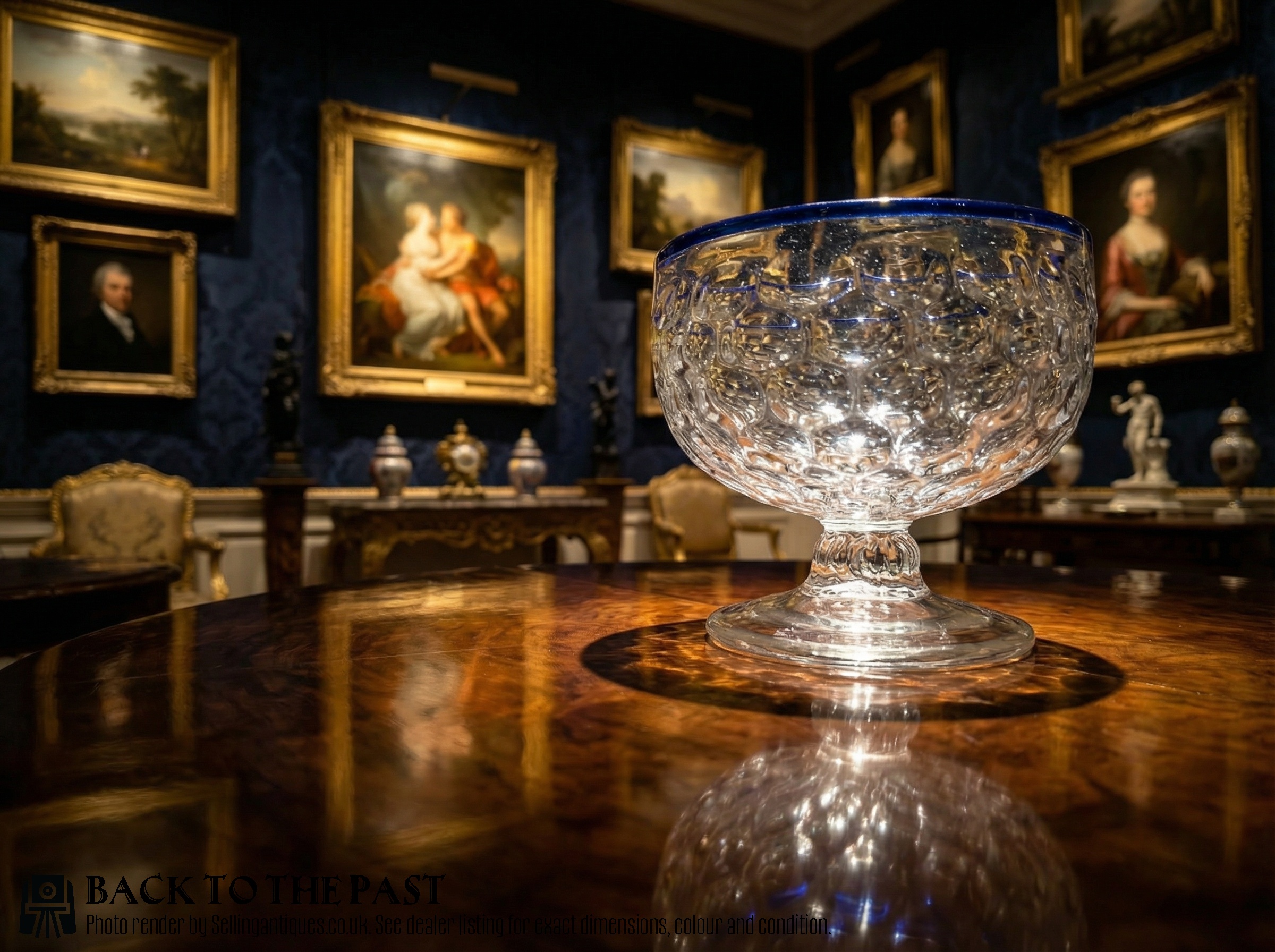
Makers utilised clear lead crystal, coloured glass such as cranberry and cobalt, and opaque white latticinio or lattico canes to form the bowls and liners. Cutting, frosting, and wrythen moulding added texture and pattern to the glass body.
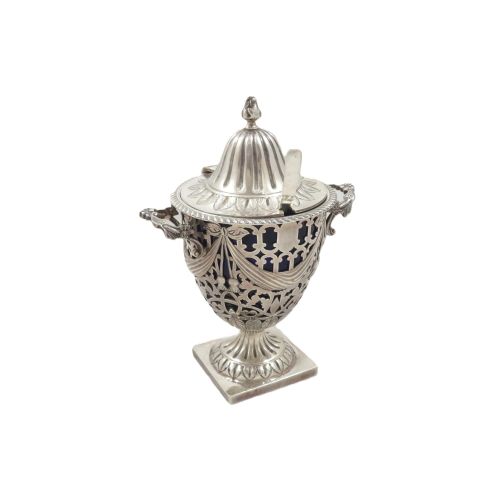
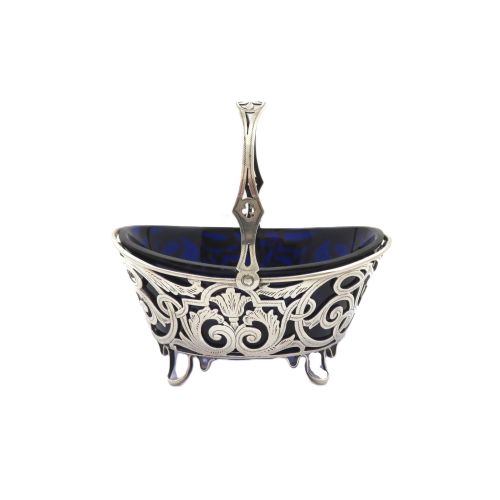
Metal components like sterling silver, silver plate, and silver gilt were pierced, cast, or engraved to create swing handles, frames, and lids that secure or house the glass vessels.
Listings feature items spanning the 18th century through the Edwardian period, incorporating materials like lead crystal, cobalt glass, and sterling silver.
Factors that distinguish finer examples
Quality rests in the weight and clarity of the glass, the depth and precision of the cutting, and the richness of the coloured metal oxides used in cranberry and cobalt pieces. Hand-blown variations and detailed moulding elevate certain items above standard production.
The accompanying metalwork dictates distinction through the complexity of pierced silver mounts, cast floral handles, and maker-stamped silver gilt frames that securely fit the glass insert.
Asprey & Co.·George Fox·Baccarat
The Antique Glass Basin Glossary
- Cranberry glass
- A rich red-pink transparent glass coloured with gold chloride, popular during the Victorian period for tableware and liners.
- Lead crystal
- A heavy, clear glass containing lead oxide that increases brilliance and allows for deep, sharp cutting.
- Latticinio
- A decorative glass technique incorporating fine opaque white or coloured glass threads twisted within a clear matrix.
- Silver gilt
- Silver that has been coated with a thin layer of gold, providing a warm, dual-toned finish on metal baskets and frames.
- Wrythen
- A moulded swirl pattern twisting around the body of a glass vessel, frequently seen on Georgian tablewares.
Antique Glass Basin: Frequently Asked Questions
What were glass basins used for?
These glass vessels served functional roles on the dining table, often holding sugar, fruit, cream, or water. Many functioned as removable liners inside pierced silver baskets.
Smaller items like finger bowls were utilised at the conclusion of meals for rinsing fingers, while larger mixing bowls prepared tea or served preserves.
How do I date an antique glass basin?
Dating relies on stylistic clues, manufacturing techniques, and any accompanying silver hallmarks. Georgian pieces often feature wrythen moulding or simple cut glass forms, while Victorian examples frequently employ vibrant cranberry or frosted finishes.
Edwardian items tend to show refined silver mounts and fitted cases, whereas 18th-century pieces display simpler, hand-blown characteristics.
How should I clean my antique glass basin?
Wash the glass gently in warm, soapy water using a soft cloth, avoiding abrasive pads that can scratch the surface. If the piece includes silver or silver gilt mounts, take care to keep polishes away from the glass.
Dry the vessel thoroughly with a lint-free cloth to maintain its clarity and shine.
Can I use these glass basins daily?
Most of these antique vessels can handle gentle everyday use, provided they are washed by hand rather than placed in a dishwasher. Care must be taken with older lead crystal and thin blown glass to prevent thermal shock or chipping.
Items paired with delicate silver gilt or pierced frames benefit from careful handling during use.