




Victorian Pink Glass Pitcher
A victorian pink glass pitcher brings vivid warmth to a table, offering rich colour and tactile blown forms that collectors seek.
Victorian Pink Glass Pitcher
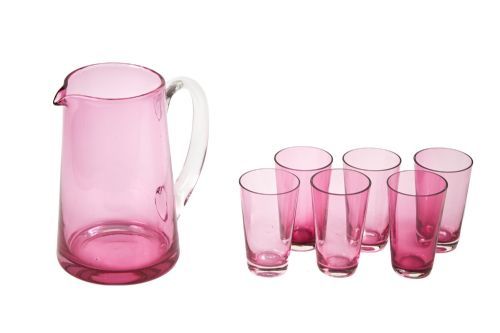
A victorian pink glass pitcher encompasses charming jugs, cream jugs, and decanters shaped during the nineteenth century. The selection ranges from compact creamers to large decorative jugs and sets complete with matching glasses.
Most examples date across the Victorian period, including specific decades from eighteen seventy to nineteen hundred. Makers shaped these vessels for functional service and decorative display alike.
The dominant shade appears as rich cranberry glass, alongside specialised variations such as Burmese glass and satin glass. These pieces serve as practical drinkware and striking decorative glassware.
How they were made
Craftsmen shaped these vessels using blown glass techniques, creating fluid bodies finished with applied details. Molten glass received its distinct pink tone through chemical additions during the melting process.
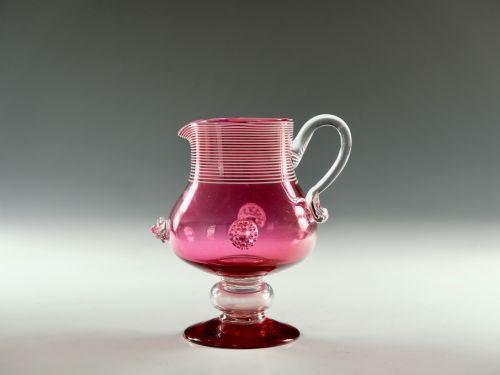
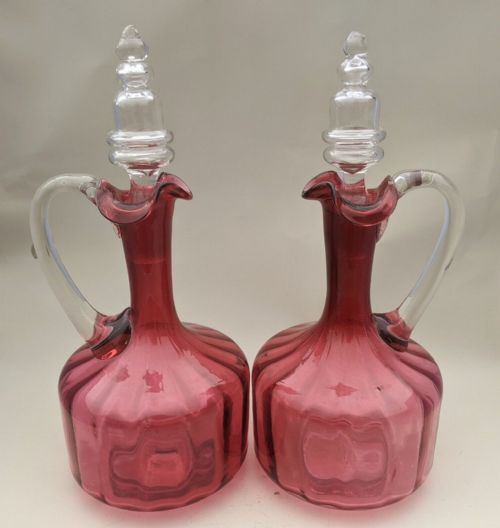
Certain pieces feature delicate white piping applied by hand to the surface. Clear glass handles and stoppers contrast against the rich coloured bodies of jugs and decanters.
Some pitchers wear white piping like delicate icing on a Victorian confection.
What varies in quality
Quality rests in the depth of the pink coloration and the balance of the blown form. Rich cranberry tones and complex Burmese glass gradients elevate certain examples above standard wares.
Unusual designs and added decorative elements, such as intricate white piping or complete sets with matching glasses, distinguish finer production. The skill in handling the molten glass dictates the crispness of the final silhouette.
WEBB and Son
The Victorian Pink Glass Pitcher Glossary
- Cranberry Glass
- A type of transparent red-pink glass created by adding gold chloride to the molten batch. It forms the basis of many nineteenth-century jugs and tableware pieces.
- Burmese Glass
- An art glass variety shading from a pale yellow at the base to a soft pink at the rim. This specialised material requires careful heat manipulation during blowing.
- Satin Glass
- Glass treated with hydrofluoric acid to produce a velvety, matte finish rather than a bright polish. This texture diffuses light softly across the vessel surface.
- Cream Jug
- A small pitcher originally designed for serving milk or cream at the tea table. These smaller vessels mirror the decorative techniques of larger pitchers.
- Decanter
- A glass vessel fitted with a stopper, intended for holding and serving liquids. Pairs of these containers often accompany glassware collections.
Victorian Pink Glass Pitcher: Frequently Asked Questions
What are victorian pink glass pitchers made from?
These vessels are formed from blown glass, utilising specific chemical mixtures to achieve distinct pink and red hues. Artisans incorporated clear glass for handles and applied white piping for surface detail.
Specialised variations involve Burmese glass and satin glass, each requiring precise temperature control during creation to achieve characteristic shading and texture.
How do I identify a Victorian piece?
Dating relies on stylistic markers, manufacturing techniques, and recorded periods spanning the nineteenth century. Characteristic forms include cream jugs, decanters, and larger pitchers shaped before nineteen hundred.
Examine the weight, pontil marks, and application of handles to understand the period of production. Variations in colour density also point towards nineteenth-century glasshouse practices.
Were these pitchers used for serving drinks?
Many examples served practical functions on the dining table, holding cream, water, or wine. Smaller cream jugs accompanied tea sets, while decanters held beverages for guests.
Larger pitchers and jug sets also functioned as decorative glassware displayed within rooms. Their sturdy blown construction allowed for everyday utility alongside visual appeal.
How should I display pink glass at home?
Placement near natural light sources allows the pink and cranberry tones to glow effectively. Positioning pitchers on wooden surfaces or near mirrors enhances the rich coloration of the glass.
Grouping individual jugs with matching glasses creates a cohesive historic display. Care should be taken to place them away from direct edges where accidental knocks might occur.