
Antique Gilded Tray
An antique gilded tray brings a flash of metallic warmth and period craftsmanship to a tabletop.
Antique Gilded Tray
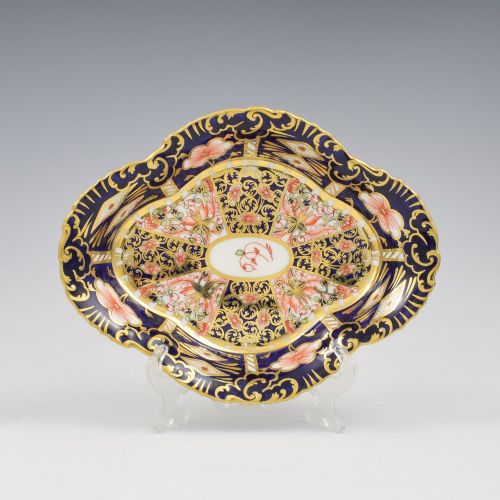
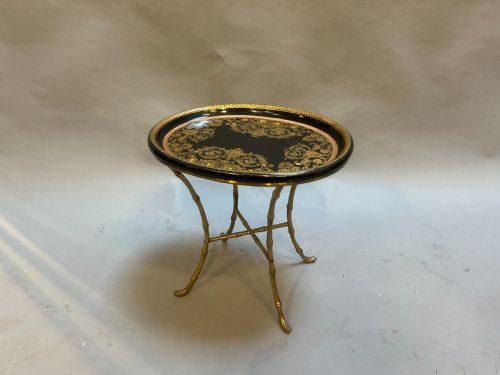
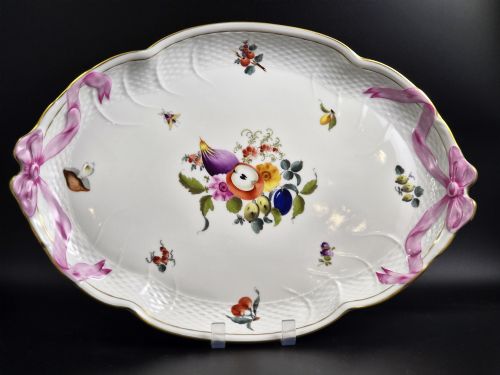
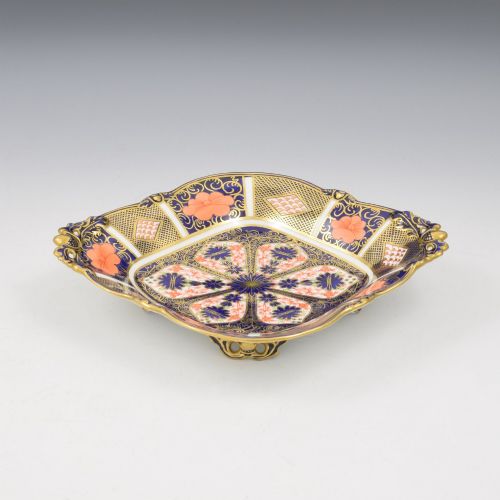
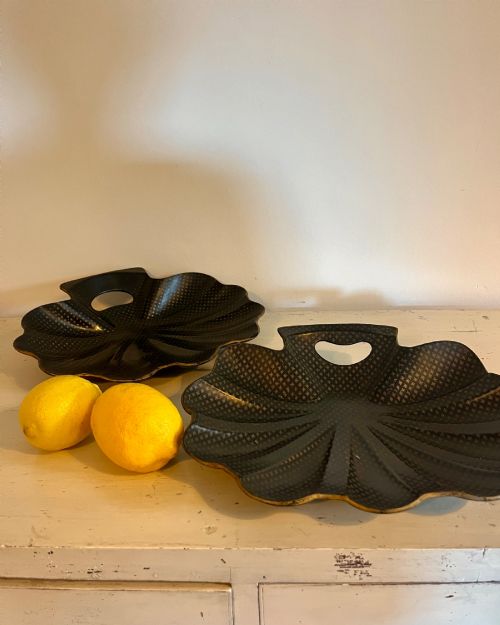
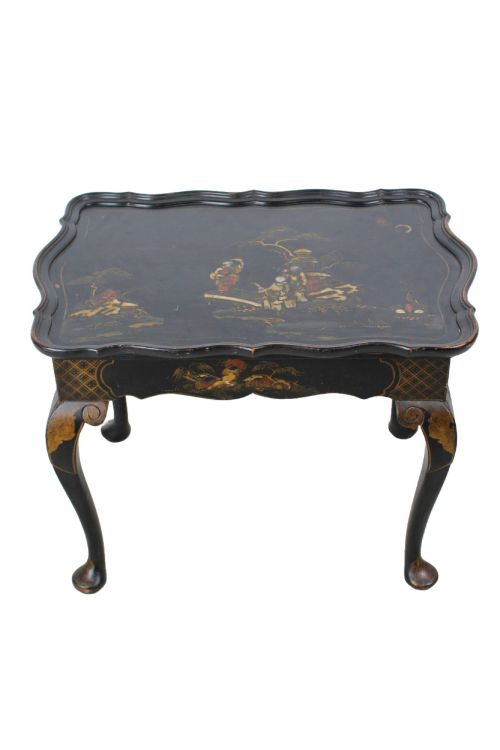
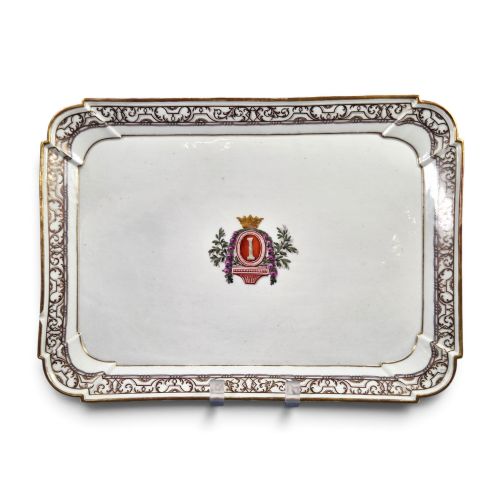
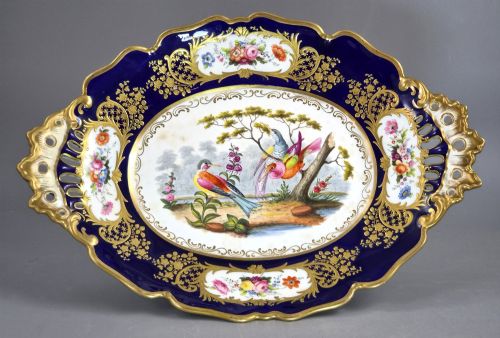
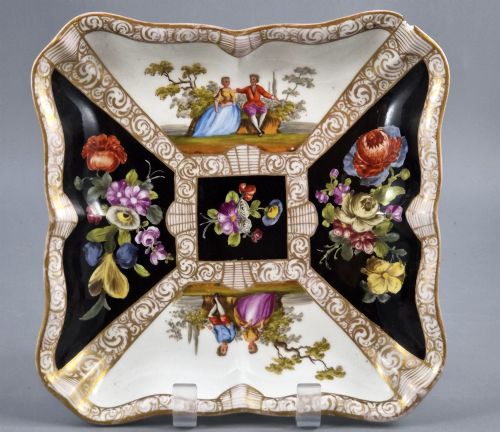
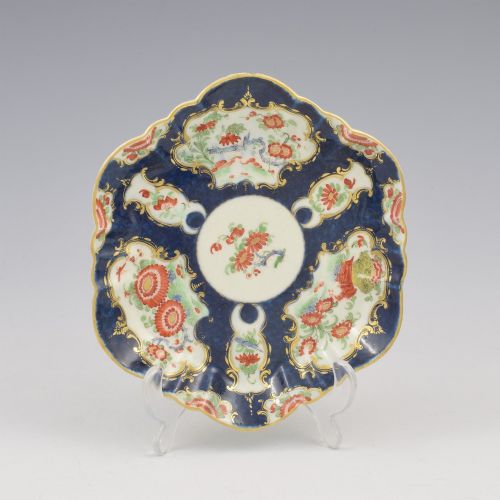
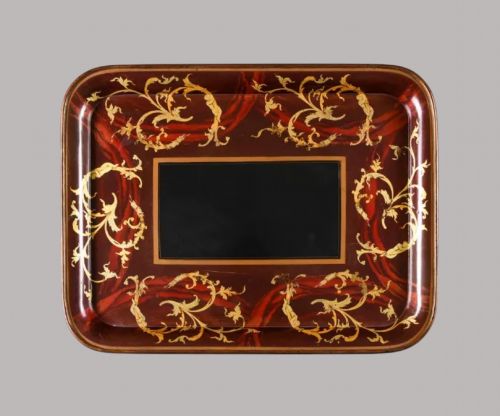
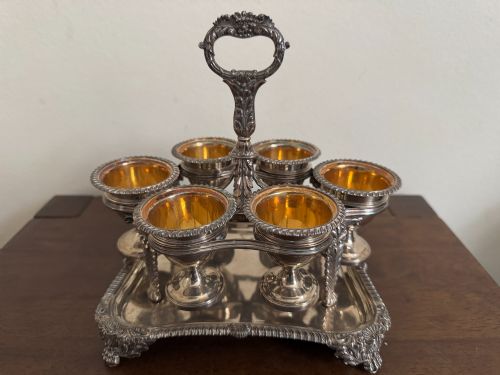
When you search for an antique gilded tray, you encounter everything from small porcelain dishes and tea service stands to large serving platters and occasional tables. The pieces span the eighteenth, nineteenth, and early twentieth centuries, reflecting diverse domestic habits across Europe and Asia.
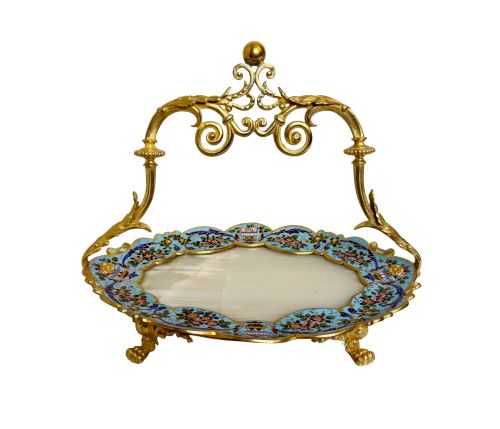
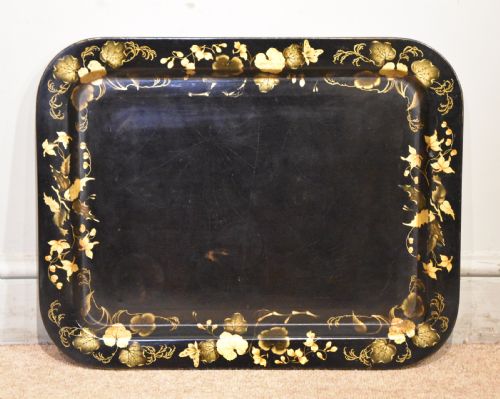
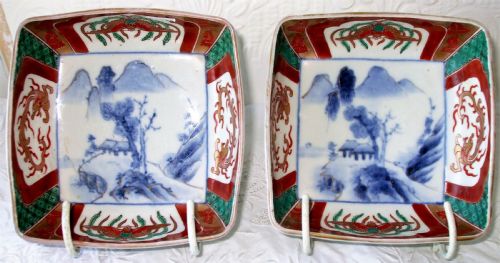
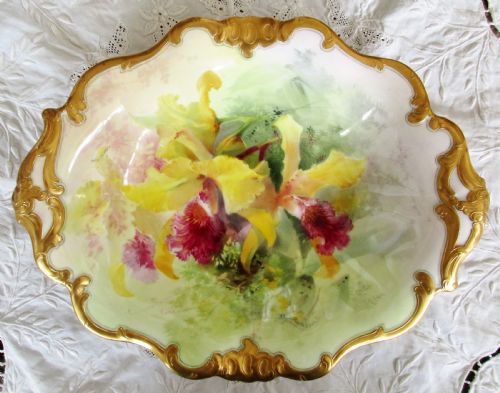
Papier-mâché examples from the Regency and Victorian eras appear frequently, alongside porcelain dishes from English factories like Worcester and continental works such as Sevres. Japanese Meiji period imari wares and French gilt bronze mounts also populate the selection.
Function varies as much as material, shifting from formal serving vessels and breakfast sets to decorative centrepieces and tray-top tables. Each format carries the specific design language of its period, whether Georgian symmetry or Rococo Revival ornamentation.
Materials and Technique
Makers applied gold leaf and liquid gilding to surfaces as varied as papier-mâché, hard-paste porcelain, and tole ware. Papier-mâché trays required layers of paper and paste pressed in moulds, then sealed and varnished before any ornamentation or metallic application took place.
Ceramic pieces relied on high-fired porcelain bodies painted with enamels and finished with gilt borders or hand-painted scenes. Metal items incorporated cast bronze with champlevé enamel work or silver structures, combining structural rigidity with intricate surface decoration.
The listings span the eighteenth to the twentieth centuries, utilising materials from gold leaf and glass to papier-mâché and porcelain.
Standards of Execution
Quality rests in the precision of the hand-painted details and the durability of the gilded surface. Superior ceramic examples show crisp enamel work and carefully applied gold leaf that adheres evenly across raised mouldings and flat expanses alike.
In papier-mâché and wood pieces, the integrity of the base material and the preservation of original decoration determine the tier of the piece. Trays retaining subtle brushwork, clear factory marks, and uncompromised structural stability occupy the higher end of the scale.
Royal Crown Derby·Ludwigsburg Porcelain·Coalport·Meissen·Royal Doulton·William Burwash·James Giles·Doe and Rogers·Canton·Sevres·Minton·Carlton Ware·Paul Miller Selb·Royal Worcester·Zwiener
The Antique Gilded Tray Glossary
- Papier-mâché
- A composite material made from paper pulp or sheets of paper mixed with glue and pressed into shape. It provided a lightweight and durable base for lacquer and gilt decoration during the nineteenth century.
- Gilding
- The application of gold leaf or powder to a surface. This technique added reflective brilliance to ceramics, metals, and papier-mâché.
- Imari
- A style of Japanese porcelain featuring a distinct palette of underglaze blue, iron red, and added gold. These pieces were widely exported to Europe during the Meiji period and earlier.
- Champlevé
- An enamelling technique where troughs or cells are hollowed out of a metal surface and filled with vitreous enamel before firing. It frequently appears alongside gilt bronze mounts on continental decorative objects.
- Tole ware
- Painted or lacquered sheet metal items produced in Europe. These functional objects often received gilt highlights and decorative borders.
Antique Gilded Tray: Frequently Asked Questions
How do I clean an antique gilded tray?
Dust the surface gently with a soft, dry cloth to remove particle build-up. Avoid using commercial cleaning liquids, abrasive pads, or water, as moisture and harsh chemicals can damage fragile gold leaf and painted enamel.
For stubborn grime on hard porcelain surfaces, consult a professional restorer rather than attempting chemical cleaning at home. Preserving the remaining original finish remains paramount for these historical items.
Were these trays used for serving food?
Many examples served functional roles during tea ceremonies, breakfast services, and formal dinners. Ceramic dishes and sturdy papier-mâché trays handled daily domestic duties in period households.
Over time, handling patterns shifted as decorative pieces found permanent homes on display stands or side tables. Assessing the surface wear helps determine whether a specific item saw active service or remained primarily ornamental.
How can I tell the period of a papier-mâché tray?
Examine the weight, edge profile, and underlying material structure of the tray. Regency and Victorian pieces often exhibit distinct manufacturing stamps, hand-painted motifs, and characteristic lacquer crquelure.
Comparing the decorative style against documented regional patterns provides further chronological context. Subtle variations in the gold leaf application also point towards specific decades of production.
Can I place items on top of a tray?
Displaying small objects, letters, or glassware on a sturdy tray is a traditional method of arrangement. Ensure that the base of any placed item is smooth to prevent scratching the gilded or lacquered surface.
Avoid overloading delicate papier-mâché or thin porcelain examples with heavy loads. Lighter service trays handle daily use well, while fragile decorative dishes deserve secure stationary placement.