



Decorative Black Tray
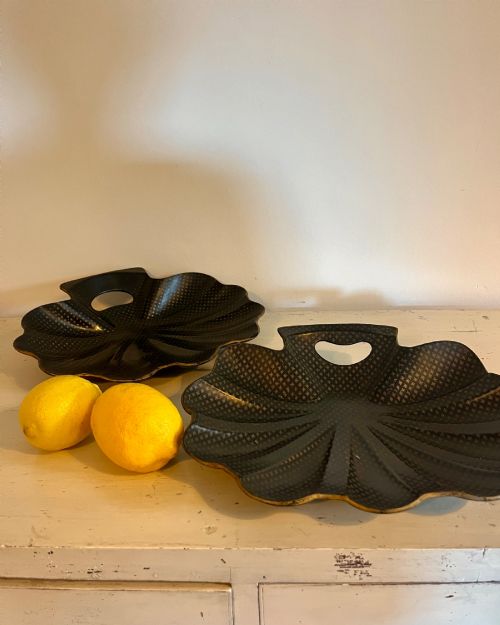
A decorative black tray brings functional elegance to a room, offering a rich dark surface shaped from papier-mâché, lacquer or metal.
Decorative Black Tray
A decorative black tray serves as both a practical carrier and a striking focal point in a traditional interior. When searching for a decorative black tray, buyers encounter examples stretching from the Georgian and Regency eras through the Victorian period and into the twentieth century.
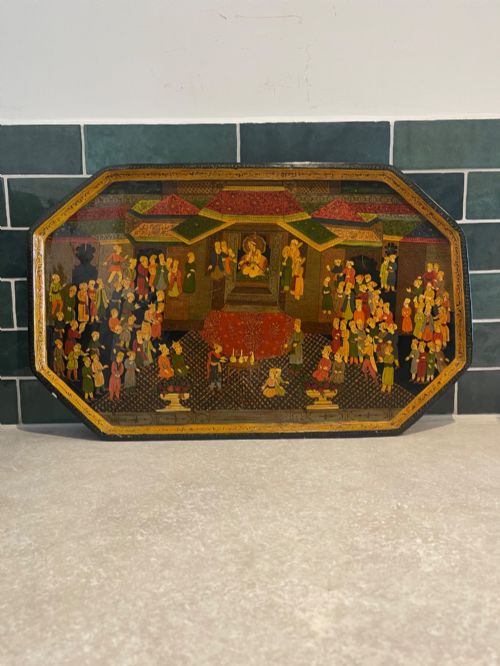
The selections span several distinct origins, including English workshops, French toleware, Kashmiri craftsmanship, and East Asian export pieces. Common forms range from oval serving trays and card baskets to large platters and trays mounted upon dedicated stands.
Materials and construction methods
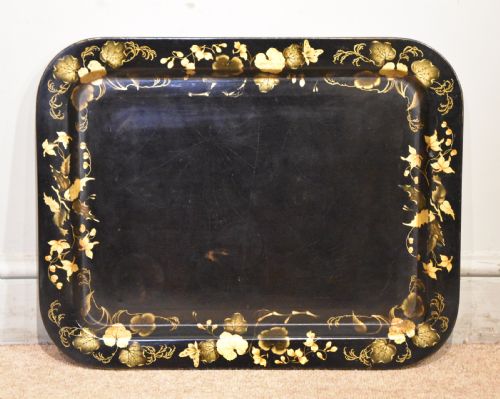
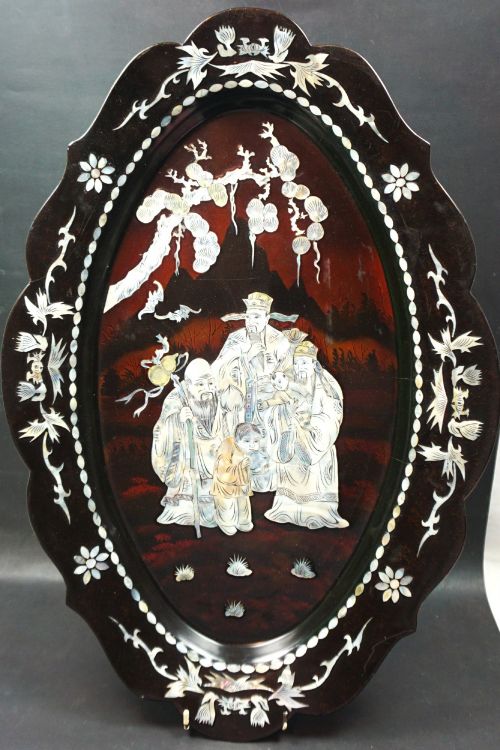
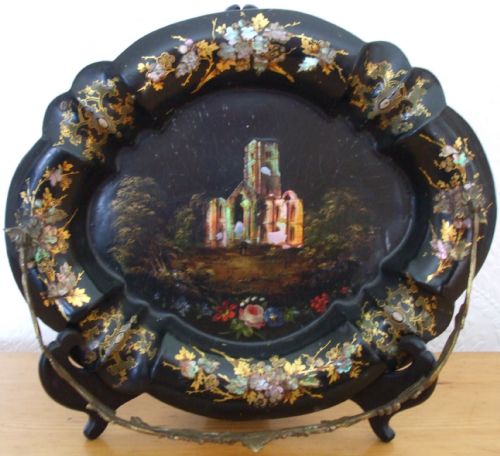
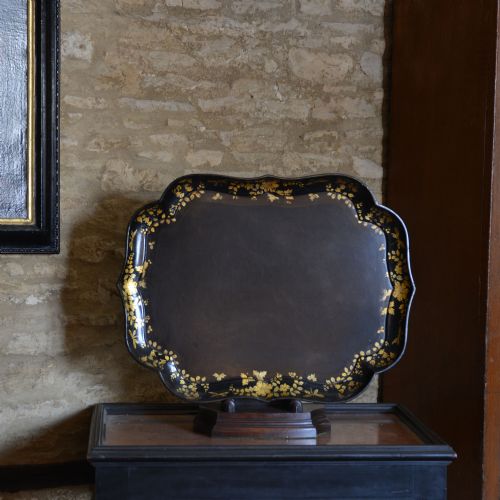
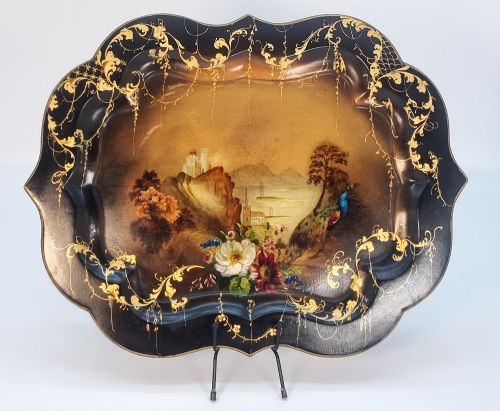
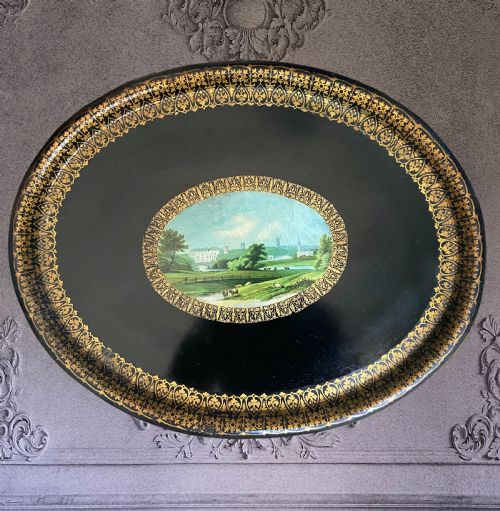
Papier-mâché forms many of the pieces, built from layers of paper pulp or sheets pressed and then finished with dark lacquer. Artisans frequently added gilding, gold leaf, paint, or mother-of-pearl inlay to create contrasting motifs against the dark ground.
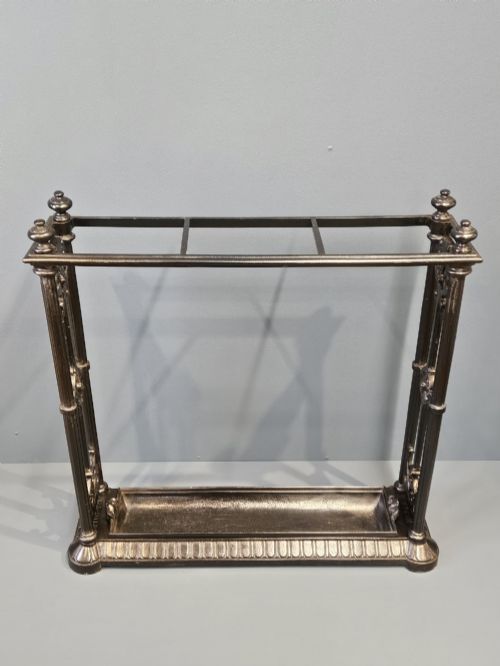
Toleware pieces utilise metal bases coated in dark lacquer or paint, whilst other examples rely on solid wood, lacquered wood, or cast iron for structural items like umbrella stands.
One massive papier-mâché tray comes with a distinctly fishy theme, perfect for anglers who appreciate historical craft.
Assessing quality and craftsmanship
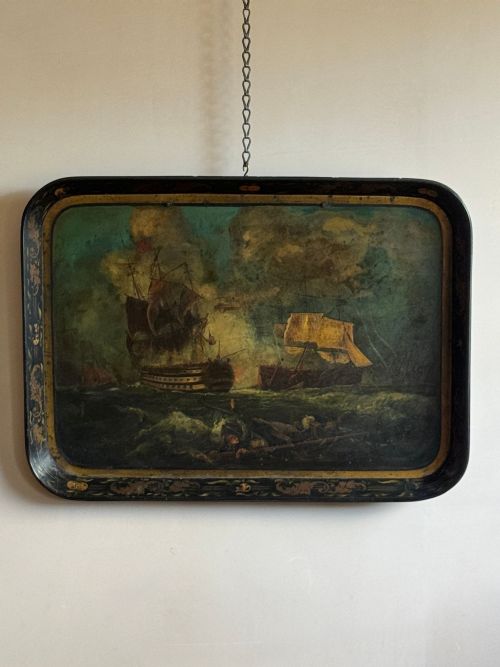
Quality rests heavily on the crispness of the hand-painted decoration, the depth of the lacquer finish, and the preservation of the original gilt embellishments. Superior pieces display refined pictorial scenes, such as landscapes or figurative work, executed with precise brushwork.
The structural integrity of the material matters greatly, particularly the stability of the papier-mâché rim or the soundness of the metal and wooden foundations. Maker attribution, when present, further distinguishes the finest examples from standard production.
Jennens and Bettridge·Clay
The Decorative Black Tray Glossary
- Papier-mâché
- A composite material made from paper pulp or reinforced paper sheets, moulded and dried to form a rigid base for lacquering. This technique allowed makers to create lightweight yet durable trays with smooth surfaces.
- Toleware
- Painted or lacquered metalware, typically tin or iron, shaped into household objects such as trays, bowls, and boxes. The dark finishes often received hand-painted floral or gilt decoration.
- Japanned
- A European imitation of East Asian lacquerwork, created by applying layers of dark varnish and heat-curing the surface. It was widely used on Georgian and Regency furnishings.
- Chinoiserie
- European artistic styles reflecting Chinese and East Asian motifs, often featuring pagodas, figures, and exotic landscapes rendered in gold on black backgrounds.
- Gilding
- The application of gold leaf or gold powder to a surface to highlight decorative details and borders. This technique added rich contrast to dark lacquered grounds.
Decorative Black Tray: Frequently Asked Questions
How do I use a decorative black tray today?
These trays work well placed on a coffee table to hold books and small objects, or mounted on a wall as decorative art. Their dark surfaces provide a strong visual anchor in a room.
Larger examples on stands function effectively as side tables or low serving surfaces. Care should be taken to protect the antique lacquer from excessive moisture and heat.
How do I distinguish Regency pieces from Victorian ones?
Regency items often feature restrained classical motifs, delicate gilt borders, and refined japanned finishes dating from the early nineteenth century. Victorian examples frequently embrace bolder pictorial scenes, landscapes, and mother-of-pearl inlay.
Examining the weight, edge profile, and style of the painted decoration helps clarify the period of production.
What is toleware?
Toleware refers to functional metal objects, typically made from sheet iron or tin, finished with paint or lacquer. They were popular in England and France for domestic use.
These pieces range from simple serving trays to bowls and boxes, usually decorated with contrasting borders or floral designs.
How should I clean my lacquered tray?
Dust the surface gently with a soft, dry cloth to prevent scratching the delicate lacquer and gilt work. Avoid using chemical cleaners, polishes, or water.
Keeping the piece away from direct sunlight and damp environments will help preserve the finish over time.