


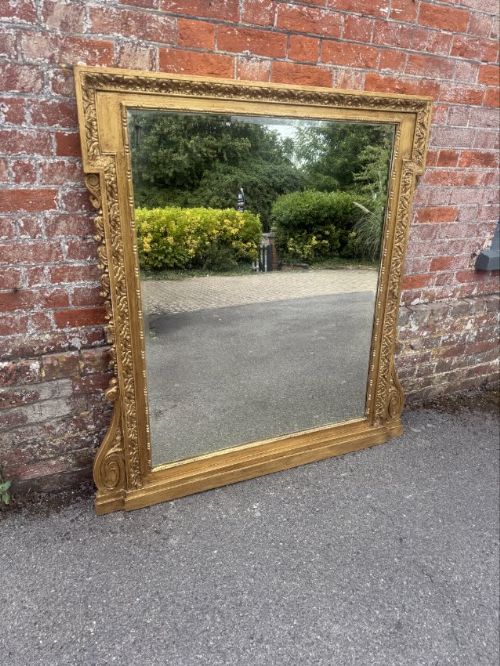
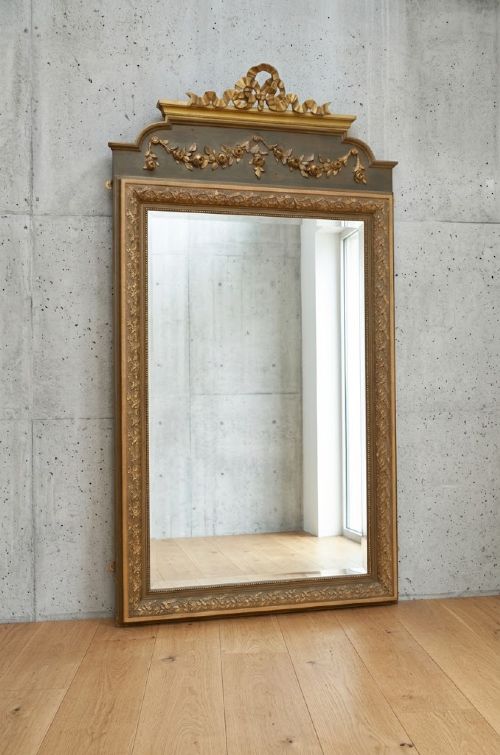
Antique Gilded Overmantel
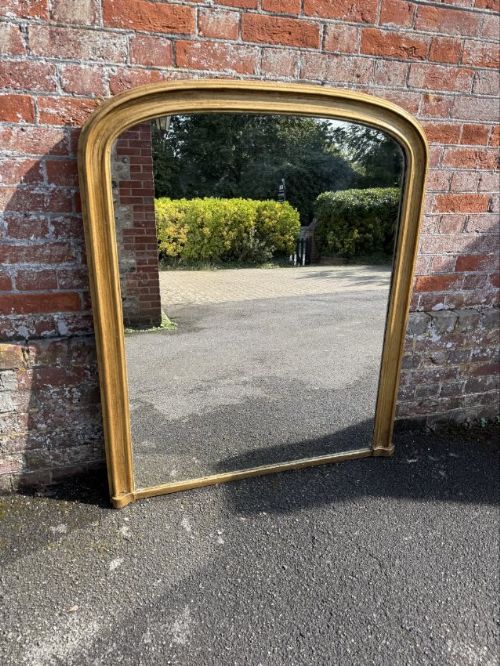
An antique gilded overmantel brings historical presence into a room, reflecting light across heavy carved frames that traditionally sat above a fireplace.
Antique Gilded Overmantel
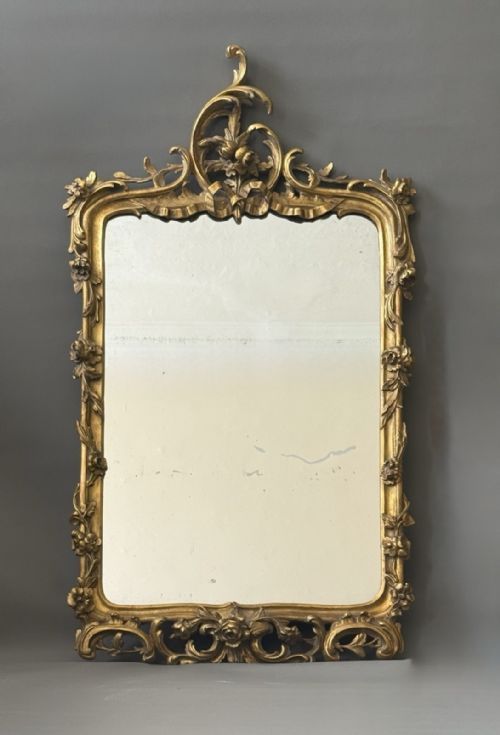
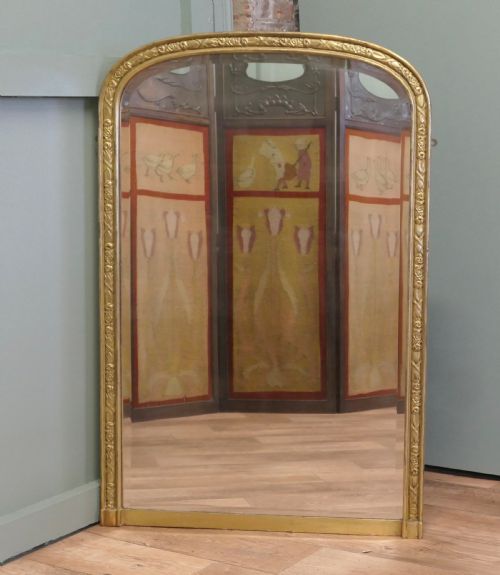
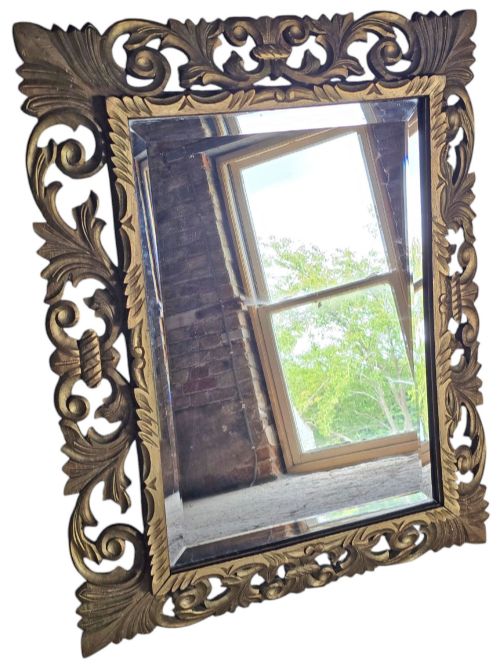
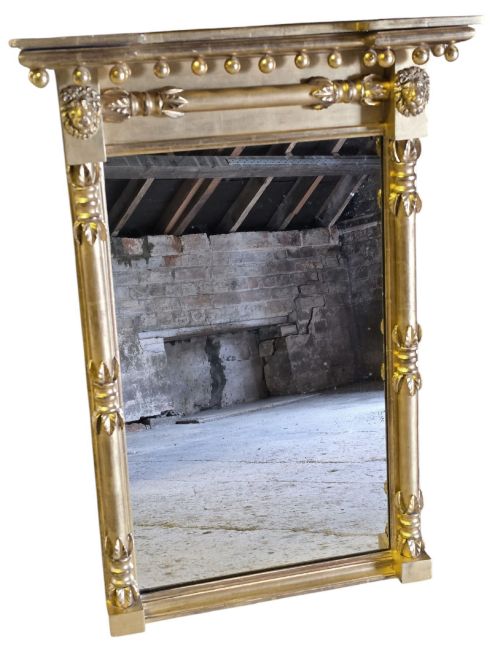
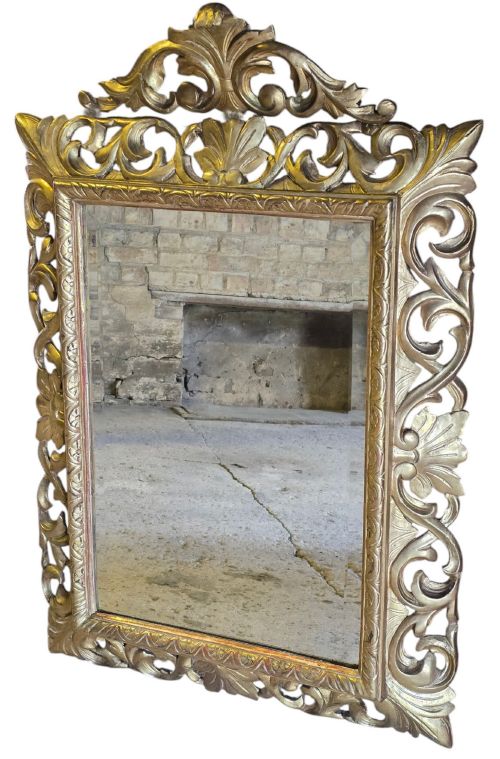
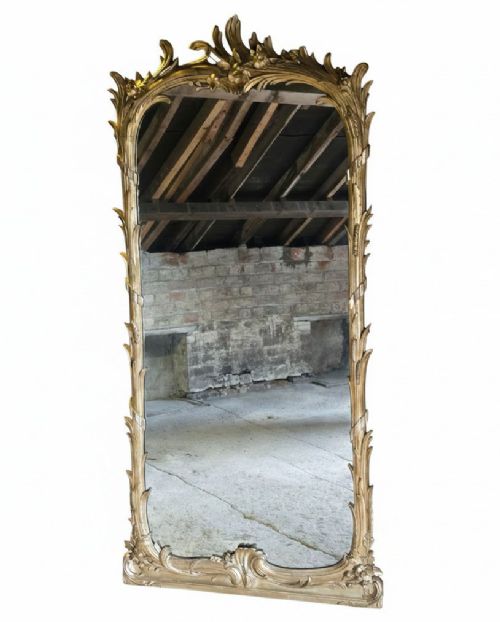
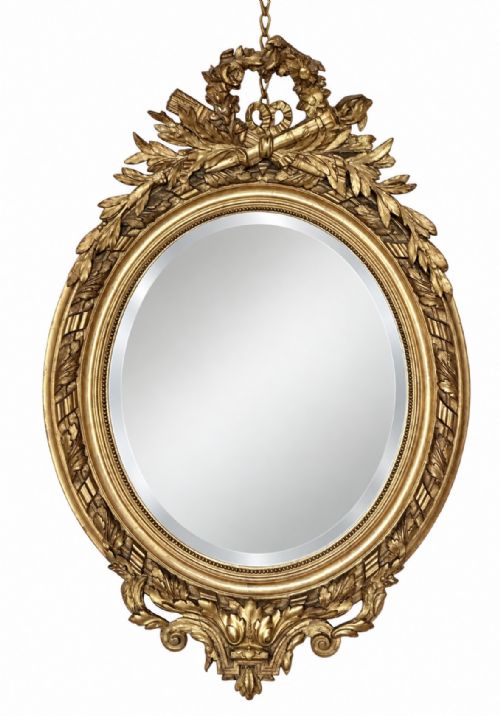
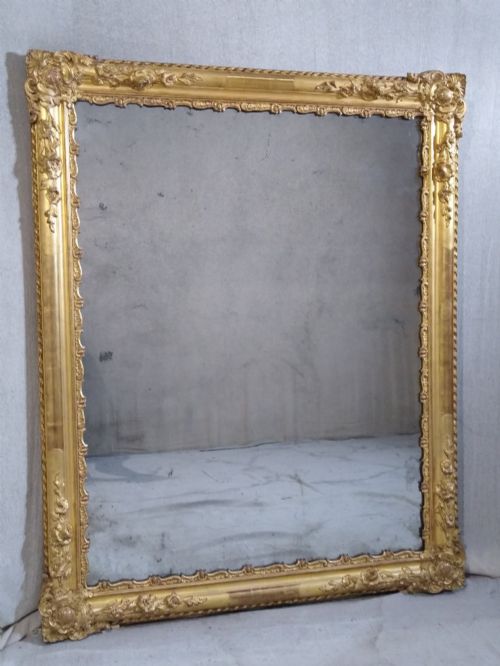
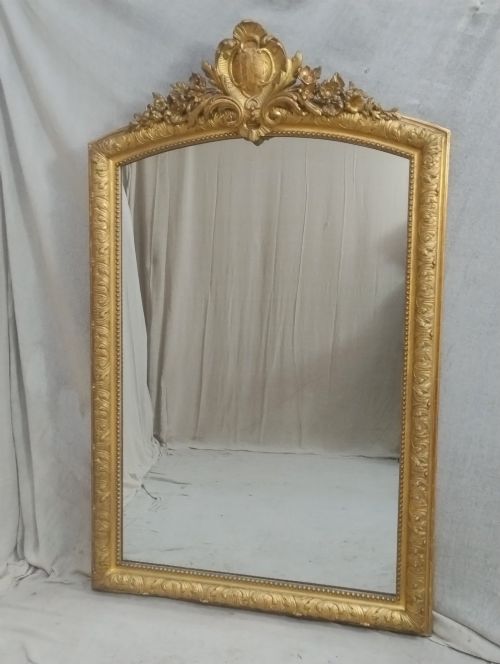
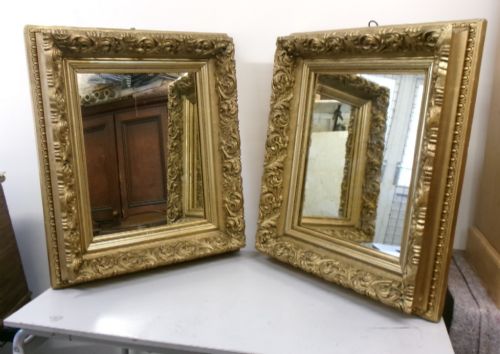
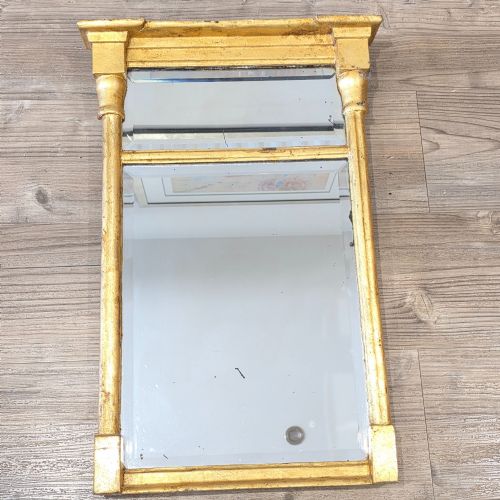
When searching for an antique gilded overmantel, a buyer encounters large wall-hanging mirrors designed to occupy the wide, low wall space directly above a mantelpiece. These pieces frequently date from the nineteenth century, including Regency, Victorian, and French periods, spanning styles from Rococo Revival and Louis Philippe to Florentine.
The inventory on this page consists predominantly of substantial vertical and horizontal formats, often featuring arched tops, ornate crests, and multiple glass plates. English examples appear alongside French alternatives, showing carved wood and gesso frames finished in gold leaf or composition gilding.
What varies in quality
The standard of an antique gilded overmantel rests primarily on the depth and sharpness of the hand-carved ornamentation within the wooden frame. Crisply defined acanthus leaves, scrolls, and figural carvings separate superior workshop output from simpler moulded pieces.
The integrity of the original gilded surface and the preservation of the early mirror plate substantially influence the character of the object. Pieces retaining their original mercury glass and undisturbed gold leaf demonstrate higher authenticity compared to those with modern re-gilding and replacement mirror plates.
Materials recorded across the inventory include giltwood, gesso, gold leaf, composition, and original mercury mirror glass.
The Antique Gilded Overmantel Glossary
- Gesso
- A plaster mixture applied to the wooden frame as a smooth base for gilding. It allows craftsmen to carve intricate relief details before the gold leaf is laid down.
- Overmantel
- A large mirror specifically proportioned to hang on the wall above a fireplace mantel. These pieces were traditionally designed to amplify firelight and balance the proportions of a principal reception room.
- Pier Glass
- A tall, narrow mirror designed to hang on the wall space between two windows. They share many decorative characteristics with overmantel mirrors but are proportioned for narrower wall spans.
- Mercury Glass
- An early type of mirror plate produced by backing glass with a silver and mercury amalgam. It develops a characteristic mottled dark speckling known as foxing over time.
Antique Gilded Overmantel: Frequently Asked Questions
Can I place an overmantel mirror above a working fireplace?
Placing an overmantel mirror directly above a functioning fireplace exposes the antique wood, gesso, and gilding to rising heat and soot. Historically, these mirrors sat above hearths, but modern continuous high temperatures can dry out old timber and crack composition ornaments.
If the fireplace is used regularly, check that the mantelpiece projects sufficiently to deflect direct heat away from the bottom edge of the frame. Periodic gentle dusting helps prevent soot accumulation from bonding with the gilt surface.
How do I clean antique giltwood frames?
Cleaning giltwood requires minimal intervention using a very soft, dry brush or an ostrich feather duster to remove loose surface dust. Moisture, chemical cleaning agents, and vigorous rubbing will strip delicate gold leaf and soften historical gesso.
Leave aged surfaces undisturbed rather than attempting to brighten darkened areas. Professional conservators should address any flaking leaf or structural separation in the wooden mitres.
What is the difference between an overmantel and a pier mirror?
Overmantel mirrors are constructed with wide horizontal or arched proportions intended to anchor the space above a fireplace opening. Pier mirrors are narrower and taller, designed specifically to fit the narrow wall sections between architectural openings or windows.
While both share similar nineteenth-century decorative vocabularies and gilding techniques, their original room placements dictated their distinct aspect ratios and frame silhouettes.