

Antique Gilded Glass Mirror
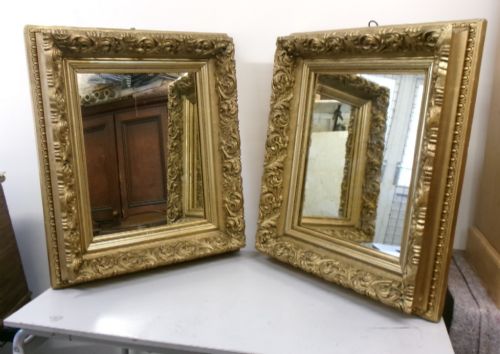
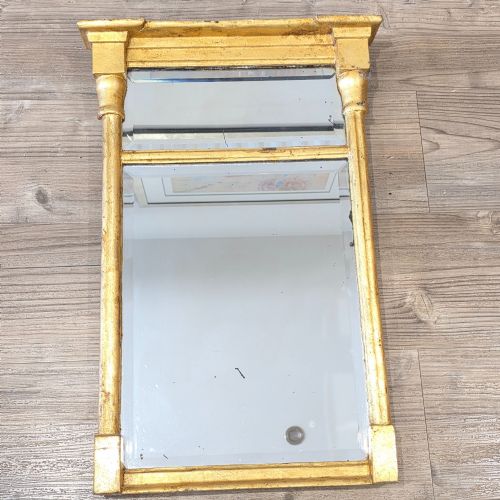
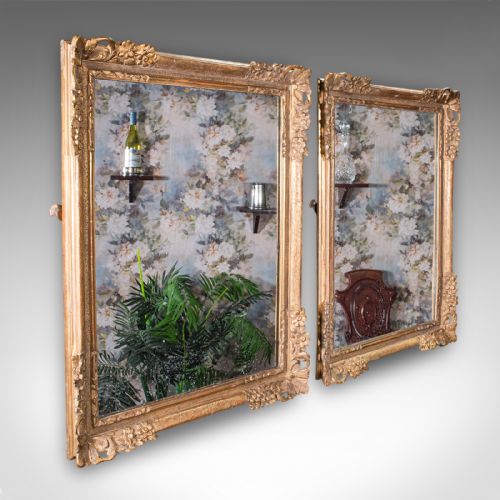
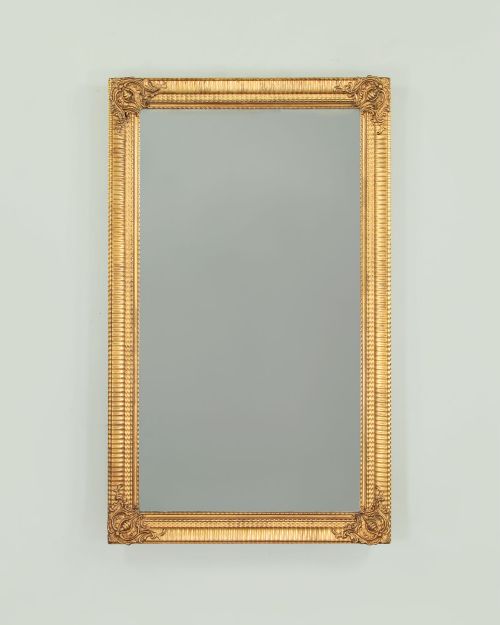
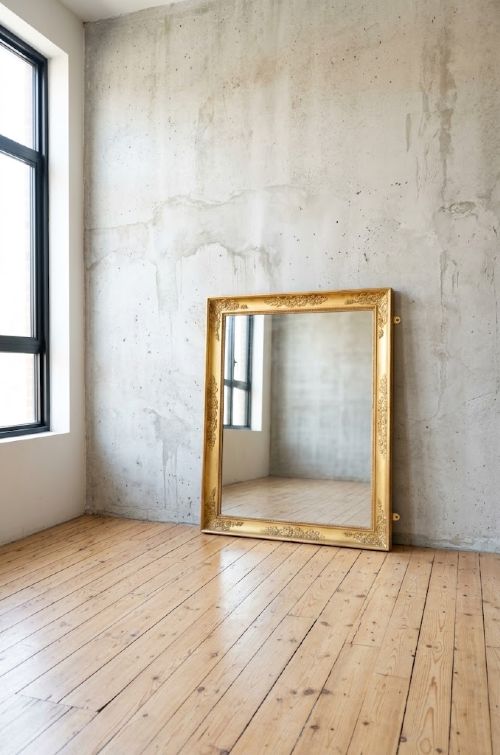
An antique gilded glass mirror brings reflective warmth and storied presence to a room, drawing the eye with carved giltwood and gesso.
Antique Gilded Glass Mirror
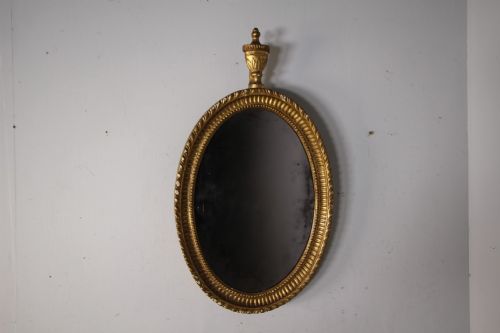
When you search for an antique gilded glass mirror, you encounter wall mirrors, overmantel mirrors, pier mirrors, and console tables spanning the eighteenth and nineteenth centuries. English and French workshops dominate these listings, offering everything from restrained Georgian ovals to monumental Regency and Victorian statements.
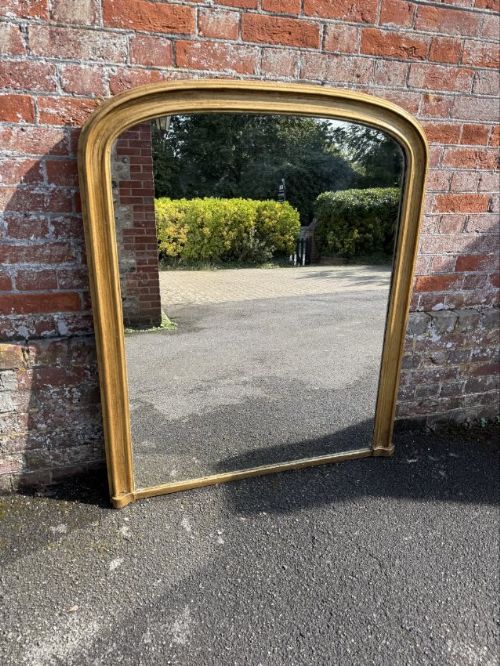
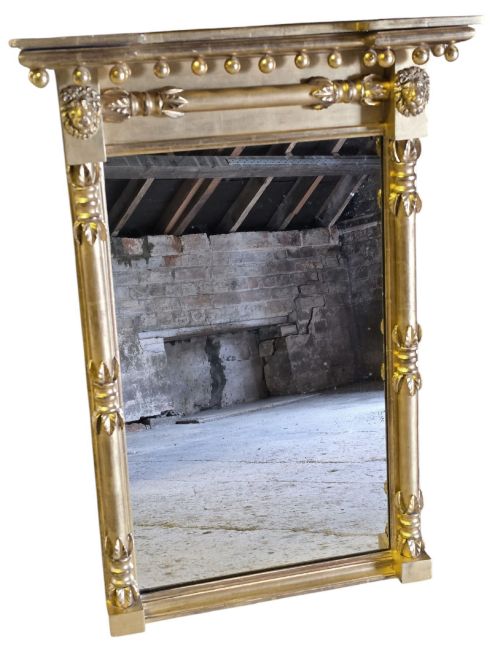
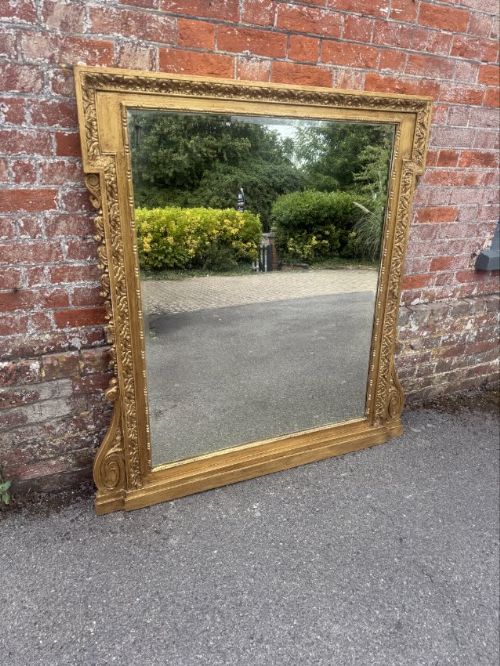
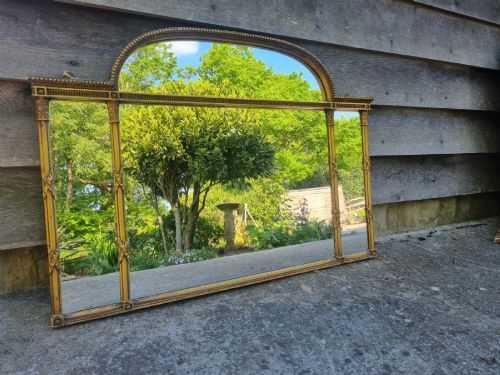
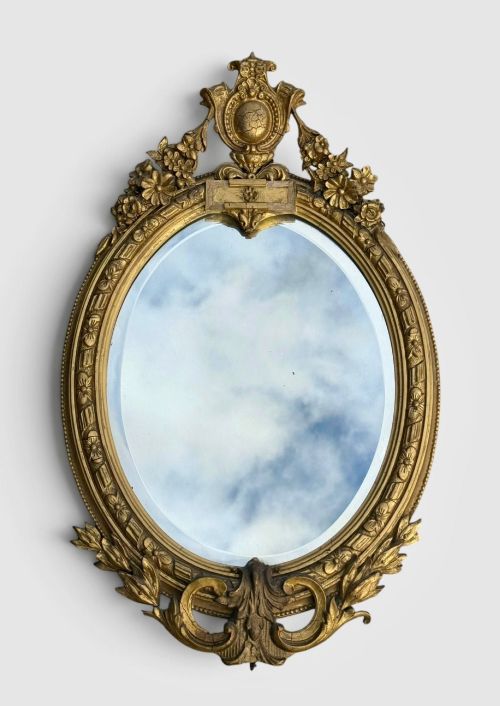
The most common pieces on this page are nineteenth-century overmantel and pier mirrors, often built with arched tops or decorated with carved wood and gesso. You also find French Napoleon III and Rococo Revival examples alongside earlier Georgian and Regency designs.
Many of these looking glasses were made to hang above mantelpieces or between windows, reflecting light into dark rooms. Their proportions range from intimate dressing mirrors to massive architectural pieces.
Materials and Techniques
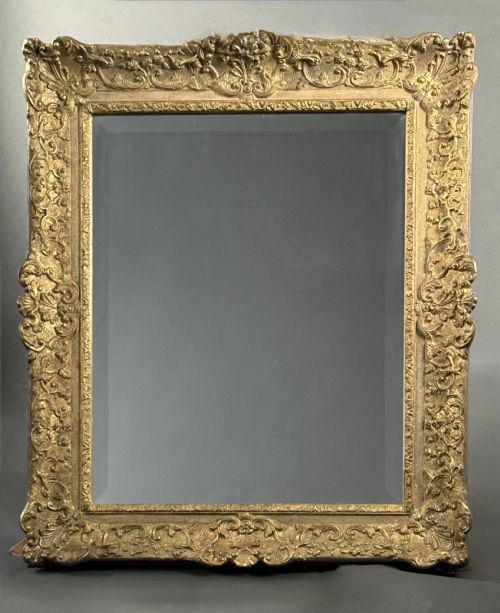
Carved wood provides the structural foundation for these frames, often shaped from timber before receiving layers of gesso. This fine plaster mixture allows artisans to carve intricate floral scrolls, classical motifs, and ribbed mouldings.
Gold leaf or composition is applied over the gesso ground, creating the gleaming metallic surfaces characteristic of giltwood frames. Some pieces utilise paint alongside gilding to accent specific decorative details.
The glass plates themselves include early mercury glass with characteristic foxing, alongside original bevelled mirror plates that show the subtle distortions of age.
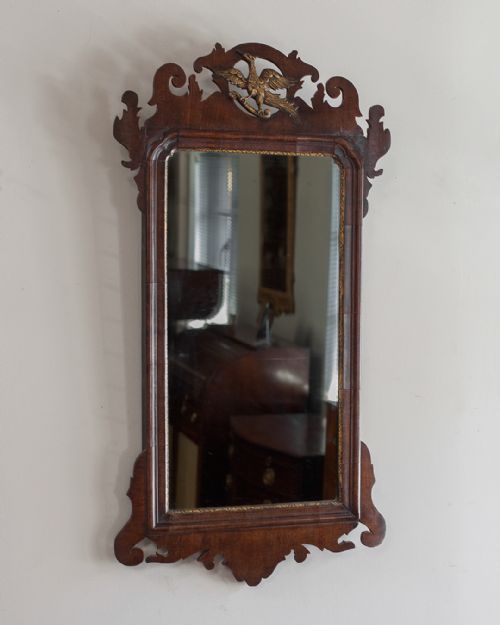
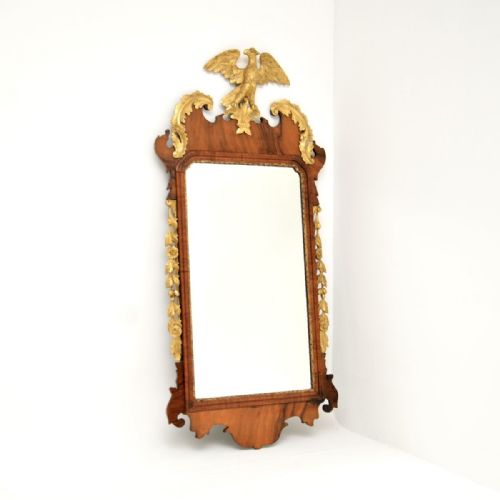
Listings feature eighteenth-century walnut and mahogany pieces alongside heavily gilded nineteenth-century French and English wall mirrors.
Distinctions in Execution
The depth and crispness of the hand-carving separate ordinary frames from exceptional ones, particularly where gesso ornaments meet the wooden substrate. Finer pieces retain sharp botanical and mythological details rather than soft, mass-produced mouldings.
The integrity of the original gilding and the character of the mirror plate heavily influence a piece's visual impact. Original mercury glass with natural foxing offers an atmospheric reflection distinct from modern replacement glass.
The Antique Gilded Glass Mirror Glossary
- Gesso
- A mixture of plaster of Paris and glue binder applied to wood frames to create a smooth surface for carving and gilding. It allows artisans to build up high-relief decorative elements.
- Giltwood
- Timber coated with gold leaf over a prepared base. It forms the shimmering structure of most formal mirrors from the eighteenth and nineteenth centuries.
- Pier mirror
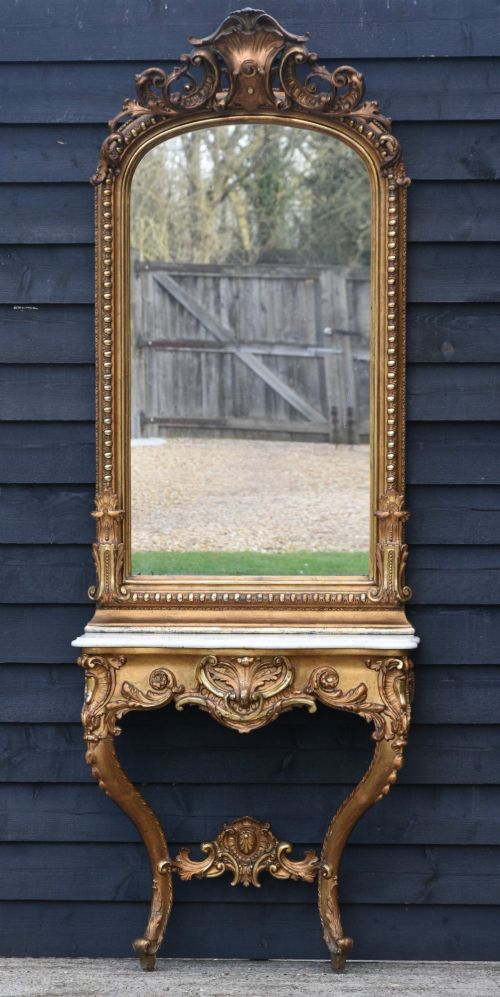
- A tall, narrow looking glass designed to hang on the wall space between two windows. They often sat above matching console tables.
- Overmantel mirror
- A wide horizontal glass made to sit directly above a fireplace mantel. These pieces frequently feature arched tops or elaborate crestings.
- Foxing
- The dark spots and cloudy patches that develop on older mirror plates as the backing degrades over time. Many collectors prize this sign of authentic age.
- Trumeau
- A decorative wall mirror incorporating a painted panel or oil painting above the glass plate. They originated in France and often feature pastoral scenes.
Antique Gilded Glass Mirror: Frequently Asked Questions
How do I hang a heavy overmantel mirror?
These heavy nineteenth-century frames require professional wall fixings secured directly into studs or masonry. Distributing the weight across substantial brackets ensures the timber and gesso remain safe.
Because overmantel mirrors were originally designed to rest partly on the mantelpiece while anchored to the wall, modern installations should replicate this support to relieve tension on the frame joints.
What is mercury glass?
Mercury glass refers to antique mirror plates silvered using a tin and mercury amalgam before safer chemical processes were invented in the mid-nineteenth century. This historical technique produces a softer, deeper reflection.
Over decades, the backing reacts with air and moisture to create characteristic dark spots known as foxing. This natural ageing process proves the glass is period-authentic.
Where should I place a pier mirror?
Pier mirrors work best in hallways, dining rooms, or living spaces where their tall proportions can draw natural light deeper into the room. Pairing them with a console table matches their historical placement.
Consider the sightlines from seating areas so the glass reflects artwork or architectural details rather than blank walls.
How do I tell a Georgian mirror from a Victorian one?
Georgian mirrors, particularly from the eighteenth century, tend to feature restrained carved mahogany, walnut, or parcel-gilt frames with classical symmetry. They often employ fretwork or simpler oval formats.
Victorian and Rococo Revival pieces from the mid-to-late nineteenth century typically showcase heavier gesso ornamentation, elaborate floral scrolls, and grand arched crestings designed to dominate a room.