




Tall Classical Pier Mirror
A tall classical pier mirror brings vertical light and architectural dignity into a room, framed in rich giltwood or dark mahogany.
Tall Classical Pier Mirror
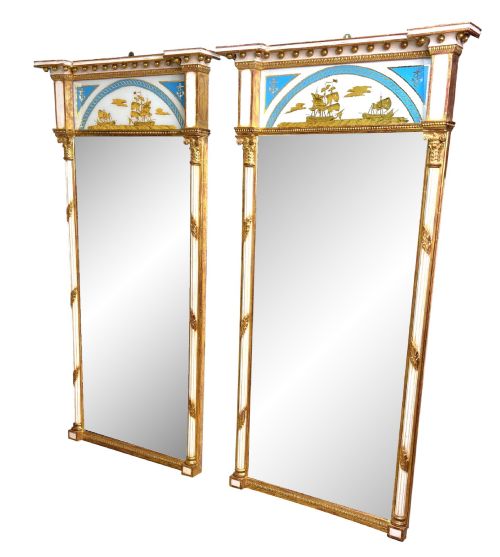
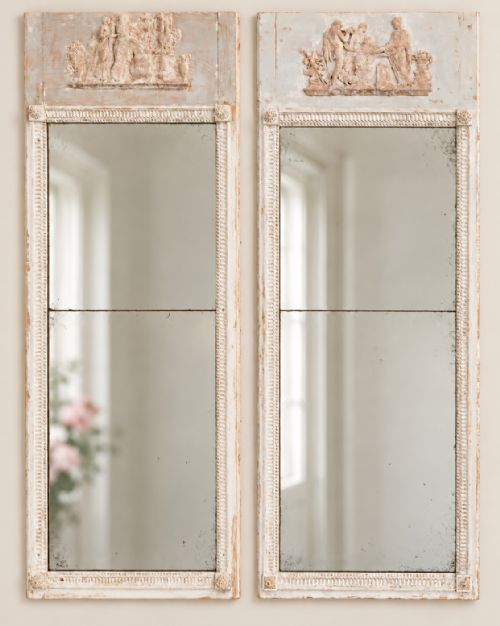
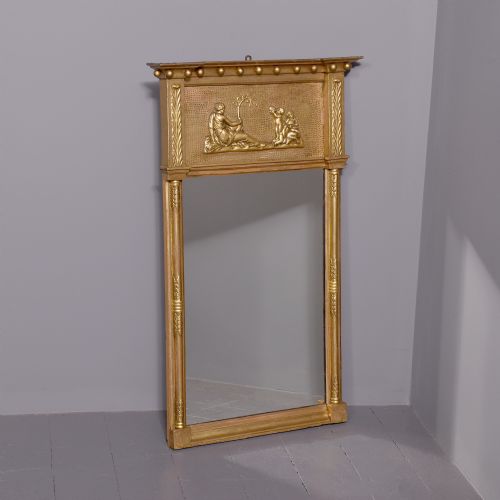
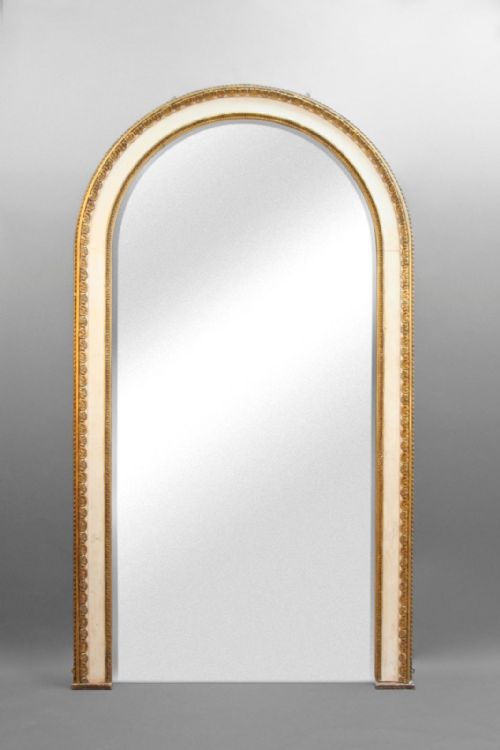
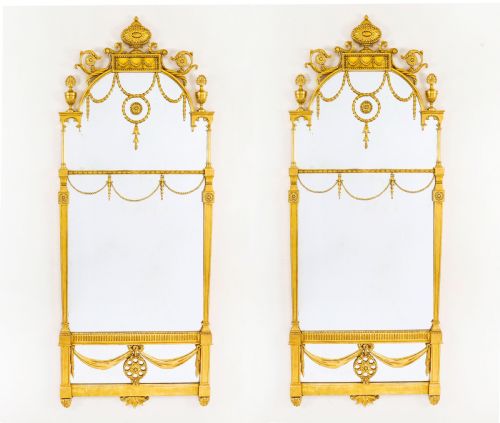
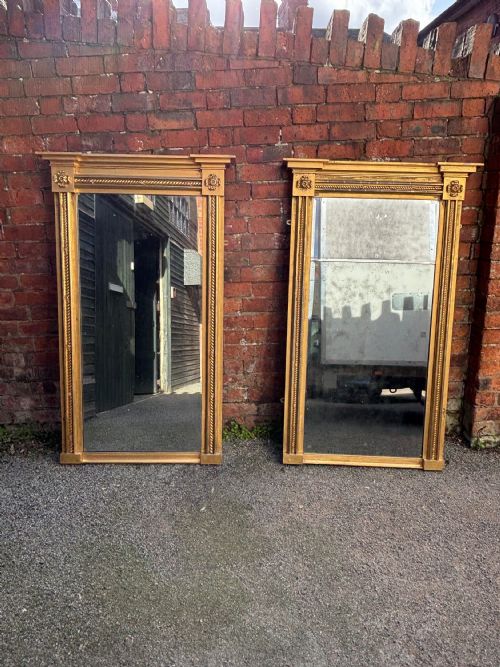
A tall classical pier mirror is designed specifically to hang on the narrow wall space between windows, multiplying light and reflecting the interior. The pieces seen here span the Regency and Victorian eras, alongside select 18th-century examples reflecting Neoclassical and Adam Revival tastes.
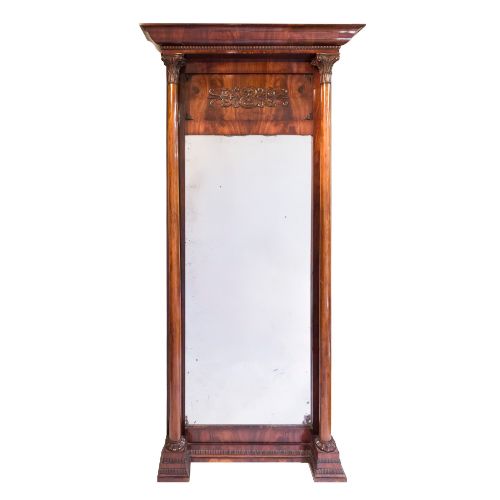
Most examples lean towards giltwood frames finished with gesso, whilst others utilise mahogany or birchwood veneer. You will encounter grand proportions reaching up to monumental heights, occasionally paired with cabinets or marble bases.
Forms range from simple rectangular wall mirrors to elaborate French Empire and George IV designs featuring carved detail and original glass plates. These vertical glasses serve both a functional and decorative purpose within period and contemporary interiors.
Materials and construction methods
Makers shaped these frames from solid timbers such as mahogany and walnut, or constructed them from softer woods ready to receive intricate gesso and leaf gilding. Giltwood surfaces required skilled application of liquid plaster moulded into classical motifs before the gold leaf was laid.
Glass production involved heavy mirror plates set into the wooden carcasses, often retaining their original foxed plates which show authentic signs of age. Secondary woods and traditional joinery anchor the substantial weight of these tall frames to the wall.
Tall Classical Pier Mirror Retail Price Guide 2026
Typical asking prices for tall classical pier mirror among the pieces listed under this phrase on Sellingantiques today, from the lower quarter to the upper quarter. They describe what is for sale here now, not the wider market.
Some towering eight-foot examples demand ceilings grander than the rooms they eventually inhabit.
Markers of fine craftsmanship
Quality rests in the crispness of the hand-carved gesso ornament and the depth of the gilding, where superior examples retain their original bright finish without heavy restoration. The integrity of the frame joints and the clarity or charming distortion of the original mirror plate further elevate a piece.
Proportion and scale dictate the desirability of each mirror, with taller monumental heights commanding presence. The retention of original glass and backboards distinguishes higher grade survivals from those heavily altered over time.
The Tall Classical Pier Mirror Glossary
- Pier glass
- A large mirror designed to hang on the narrow pier of wall between two windows. It often stands above a console table or forms a tall vertical feature.
- Giltwood
- Timber coated with fine gold leaf applied over a prepared gesso ground. This finish catches and multiplies the ambient light in a room.
- Gesso
- A plaster-like mixture applied to wood frames and carved or moulded into relief decoration. It provides the smooth base required for gilding.
- Eglomise
- A decorative technique involving cold painting and gilding on the reverse of glass panels. It frequently appears as a decorative frieze section above the mirror plate.
- Neoclassical
- A style drawing inspiration from the classical art and architecture of ancient Greece and Rome. It relies on symmetry, straight lines and restrained classical motifs.
Tall Classical Pier Mirror: Frequently Asked Questions
Where should I hang a tall pier mirror?
These mirrors suit narrow wall spaces between windows or tall expanses requiring vertical emphasis and extra light.
Ensure the wall structure can support the substantial weight of a large giltwood or mahogany frame.
How do I identify a Regency pier mirror?
Regency pieces often display classical architectural details, giltwood finishes, and sometimes eglomise panels.
They date from the early nineteenth century and reflect the prevailing classical revival tastes of that period.
Are original mirror plates common?
Many surviving examples retain their original glass plates, which often display characteristic ageing and oxidation.
This original glass provides an authentic soft reflection rather than the stark clarity of modern alternatives.
How do I clean an antique giltwood frame?
Dust the gilded surface gently with a soft dry brush to remove particles without disturbing the delicate gold leaf.
Avoid using water or chemical cleaners, which can permanently damage the historic gesso and gilding underneath.